Dragon sleeper goby
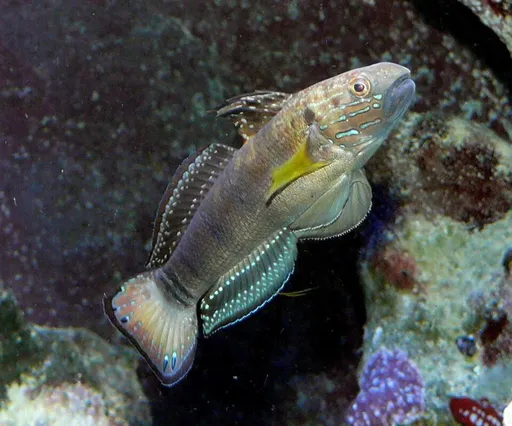
Amblygobius phalaena
Also known as Sleeper Banded Goby, Banded Sleeper Goby, Brownbarred Goby, Dragon Goby, Banded Dragon Goby
SaltwaterFish
Care at a glance
- Temperature
- 73–81°F
- 23–27°C
- pH
- 8.1–8.4
- Adult size
- 5.9 in
- 15 cm
- Minimum tank
- 30 gal
- 115 L
- Temperament
- Peaceful
- Social behavior
- Social
- Tankmates
- With caution
- Swim level
- Bottom
- Difficulty
- Medium
- Breeding
- Hard
- Rarity
- Common
- Reef safe
- Reef safe with caution
- Family
- Gobiidae
- Origin
- Indo-Pacific
Overview
Peaceful and reef safe in the sense that it ignores corals, but like all sand sifters it deposits sand on clams or corals placed low in the tank, so it earns caution in a reef. It also helps aerate the sand and can clear cyanobacteria films. Keep just one unless you have a confirmed pair. It is a strong jumper, so a covered tank is a must. Feeds readily on frozen mysis and other meaty preparations.
In the wild
Ranges across the western and central Pacific over sandy and rubble bottoms beside reef, where it hovers just above the sand and darts into a burrow when threatened. In the aquarium an open sand bed matters more than heavy rock, because it feeds by sifting mouthfuls of substrate. It uses a burrow under a rock as a home and retreat.
Good to know
A Gobiidae sand-sifting goby in the genus Amblygobius, marked with dark vertical bars. It is a pair-forming burrower and is now regularly captive-bred. Compared with Valenciennea sleepers it is far more willing to accept standard frozen and prepared foods, which makes it a much more survivable sand sifter.
Did you know
Unlike the touchy Valenciennea sleepers that often starve, the dragon sleeper goby usually learns to take prepared food, making it one of the few sand-sifting gobies you can keep long term without a constantly replenished live sand bed.
Common questions
What size tank does a Dragon sleeper goby need?
A Dragon sleeper goby needs at least 30 gal (115 L). It spends most of its time in the bottom.
What temperature and pH does a Dragon sleeper goby need?
A Dragon sleeper goby is comfortable at 73–81°F (23–27°C) with a pH of 8.1–8.4.
How big does a Dragon sleeper goby get?
An adult Dragon sleeper goby reaches about 5.9 in (15 cm).
Related species
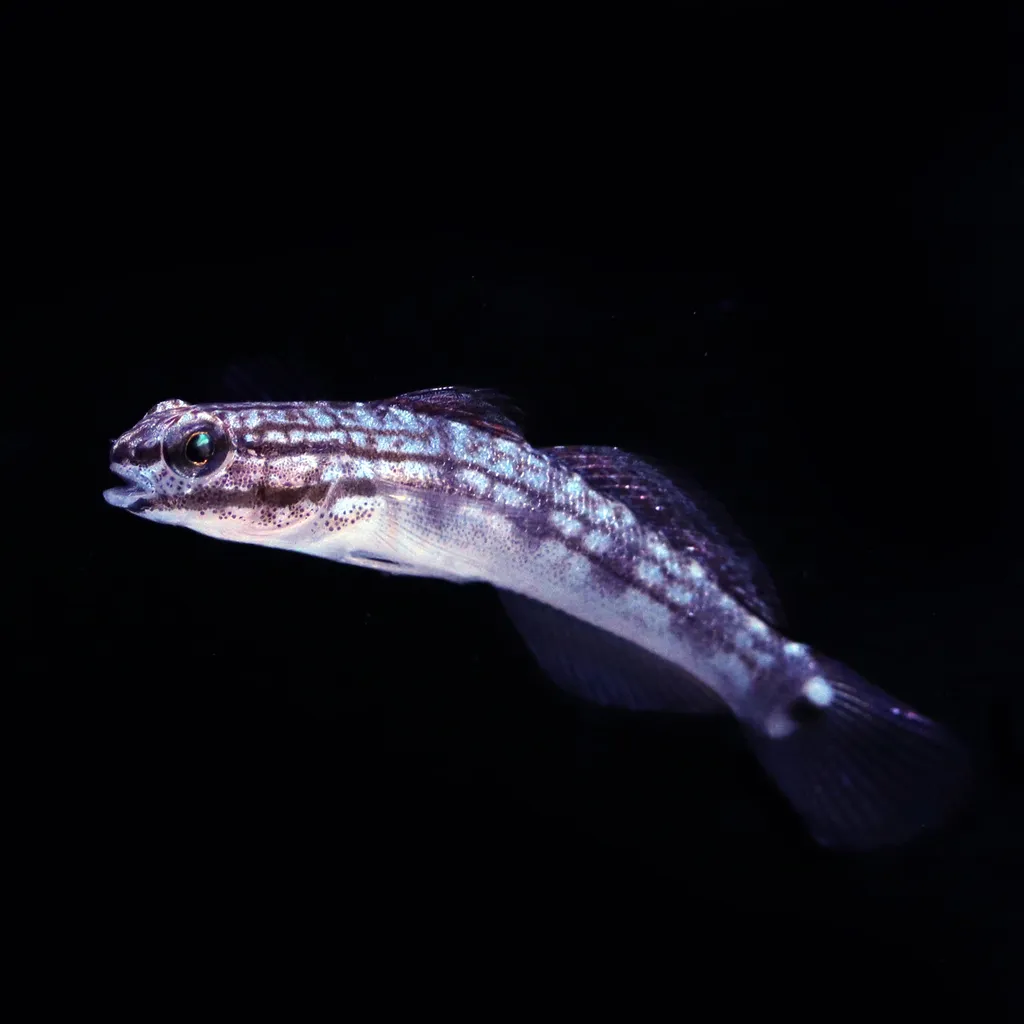 3.1 in (8 cm)20 gal (75 L)73–81°F (23–27°C)
Buan's sleeper goby
Amblygobius buanensis
3.1 in (8 cm) · 20 gal (75 L)
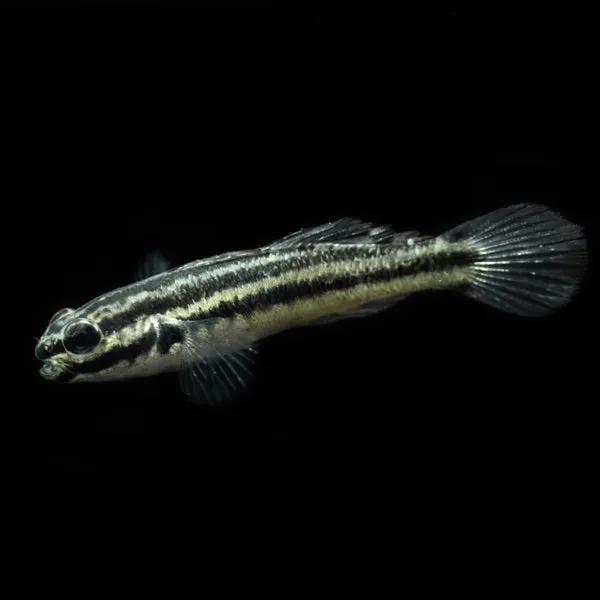 2.8 in (7 cm)20 gal (75 L)73–81°F (23–27°C)
Link's goby
Amblygobius linki
2.8 in (7 cm) · 20 gal (75 L)
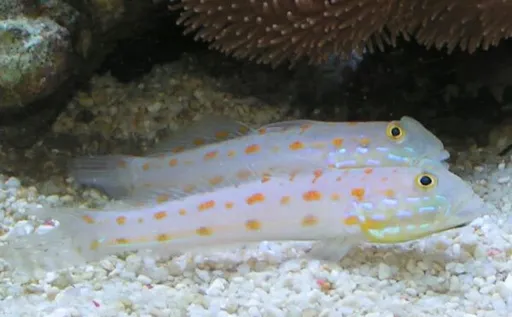 5.9 in (15 cm)55 gal (208 L)72–79°F (22–26°C)
Diamond sleeper goby
Valenciennea puellaris
5.9 in (15 cm) · 55 gal (208 L)
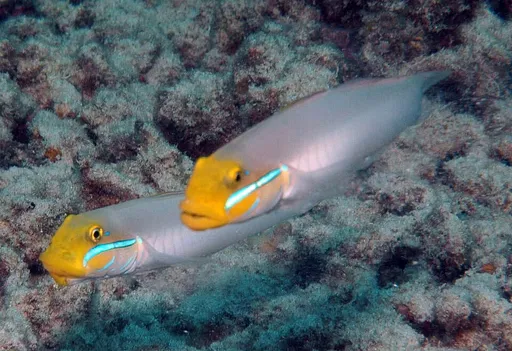 5.9 in (15 cm)53 gal (200 L)73–81°F (23–27°C)
Golden head sleeper goby
Valenciennea strigata
5.9 in (15 cm) · 53 gal (200 L)
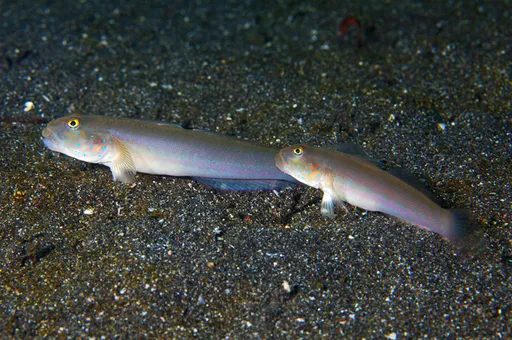 5.5 in (14 cm)40 gal (150 L)72–79°F (22–26°C)
Sixspot sleeper goby
Valenciennea sexguttata
5.5 in (14 cm) · 40 gal (150 L)
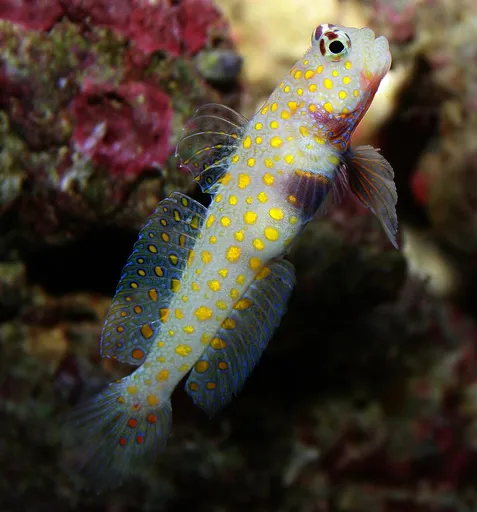 4.3 in (11 cm)30 gal (114 L)72–79°F (22–26°C)
Orange-spot prawn goby
Amblyeleotris guttata
4.3 in (11 cm) · 30 gal (114 L)