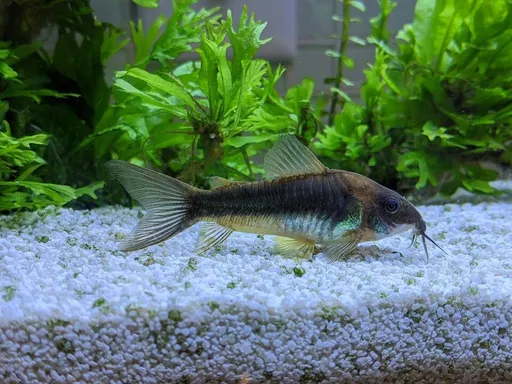
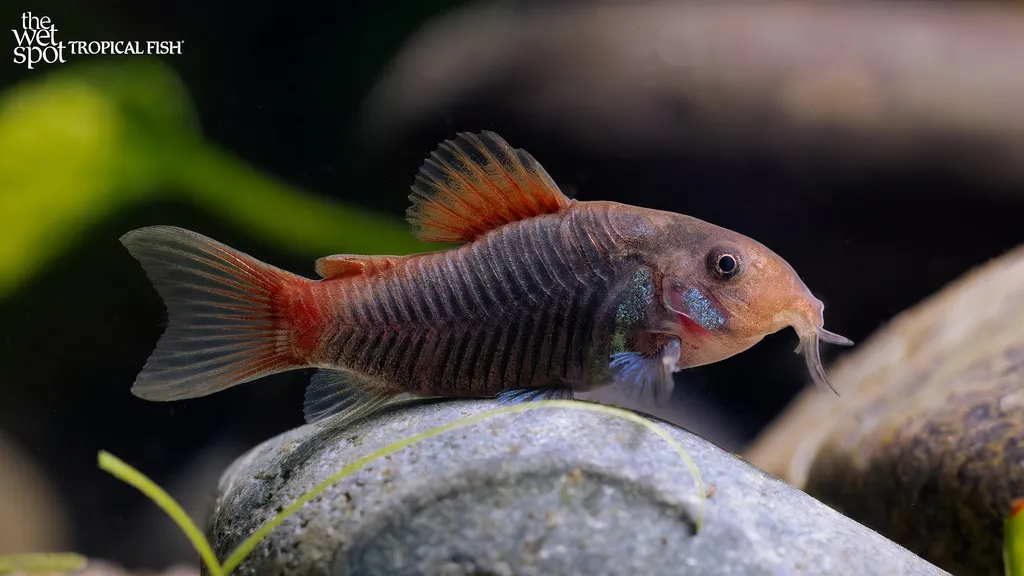
Venezuelan orange cory
Osteogaster aenea
Also known as Corydoras venezuelanus, Venezuelan cory, Orange Venezuelan cory, Red Sailfin Cory
FreshwaterFish
Care at a glance
- Temperature
- 68–79°F
- 20–26°C
- pH
- 6.5–7.5
- Adult size
- 2.4 in
- 6 cm
- Minimum tank
- 20 gal
- 75 L
- Temperament
- Peaceful
- Social behavior
- Shoaling
- Swim level
- Bottom
- Difficulty
- Easy
- Breeding
- Easy
- Rarity
- Very common
- Family
- Callichthyidae
- Origin
- Northern Venezuela in the Lake Valencia basin and nearby Orinoco tributaries, outside the Amazon.
Overview
Keep them in a group of six or more on soft sand with open space to forage. They tolerate a wide range but do well from 20 to 26 C in soft to moderately hard water. Almost all stock is tank bred and takes sinking pellets, frozen and live foods readily.
In the wild
The Venezuelan orange cory comes from streams and rivers of northern Venezuela rather than the Amazon, including the Lake Valencia system. These waters tend to run a little harder and cooler than typical rainforest tributaries. The fish forage over sand and fine gravel in loose groups.
Good to know
This is the naturally orange member of the bronze cory complex and is closely tied to the common bronze cory. The 2024 revision placed it in the genus Osteogaster, where it currently sits as a species of uncertain placement, so it may be listed as Osteogaster venezuelana. It is one of the few cories native to waters outside the Amazon basin.
Did you know
Nearly all Venezuelan orange cories in shops are commercially bred, and their solid orange color deepens as they mature.
Weekly picks
Tank mates
Venezuelan orange cory is a peaceful, shoaling species that keeps to the bottom. These picks share a community profile with it, are safe together in both directions, and overlap on water type, temperature and pH.
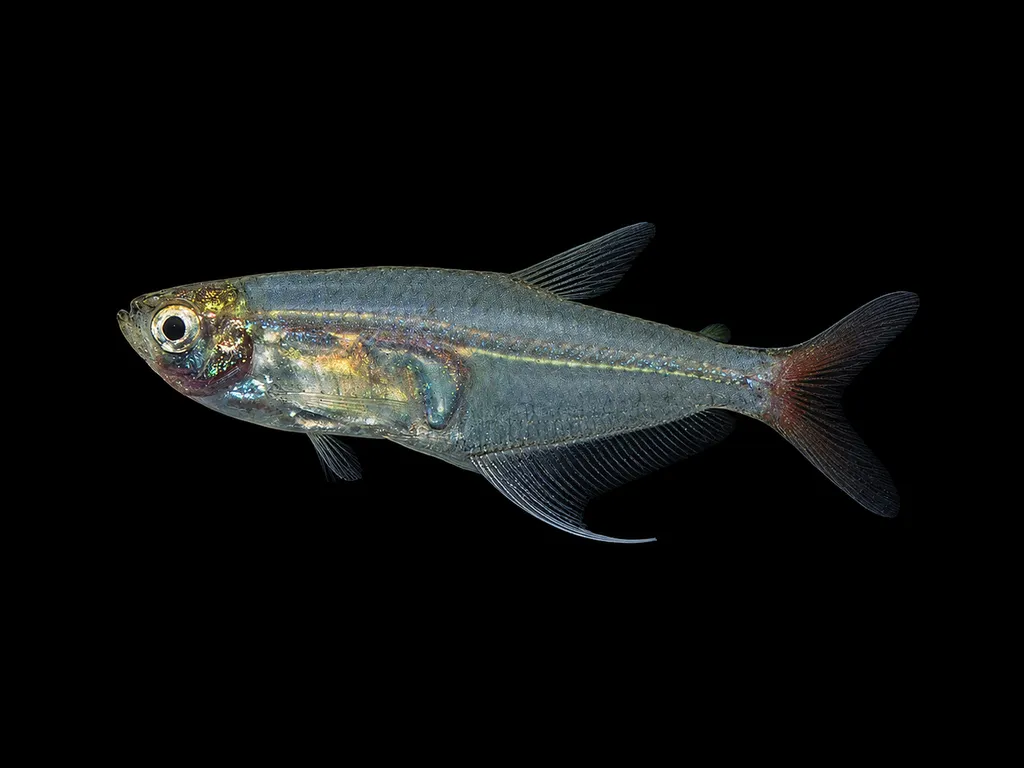
Paraguay glass tetra
Prionobrama paraguayensis
Freshwater2.4 in (6 cm) · 20 gal (75 L)68–81°F (20–27°C)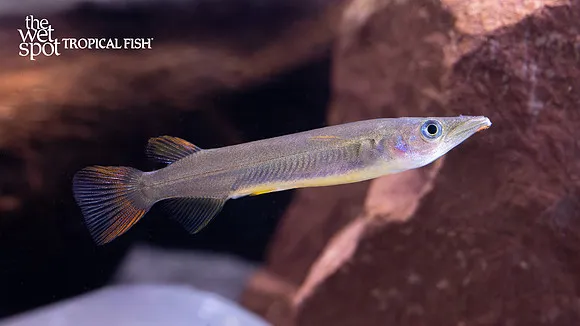
Rex halfbeak
Nomorhamphus rex
Freshwater2.2 in (5.5 cm) · 20 gal (75 L)72–79°F (22–26°C)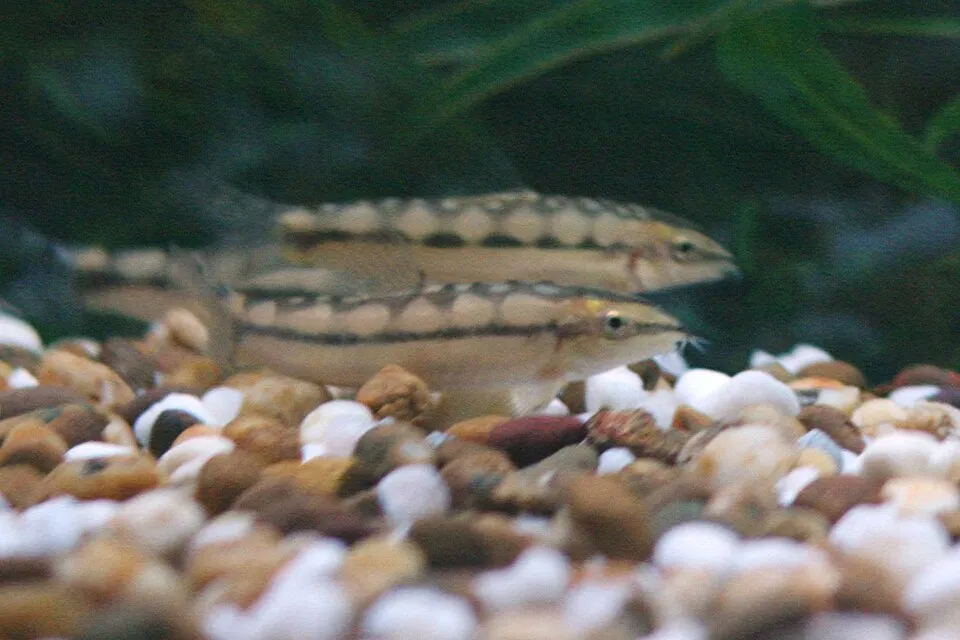
Dwarf botia
Ambastaia sidthimunki
Freshwater2.4 in (6 cm) · 20 gal (75 L)68–86°F (20–30°C)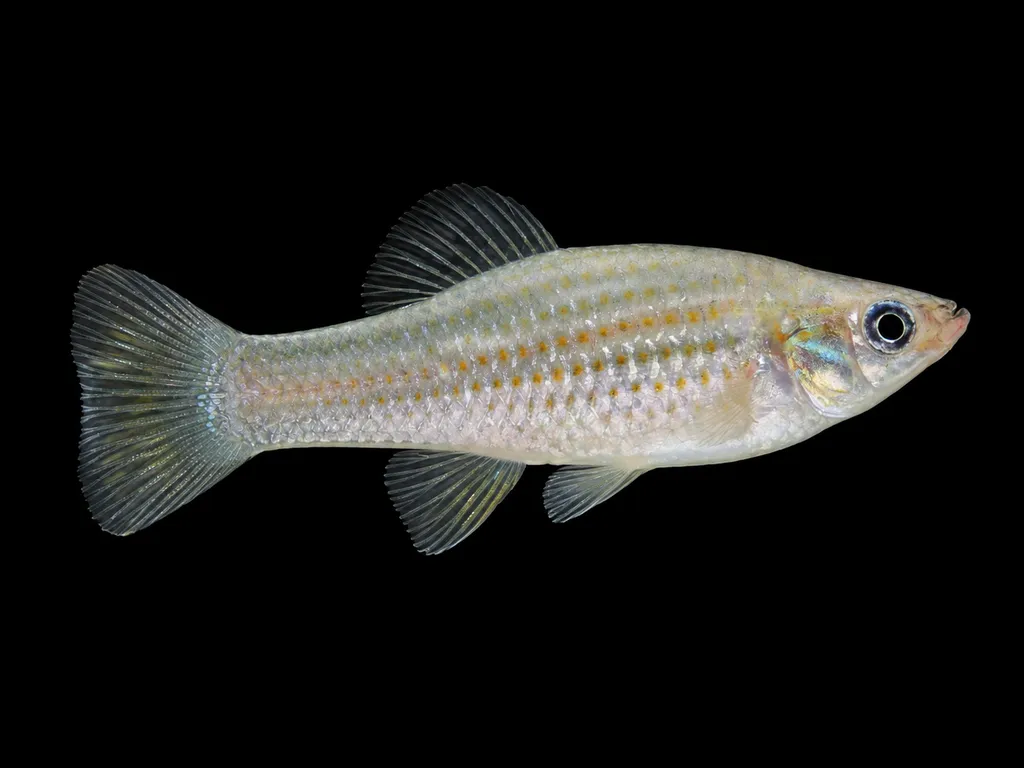
Amazon molly
Poecilia formosa
Freshwater3.5 in (9 cm) · 20 gal (75 L)68–82°F (20–28°C)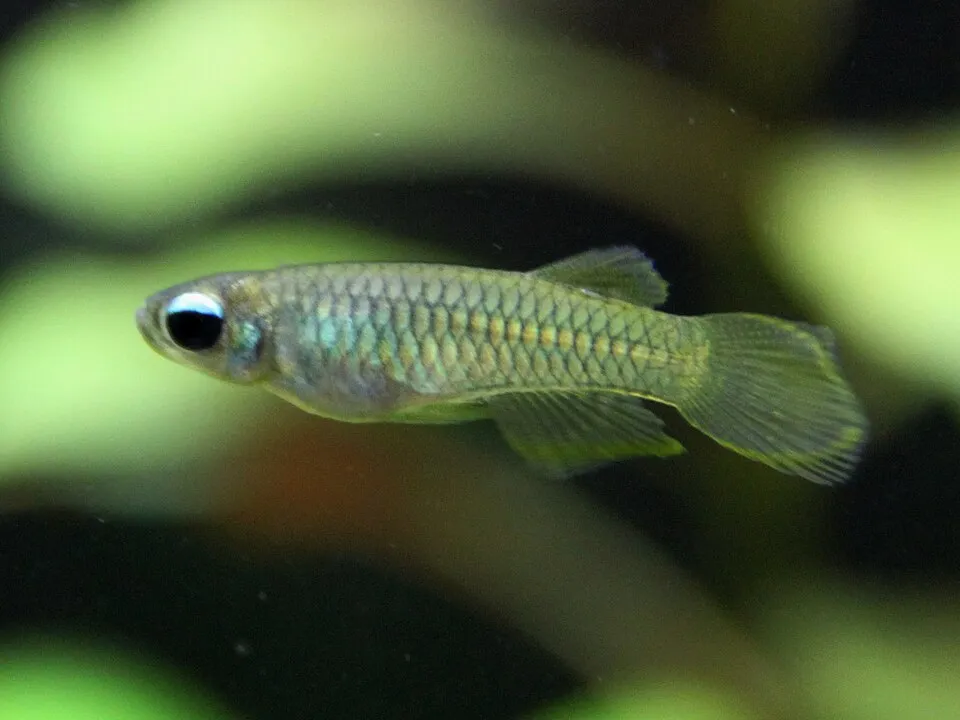
Norman's lampeye
Poropanchax normani
Freshwater1.6 in (4 cm) · 20 gal (75 L)72–79°F (22–26°C)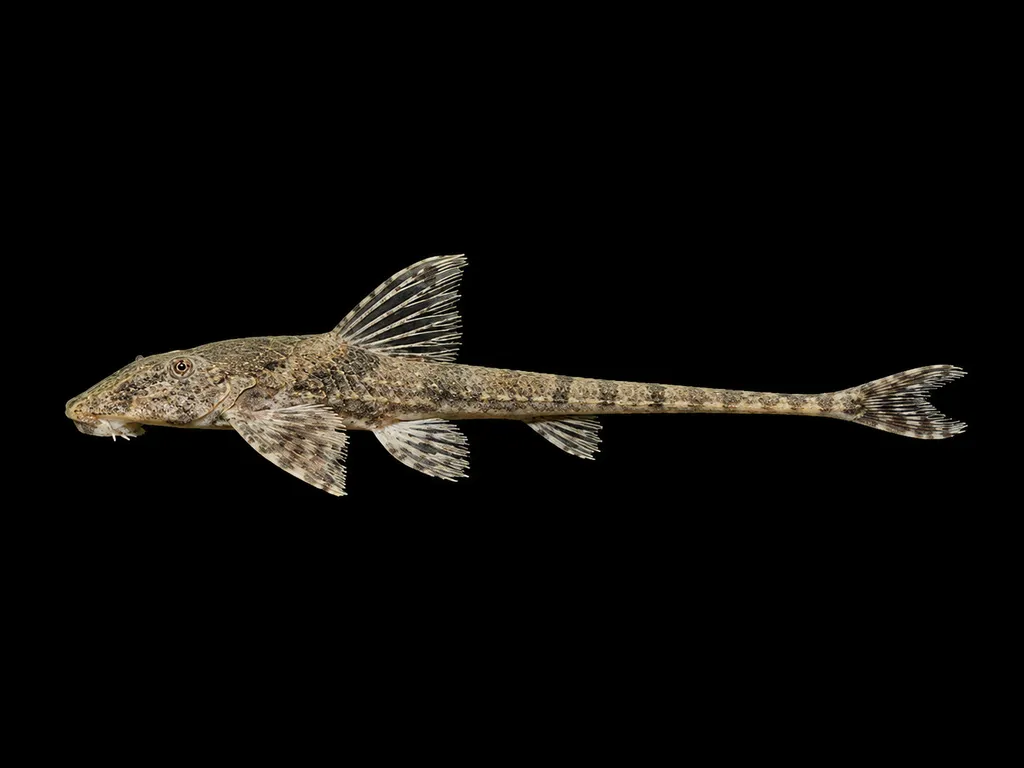
Common whiptail
Rineloricaria parva
Freshwater4.7 in (12 cm) · 20 gal (75 L)68–79°F (20–26°C)
Common questions
What size tank does a Venezuelan orange cory need?
A Venezuelan orange cory needs at least 20 gal (75 L). It spends most of its time in the bottom.
What temperature and pH does a Venezuelan orange cory need?
A Venezuelan orange cory is comfortable at 68–79°F (20–26°C) with a pH of 6.5–7.5.
How big does a Venezuelan orange cory get?
An adult Venezuelan orange cory reaches about 2.4 in (6 cm).
Does a Venezuelan orange cory need a group?
Yes. A Venezuelan orange cory is a shoaling species and should be kept in a group, not singly.
Related species
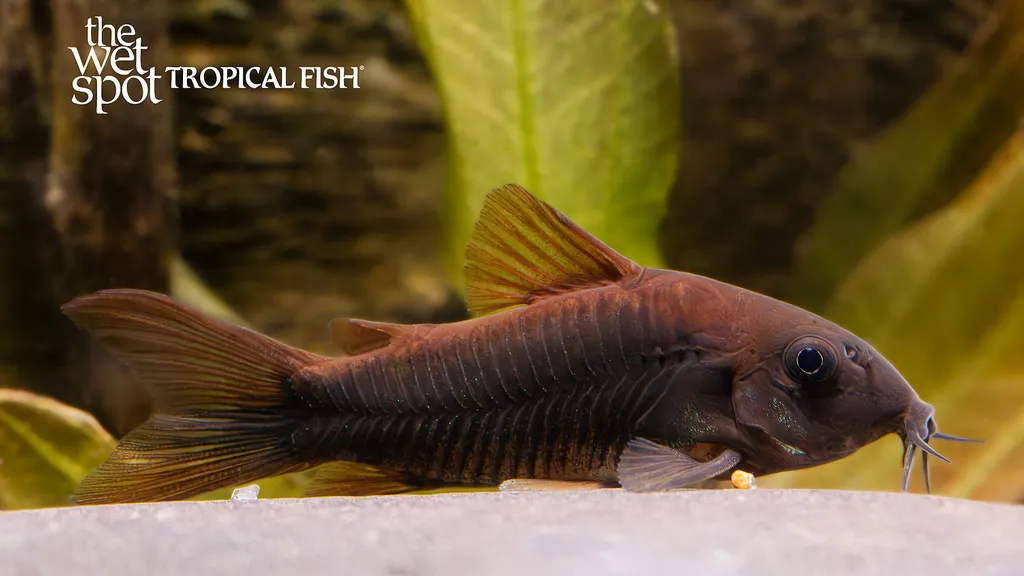
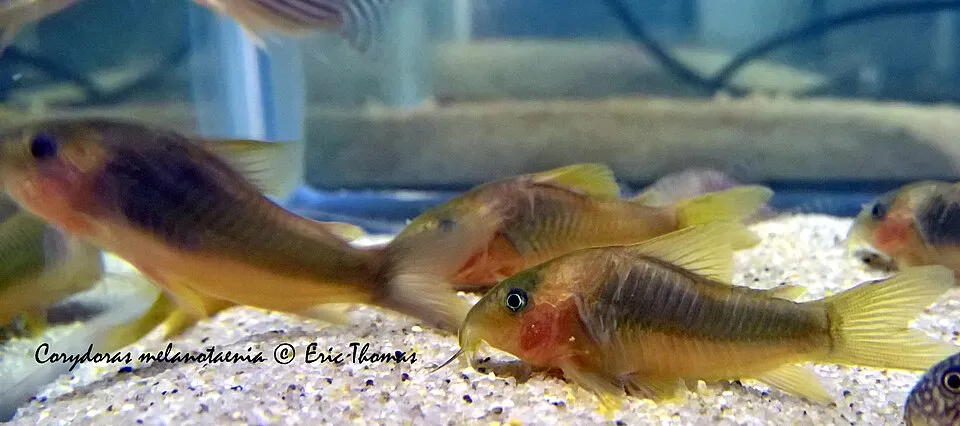 2.4 in (6 cm)17 gal (65 L)68–73°F (20–23°C)
Gold laser cory
Osteogaster melanotaenia
2.4 in (6 cm) · 17 gal (65 L)
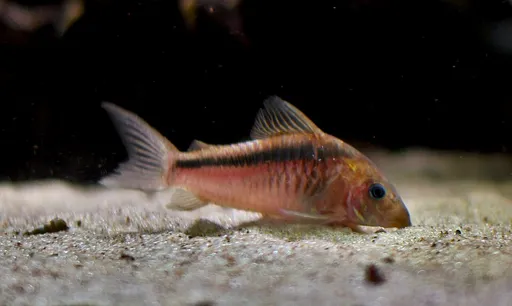
 2.4 in (6 cm)20 gal (75 L)72–79°F (22–26°C)
Rust cory
Osteogaster rabauti
2.4 in (6 cm) · 20 gal (75 L)
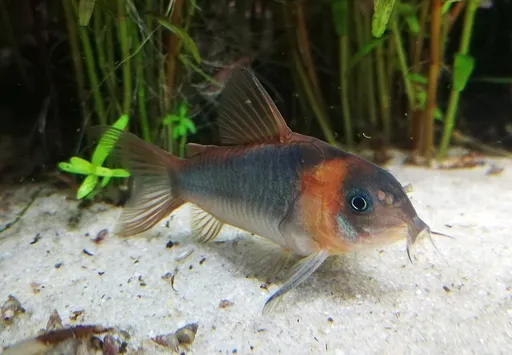
 2.6 in (6.5 cm)21 gal (80 L)72–79°F (22–26°C)
Black band cory
Osteogaster zygata
2.6 in (6.5 cm) · 21 gal (80 L)
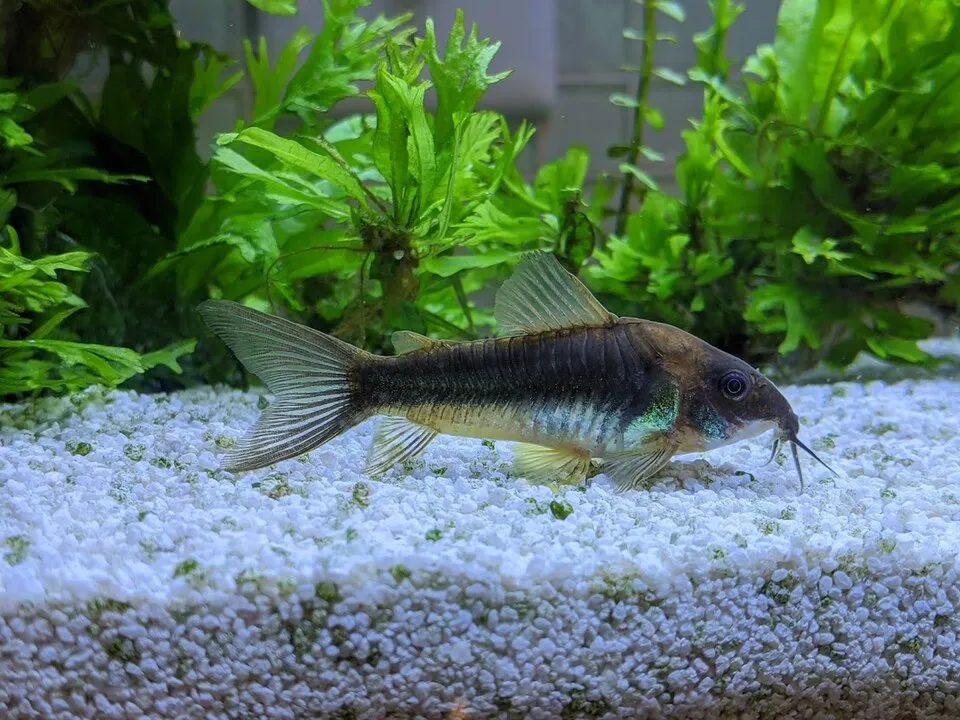
 2 in (5 cm)16 gal (60 L)72–79°F (22–26°C)
Horseman cory
Osteogaster eques
2 in (5 cm) · 16 gal (60 L)
 3 in (7.5 cm)20 gal (75 L)70–81°F (21–27°C)
Bronze cory
Osteogaster aenea
3 in (7.5 cm) · 20 gal (75 L)
 1.6 in (4 cm)15 gal (55 L)75–82°F (24–28°C)
Volcano cory
Osteogaster hephaestus
1.6 in (4 cm) · 15 gal (55 L)