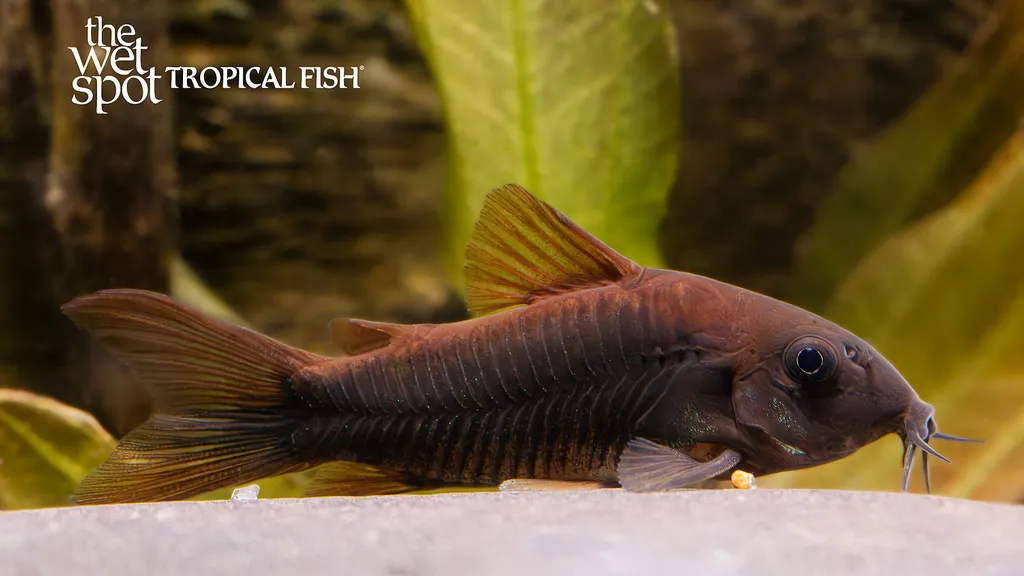
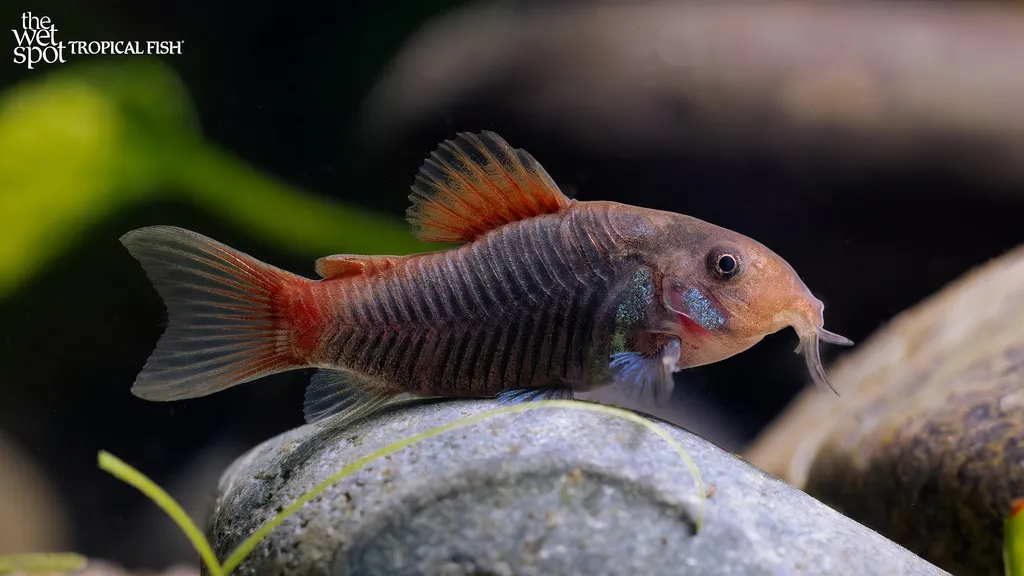
Rust cory
Osteogaster rabauti
Also known as Corydoras rabauti, Rusty cory, Rabaut's cory
FreshwaterFish
Care at a glance
- Temperature
- 72–79°F
- 22–26°C
- pH
- 5.5–7.2
- Adult size
- 2.4 in
- 6 cm
- Minimum tank
- 20 gal
- 75 L
- Temperament
- Peaceful
- Social behavior
- Shoaling
- Swim level
- Bottom
- Difficulty
- Easy
- Breeding
- Medium
- Rarity
- Common
- Family
- Callichthyidae
- Origin
- Upper Amazon basin in western Brazil and Peru.
Overview
Keep rust cories in a group of six or more over smooth sand, which protects their barbels while they forage. They want soft to medium water around 22 to 26 C and calm tankmates. Feed sinking pellets, frozen bloodworm and other small foods that reach the bottom.
In the wild
Rust cories live in shallow, slow stretches and flooded margins of small tributaries across the upper Amazon. The water is warm, soft and slightly acidic, running over sand and leaf litter. Adults sift the top layer of sand for food during the day and gather in loose groups near cover.
Good to know
The 2024 revision of the group moved this species to the resurrected genus Osteogaster, so it now appears in scientific writing as Osteogaster rabauti, though the trade still sells it as Corydoras rabauti. Juveniles wear a bold black stripe on a pale body and look so different from the rust colored adults that they were once taken for another species. The dark band running onto the lower part of the tail base separates it from the near identical black band cory.
Did you know
Young rust cories are patterned nothing like the adults, wearing a stark black on white stripe that fades into coppery rust as they grow.
Weekly picks
Tank mates
Rust cory is a peaceful, shoaling species that keeps to the bottom. These picks share a community profile with it, are safe together in both directions, and overlap on water type, temperature and pH.
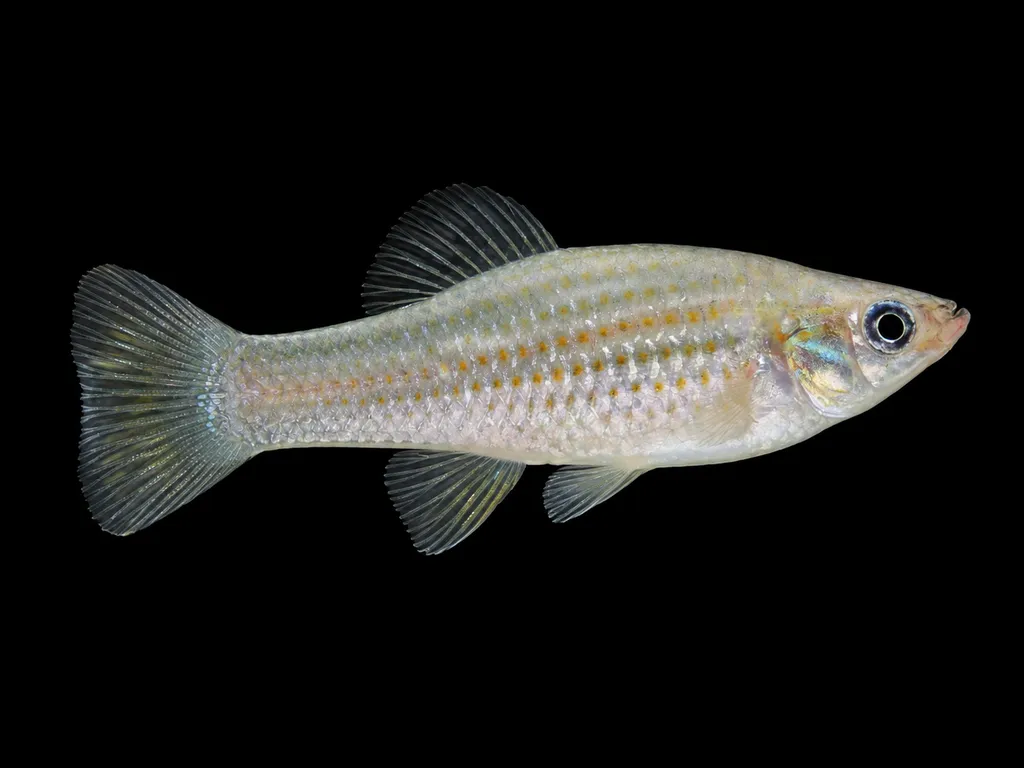
Amazon molly
Poecilia formosa
Freshwater3.5 in (9 cm) · 20 gal (75 L)68–82°F (20–28°C)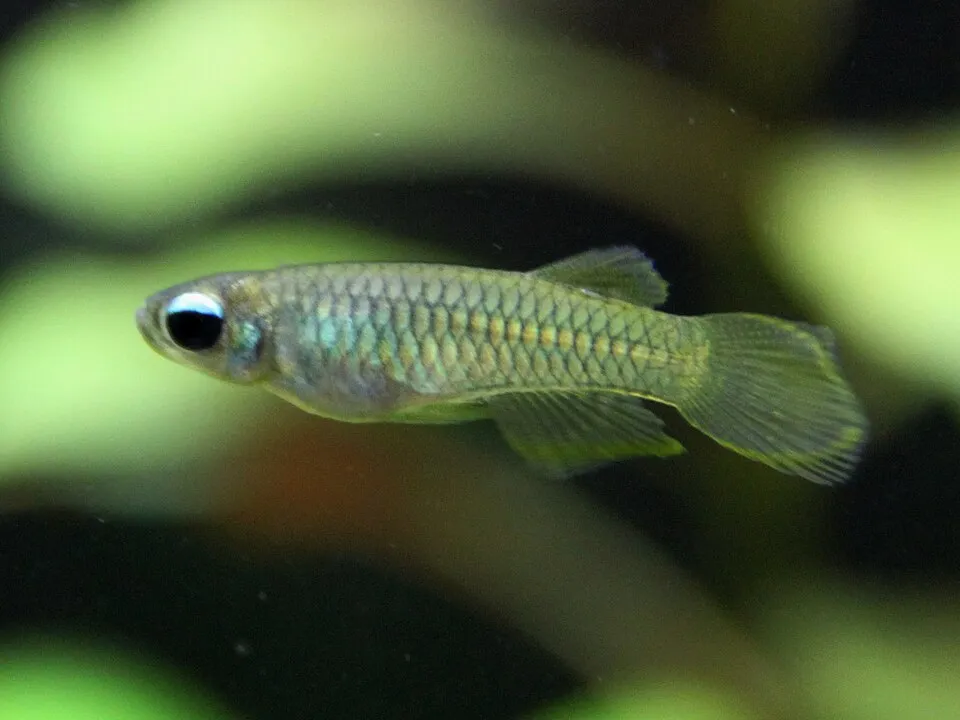
Norman's lampeye
Poropanchax normani
Freshwater1.6 in (4 cm) · 20 gal (75 L)72–79°F (22–26°C)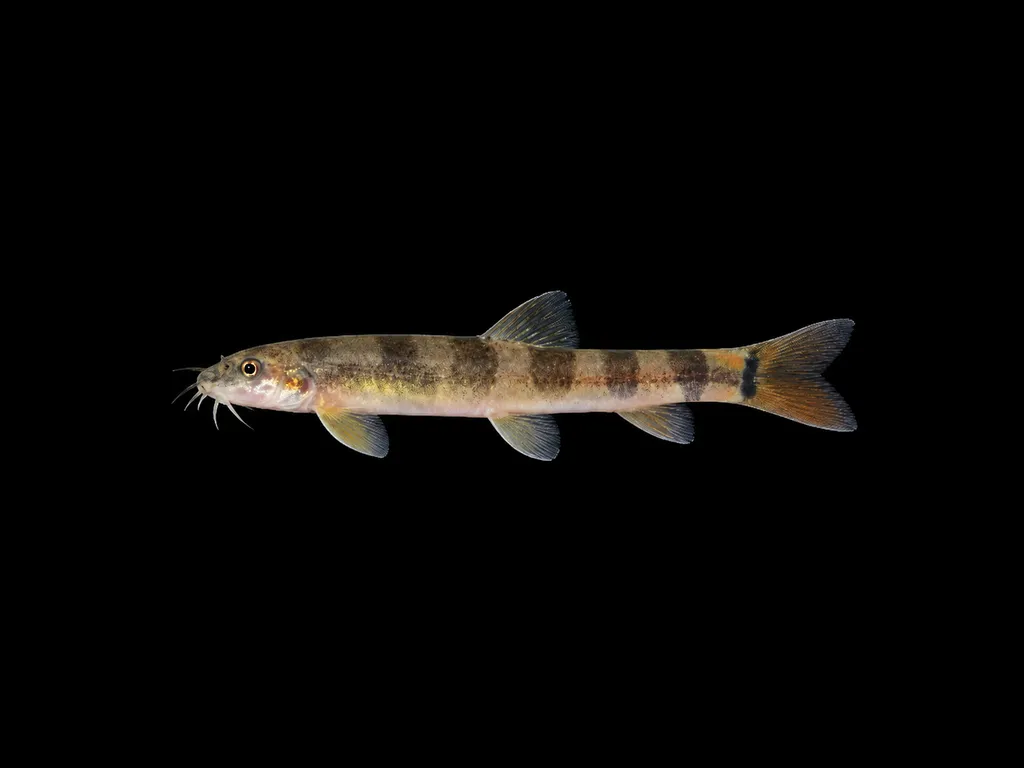
Aizawl loach
Schistura aizawlensis
Freshwater2.4 in (6 cm) · 20 gal (75 L)68–79°F (20–26°C)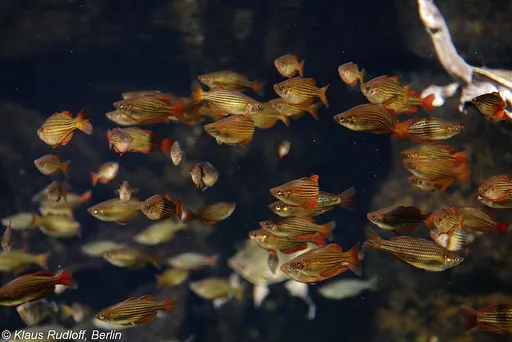
Dwarf rainbowfish
Melanotaenia maccullochi
Freshwater2.8 in (7 cm) · 20 gal (75 L)72–82°F (22–28°C)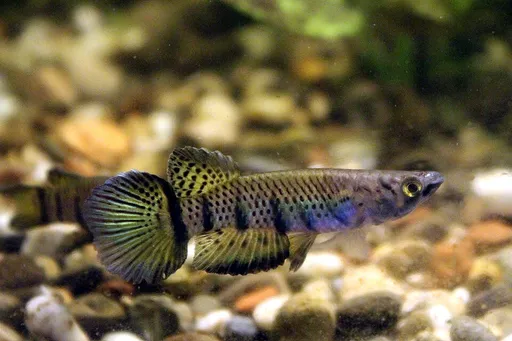
Six-barred panchax
Epiplatys sexfasciatus
Freshwater3.9 in (10 cm) · 20 gal (75 L)72–81°F (22–27°C)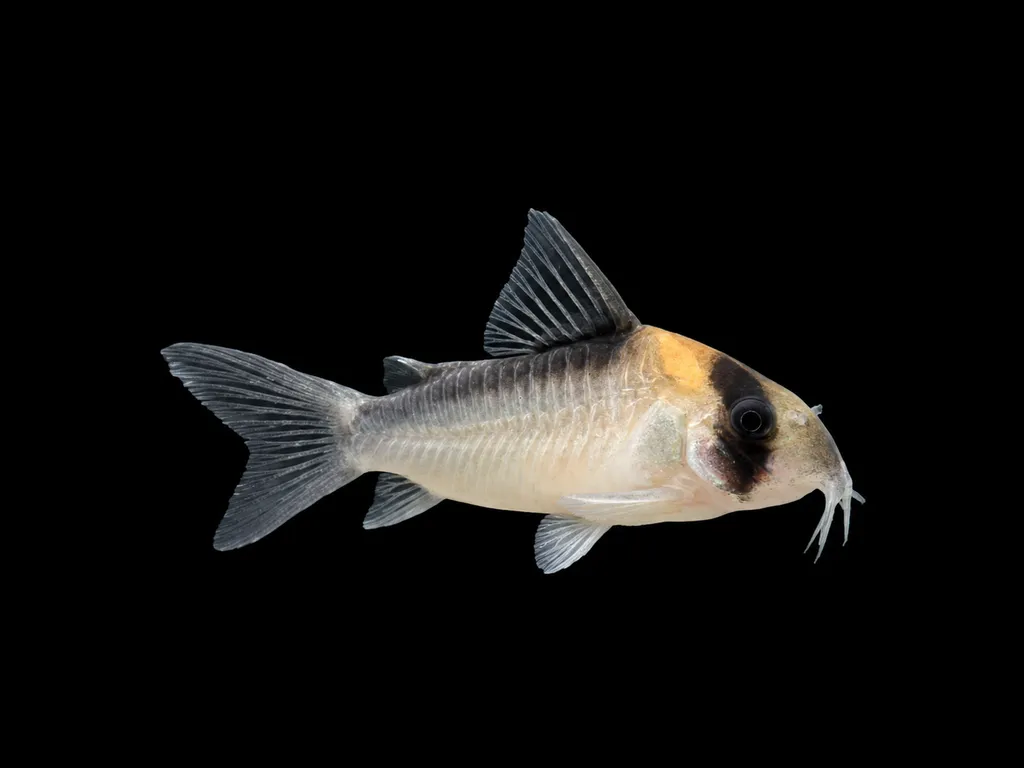
Burgess's cory
Hoplisoma burgessi
Freshwater2.2 in (5.5 cm) · 20 gal (75 L)72–79°F (22–26°C)
Common questions
What size tank does a Rust cory need?
A Rust cory needs at least 20 gal (75 L). It spends most of its time in the bottom.
What temperature and pH does a Rust cory need?
A Rust cory is comfortable at 72–79°F (22–26°C) with a pH of 5.5–7.2.
How big does a Rust cory get?
An adult Rust cory reaches about 2.4 in (6 cm).
Does a Rust cory need a group?
Yes. A Rust cory is a shoaling species and should be kept in a group, not singly.
Related species
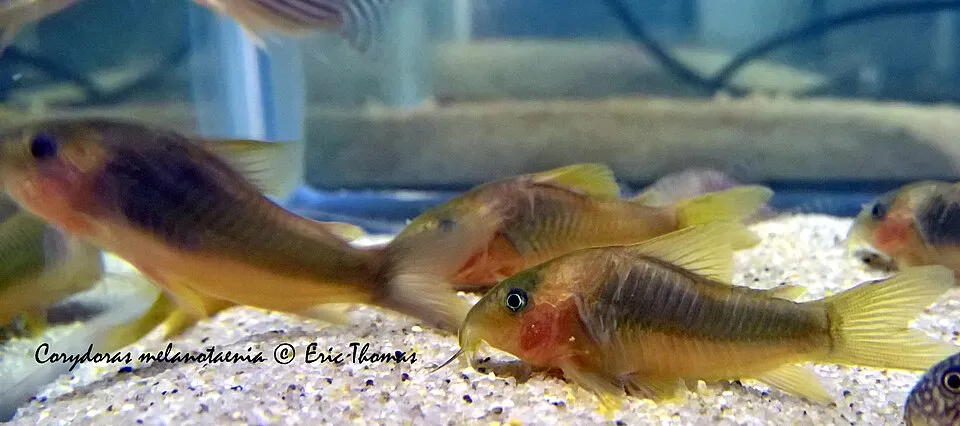 2.4 in (6 cm)17 gal (65 L)68–73°F (20–23°C)
Gold laser cory
Osteogaster melanotaenia
2.4 in (6 cm) · 17 gal (65 L)
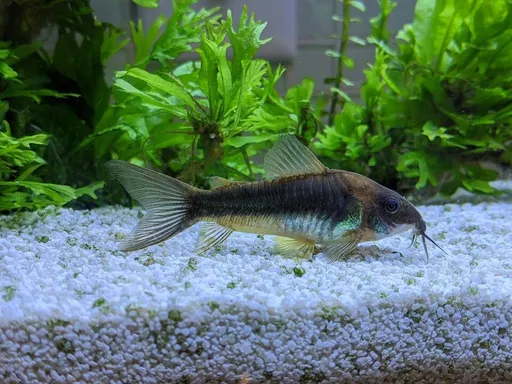 2.4 in (6 cm)20 gal (75 L)68–79°F (20–26°C)
Venezuelan orange cory
Osteogaster aenea
2.4 in (6 cm) · 20 gal (75 L)
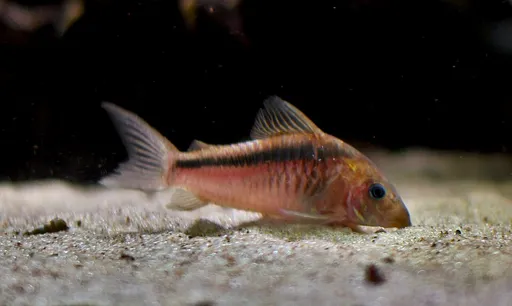 2.6 in (6.5 cm)21 gal (80 L)72–79°F (22–26°C)
Black band cory
Osteogaster zygata
2.6 in (6.5 cm) · 21 gal (80 L)
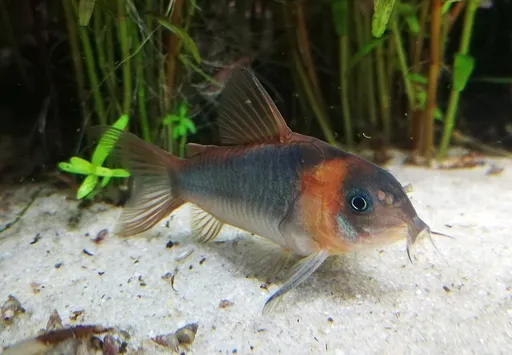 2 in (5 cm)16 gal (60 L)72–79°F (22–26°C)
Horseman cory
Osteogaster eques
2 in (5 cm) · 16 gal (60 L)
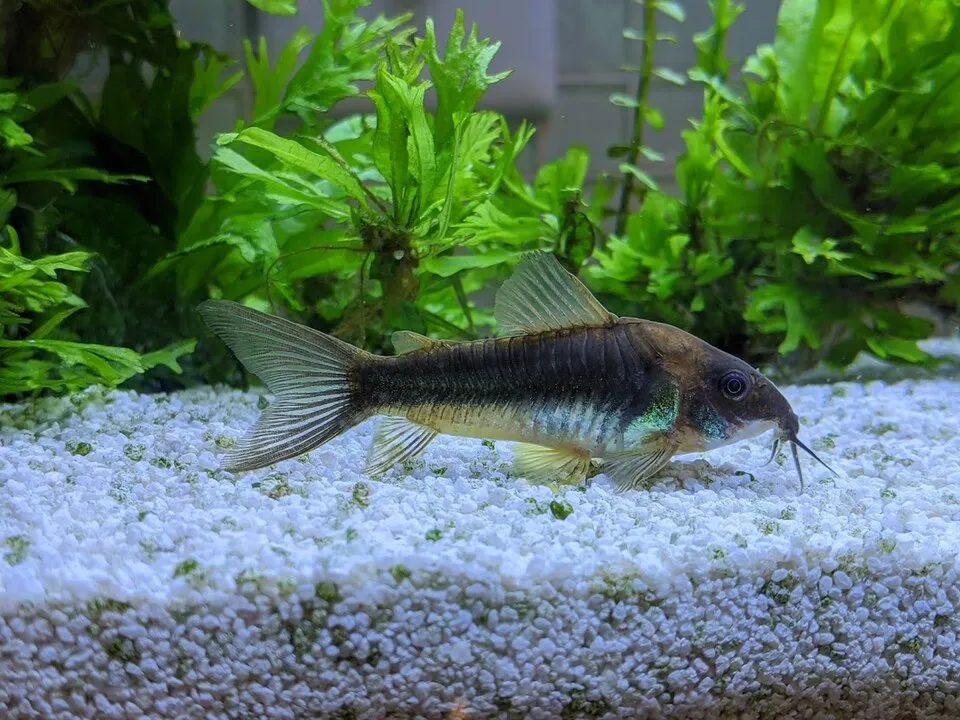 3 in (7.5 cm)20 gal (75 L)70–81°F (21–27°C)
Bronze cory
Osteogaster aenea
3 in (7.5 cm) · 20 gal (75 L)
 1.6 in (4 cm)15 gal (55 L)75–82°F (24–28°C)
Volcano cory
Osteogaster hephaestus
1.6 in (4 cm) · 15 gal (55 L)