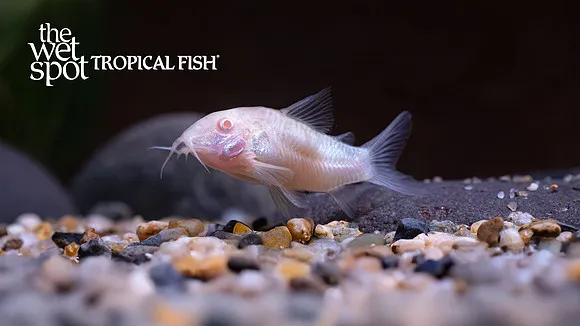
The albino cory is the default albino in the hobby, sold as albino cory or albino aeneus cory. It has a pink-white body and red eyes, with none of the bronze sheen. It is one of the cheapest corys on most lists, and easy to keep.
Did you know
Albino corys and bronze corys often get bought as two different fish and kept as separate groups. They are the same species, so they shoal together and will interbreed.
Caring for the albino cory
Keep albino cories in a group of six or more, since they get stressed and listless when kept alone or in pairs. A group does well in a community tank of 17 gal (63 L) or larger. An albino has no eye pigment to cut glare, so give it shaded spots. Corys work by barbel and taste rather than by sight.
Use a soft sand bottom or smooth, rounded gravel, and avoid sharp substrate. Check the barbels before buying, since stubby or eroded ones point to a rough substrate in the fish's past. Keep the water at 70 to 81°F (21 to 27°C) and a pH of 6.0 to 7.5.
Feed sinking pellets and wafers, plus frozen bloodworms and brine shrimp. Albino cories forage along the bottom, so make sure the food reaches them before the fish up top eat it.
They are peaceful and safe with other community fish. Albino cories are easy to breed. The female carries each sticky egg between her pelvic fins and sticks it to surfaces around the tank.
Good to know
Albinism removes melanin, so the albino cory loses its body pattern. Its eyes read red because blood vessels show through an unpigmented iris. The trait is recessive, so an albino crossed to a normal bronze gives normal-looking fry that carry the gene. Nothing else about the fish changes, and its species was recently moved out of Corydoras into Osteogaster.
In the wild
The albino cory is an albino line of the bronze cory, fixed in captivity and never found in wild populations. It has been a shop staple so long that no founding breeder, country or decade shows up in the hobby references. Sellers describe it simply as tank-bred, and it is produced at a scale that keeps it on nearly every shop list.
Weekly picks
Tank mates
The albino cory is a peaceful, shoaling species that keeps to the bottom. These picks share a community profile with it, are safe together in both directions, and overlap on water type, temperature and pH.
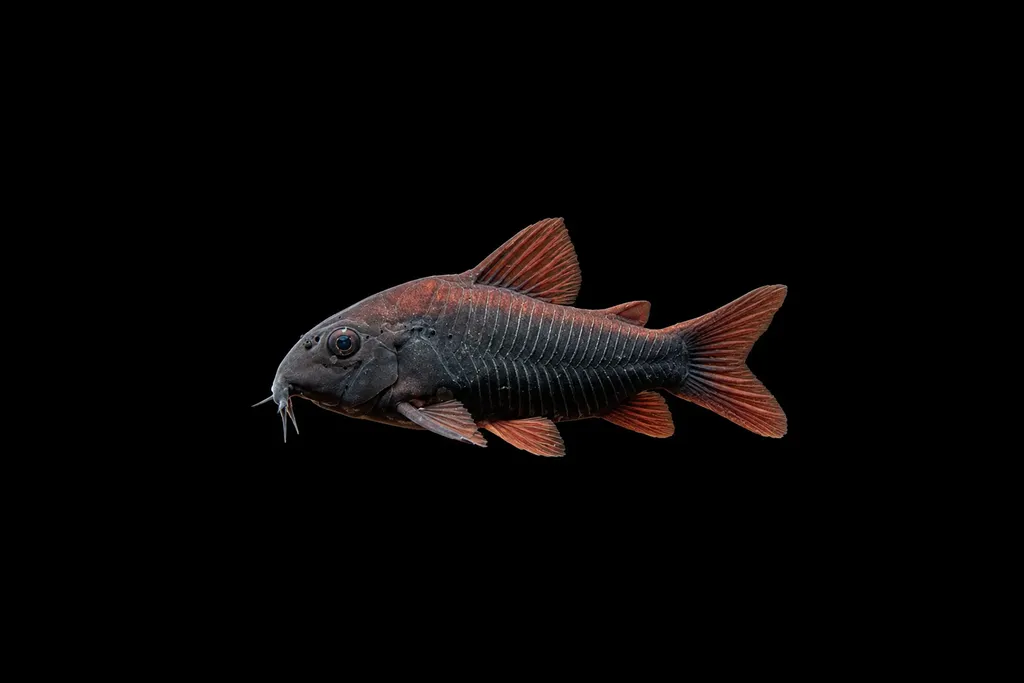
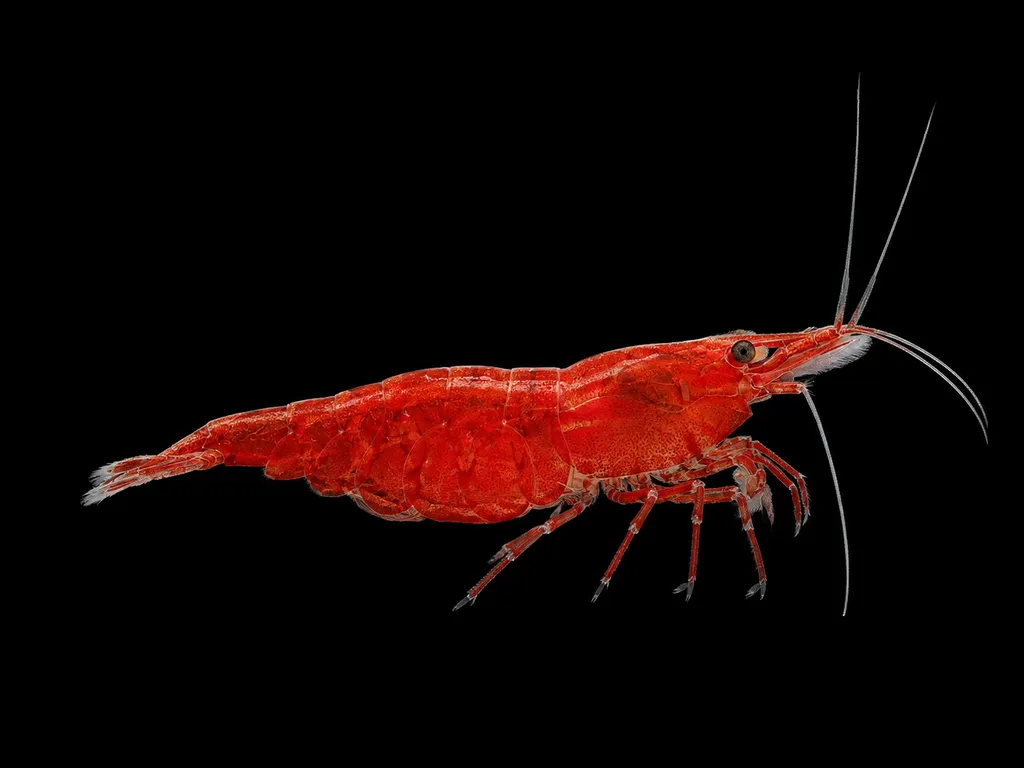
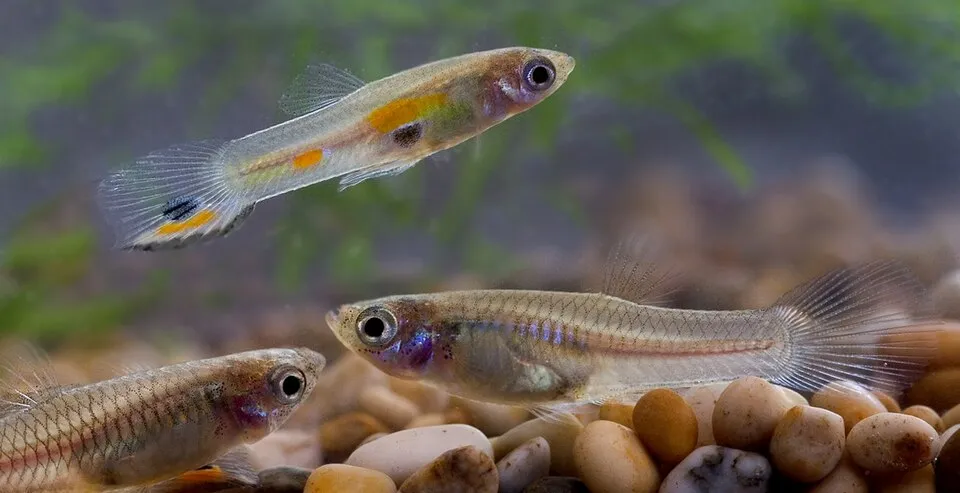
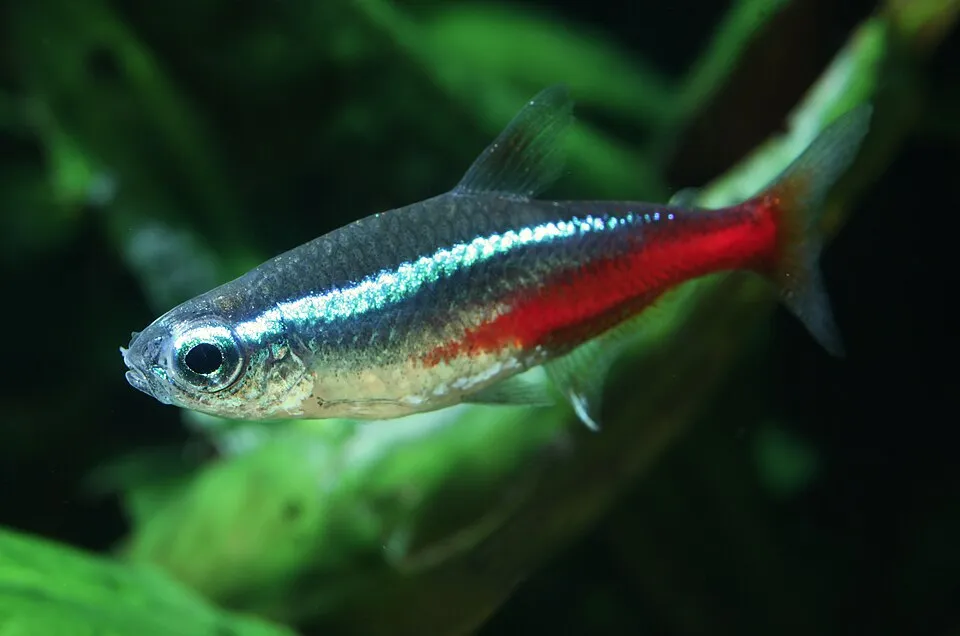
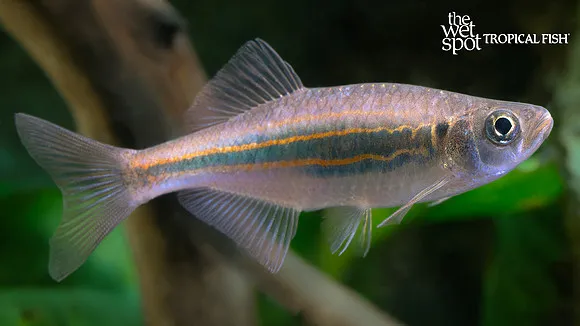
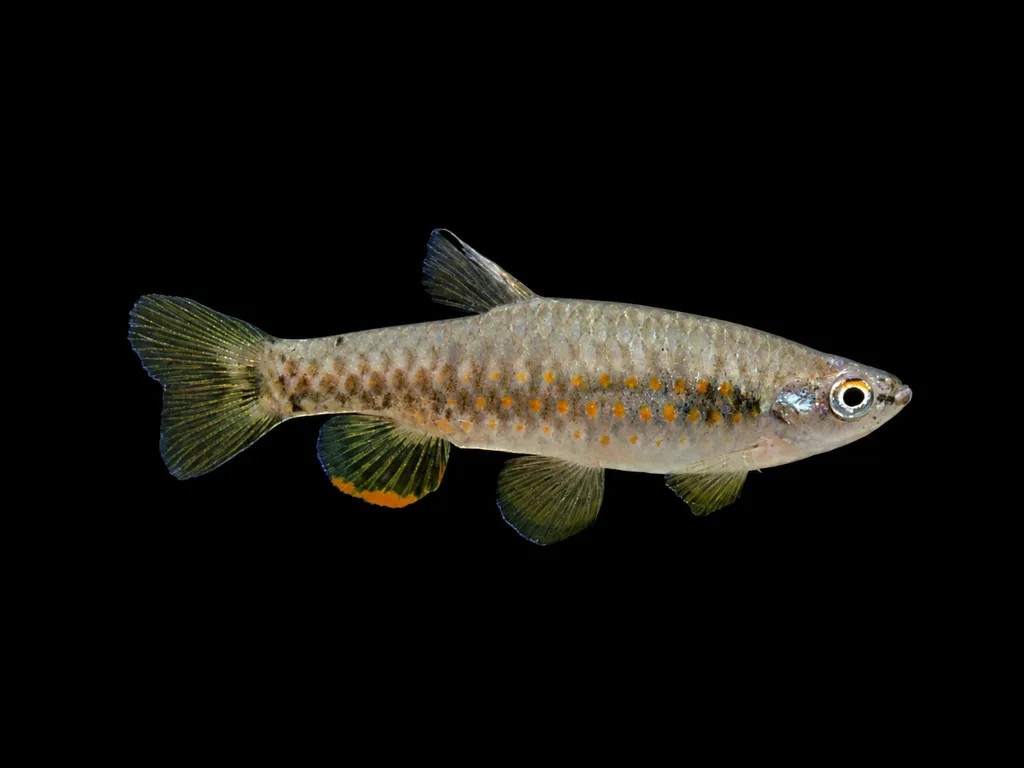
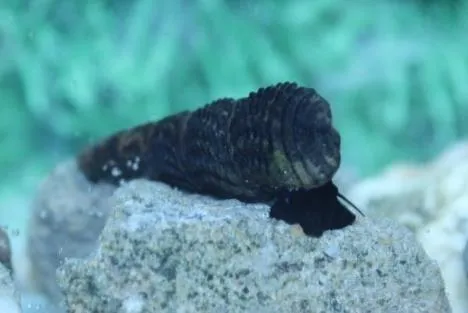
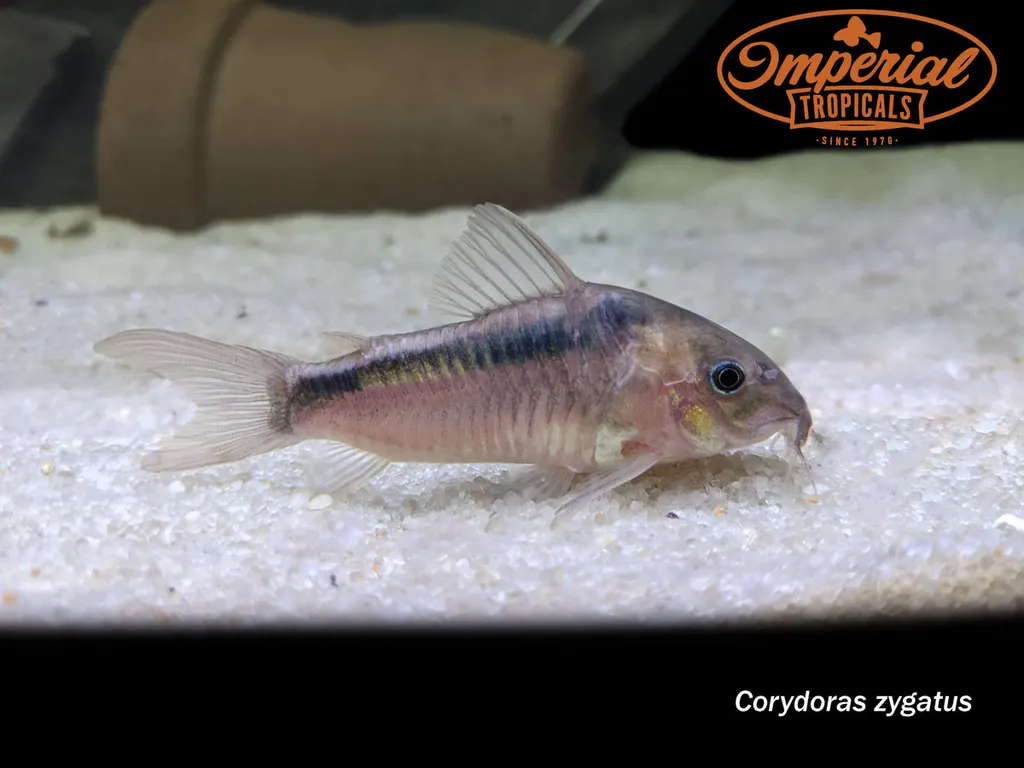 2.6 in (6.5 cm)21 gal (80 L)72–79°F (22–26°C)
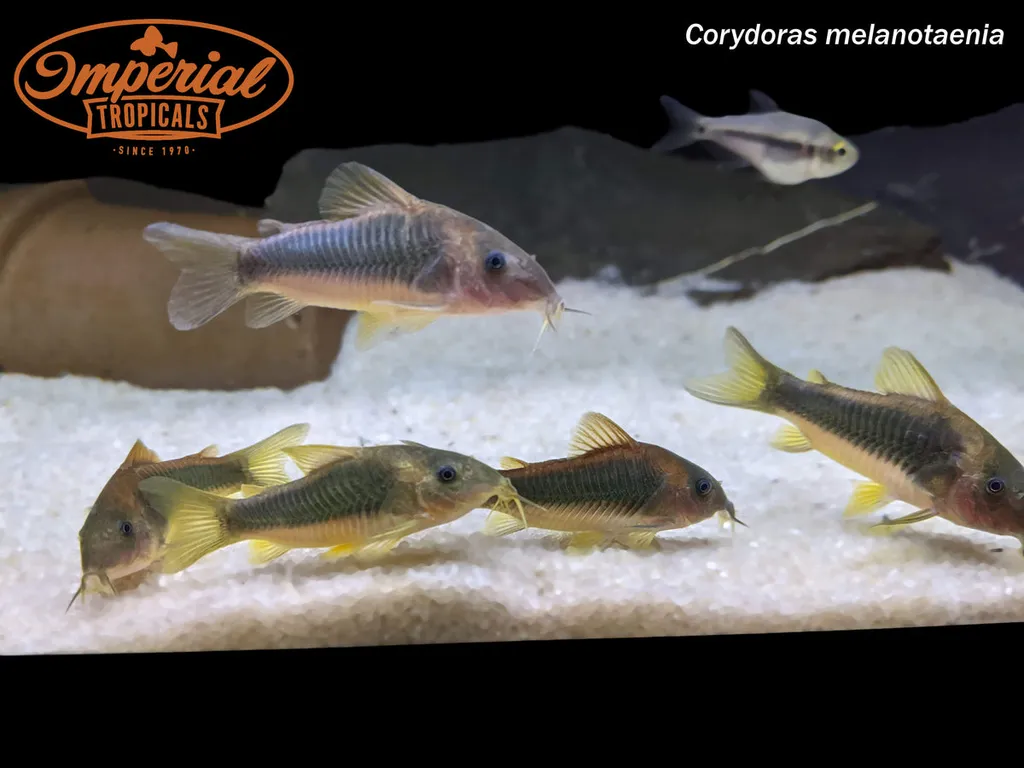 2.4 in (6 cm)17 gal (65 L)68–73°F (20–23°C)
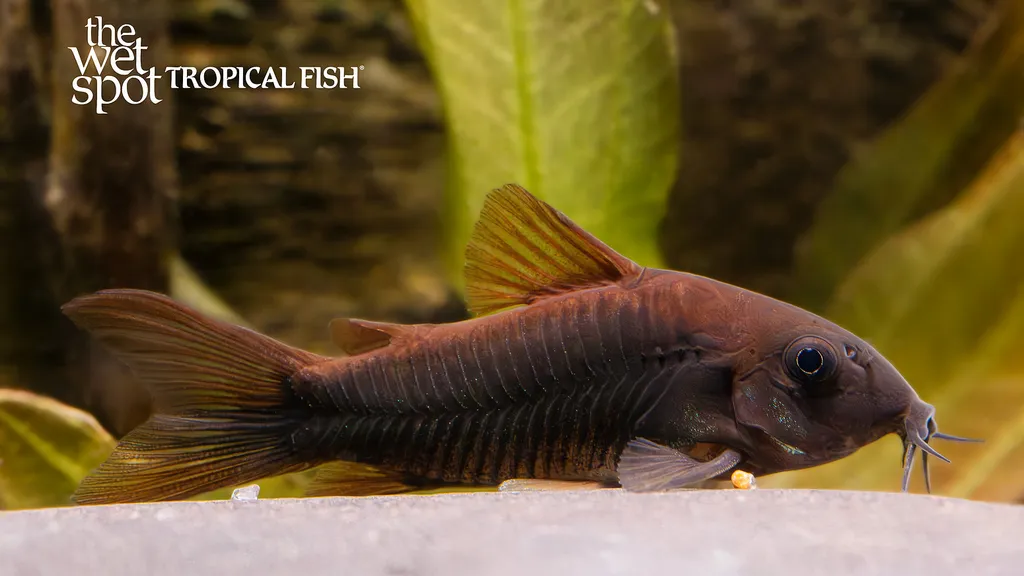 2.4 in (6 cm)20 gal (75 L)72–79°F (22–26°C)
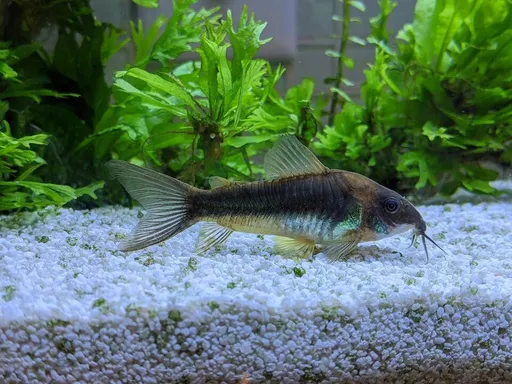 2.4 in (6 cm)20 gal (75 L)68–79°F (20–26°C)
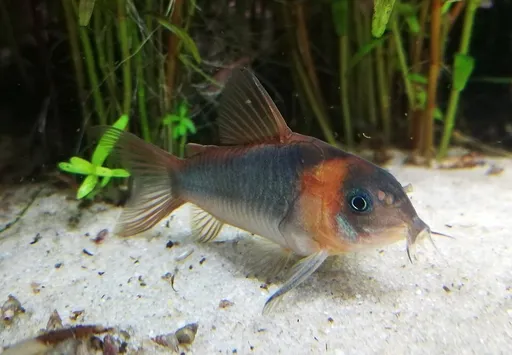 2 in (5 cm)16 gal (60 L)72–79°F (22–26°C)
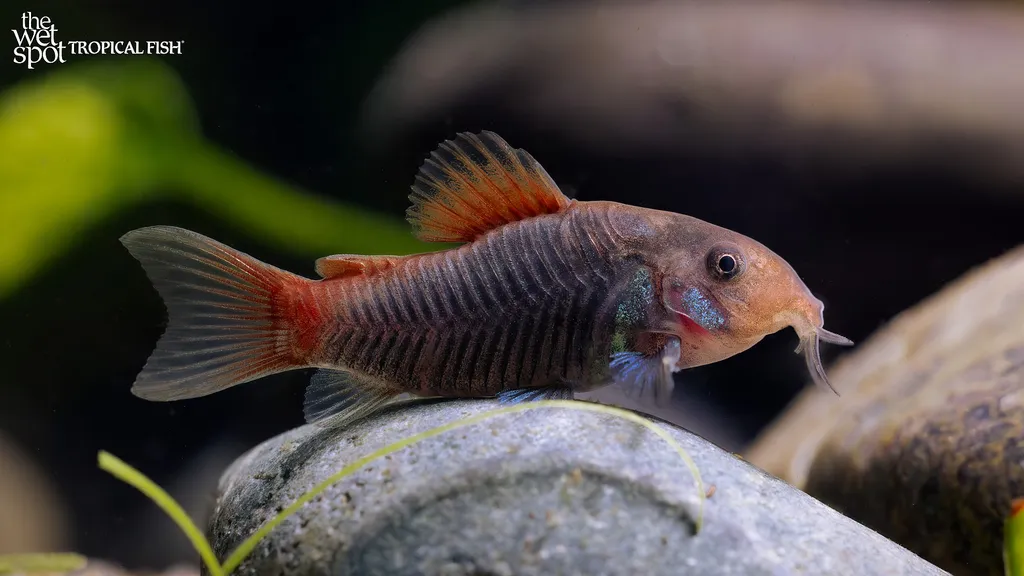 1.6 in (4 cm)15 gal (55 L)75–82°F (24–28°C)