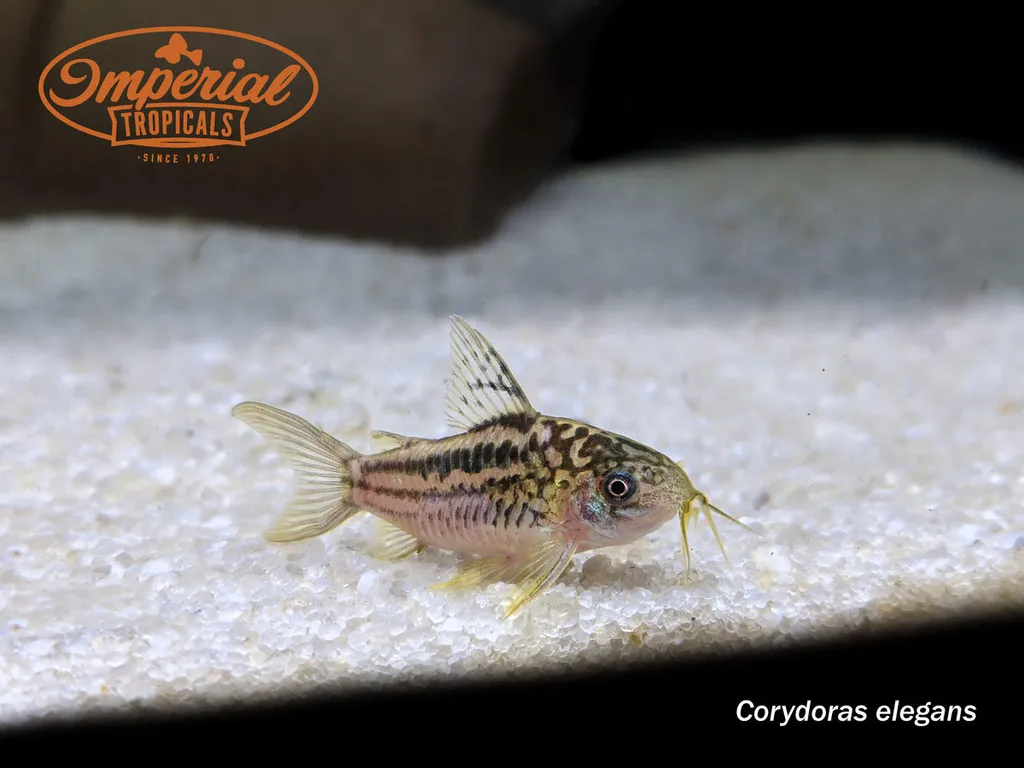
Elegant cory
Gastrodermus elegans
Also known as Corydoras elegans
FreshwaterFish
Care at a glance
- Temperature
- 68–79°F
- 20–26°C
- pH
- 6.0–7.5
- Adult size
- 2.1 in
- 5.4 cm
- Minimum tank
- 16 gal
- 60 L
- Temperament
- Peaceful
- Social behavior
- Shoaling
- Swim level
- Bottom
- Difficulty
- Beginner
- Breeding
- Egg depositor · Hard
- Rarity
- Common
- Family
- Callichthyidae
- Origin
- Peru, Ecuador, Brazil
Overview
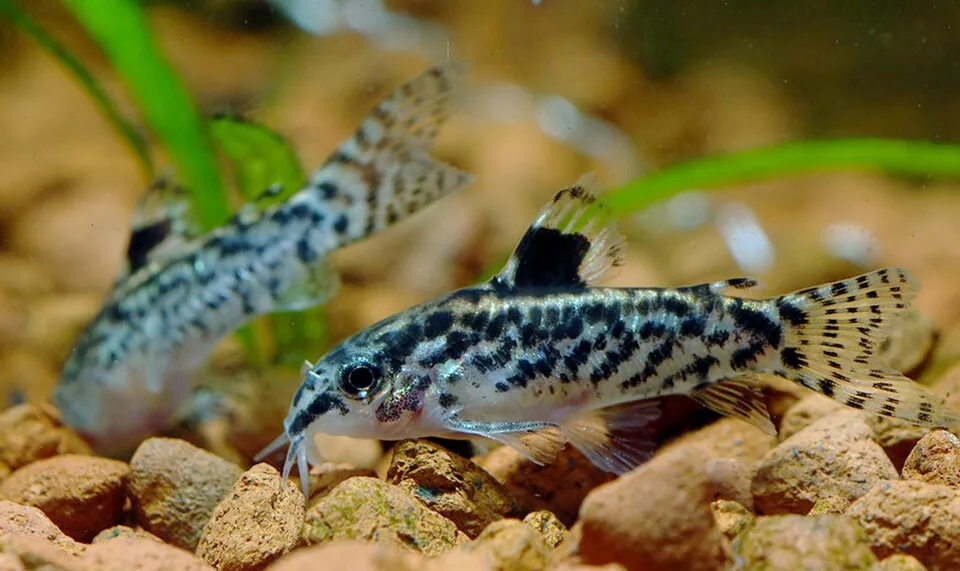
The elegant cory is a peaceful schooling catfish that spends its days on the bottom of a community tank. It is a good first fish.
Did you know
Like other cories, the elegant cory can gulp air at the surface and pass it through its gut to absorb oxygen. That backup helps it cope when the water runs low on oxygen. A quick dash to the top and back is normal behavior, not a sign of trouble.
Caring for the elegant cory
Keep elegant cories in a school of at least six, in 16 gal (60 L) or more. Use sand or smooth, fine gravel so they can sift and dig without scraping their barbels raw. A planted tank with driftwood, some shade and gentle flow suits them.
Keep them on the cooler side, at 68 to 79°F (20 to 26°C), in soft water at a pH of 6.0 to 7.5. Slightly acidic water suits them. Feed sinking pellets and wafers plus occasional frozen or live foods, such as bloodworms and brine shrimp. Make sure the food reaches the bottom.
Elegant cories are peaceful and mix well with other calm community fish that like the same cooler, soft water. Males often hover and swim in midwater more than other cories, especially when active. They deposit their eggs on plants and surfaces, and breeding them at home is difficult.
Good to know
The elegant cory is an armored catfish in the family Callichthyidae, with bony plates covering its body in place of scales. It is listed as Gastrodermus elegans and also known as Corydoras elegans.
In the wild
Elegant cories come from slow, soft waters across Peru, Ecuador and Brazil. They live over sandy and silty bottoms, among leaf litter and plant cover.
Weekly picks
Tank mates
The elegant cory is a peaceful, shoaling species that keeps to the bottom. These picks share a community profile with it, are safe together in both directions, and overlap on water type, temperature and pH.
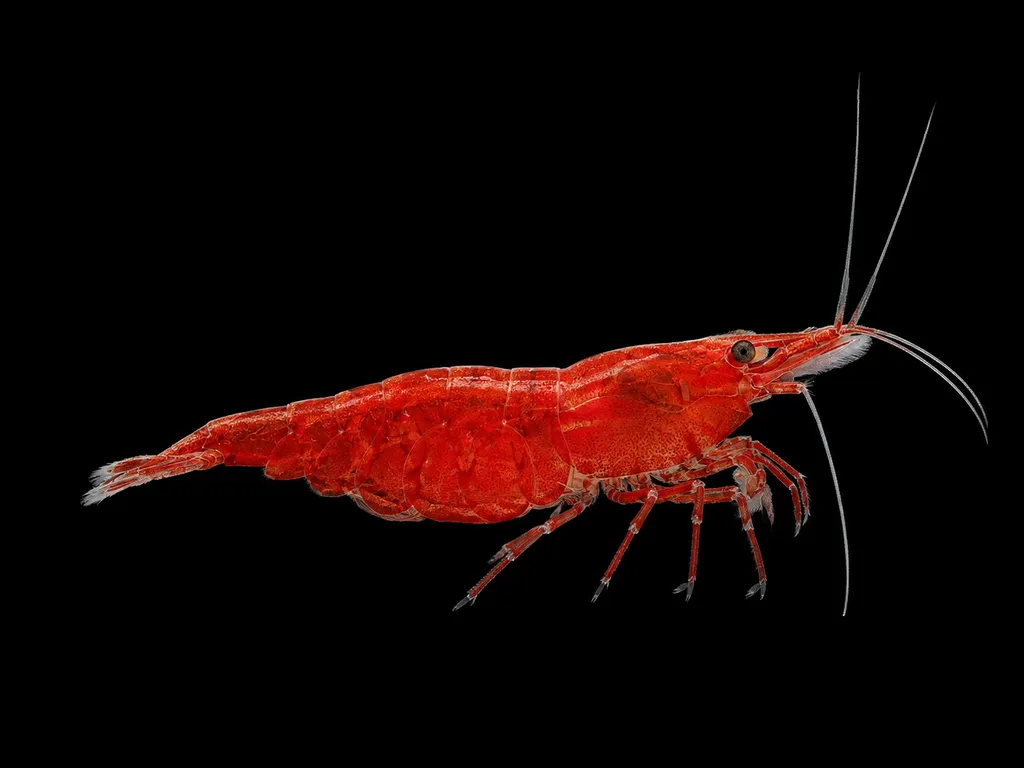
Neocaridina shrimp
Neocaridina davidi
Freshwater1.6 in (4 cm) · 5 gal (19 L)59–84°F (15–29°C)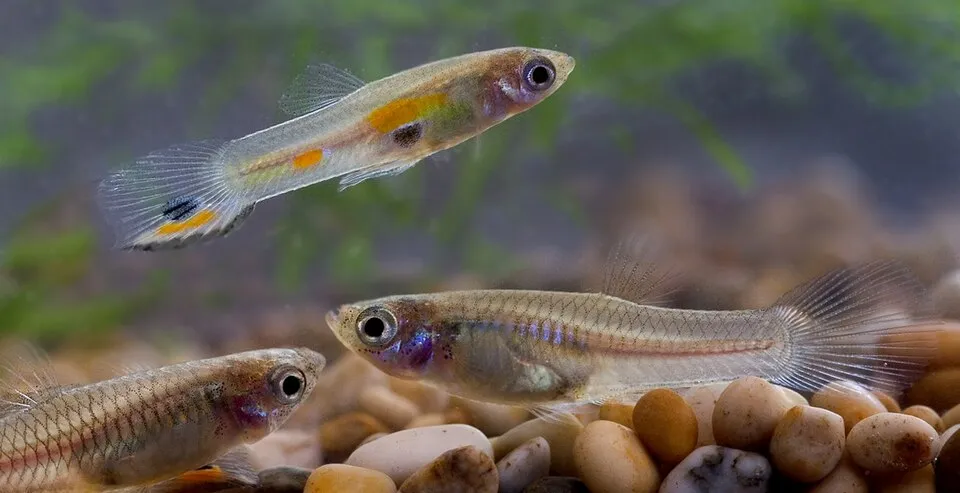
Guppy
Poecilia reticulata
FreshwaterBrackish2.4 in (6 cm) · 10 gal (38 L)64–82°F (18–28°C)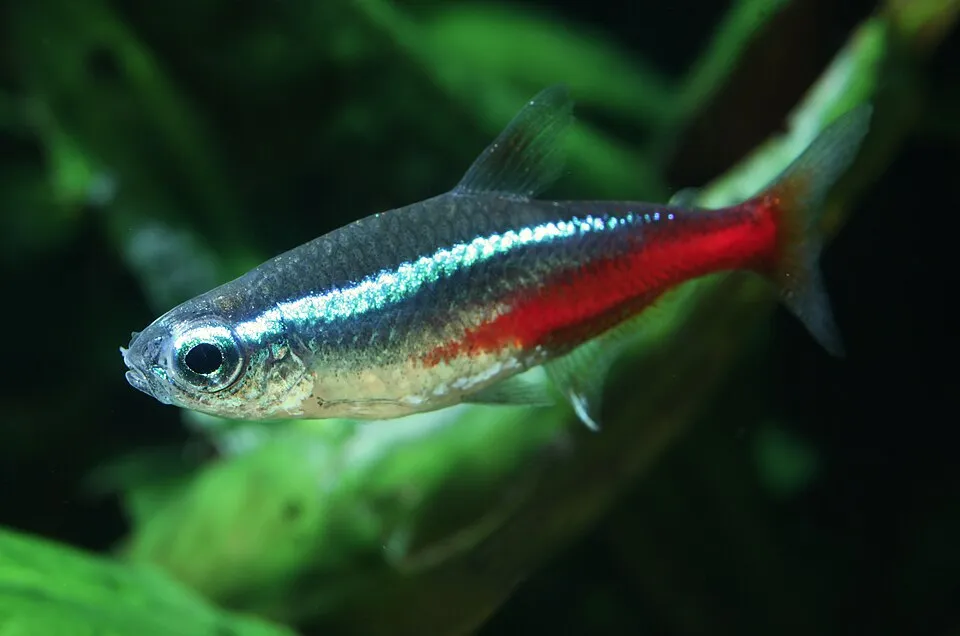
Neon tetra
Paracheirodon innesi
Freshwater1.5 in (3.8 cm) · 11 gal (40 L)70–77°F (21–25°C)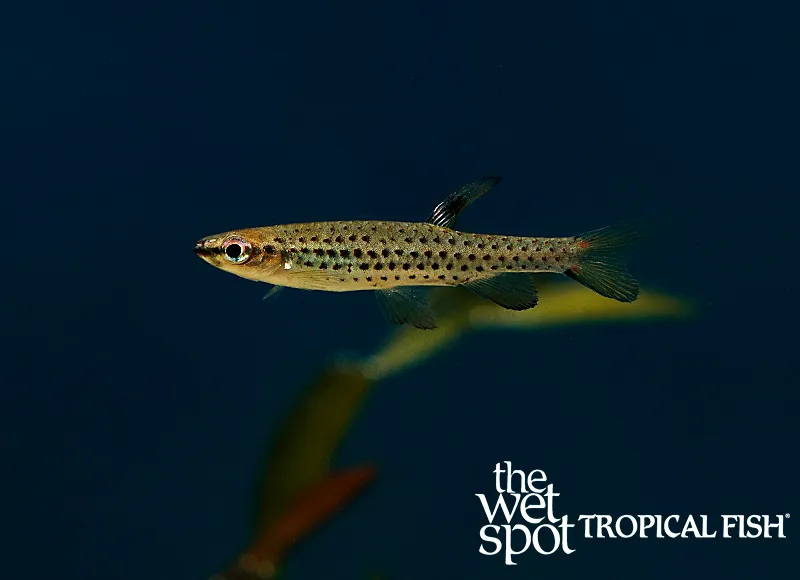
Spotted splash tetra
Copella nattereri
Freshwater2 in (5 cm) · 16 gal (60 L)75–82°F (24–28°C)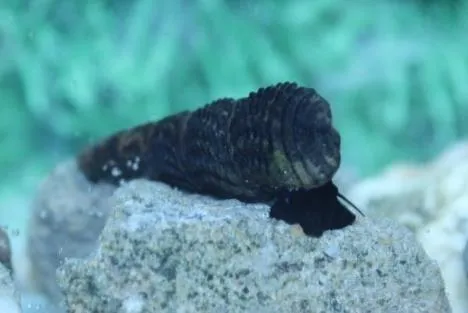
White spotted rabbit snail
Tylomelania towutica
Freshwater4.3 in (11 cm) · 16 gal (60 L)75–84°F (24–29°C)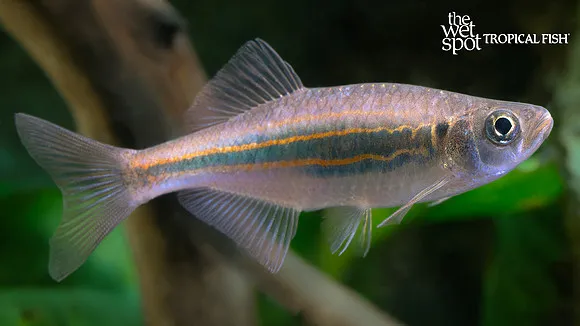
Brittan's rasbora
Kottelatia brittani
Freshwater2.4 in (6 cm) · 16 gal (60 L)68–79°F (20–26°C)
Common questions
What size tank does an elegant cory need?
An elegant cory needs at least 16 gal (60 L). It spends most of its time in the bottom.
What temperature and pH does an elegant cory need?
An elegant cory is comfortable at 68–79°F (20–26°C) with a pH of 6.0–7.5.
What does an elegant cory eat?
An elegant cory eats sinking pellets and wafers, plus occasional frozen or live foods such as bloodworms and brine shrimp. Make sure the food reaches the bottom.
How big does an elegant cory get?
An adult elegant cory reaches about 2.1 in (5.4 cm).
Does an elegant cory need a group?
Yes. An elegant cory is a shoaling species and should be kept in a group, not singly.
How does an elegant cory breed?
Elegant cories deposit their eggs on plants and other surfaces. Breeding them at home is difficult.
Related species
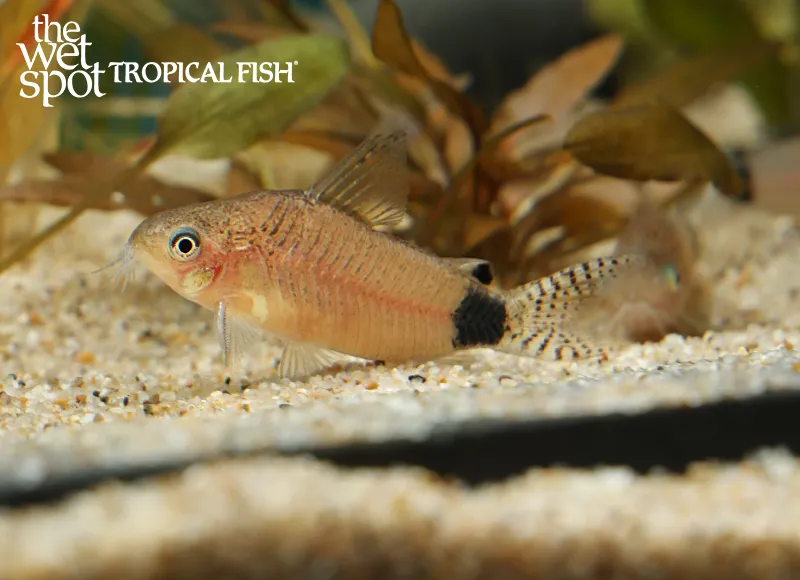 2 in (5 cm)16 gal (60 L)72–82°F (22–28°C)
Guapore cory
Gastrodermus guapore
2 in (5 cm) · 16 gal (60 L)
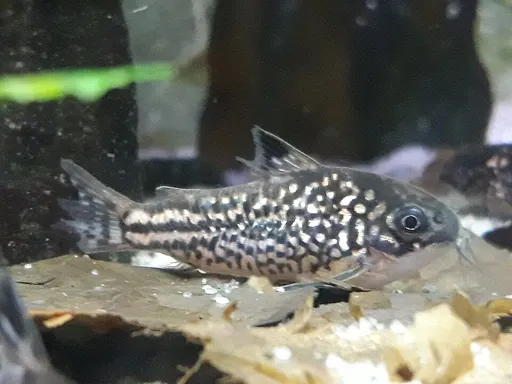 2 in (5 cm)16 gal (60 L)72–79°F (22–26°C)
Napo cory
Gastrodermus napoensis
2 in (5 cm) · 16 gal (60 L)
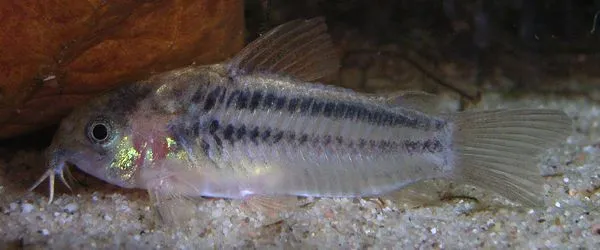 1.8 in (4.5 cm)16 gal (60 L)72–79°F (22–26°C)
Nain dwarf cory
Gastrodermus nanus
1.8 in (4.5 cm) · 16 gal (60 L)
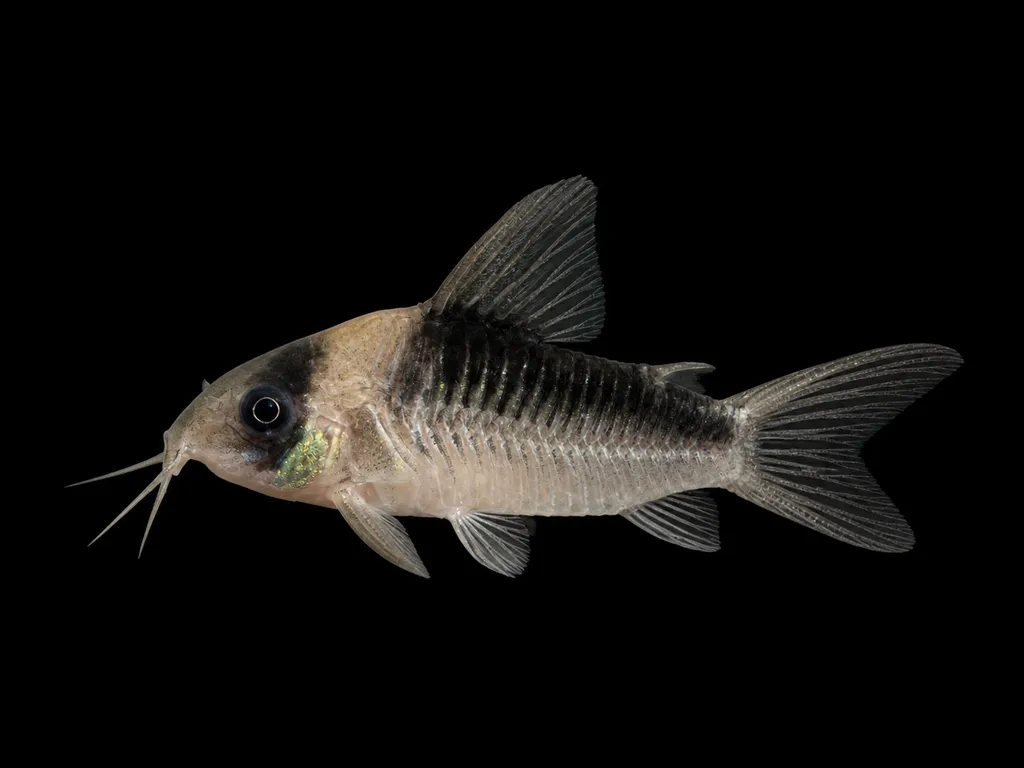 1.8 in (4.5 cm)16 gal (60 L)72–79°F (22–26°C)
Nijssen's cory
Gastrodermus nijsseni
1.8 in (4.5 cm) · 16 gal (60 L)
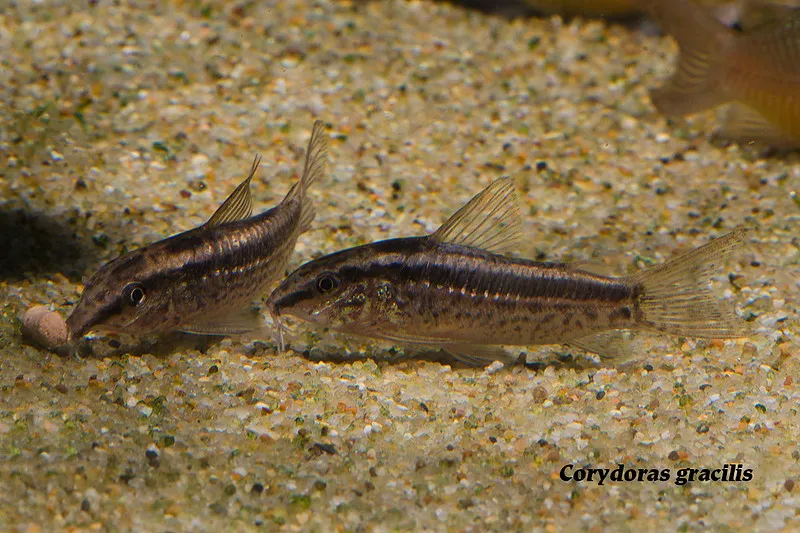 1.4 in (3.5 cm)12 gal (45 L)72–79°F (22–26°C)
Nano cory
Gastrodermus gracilis
1.4 in (3.5 cm) · 12 gal (45 L)
 1.4 in (3.5 cm)13 gal (50 L)70–81°F (21–27°C)
Sixray cory
Gastrodermus pauciradiatus
1.4 in (3.5 cm) · 13 gal (50 L)