Ortega's cory
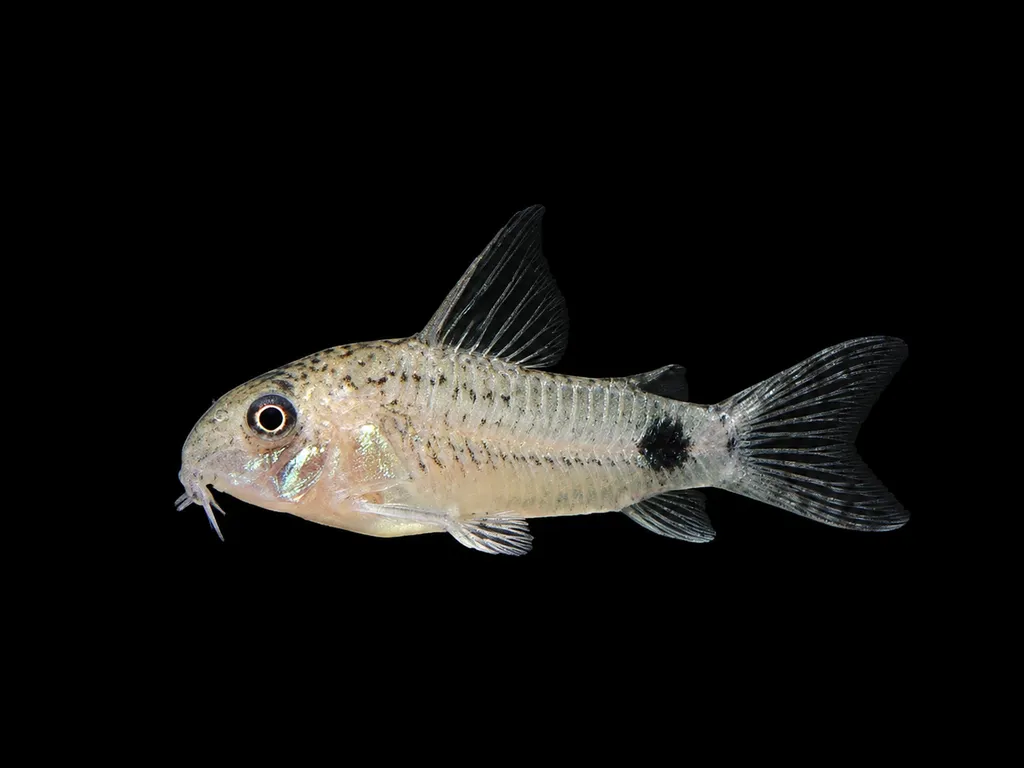
Hoplisoma ortegai
Also known as Corydoras ortegai, Loreto panda cory
FreshwaterFish
Care at a glance
- Temperature
- 73–81°F
- 23–27°C
- pH
- 5.8–7.2
- Adult size
- 2 in
- 5 cm
- Minimum tank
- 16 gal
- 60 L
- Temperament
- Peaceful
- Social behavior
- Shoaling
- Swim level
- Bottom
- Difficulty
- Medium
- Breeding
- Egg depositor · Hard
- Rarity
- Rare
- Family
- Callichthyidae
- Origin
- Lower Rio Putumayo drainage, Loreto, Peru
Overview
Ortega's cory is a peaceful Peruvian shoaler for the bottom of a community tank. It is rarer than the panda cory and best with a little experience.
Did you know
Ortega's cory is the panda cory's dressed-up double from a different Peruvian river. Shops that receive both in one shipment routinely mix the bags.
Caring for the Ortega's cory
Keep Ortega's cories in a group of six or more, in a tank of at least 16 gal (60 L). Give them fine, smooth sand, some leaf cover and a clean, gentle flow.
Ortega's cories like warmer water than panda cories do. Keep them at 73 to 81°F (23 to 27°C) and a pH of 5.8 to 7.2. They feed without fuss on sinking prepared foods and frozen foods.
They are peaceful and a natural match for Peruvian tetras and apistos. They breed like panda cories, laying eggs on the glass after cool water changes. Spawns are reported far less often, and breeding them is hard.
Good to know
Britto, Lima and Hidalgo described Ortega's cory in 2007 and named it for the Peruvian ichthyologist Hernan Ortega. It stands as Hoplisoma ortegai in the 2024 revision. The hobby calls it the Loreto panda, for the black eye mask and tail-base blotch on its peach body. It is a bolder-nosed cousin of the true panda cory.
In the wild
Ortega's cory comes from the lower Putumayo drainage in Loreto, northeastern Peru. It shoals over sand and leaf litter in soft, warm forest streams.
Weekly picks
Tank mates
The Ortega's cory is a peaceful, shoaling species that keeps to the bottom. These picks share a community profile with it, are safe together in both directions, and overlap on water type, temperature and pH.
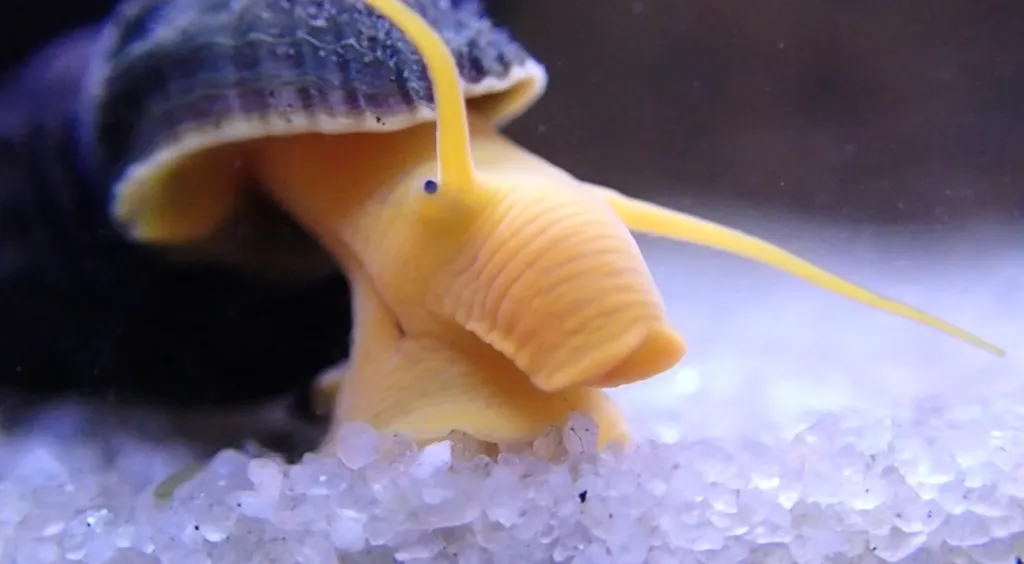
Gold rabbit snail
Tylomelania gemmifera
Freshwater2.8 in (7 cm) · 16 gal (60 L)75–82°F (24–28°C)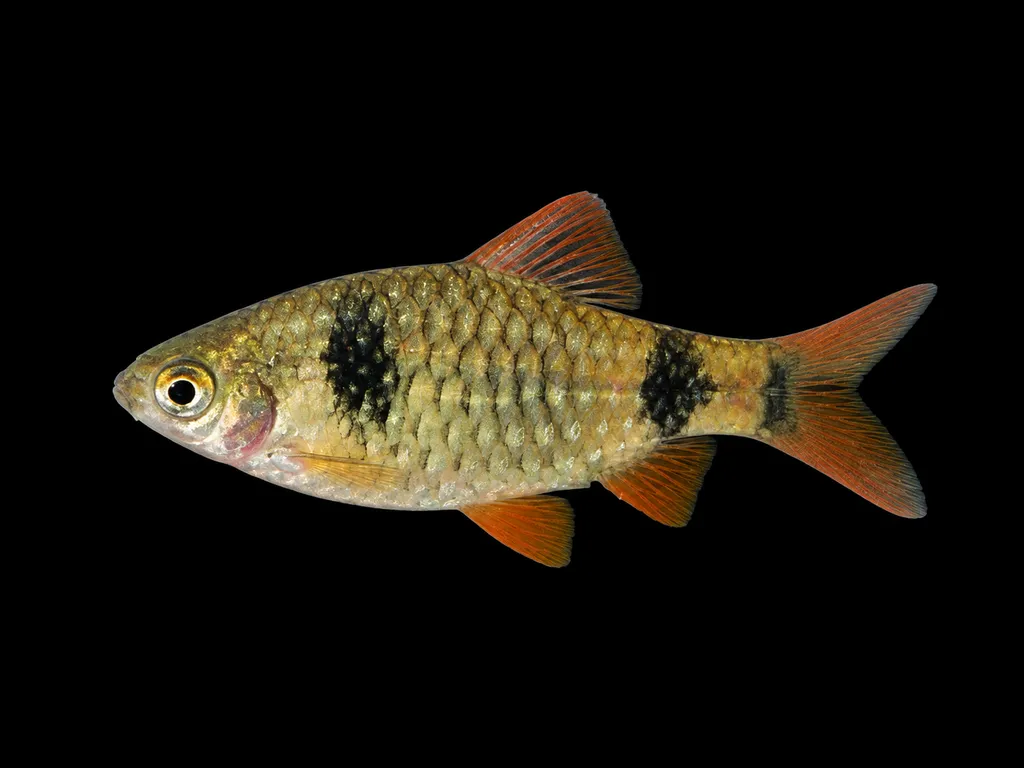
Cuming's barb
Pethia cumingii
Freshwater2 in (5 cm) · 16 gal (60 L)72–81°F (22–27°C)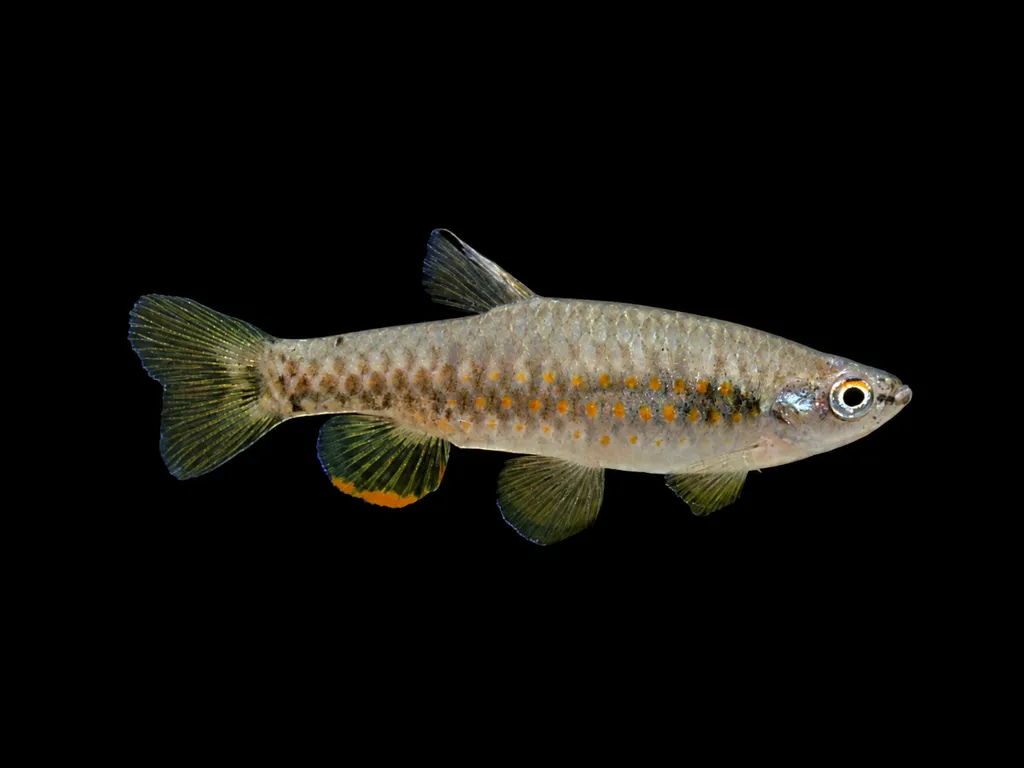
Fanning characin
Pyrrhulina rachoviana
Freshwater2 in (5 cm) · 16 gal (60 L)68–79°F (20–26°C)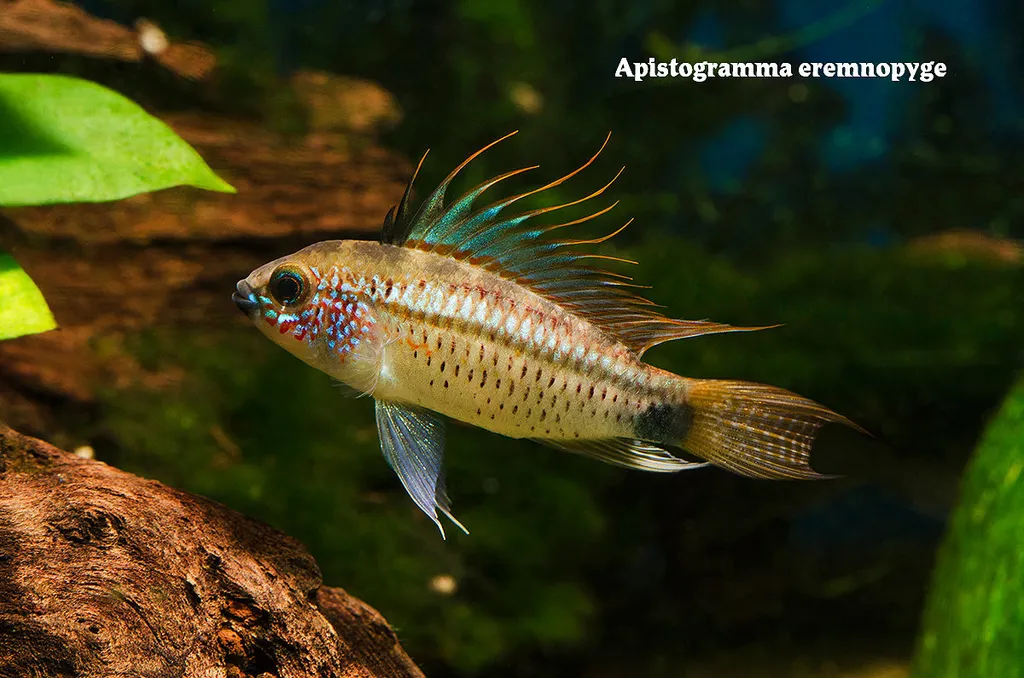
Fire-tail dwarf cichlid
Apistogramma eremnopyge
Freshwater1.8 in (4.5 cm) · 16 gal (60 L)73–81°F (23–27°C)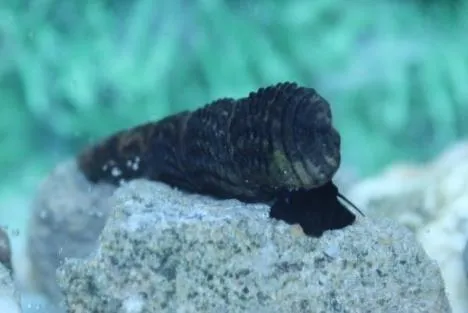
White spotted rabbit snail
Tylomelania towutica
Freshwater4.3 in (11 cm) · 16 gal (60 L)75–84°F (24–29°C)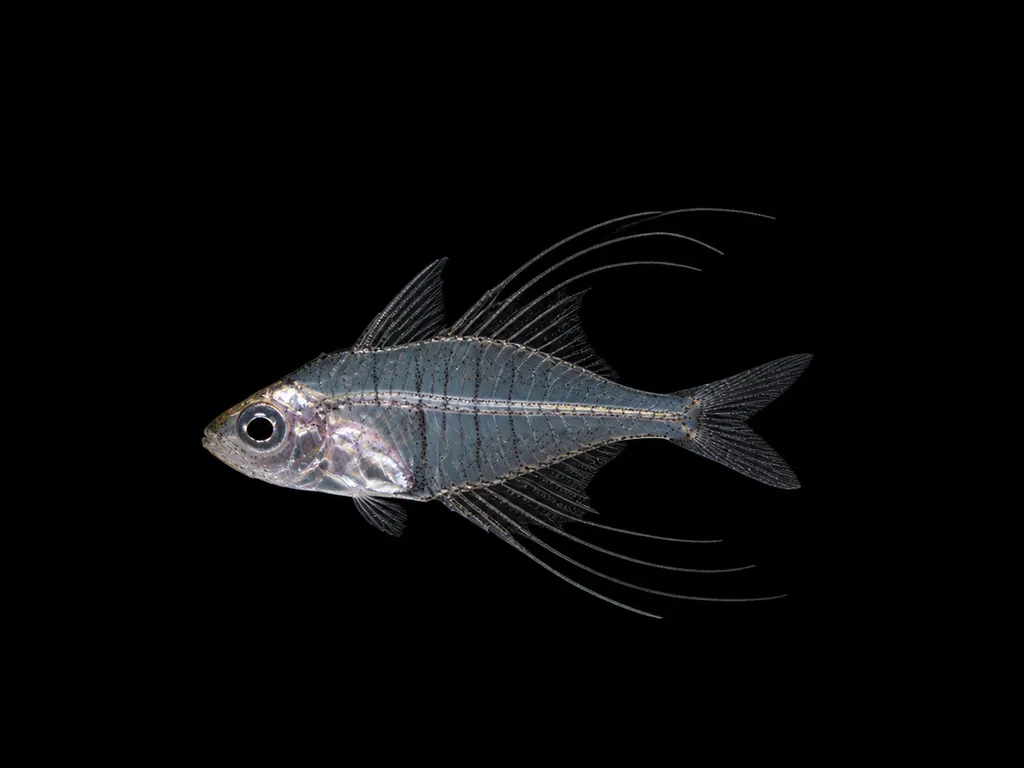
Threadfin glassfish
Gymnochanda filamentosa
Freshwater1.6 in (4 cm) · 16 gal (60 L)73–81°F (23–27°C)
Common questions
What size tank does an Ortega's cory need?
An Ortega's cory needs at least 16 gal (60 L). It spends most of its time in the bottom.
What temperature and pH does an Ortega's cory need?
An Ortega's cory is comfortable at 73–81°F (23–27°C) with a pH of 5.8–7.2.
What does an Ortega's cory eat?
An Ortega's cory feeds without fuss on sinking prepared foods and frozen foods.
How big does an Ortega's cory get?
An adult Ortega's cory reaches about 2 in (5 cm).
Does an Ortega's cory need a group?
Yes. An Ortega's cory is a shoaling species and should be kept in a group, not singly.
How does an Ortega's cory breed?
Ortega's cories lay their eggs on the glass after cool water changes, in the same pattern as panda cories. Spawns are reported far less often, and breeding them is hard.
Related species
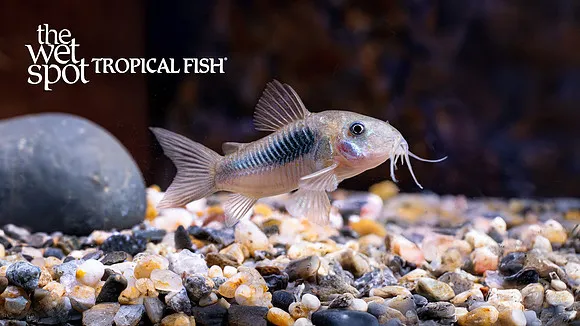 2 in (5 cm)15 gal (55 L)70–79°F (21–26°C)
Blackstripe cory
Hoplisoma bondi
2 in (5 cm) · 15 gal (55 L)
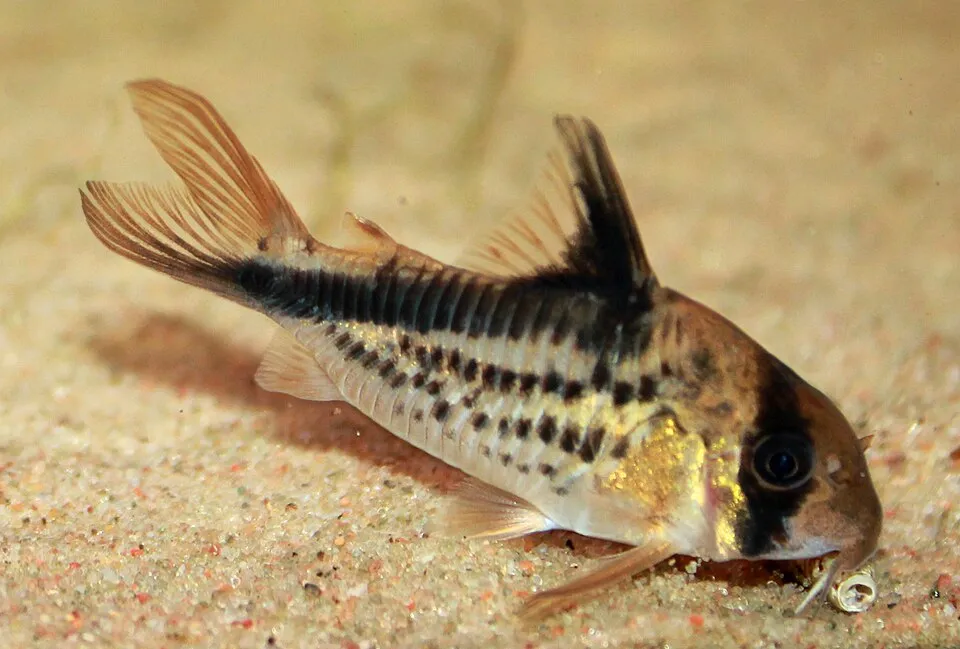 2 in (5 cm)16 gal (60 L)70–75°F (21–24°C)
Dirty bandit cory
Hoplisoma loxozonum
2 in (5 cm) · 16 gal (60 L)
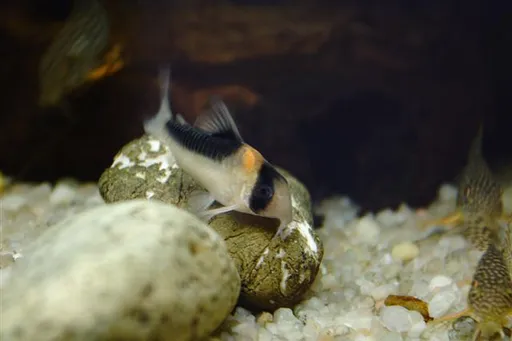 2 in (5 cm)20 gal (75 L)72–79°F (22–26°C)
Duplicate cory
Hoplisoma duplicareum
2 in (5 cm) · 20 gal (75 L)
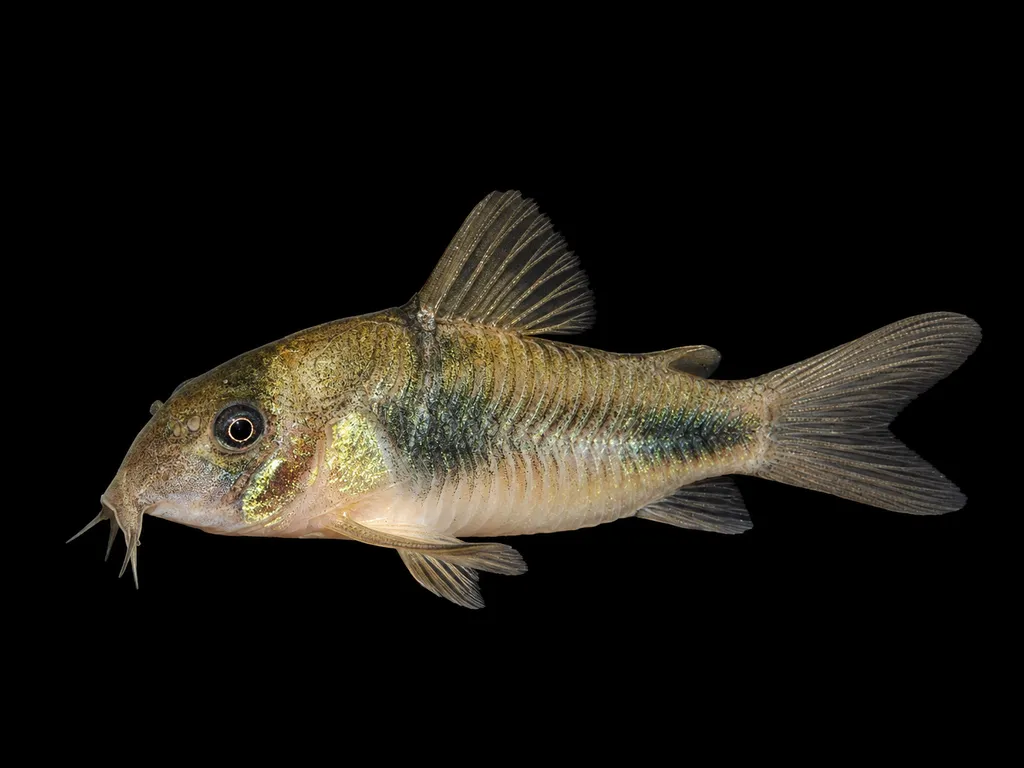 2 in (5 cm)16 gal (60 L)66–77°F (19–25°C)
Ehrhardt's cory
Hoplisoma ehrhardti
2 in (5 cm) · 16 gal (60 L)
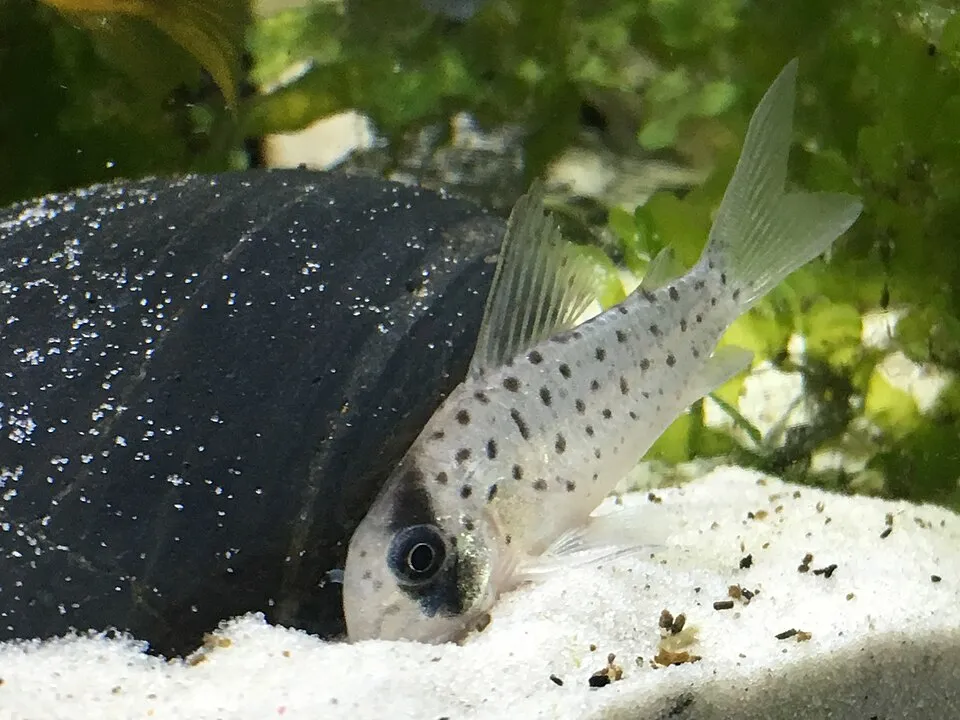 2 in (5 cm)16 gal (60 L)70–81°F (21–27°C)
Fairy cory
Hoplisoma atropersonatum
2 in (5 cm) · 16 gal (60 L)
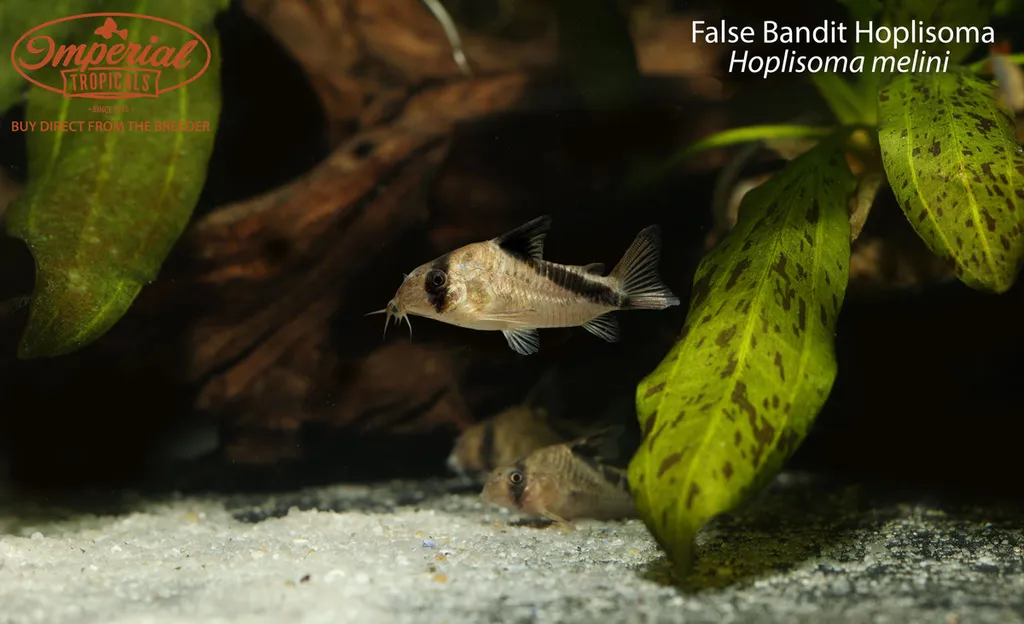 2 in (5 cm)16 gal (60 L)72–79°F (22–26°C)
False bandit cory
Hoplisoma melini
2 in (5 cm) · 16 gal (60 L)