Tukano cory
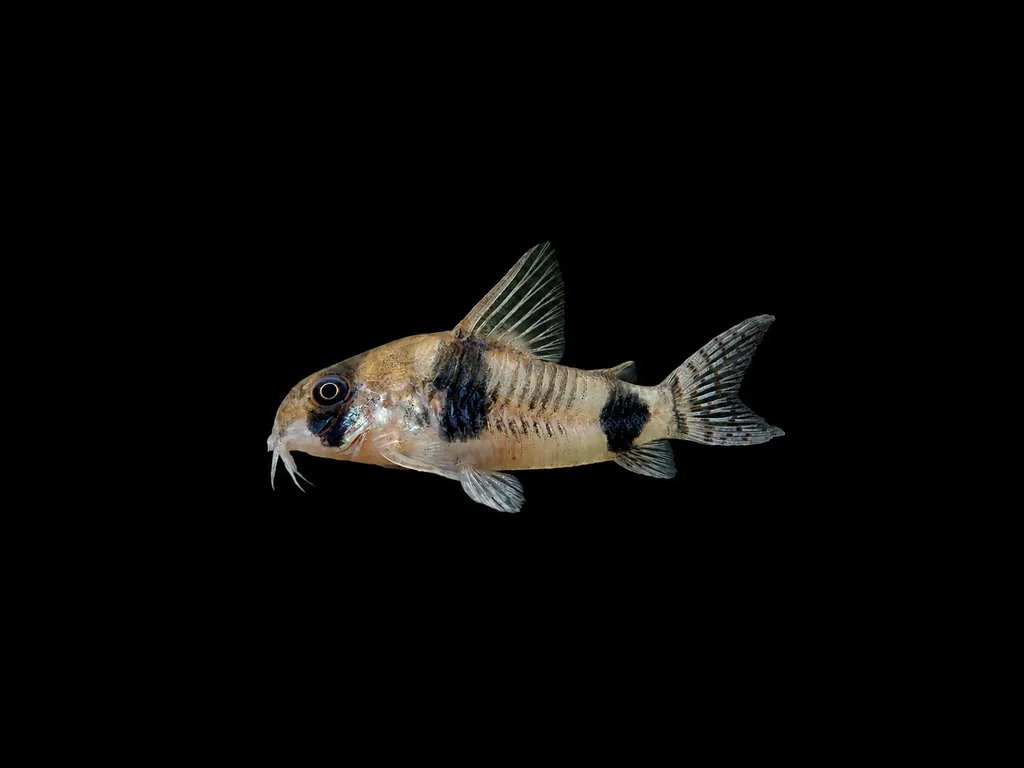
Hoplisoma tukano
Also known as Corydoras tukano, C64
FreshwaterFish
Care at a glance
- Temperature
- 75–82°F
- 24–28°C
- pH
- 5.2–6.8
- Adult size
- 2 in
- 5 cm
- Minimum tank
- 16 gal
- 60 L
- Temperament
- Peaceful
- Social behavior
- Shoaling
- Swim level
- Bottom
- Difficulty
- Medium
- Breeding
- Medium
- Rarity
- Rare
- Family
- Callichthyidae
- Origin
- Rio Tiquie, upper Rio Negro drainage, Amazonas, Brazil
Overview
The Tukano cory is a peaceful cory that shoals along the bottom of a soft-water community tank. It is a step up from the easiest fish.
Did you know
The Tukano communities of its home river helped researchers monitor this cory. It was one of the first cories whose trade was studied with the people who actually catch it.
Caring for the Tukano cory
Keep Tukano cories in a group of six or more, in a tank of 16 gal (60 L) or larger. Give them a bottom of fine sand with some leaves and shade. They are safe with other peaceful community fish.
They need soft, acidic water at 75 to 82°F (24 to 28°C), with a pH of 5.2 to 6.8. They eat sinking prepared and frozen foods eagerly.
Tukano cories have been bred repeatedly in captivity. Soft, acidic water and cool water changes are the trigger for spawning, and breeding them is a moderate challenge. Captive breeding takes pressure off the wild populations in the Tiquie.
Good to know
The Tukano cory was described in 2003 by Britto and Lima, who named it for the Tukano people of the Tiquie. Before that, it had circulated in the hobby as C64. The 2024 revision lists it as Hoplisoma tukano. Its warm orange body with bold black saddles makes it one of the prettiest cories of the Rio Negro.
In the wild
The Tukano cory comes from the Rio Tiquie in the upper Rio Negro system of Amazonas, Brazil. This blackwater river flows through indigenous Tukano territory. There the cory shoals over sand and litter in warm, soft, acidic water.
Weekly picks
Tank mates
The Tukano cory is a peaceful, shoaling species that keeps to the bottom. These picks share a community profile with it, are safe together in both directions, and overlap on water type, temperature and pH.
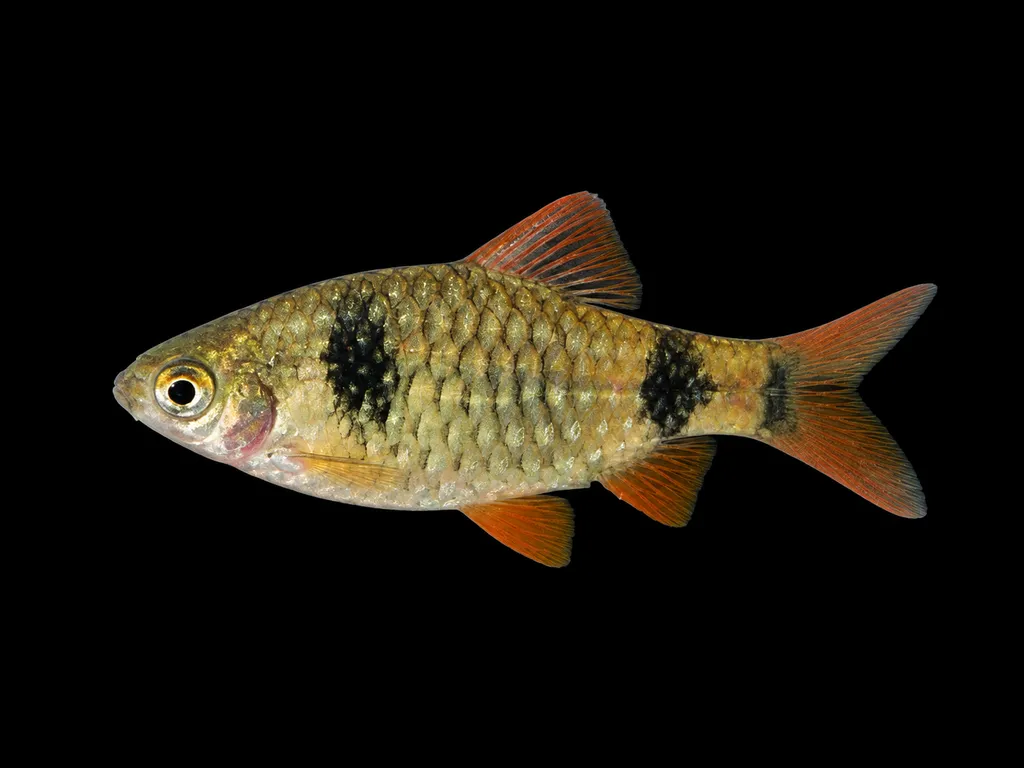
Cuming's barb
Pethia cumingii
Freshwater2 in (5 cm) · 16 gal (60 L)72–81°F (22–27°C)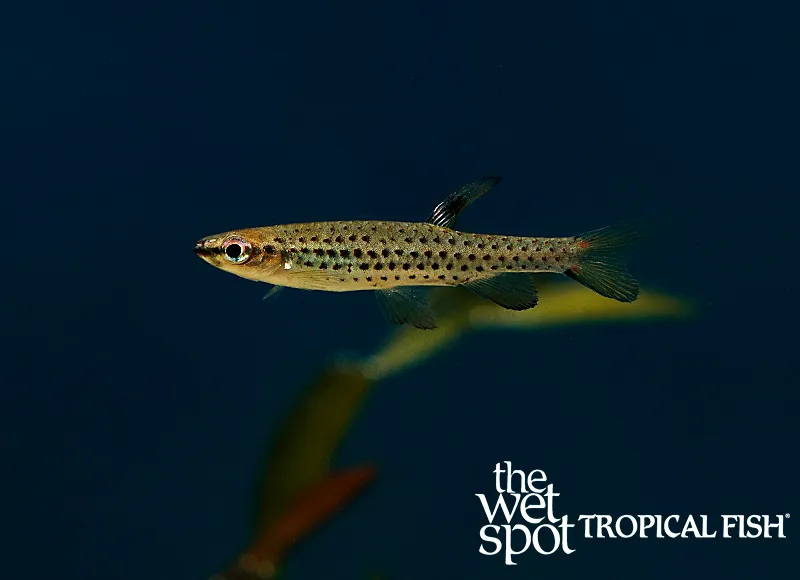
Spotted splash tetra
Copella nattereri
Freshwater2 in (5 cm) · 16 gal (60 L)75–82°F (24–28°C)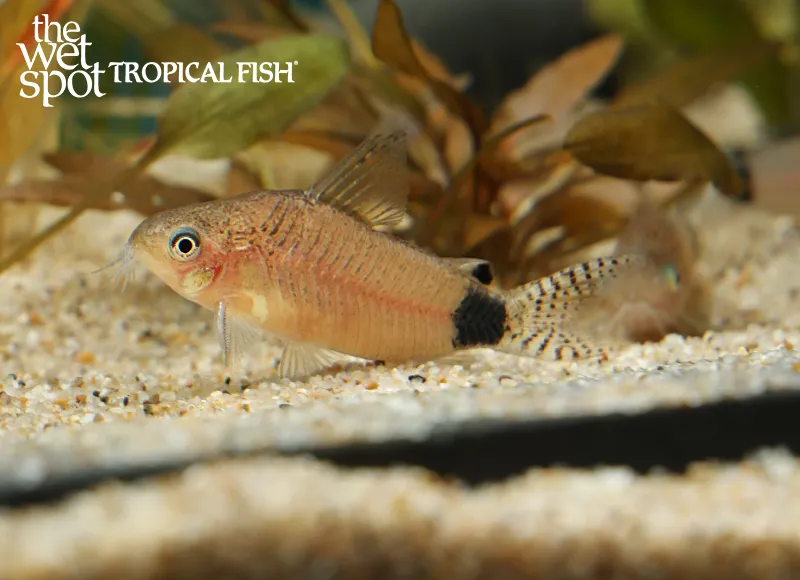
Guapore cory
Gastrodermus guapore
Freshwater2 in (5 cm) · 16 gal (60 L)72–82°F (22–28°C)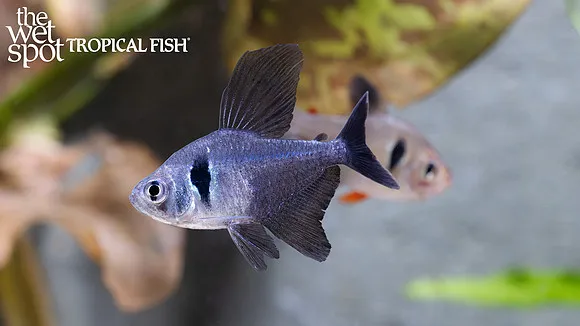
Epicharis tetra
Hyphessobrycon epicharis
Freshwater1.6 in (4 cm) · 16 gal (60 L)73–82°F (23–28°C)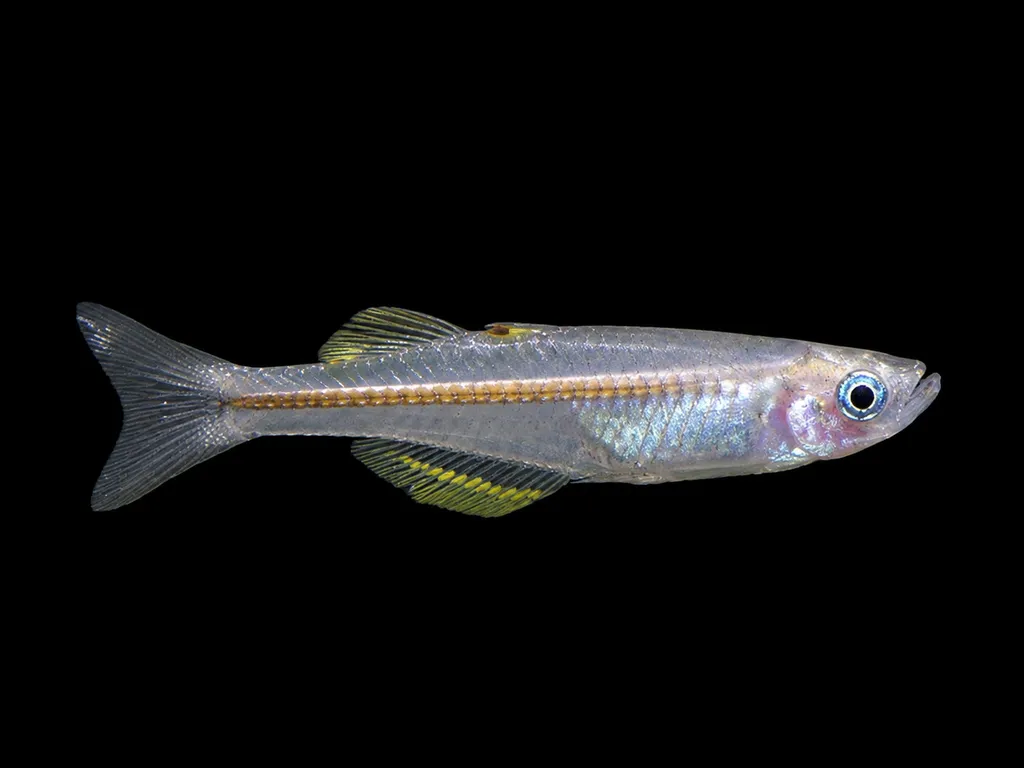
New Guinea blue-eye
Pseudomugil novaeguineae
Freshwater1.8 in (4.5 cm) · 15 gal (55 L)79–86°F (26–30°C)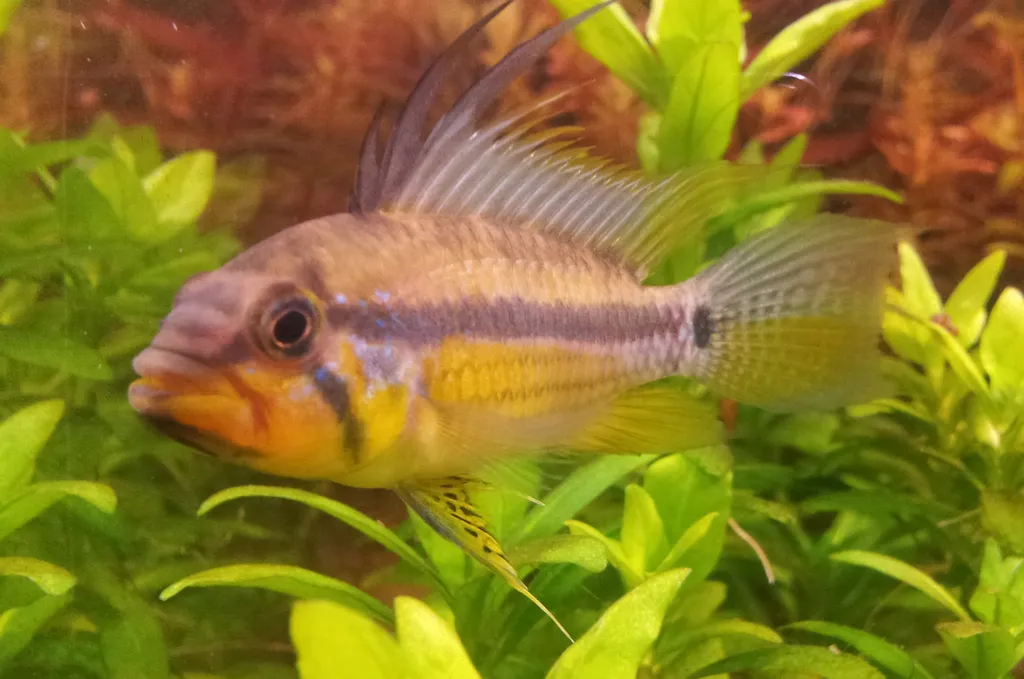
Allpahuayo dwarf cichlid
Apistogramma allpahuayo
Freshwater2 in (5 cm) · 16 gal (60 L)75–82°F (24–28°C)
Common questions
What size tank does a Tukano cory need?
A Tukano cory needs at least 16 gal (60 L). It spends most of its time in the bottom.
What temperature and pH does a Tukano cory need?
A Tukano cory is comfortable at 75–82°F (24–28°C) with a pH of 5.2–6.8.
What does a Tukano cory eat?
A Tukano cory eats sinking prepared and frozen foods, and it takes them eagerly.
How big does a Tukano cory get?
An adult Tukano cory reaches about 2 in (5 cm).
Does a Tukano cory need a group?
Yes. A Tukano cory is a shoaling species and should be kept in a group, not singly.
How does a Tukano cory breed?
Tukano cories have been bred repeatedly in captivity, and breeding them is a moderate challenge. Soft, acidic water and cool water changes trigger them to spawn.
Related species
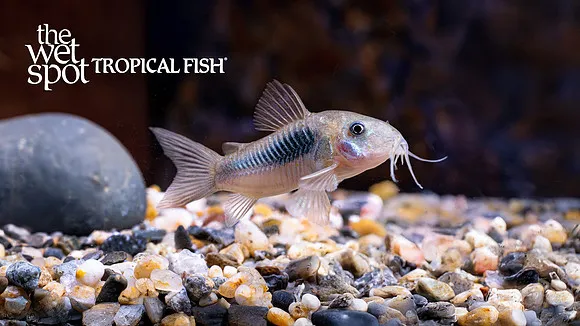 2 in (5 cm)15 gal (55 L)70–79°F (21–26°C)
Blackstripe cory
Hoplisoma bondi
2 in (5 cm) · 15 gal (55 L)
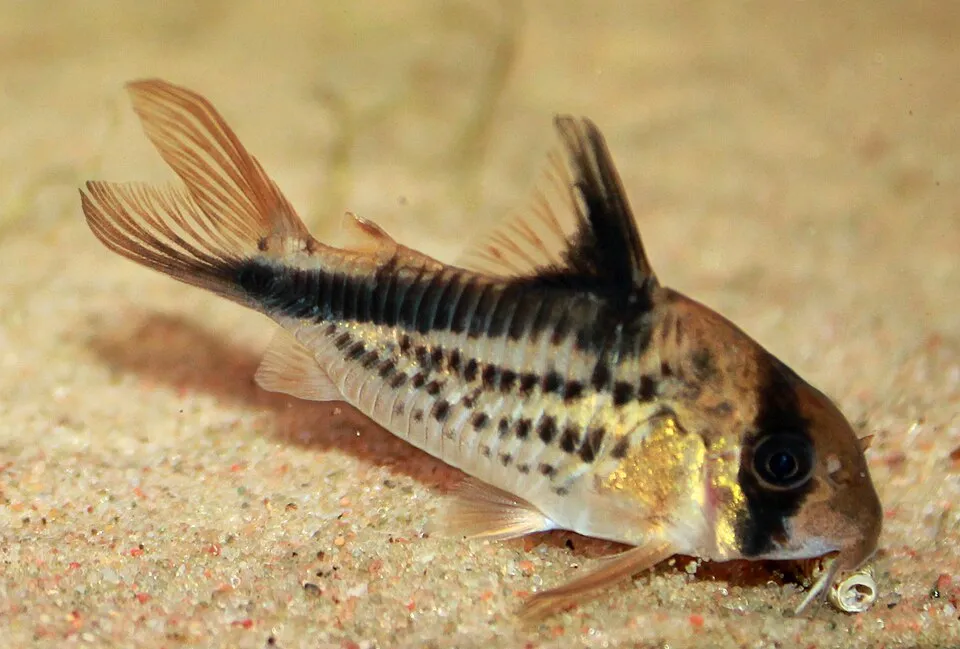 2 in (5 cm)16 gal (60 L)70–75°F (21–24°C)
Dirty bandit cory
Hoplisoma loxozonum
2 in (5 cm) · 16 gal (60 L)
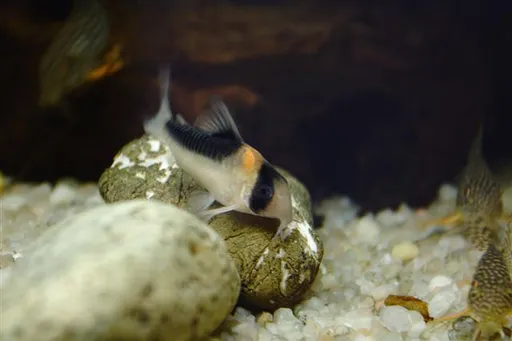 2 in (5 cm)20 gal (75 L)72–79°F (22–26°C)
Duplicate cory
Hoplisoma duplicareum
2 in (5 cm) · 20 gal (75 L)
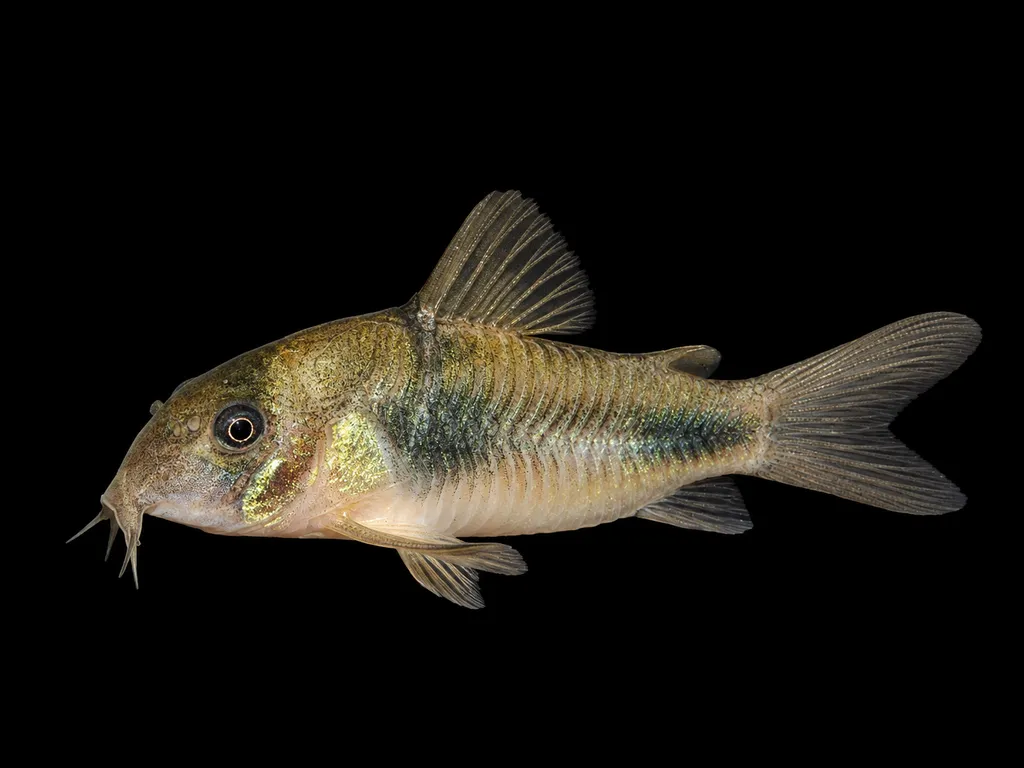 2 in (5 cm)16 gal (60 L)66–77°F (19–25°C)
Ehrhardt's cory
Hoplisoma ehrhardti
2 in (5 cm) · 16 gal (60 L)
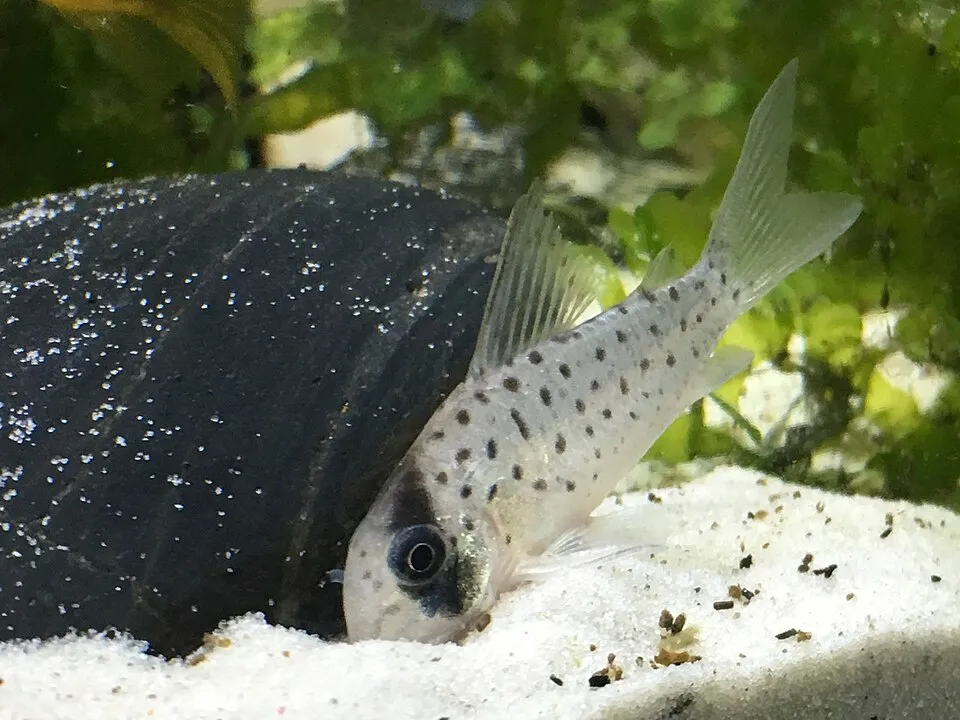 2 in (5 cm)16 gal (60 L)70–81°F (21–27°C)
Fairy cory
Hoplisoma atropersonatum
2 in (5 cm) · 16 gal (60 L)
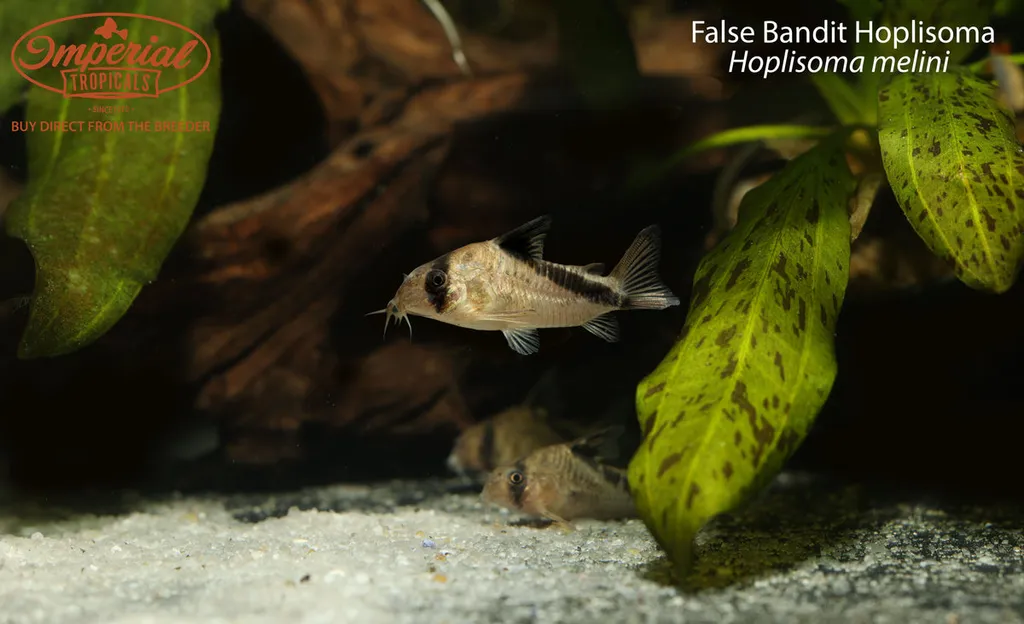 2 in (5 cm)16 gal (60 L)72–79°F (22–26°C)
False bandit cory
Hoplisoma melini
2 in (5 cm) · 16 gal (60 L)