Giant gourami
Osphronemus goramy
FreshwaterFish
Care at a glance
- Temperature
- 68–86°F
- 20–30°C
- pH
- 6.5–7.5
- Adult size
- 27.6 in
- 70 cm
- Minimum tank
- 125 gal
- 475 L
- Temperament
- Mostly peaceful
- Social behavior
- Social
- Tankmates
- With caution
- Swim level
- Middle
- Difficulty
- Medium
- Breeding
- No record
- Rarity
- Very rare
- Family
- Osphronemidae
- Origin
- South East Asia
Overview
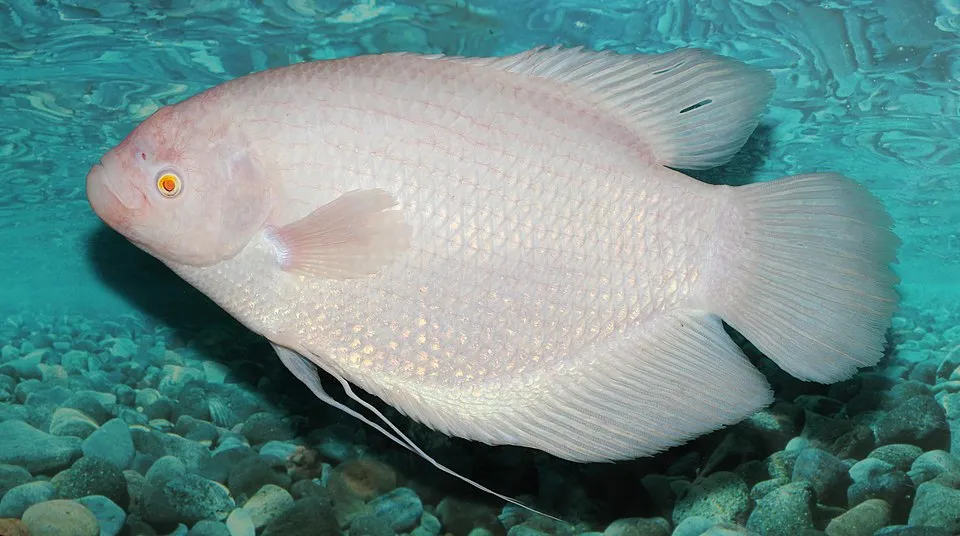
The giant gourami is exactly that, a huge, slow-moving fish that often becomes tame but needs enormous space. Young fish can be kept in a group, but adults are usually housed singly or as a pair, since a full-grown giant gourami is too big for most community tanks. It is mostly peaceful for its size but will eat small fish, so choose large, robust tankmates. It cruises the middle water and surfaces to breathe and to beg for food. Feed a varied diet including pellets, vegetables, fruit and occasional meaty foods, as adults eat a lot of plant matter. Plan for a very large tank of at least 475 liters, and realistically much more for a mature adult.
In the wild
Osphronemus goramy is native to Southeast Asia and is also widely farmed for food, living in warm, slow or still fresh waters such as large rivers, lakes and swamps. It is not fussy about decor, but a big tank with smooth wood, a soft substrate and robust or artificial plants suits it, since it may nibble soft greenery. Keep the temperature between 20 and 30 degrees Celsius and the pH from 6.5 to 7.5. As an air-breather it needs a warm, humid gap under the lid, and its sheer size means strong filtration and generous water changes.
Good to know
The giant gourami is the largest member of the gourami family Osphronemidae, reaching around 70 centimeters. Young fish have a pointed snout and bold banding, while old adults develop a deep body and a pronounced bulging forehead. It builds a large nest from plant material rather than a simple bubble nest, and both parents may tend the young, though home breeding is seldom recorded because of the space required. It is an important food and pond fish across much of Southeast Asia.
Did you know
Giant gouramis are among the largest of all labyrinth fish and can live for two decades or more. Old individuals develop a swollen, almost humped forehead and a heavy body, and many become tame enough to take food from their keeper's hand.
Common questions
What size tank does a Giant gourami need?
A Giant gourami needs at least 125 gal (475 L). It spends most of its time in the middle.
What temperature and pH does a Giant gourami need?
A Giant gourami is comfortable at 68–86°F (20–30°C) with a pH of 6.5–7.5.
How big does a Giant gourami get?
An adult Giant gourami reaches about 27.6 in (70 cm).
Related species
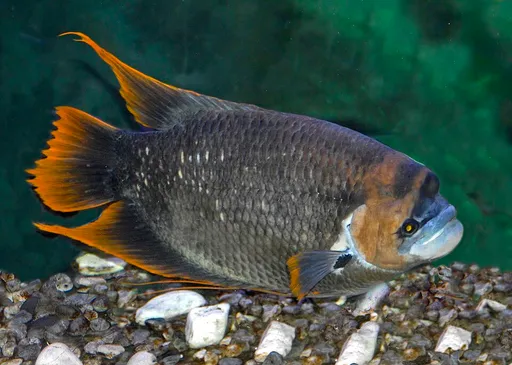 19.7 in (50 cm)264 gal (1,000 L)68–86°F (20–30°C)
Giant red tail gourami
Osphronemus laticlavius
19.7 in (50 cm) · 264 gal (1,000 L)
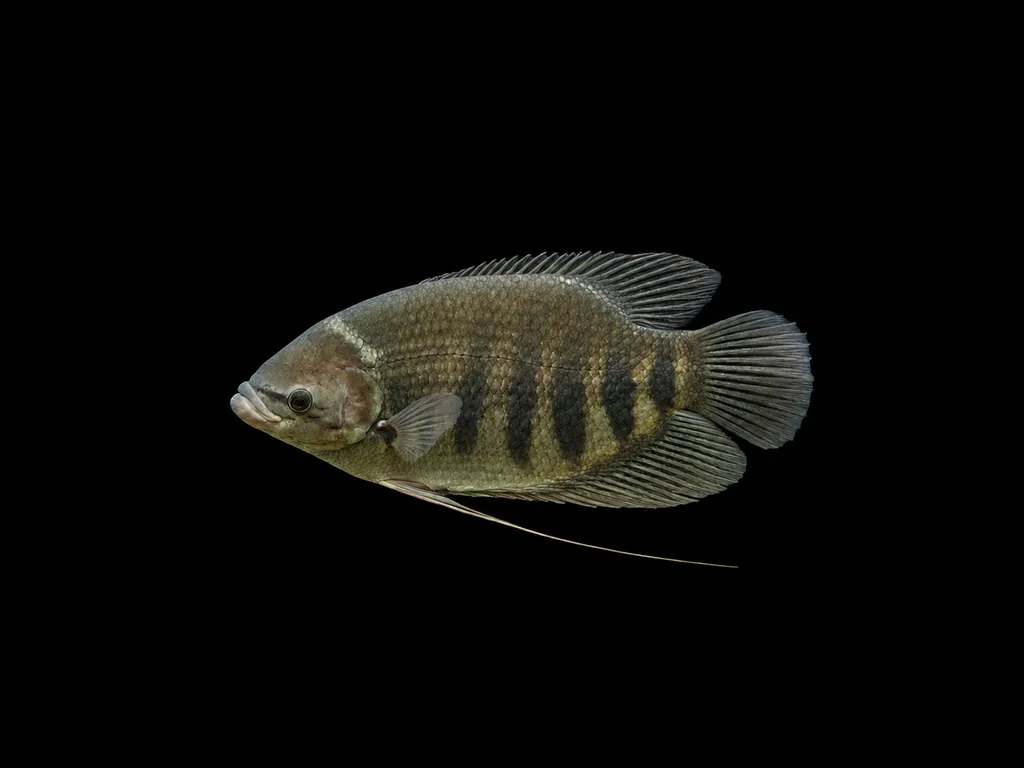 19.7 in (50 cm)264 gal (1,000 L)72–82°F (22–28°C)
Seven-banded giant gourami
Osphronemus septemfasciatus
19.7 in (50 cm) · 264 gal (1,000 L)
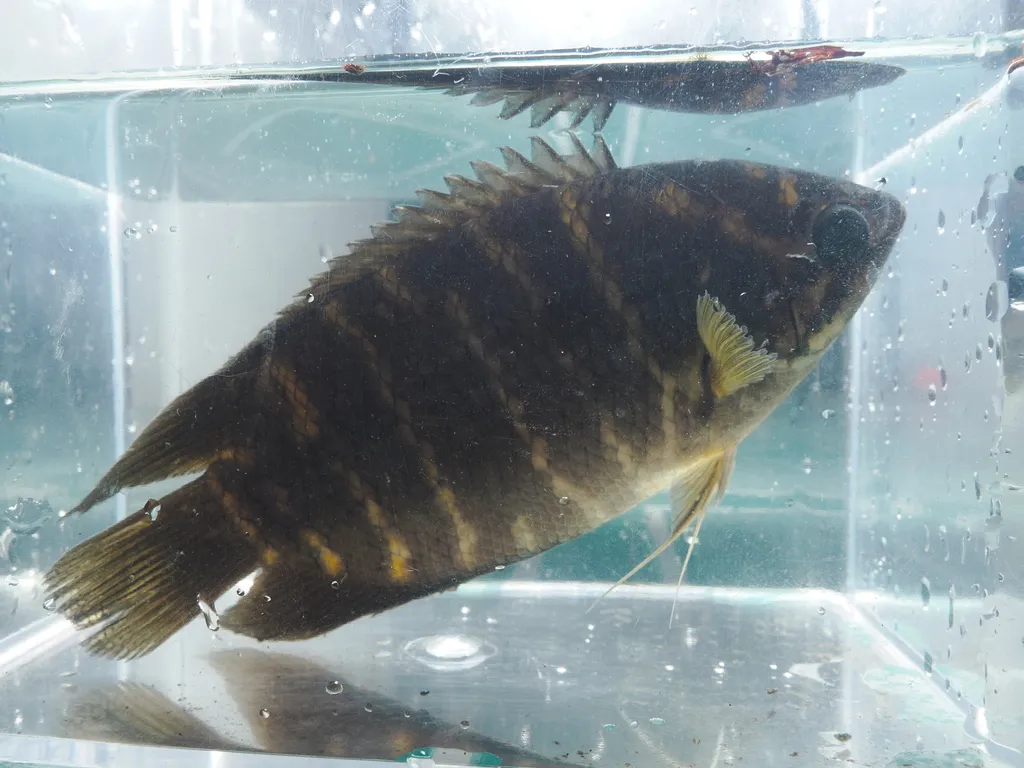 7.9 in (20 cm)45 gal (170 L)70–79°F (21–26°C)
Malay combtail gourami
Belontia hasselti
7.9 in (20 cm) · 45 gal (170 L)
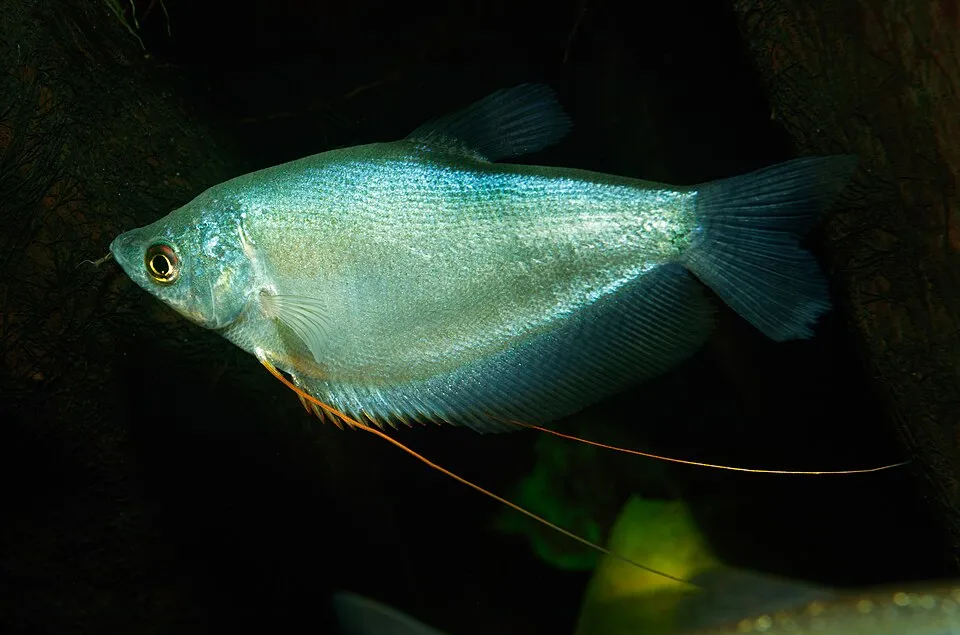 5.9 in (15 cm)30 gal (115 L)77–86°F (25–30°C)
Moonlight gourami
Trichopodus microlepis
5.9 in (15 cm) · 30 gal (115 L)
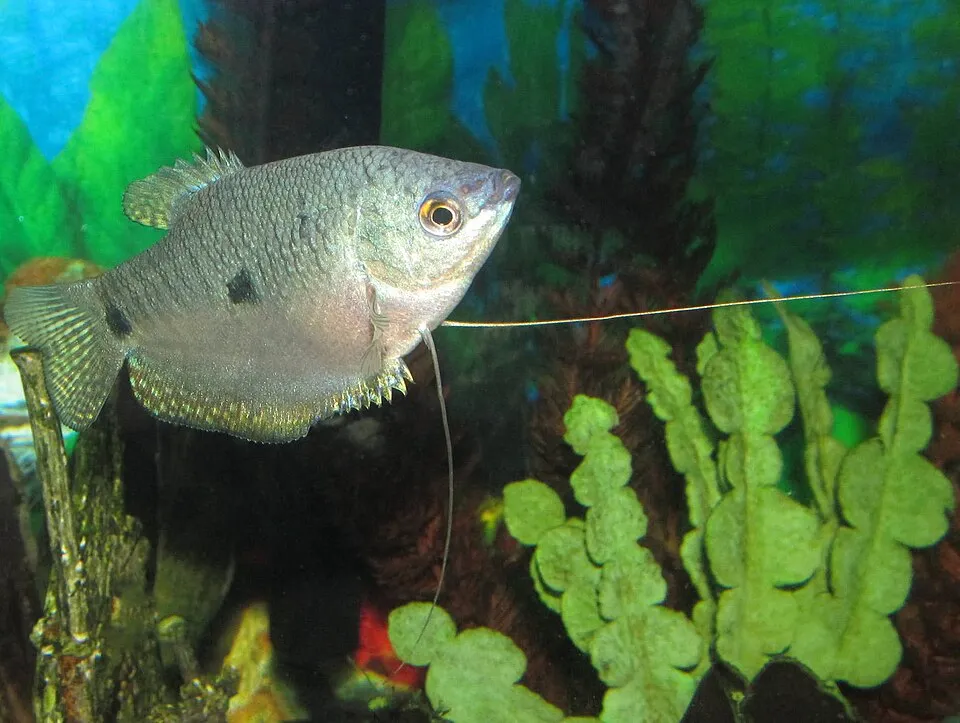 5.1 in (13 cm)30 gal (115 L)75–86°F (24–30°C)
Three spot gourami
Trichopodus trichopterus
5.1 in (13 cm) · 30 gal (115 L)
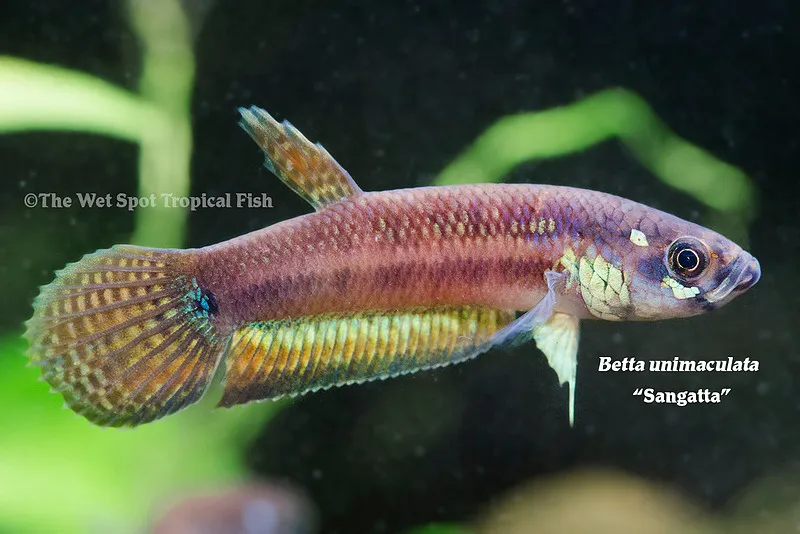 4.5 in (11.5 cm)29 gal (110 L)70–79°F (21–26°C)
One-spot betta
Betta unimaculata
4.5 in (11.5 cm) · 29 gal (110 L)