Giant pikehead
Luciocephalus pulcher
Also known as Crocodile pikehead
FreshwaterFish
Care at a glance
- Temperature
- 72–79°F
- 22–26°C
- pH
- 6.0–7.5
- Adult size
- 7.9 in
- 20 cm
- Minimum tank
- 36 gal
- 135 L
- Temperament
- Aggressive
- Social behavior
- Solitary
- Tankmates
- With caution
- Swim level
- Middle
- Diet
- Carnivore
- Difficulty
- Difficult
- Breeding
- Mouthbrooder
- Rarity
- Very rare
- Family
- Osphronemidae
- Origin
- Thailand, Malaysia, Indonesia
Overview
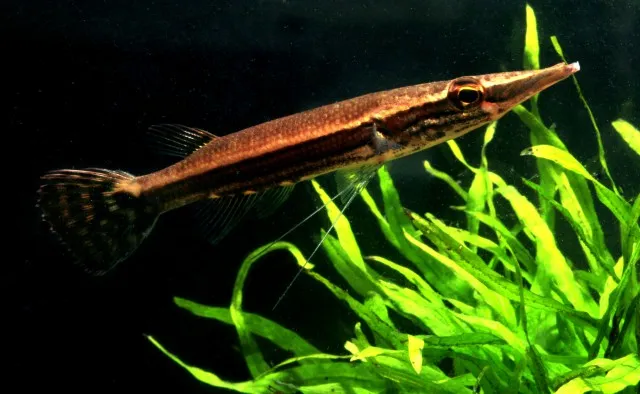
The giant pikehead is a specialized ambush predator for a quiet, heavily planted tank. It is a challenging fish, best left to experienced keepers.
Did you know
The giant pikehead has one of the most extendable mouths of any freshwater fish. It can project its jaws forward like a telescope to snatch prey in an instant.
Caring for the giant pikehead
Keep the giant pikehead in a quiet, well-planted tank of at least 36 gal (135 L), with a tight lid and subdued light. Give it plenty of plants and wood to hang among, plus leaf litter and a dark substrate. Soft, tannin-rich water and a calm, shaded tank help this nervous predator settle and feed.
Hold the pH acidic to neutral, at 6.0 to 7.5, and the temperature at 72 to 79°F (22 to 26°C). It usually refuses dry food, so be ready to supply live and fresh meaty foods such as river shrimp and earthworm pieces. At first it may need live fish or shrimp until you can wean it onto dead foods.
The giant pikehead hangs motionless in the middle of the tank among plants and wood, angled head-down, then shoots forward to seize prey. It is an aggressive ambush predator but fine in a group of its own kind. Keep other fish out unless they are far too large to be eaten. It is easily out-competed and stressed, which is what makes it hard to keep.
The giant pikehead is a paternal mouthbrooder, with the male incubating the eggs. Aquarium breeding is rarely recorded.
Good to know
The giant pikehead is an unusual member of the gourami family Osphronemidae, placed in its own subfamily. Everything about it, from its slender, pike-like body to its jaws, is built around ambush hunting. It is also known as the crocodile pikehead.
In the wild
Luciocephalus pulcher comes from the peat swamps and blackwater streams of Thailand, Malaysia and Indonesia. The water there is soft, acidic and stained dark by tannins.
Common questions
What size tank does a giant pikehead need?
A giant pikehead needs at least 36 gal (135 L). It spends most of its time in the middle.
What temperature and pH does a giant pikehead need?
A giant pikehead is comfortable at 72–79°F (22–26°C) with a pH of 6.0–7.5.
What does a giant pikehead eat?
A giant pikehead eats live and fresh meaty foods, such as river shrimp and earthworm pieces, and usually refuses dry food. At first it may need live fish or shrimp until it is weaned onto dead foods.
How big does a giant pikehead get?
An adult giant pikehead reaches about 7.9 in (20 cm).
How does a giant pikehead breed?
The giant pikehead is a paternal mouthbrooder, and the male incubates the eggs. Breeding in aquariums is rarely recorded.
Related species
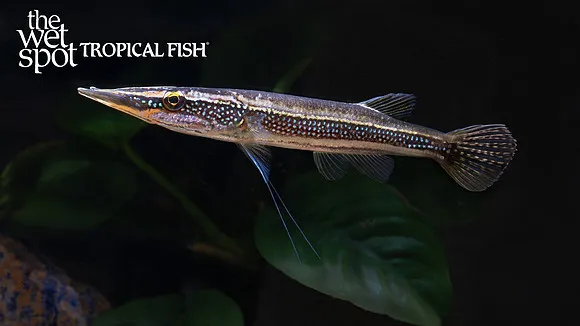 4.7 in (12 cm)29 gal (110 L)72–79°F (22–26°C)
Peppermint pikehead
Luciocephalus aura
4.7 in (12 cm) · 29 gal (110 L)
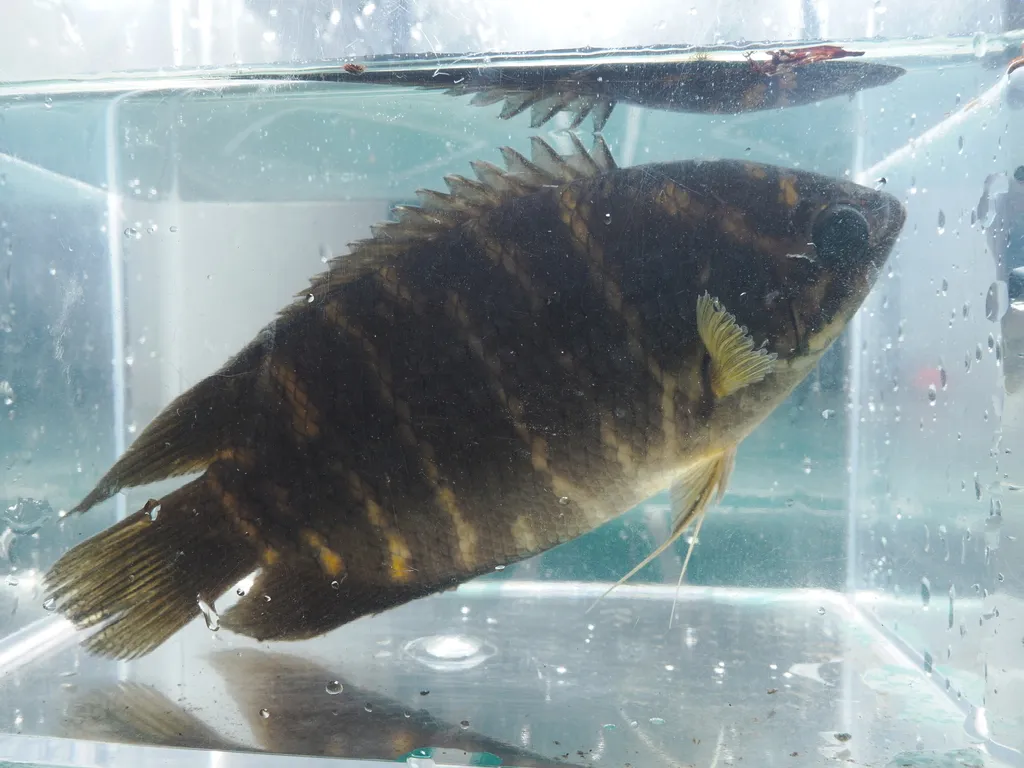 7.9 in (20 cm)45 gal (170 L)70–79°F (21–26°C)
Malay combtail gourami
Belontia hasselti
7.9 in (20 cm) · 45 gal (170 L)
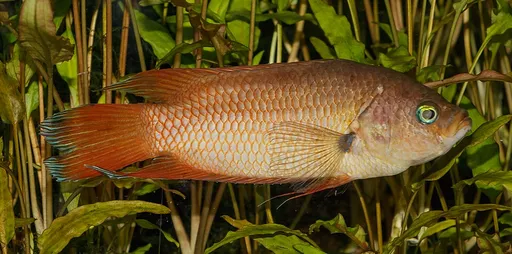 4.7 in (12 cm)53 gal (200 L)72–82°F (22–28°C)
Combtail gourami
Belontia signata
4.7 in (12 cm) · 53 gal (200 L)
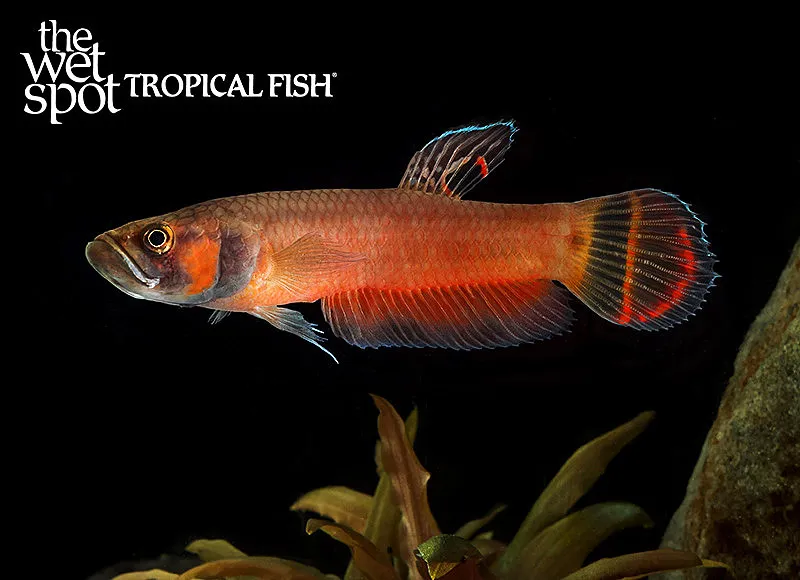 3.9 in (10 cm)20 gal (75 L)72–79°F (22–26°C)
Brunei beauty betta
Betta macrostoma
3.9 in (10 cm) · 20 gal (75 L)
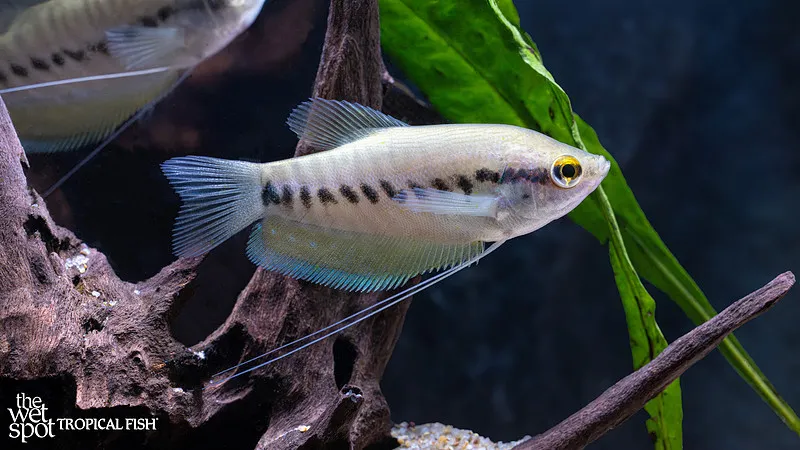 9.8 in (25 cm)61 gal (230 L)72–86°F (22–30°C)
Snakeskin gourami
Trichopodus pectoralis
9.8 in (25 cm) · 61 gal (230 L)
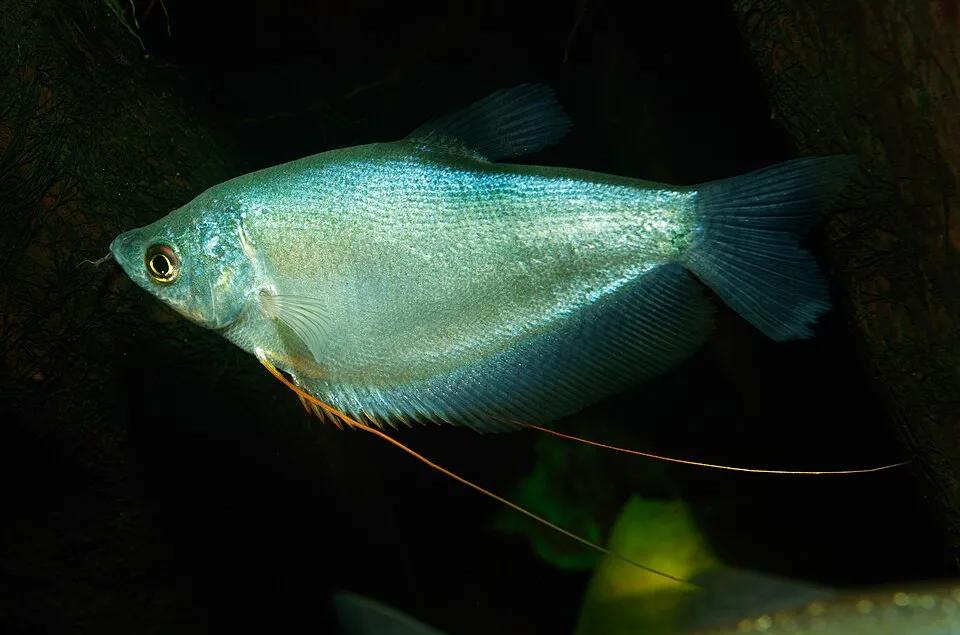 5.9 in (15 cm)30 gal (115 L)77–86°F (25–30°C)
Moonlight gourami
Trichopodus microlepis
5.9 in (15 cm) · 30 gal (115 L)