Giant feather duster
Sabellastarte spectabilis
Also known as Feather Duster, Feather Duster Worm, Fan Worm
SaltwaterInvertebrate
Care at a glance
- Temperature
- 75–81°F
- 24–27°C
- pH
- 8.1–8.4
- Adult size
- 5.9 in
- 15 cm
- Minimum tank
- 20 gal
- 75 L
- Temperament
- Peaceful
- Social behavior
- Solitary
- Swim level
- Bottom
- Difficulty
- Medium
- Breeding
- No record
- Rarity
- Very common
- Reef safe
- Reef safe
- Family
- Sabellidae
- Origin
- Indian Ocean and the Red Sea, with introduced populations now established in the Gulf of Mexico and around Hawaii
Overview
This is a peaceful, stationary filter feeder, not a photosynthetic animal, so it gets no energy from tank lighting and depends entirely on catching fine food out of the water with its crown. It is reef safe, since it never touches coral or tankmates, but it will not survive on a diet of nothing: feed phytoplankton or other very fine suspended foods regularly, and expect it to struggle in a brand new tank without an established plankton population. It reacts to any sudden shadow or vibration by yanking its crown into the tube in an instant, which is a normal defense, not a sign of a problem, though repeated disturbance or a stressed, nutrient-poor tank can make it shed the crown entirely. A dropped crown will usually regrow over several weeks if the worm itself is still alive in the tube. Keep it away from coral banded shrimp, arrow crabs, and any wrasse, triggerfish, or angelfish known to pick at worms.
In the wild
Giant feather dusters are native to the Indian Ocean and the Red Sea and have since turned up as an introduced species in the Gulf of Mexico and around Hawaii, most likely carried in on ship hulls or in ballast water. They live tucked into reef holes, rock crevices, and rubble, with just the crown extended into the current to feed. In the aquarium it needs a well-established reef with steady, moderate flow across the crown; place it low on the rockwork where it can extend fully without being blasted directly by a powerhead.
Good to know
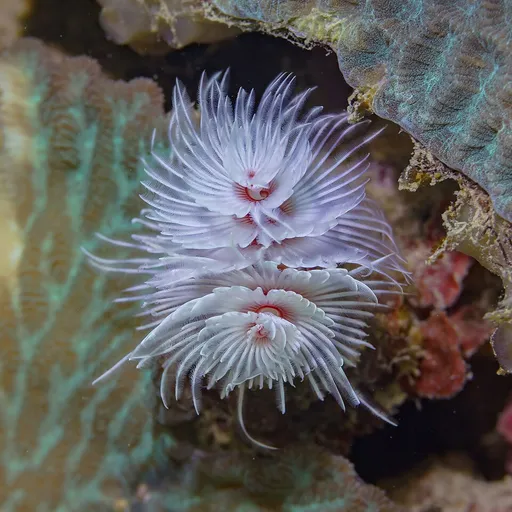
Sabellastarte spectabilis is a tube-dwelling polychaete worm in the family Sabellidae, building a tough, leathery tube coated in fine sediment that the worm never leaves. Only the branchial crown, a plume of feathery radioles banded in dark and pale brown, extends past the tube opening to feed and breathe. The species carries a tangled taxonomic history, having been sold and described for years under names like Sabellastarte sanctijosephi and S. indica before researchers settled on S. spectabilis as the valid name in 2003, and specimens sold simply as "giant feather duster" in the trade may still belong to any of several closely related Sabellastarte species.
Did you know
The crown it fans out to feed is not a separate organ so much as an extension of the worm's head, and if a fish bites it off, the worm can regrow a whole new one from the stump over the following weeks, so long as the body stays safe inside its tube.
Common questions
What size tank does a Giant feather duster need?
A Giant feather duster needs at least 20 gal (75 L). It spends most of its time in the bottom.
What temperature and pH does a Giant feather duster need?
A Giant feather duster is comfortable at 75–81°F (24–27°C) with a pH of 8.1–8.4.
How big does a Giant feather duster get?
An adult Giant feather duster reaches about 5.9 in (15 cm).
Related species
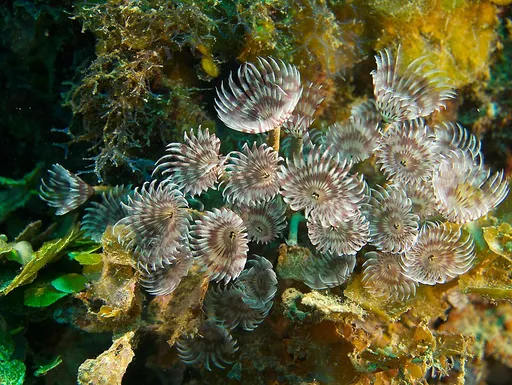 3.9 in (10 cm)11 gal (40 L)75–81°F (24–27°C)
Social feather duster
Bispira brunnea
3.9 in (10 cm) · 11 gal (40 L)
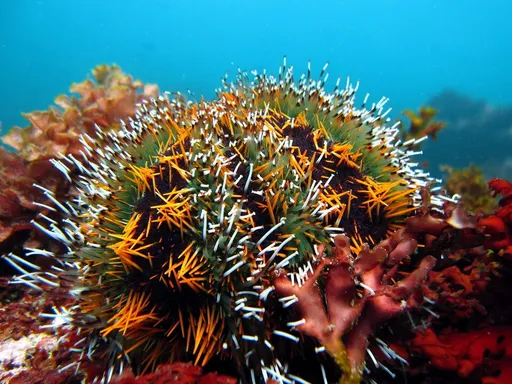 5.9 in (15 cm)20 gal (75 L)75–81°F (24–27°C)
Collector urchin
Tripneustes gratilla
5.9 in (15 cm) · 20 gal (75 L)
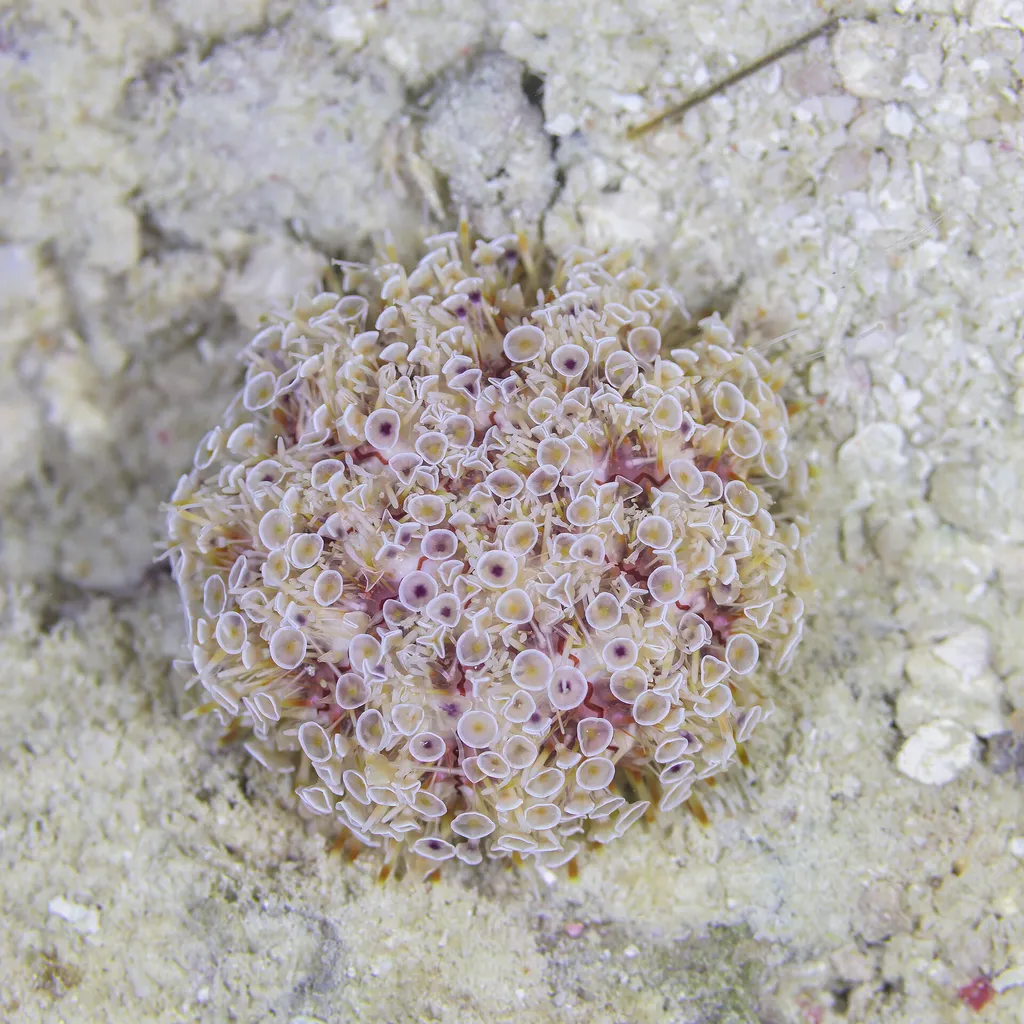 5.9 in (15 cm)100 gal (380 L)72–82°F (22–28°C)
Flower urchin
Toxopneustes pileolus
5.9 in (15 cm) · 100 gal (380 L)
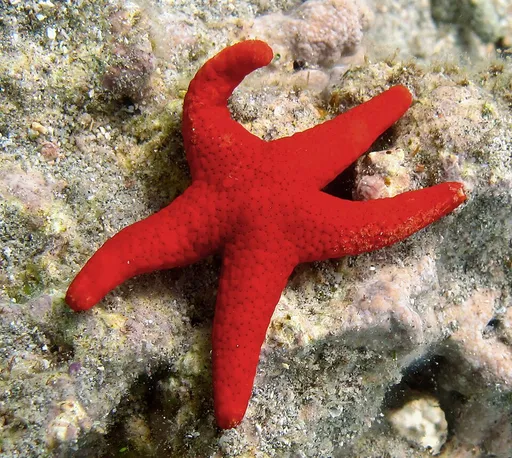 5.9 in (15 cm)40 gal (150 L)75–81°F (24–27°C)
Fromia star
Fromia milleporella
5.9 in (15 cm) · 40 gal (150 L)
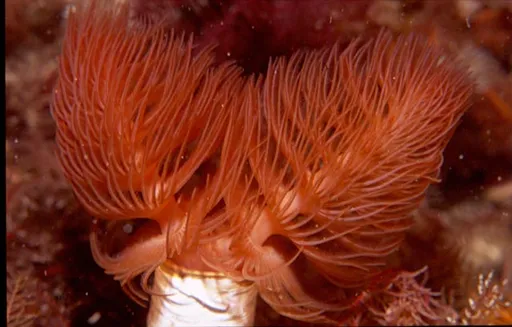 5.1 in (13 cm)20 gal (75 L)75–81°F (24–27°C)
Coco worm
Protula bispiralis
5.1 in (13 cm) · 20 gal (75 L)
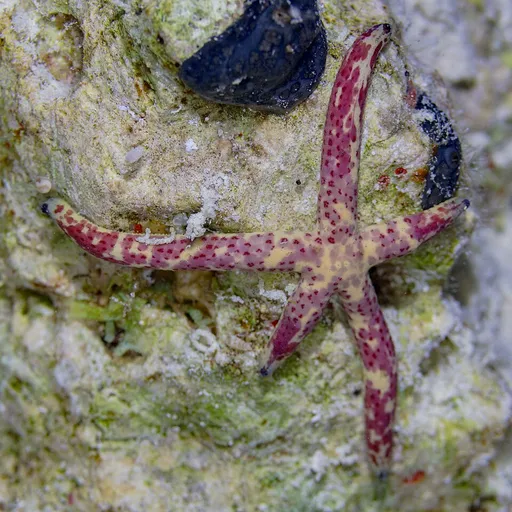 5.1 in (13 cm)53 gal (200 L)75–81°F (24–27°C)
Multicolor sea star
Linckia multifora
5.1 in (13 cm) · 53 gal (200 L)