Coco worm
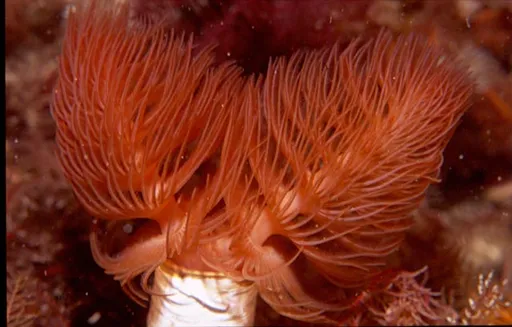
Protula bispiralis
Also known as Hard Tube Coco Worm, Hard-Tube Feather Duster, Red Fan Worm
SaltwaterInvertebrate
Care at a glance
- Temperature
- 75–81°F
- 24–27°C
- pH
- 8.1–8.4
- Adult size
- 5.1 in
- 13 cm
- Minimum tank
- 20 gal
- 75 L
- Temperament
- Peaceful
- Social behavior
- Solitary
- Swim level
- Bottom
- Difficulty
- Medium
- Breeding
- No record
- Rarity
- Rare
- Reef safe
- Reef safe
- Family
- Serpulidae
- Origin
- Indo-West Pacific reefs
Overview
A peaceful filter feeder that is reef safe with corals, fish, and other invertebrates, but demanding in almost every other respect, which is why most sources rate it for intermediate to experienced keepers rather than beginners. Because it has no operculum to seal itself in, never lift it out of the water upside down or let its tube drain dry, and keep handling to an absolute minimum. Feed it fresh or preserved phytoplankton every other day at minimum, released into the current rather than squirted directly onto the crown, which will just make it retract. Keep calcium, alkalinity, and magnesium at reef-tank levels, since a coco worm that cannot build tube fast enough will stall and decline. Watch for coral banded shrimp, arrow crabs, wrasses, and angelfish or butterflyfish that may pick at the exposed crown.
In the wild
Coco worms live on current-swept reef slopes and rubble zones across the Indo-West Pacific, cementing their tube to rock or dead coral. In the aquarium it needs a well-established system with a rock and gravel substrate, strong and stable water circulation to deliver food, and rock-solid water chemistry, since it draws heavily on calcium and alkalinity to keep extending its tube as it grows.
Good to know
Protula bispiralis is a tube-building polychaete in the family Serpulidae, distinct from the leathery-tubed feather dusters in family Sabellidae: it secretes a hard, white, calcareous tube up to 20 cm long rather than a soft mud-and-mucus one. Its crown carries up to 80 radioles per side arranged in a tight spiral of three whorls, a shape that develops gradually, since juveniles start out with a simpler two-lobed crown before the full spiral forms with age. Unlike many calcareous tube worms it has no operculum, the hard plug some relatives use to seal the tube opening, which is part of why it is so sensitive to being lifted out of the water or handled roughly.
Did you know
A young coco worm starts out with a simple two-lobed crown and only develops its showy tight spiral of up to 80 radioles per side as it matures, so the tightly coiled fan sold under this name is really just an adult wearing a more elaborate version of the same structure every juvenile has.
Common questions
What size tank does a Coco worm need?
A Coco worm needs at least 20 gal (75 L). It spends most of its time in the bottom.
What temperature and pH does a Coco worm need?
A Coco worm is comfortable at 75–81°F (24–27°C) with a pH of 8.1–8.4.
How big does a Coco worm get?
An adult Coco worm reaches about 5.1 in (13 cm).
Related species
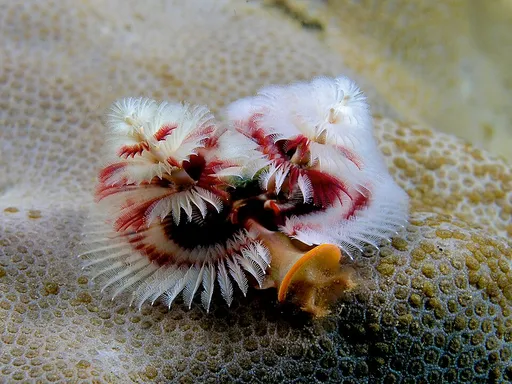 1.6 in (4 cm)20 gal (75 L)75–81°F (24–27°C)
Christmas tree worm
Spirobranchus giganteus
1.6 in (4 cm) · 20 gal (75 L)
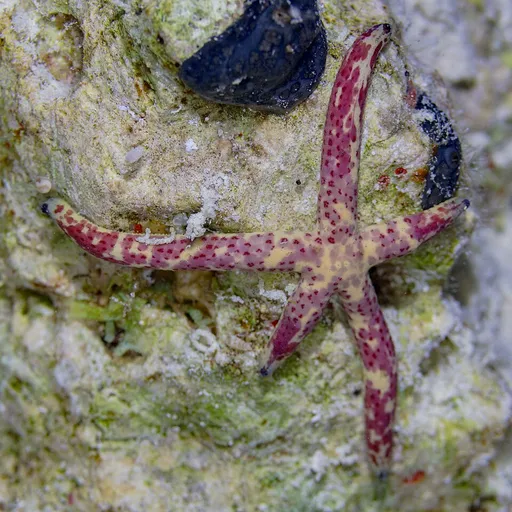 5.1 in (13 cm)53 gal (200 L)75–81°F (24–27°C)
Multicolor sea star
Linckia multifora
5.1 in (13 cm) · 53 gal (200 L)
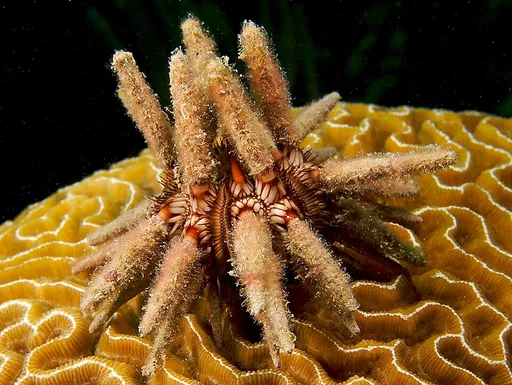 5.1 in (13 cm)20 gal (75 L)75–81°F (24–27°C)
Slate pencil urchin
Eucidaris tribuloides
5.1 in (13 cm) · 20 gal (75 L)
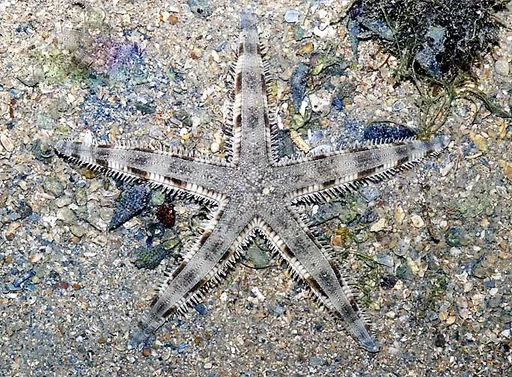 4.7 in (12 cm)53 gal (200 L)75–81°F (24–27°C)
Sand-sifting star
Archaster typicus
4.7 in (12 cm) · 53 gal (200 L)
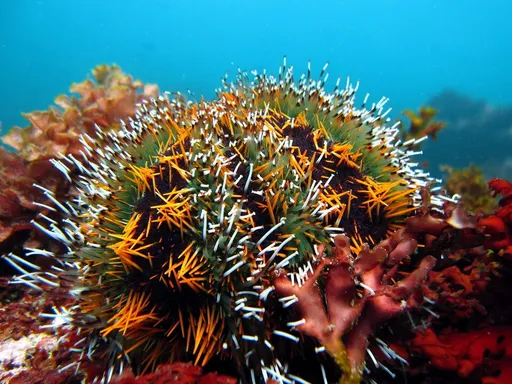 5.9 in (15 cm)20 gal (75 L)75–81°F (24–27°C)
Collector urchin
Tripneustes gratilla
5.9 in (15 cm) · 20 gal (75 L)
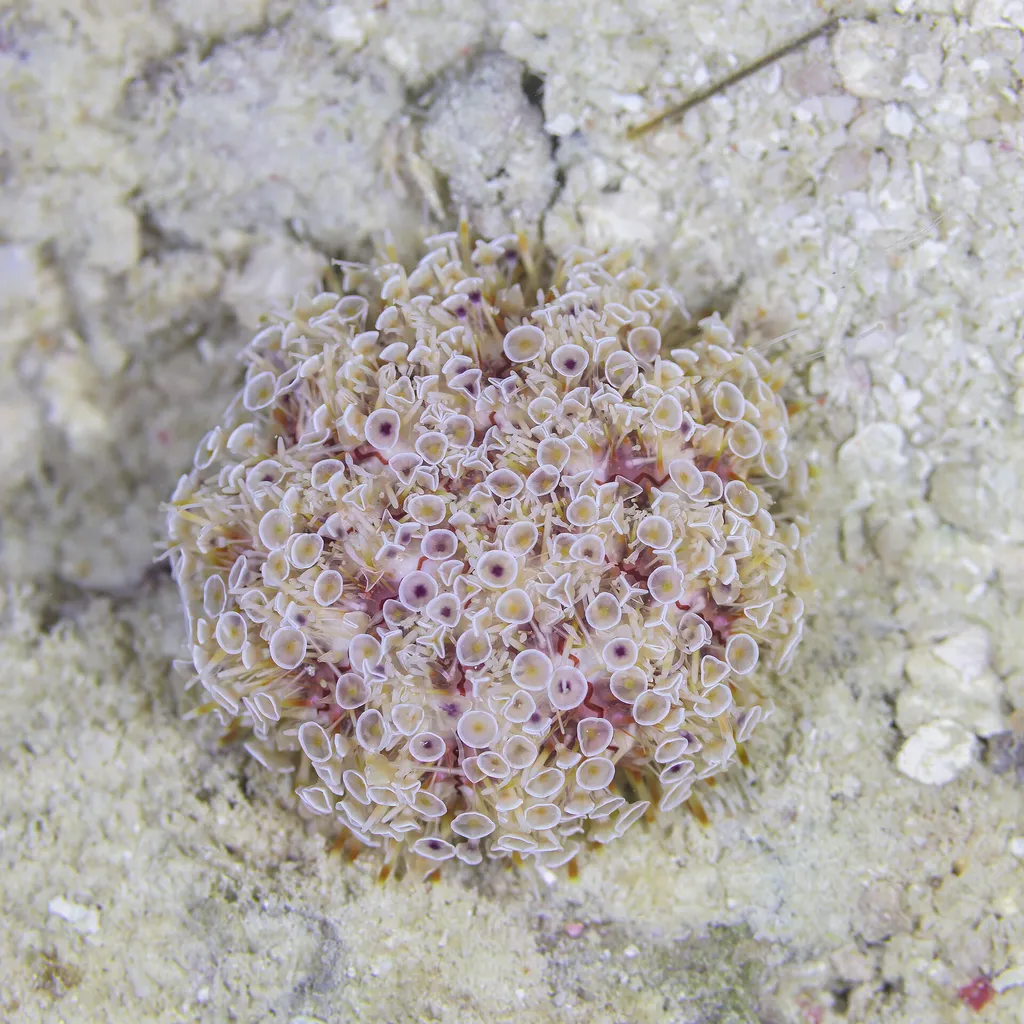 5.9 in (15 cm)100 gal (380 L)72–82°F (22–28°C)
Flower urchin
Toxopneustes pileolus
5.9 in (15 cm) · 100 gal (380 L)