Flower urchin
Toxopneustes pileolus
Also known as Flower sea urchin, Rappa uni
SaltwaterInvertebrate
Care at a glance
- Temperature
- 72–82°F
- 22–28°C
- pH
- 8.1–8.4
- Adult size
- 5.9 in
- 15 cm
- Minimum tank
- 100 gal
- 380 L
- Temperament
- Peaceful
- Social behavior
- Solitary
- Tankmates
- With caution
- Swim level
- Bottom
- Difficulty
- Difficult
- Breeding
- No record
- Rarity
- Very rare
- Reef safe
- Reef safe with caution
- Family
- Toxopneustidae
- Origin
- Indo-West Pacific reefs, seagrass and rubble, Red Sea to Japan and Australia
Overview
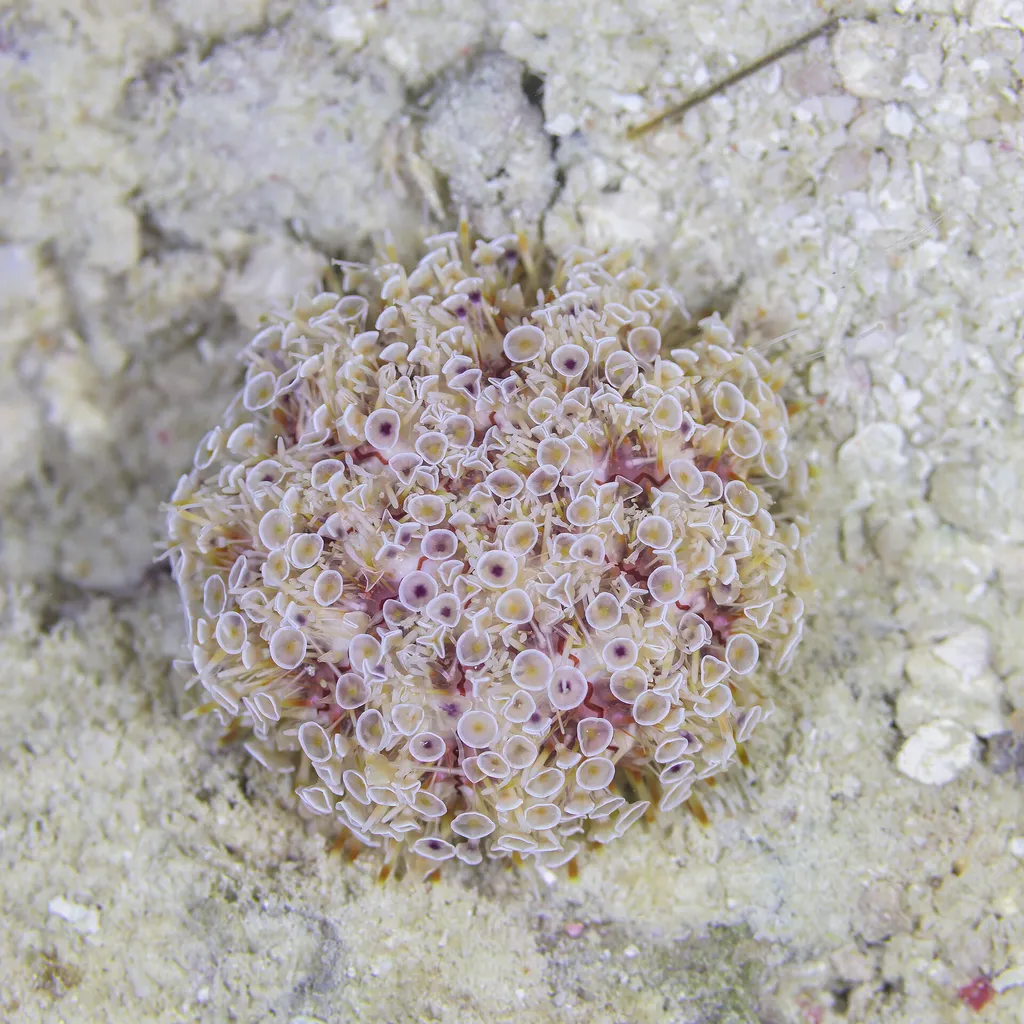
Peaceful toward fish and mostly an algae grazer, but this is a venomous animal that can put its keeper in hospital, and it does not belong in a home tank. If one is kept anyway, it goes in a large fish-only or rubble tank, is never touched with bare hands, is moved with a container, and children never have access. It is a reef caution because it picks up and carries off frags and shells for cover and will graze coralline and film algae bare. Feed dried seaweed, keep nitrate low, drip acclimate slowly, and never use copper. Triggers and large wrasses will attack it.
In the wild
The flower urchin lives on coral rubble, rock, sand, and seagrass beds from the Red Sea and East Africa across to Okinawa, Australia, and the Cook Islands, from the tide line down to about 90 m. It covers itself with shells, rubble, and weed and sits in the open by day. In a tank it needs 380 liters or more, a mature system with plenty of algae, and a layout where you never have to reach past it. Water stays at 22 to 28 C with pH 8.1 to 8.4.
Good to know
Toxopneustes pileolus is a regular urchin in the family Toxopneustidae, a relative of the collector urchin. The test reaches about 15 cm across, sometimes cited to 20 cm, with short spines almost hidden under hundreds of large pedicellariae that open like pink or white flowers with a purple centre. Those flowers are the danger: each has three fanged jaws that grip skin and inject venom (Contractin A and peditoxin), causing intense pain, muscle weakness, numbness of the lips and tongue, and in recorded cases temporary paralysis and trouble breathing. It is listed by Guinness World Records as the most dangerous sea urchin. In the wild it eats algae, bryozoans, and detritus.
Did you know
In 1930 the Japanese biologist Tsutomu Fujiwara let a flower urchin sting his finger on purpose and wrote up the result. Seven or eight pedicellariae caused severe pain, faintness, and paralysis of his lips, tongue, and face that lasted about six hours.
Common questions
What size tank does a Flower urchin need?
A Flower urchin needs at least 100 gal (380 L). It spends most of its time in the bottom.
What temperature and pH does a Flower urchin need?
A Flower urchin is comfortable at 72–82°F (22–28°C) with a pH of 8.1–8.4.
How big does a Flower urchin get?
An adult Flower urchin reaches about 5.9 in (15 cm).
Related species
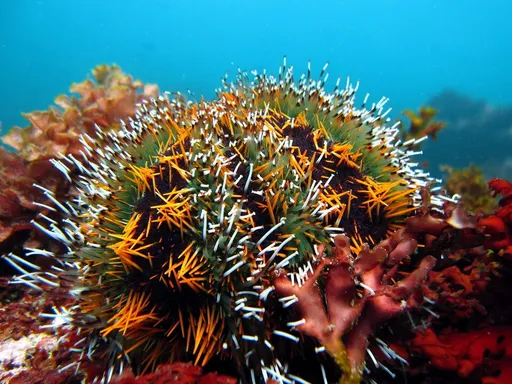 5.9 in (15 cm)20 gal (75 L)75–81°F (24–27°C)
Collector urchin
Tripneustes gratilla
5.9 in (15 cm) · 20 gal (75 L)
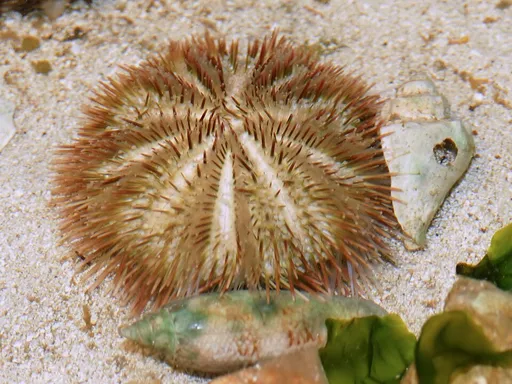 3.9 in (10 cm)20 gal (75 L)72–81°F (22–27°C)
White urchin
Lytechinus variegatus
3.9 in (10 cm) · 20 gal (75 L)
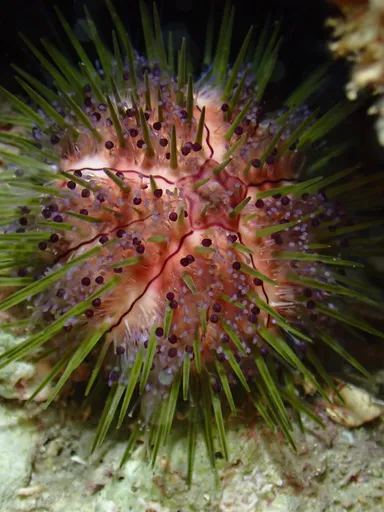 2 in (5 cm)11 gal (40 L)72–81°F (22–27°C)
Jewel urchin
Lytechinus williamsi
2 in (5 cm) · 11 gal (40 L)
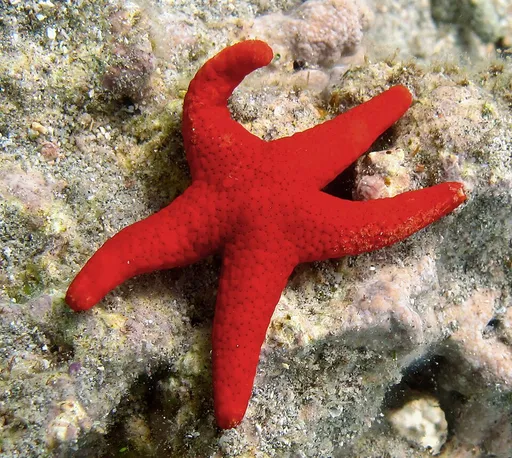 5.9 in (15 cm)40 gal (150 L)75–81°F (24–27°C)
Fromia star
Fromia milleporella
5.9 in (15 cm) · 40 gal (150 L)
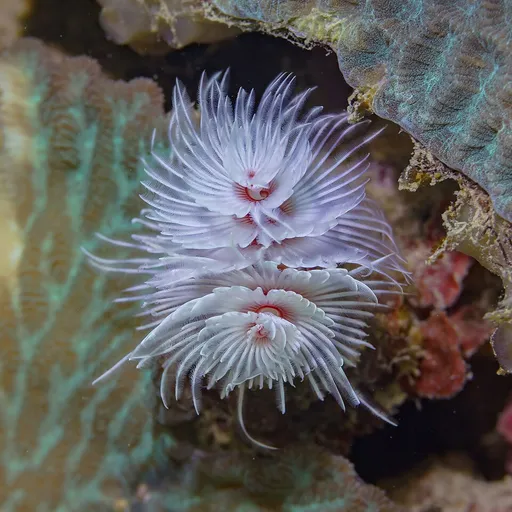 5.9 in (15 cm)20 gal (75 L)75–81°F (24–27°C)
Giant feather duster
Sabellastarte spectabilis
5.9 in (15 cm) · 20 gal (75 L)
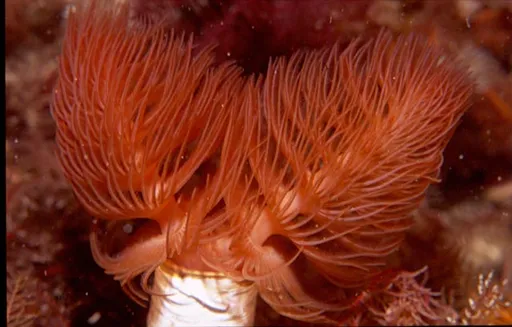 5.1 in (13 cm)20 gal (75 L)75–81°F (24–27°C)
Coco worm
Protula bispiralis
5.1 in (13 cm) · 20 gal (75 L)