Squamosina clam
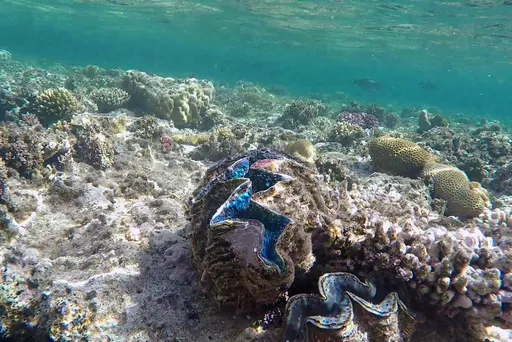
Tridacna squamosina
Also known as Red Sea Giant Clam, Tridacna costata
SaltwaterClam
Care at a glance
- Temperature
- 75–82°F
- 24–28°C
- pH
- 8.1–8.4
- Adult size
- 11.8 in
- 30 cm
- Minimum tank
- 66 gal
- 250 L
- Temperament
- Peaceful
- Social behavior
- Solitary
- Swim level
- Bottom
- Diet
- Photosynthetic
- Difficulty
- Medium
- Breeding
- Hard
- Rarity
- Very rare
- Reef safe
- Reef safe
- Family
- Cardiidae
- Origin
- Red Sea, endemic from the Gulf of Aqaba south to Yemen
Overview
The Squamosina clam is a peaceful, reef-safe Red Sea giant clam for a brightly lit reef tank. It is a step up from beginner animals and suits a keeper with a little experience.
Did you know
The Squamosina clam is widely considered the rarest of the giant clams. Only a few dozen wild individuals have been documented since scientists confirmed the species, and wild collection is banned. Every clam in the trade comes from a few Red Sea farms, and the first reached a hobby aquarium around 2019.
Caring for the Squamosina clam
Give the Squamosina clam intense, stable lighting, with a spot high on the rockwork. It is sessile and sits where you place it. Farm-raised stock is reported to be hardy and fast growing under medium to high light. Protect it from clam-nipping fish.
It needs mature water in a tank of at least 66 gal (250 L). Keep it at 75 to 82°F (24 to 28°C) with a pH of 8.1 to 8.4. Hold calcium, alkalinity and magnesium as steady as for any other tridacnid.
The Squamosina clam filters the water while its photosynthetic zooxanthellae supply most of its energy. Occasional phytoplankton feedings help smaller specimens along.
Good to know
Tridacna squamosina was described in 1899, then overlooked for more than a century. Red Sea researchers rediscovered it in 2008 under the name Tridacna costata, now a synonym. It is a giant clam in the family Cardiidae, subfamily Tridacninae. Tall shell scutes and a mantle with fine bright lines and a green rim set it apart.
In the wild
The Squamosina clam is endemic to the Red Sea, from the Gulf of Aqaba south to Yemen. It lives in the shallowest water of any giant clam, on reef flats, rubble and seagrass in less than 3 m of water.
Common questions
What size tank does a Squamosina clam need?
A Squamosina clam needs at least 66 gal (250 L).
What temperature and pH does a Squamosina clam need?
A Squamosina clam is comfortable at 75–82°F (24–28°C) with a pH of 8.1–8.4.
What does a Squamosina clam eat?
A Squamosina clam gets most of its energy from its photosynthetic zooxanthellae, and it also filters the water. Smaller ones benefit from occasional phytoplankton feedings.
How big does a Squamosina clam get?
An adult Squamosina clam reaches about 11.8 in (30 cm).
Related species
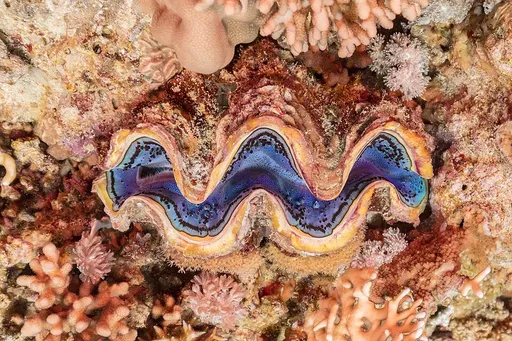 13.8 in (35 cm)40 gal (150 L)75–81°F (24–27°C)
Maxima clam
Tridacna maxima
13.8 in (35 cm) · 40 gal (150 L)
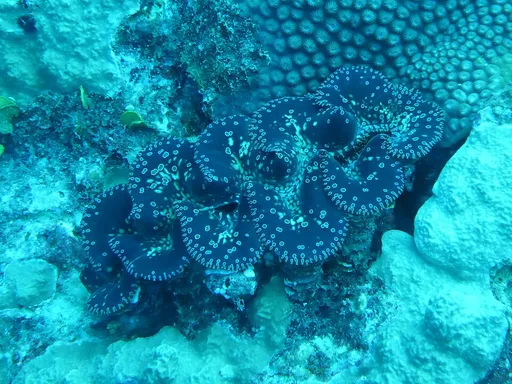 9.8 in (25 cm)40 gal (150 L)75–81°F (24–27°C)
Noah's clam
Tridacna noae
9.8 in (25 cm) · 40 gal (150 L)
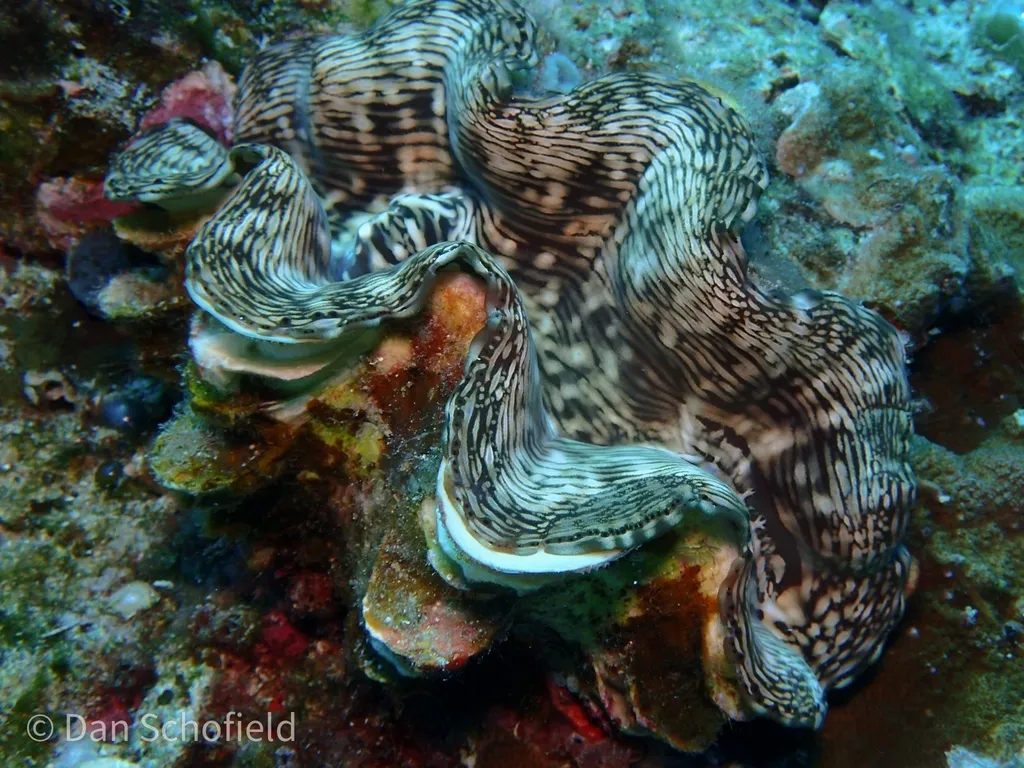 15.7 in (40 cm)40 gal (150 L)75–81°F (24–27°C)
Squamosa clam
Tridacna squamosa
15.7 in (40 cm) · 40 gal (150 L)
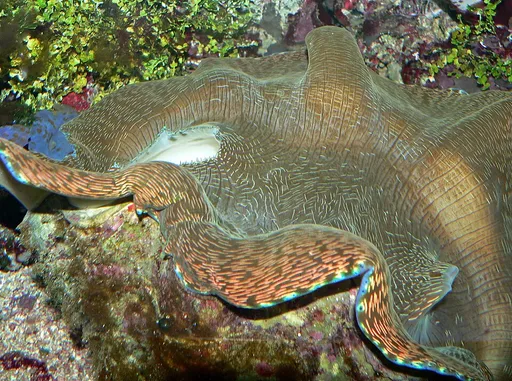 19.7 in (50 cm)40 gal (150 L)75–81°F (24–27°C)
Derasa clam
Tridacna derasa
19.7 in (50 cm) · 40 gal (150 L)
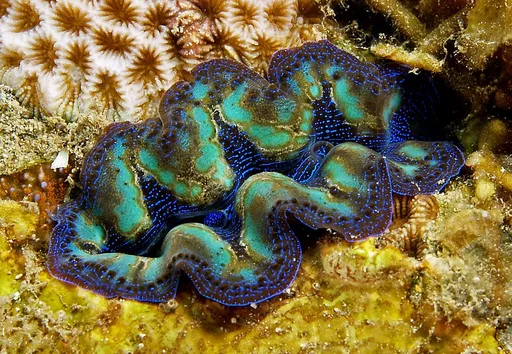 5.9 in (15 cm)30 gal (115 L)75–81°F (24–27°C)
Crocea clam
Tridacna crocea
5.9 in (15 cm) · 30 gal (115 L)
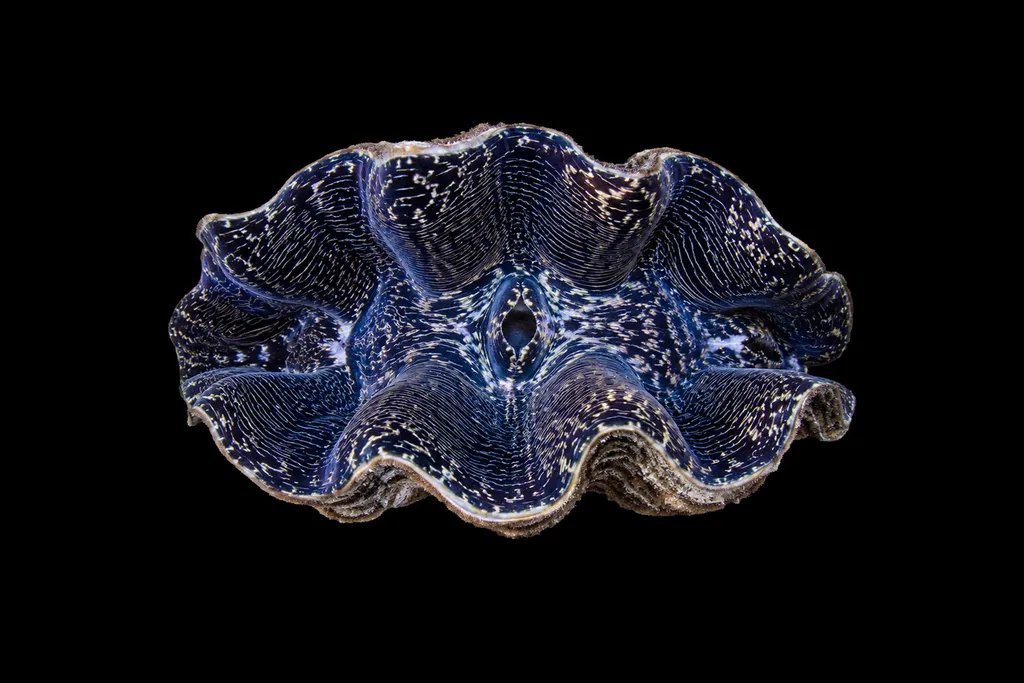 15.7 in (40 cm)106 gal (400 L)75–81°F (24–27°C)
China clam
Hippopus porcellanus
15.7 in (40 cm) · 106 gal (400 L)