Maxima clam
Tridacna maxima
Also known as Small Giant Clam, Blue Maxima Clam, Elongate Clam
SaltwaterClam
Care at a glance
- Temperature
- 75–81°F
- 24–27°C
- pH
- 8.1–8.4
- Adult size
- 13.8 in
- 35 cm
- Minimum tank
- 40 gal
- 150 L
- Temperament
- Peaceful
- Social behavior
- Solitary
- Swim level
- Bottom
- Difficulty
- Medium
- Breeding
- Hard
- Rarity
- Very common
- Reef safe
- Reef safe
- Family
- Cardiidae (Tridacninae)
- Origin
- Indo-Pacific and Red Sea, from East Africa to French Polynesia, north to southern Japan and south to Western Australia
Overview
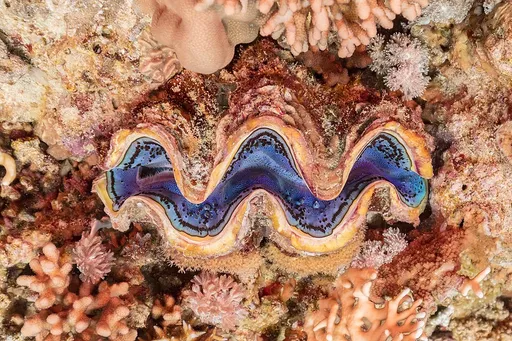
This is one of the more demanding clams to light correctly: it wants strong, stable illumination equivalent to what a small-polyp stony coral would need, and it should go high on the rockwork rather than on the sand. Calcium, alkalinity, and magnesium all need to stay elevated and stable, since the clam pulls hard on all three to keep building shell, typically calcium 380 to 450 ppm, alkalinity 8 to 11 dKH, and magnesium 1280 to 1350 ppm. It byssal-attaches to rock within a day or two of settling in, and that first attachment point should be treated as permanent, since forcing it loose again tears the byssal gland. Specimens under 5 cm rely more heavily on filter feeding and should get a phytoplankton or greenwater supplement a few times a week; larger clams get most of their energy from light alone. Watch for mantle-nipping tankmates: some wrasses, crabs, shrimp, and pyramid snails will pick at the exposed flesh. Introduce a new clam gradually, floating it to match temperature, drip acclimating it slowly, and placing it in a shadier spot for the first couple of weeks before moving it up into full light.
In the wild
Lives on shallow reef flats and lagoons across the Indo-Pacific and Red Sea, one of the two widest-ranging Tridacna species alongside the squamosa clam, usually in water less than 6 metres deep where light is strongest. It wedges itself into a hole or crevice in coral rock and spins byssal threads from its foot to anchor there for life, with only the colorful mantle and shell edge exposed above the rock. In the aquarium it wants a secure perch on live rock high in the water column, close to the light, rather than open sand.
Good to know
Tridacna maxima belongs to the family Cardiidae, subfamily Tridacninae, and is best told apart from other Tridacna by its elongated shell with widely spaced, uneven scutes and a mantle that never fully retracts, so color still shows even when the clam pulls in tight. Like other giant clams it carries millions of photosynthetic zooxanthellae in its mantle tissue, and specialized iridescent cells called iridocytes scatter and redirect light deeper into the tissue to keep the algae fed even in the shaded folds. The clam uses the sugars and energy the zooxanthellae produce to help lay down its calcium carbonate shell. All Tridacnidae, including this species, are listed under CITES Appendix II, so international trade in live clams or shells requires an export permit.
Did you know
A maxima clam's mantle is lined with several hundred pinhole-style eyespots, each with its own tiny lens and light-sensing cells, and researchers have shown the clam uses them to pick out a moving shadow and start pulling its mantle in before anything actually touches it.
Common questions
What size tank does a Maxima clam need?
A Maxima clam needs at least 40 gal (150 L). It spends most of its time in the bottom.
What temperature and pH does a Maxima clam need?
A Maxima clam is comfortable at 75–81°F (24–27°C) with a pH of 8.1–8.4.
How big does a Maxima clam get?
An adult Maxima clam reaches about 13.8 in (35 cm).
Related species
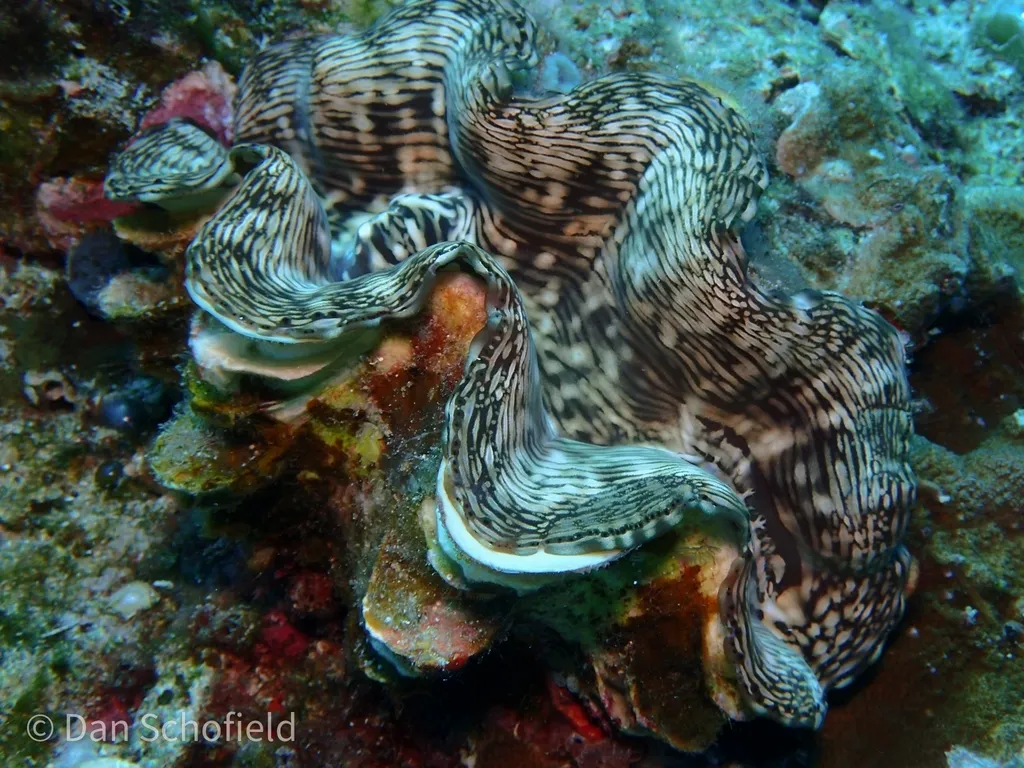 15.7 in (40 cm)40 gal (150 L)75–81°F (24–27°C)
Squamosa clam
Tridacna squamosa
15.7 in (40 cm) · 40 gal (150 L)
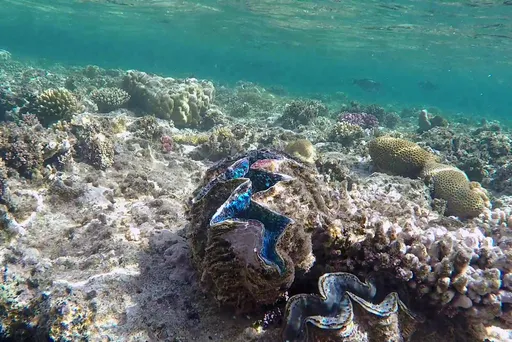 11.8 in (30 cm)66 gal (250 L)75–82°F (24–28°C)
Squamosina clam
Tridacna squamosina
11.8 in (30 cm) · 66 gal (250 L)
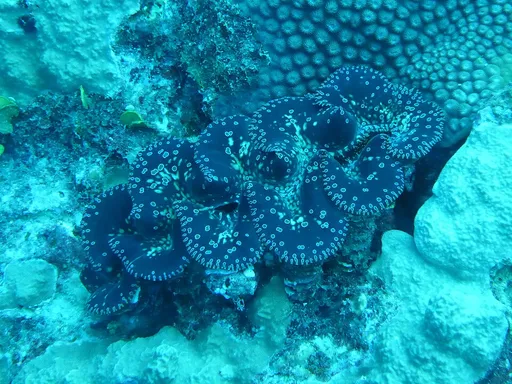 9.8 in (25 cm)40 gal (150 L)75–81°F (24–27°C)
Noah's clam
Tridacna noae
9.8 in (25 cm) · 40 gal (150 L)
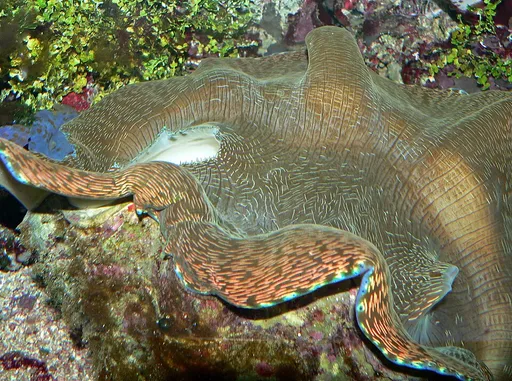 19.7 in (50 cm)40 gal (150 L)75–81°F (24–27°C)
Derasa clam
Tridacna derasa
19.7 in (50 cm) · 40 gal (150 L)
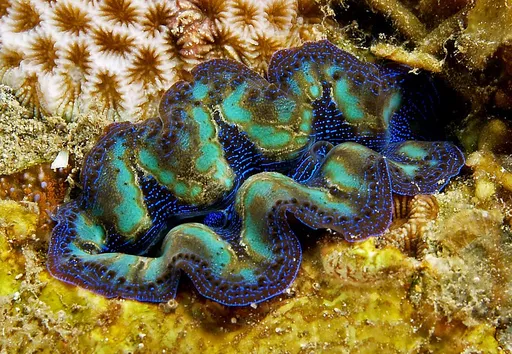 5.9 in (15 cm)30 gal (115 L)75–81°F (24–27°C)
Crocea clam
Tridacna crocea
5.9 in (15 cm) · 30 gal (115 L)
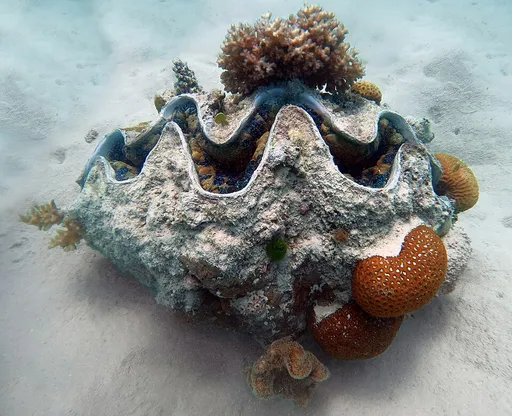 47.2 in (120 cm)198 gal (750 L)75–81°F (24–27°C)
Gigas clam
Tridacna gigas
47.2 in (120 cm) · 198 gal (750 L)