Crocea clam
Tridacna crocea
Also known as Boring Clam, Crocus Clam, Saffron Clam
SaltwaterClam
Care at a glance
- Temperature
- 75–81°F
- 24–27°C
- pH
- 8.1–8.4
- Adult size
- 5.9 in
- 15 cm
- Minimum tank
- 30 gal
- 115 L
- Temperament
- Peaceful
- Social behavior
- Solitary
- Swim level
- Bottom
- Difficulty
- Difficult
- Breeding
- Hard
- Rarity
- Common
- Reef safe
- Reef safe
- Family
- Cardiidae (Tridacninae)
- Origin
- Central Indo-Pacific, from the Philippines and Indonesia to Papua New Guinea and Australia's Great Barrier Reef
Overview
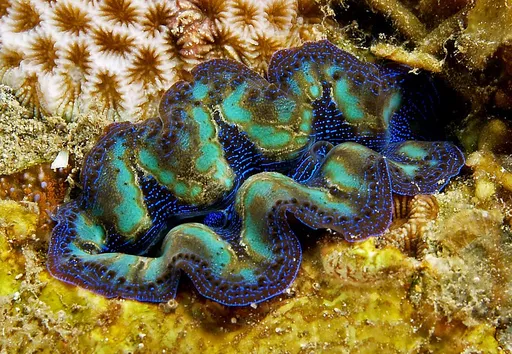
Crocea carries the highest light demand of any clam in the trade, since it evolved in the shallowest, brightest part of the reef, so it needs intense, stable lighting and should sit as high in the tank as the aquascape allows. Calcium, alkalinity, and magnesium all need to run high and steady, in the same range other Tridacna want, calcium 400 to 450 ppm, alkalinity 8 to 11 dKH, and magnesium 1280 to 1350 ppm, since it grows a thick shell quickly for its size. It needs a hole or crevice in solid rock to bore into, not open sand, and once it seals itself into the rock it should never be pried back out. Individuals under 5 cm benefit from a phytoplankton or greenwater supplement several times a week on top of what they get from light. Keep an eye out for mantle nippers such as certain wrasses, crabs, shrimp, and pyramid snails, which target the exposed mantle tissue. Because it bleaches easily under sudden bright light, acclimate a new crocea more cautiously than other clams: float it to match temperature, drip acclimate slowly, and start it in a shaded, lower-light spot for two to three weeks before working it up toward full intensity.
In the wild
Found on shallow reef flats across the central Indo-Pacific, in water so shallow it is sometimes briefly exposed at low tide, where it bores itself fully into coral rock or dead limestone until only the colorful siphonal mantle sits flush with the surface. It is the smallest and most deeply embedded of the Tridacna clams, dissolving a snug pocket in the rock rather than sitting loosely on top of it. In the aquarium it wants a hole or crevice in live rock near the top of the tank, closest to the light.
Good to know
Tridacna crocea is the smallest species in the family Cardiidae, subfamily Tridacninae, reaching only about 15 cm compared to the much larger derasa or gigas clams. It is the only Tridacna that fully embeds itself in rock, boring a burrow with acid secreted from its foot rather than sitting on top of the substrate the way its relatives do. Like the rest of the family it hosts photosynthetic zooxanthellae in its mantle and relies on them for most of its energy and for the raw material to build its shell. All Tridacnidae, this species included, fall under CITES Appendix II, so exporting live clams or shells across borders requires proper permitting.
Did you know
How a soft-bodied clam manages to dig itself into solid coral rock puzzled biologists for decades, until a 2018 study finally showed its foot pumps out acid strong enough to lower the surface pH by more than two full units, slowly etching out its own burrow rather than digging it mechanically.
Common questions
What size tank does a Crocea clam need?
A Crocea clam needs at least 30 gal (115 L). It spends most of its time in the bottom.
What temperature and pH does a Crocea clam need?
A Crocea clam is comfortable at 75–81°F (24–27°C) with a pH of 8.1–8.4.
How big does a Crocea clam get?
An adult Crocea clam reaches about 5.9 in (15 cm).
Related species
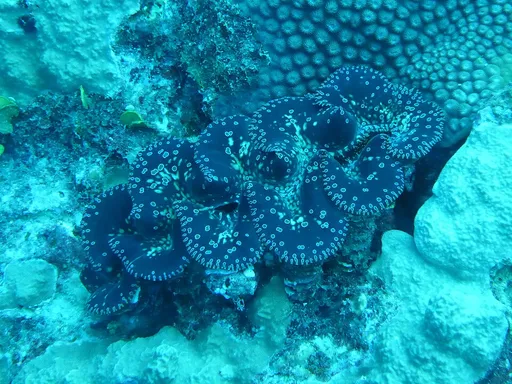 9.8 in (25 cm)40 gal (150 L)75–81°F (24–27°C)
Noah's clam
Tridacna noae
9.8 in (25 cm) · 40 gal (150 L)
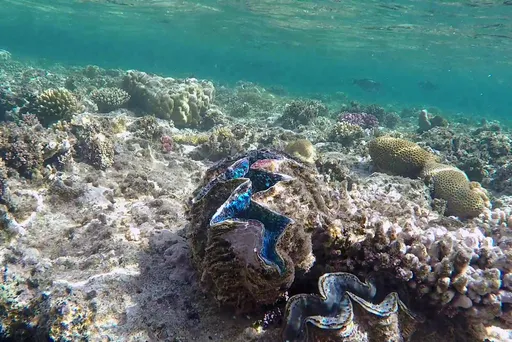 11.8 in (30 cm)66 gal (250 L)75–82°F (24–28°C)
Squamosina clam
Tridacna squamosina
11.8 in (30 cm) · 66 gal (250 L)
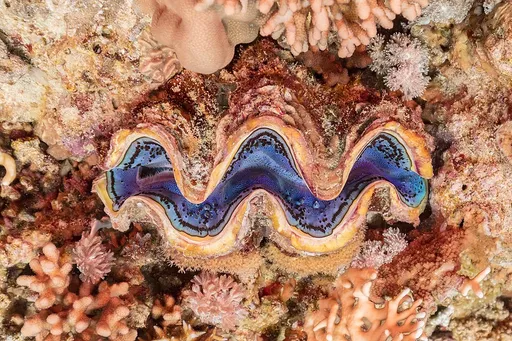 13.8 in (35 cm)40 gal (150 L)75–81°F (24–27°C)
Maxima clam
Tridacna maxima
13.8 in (35 cm) · 40 gal (150 L)
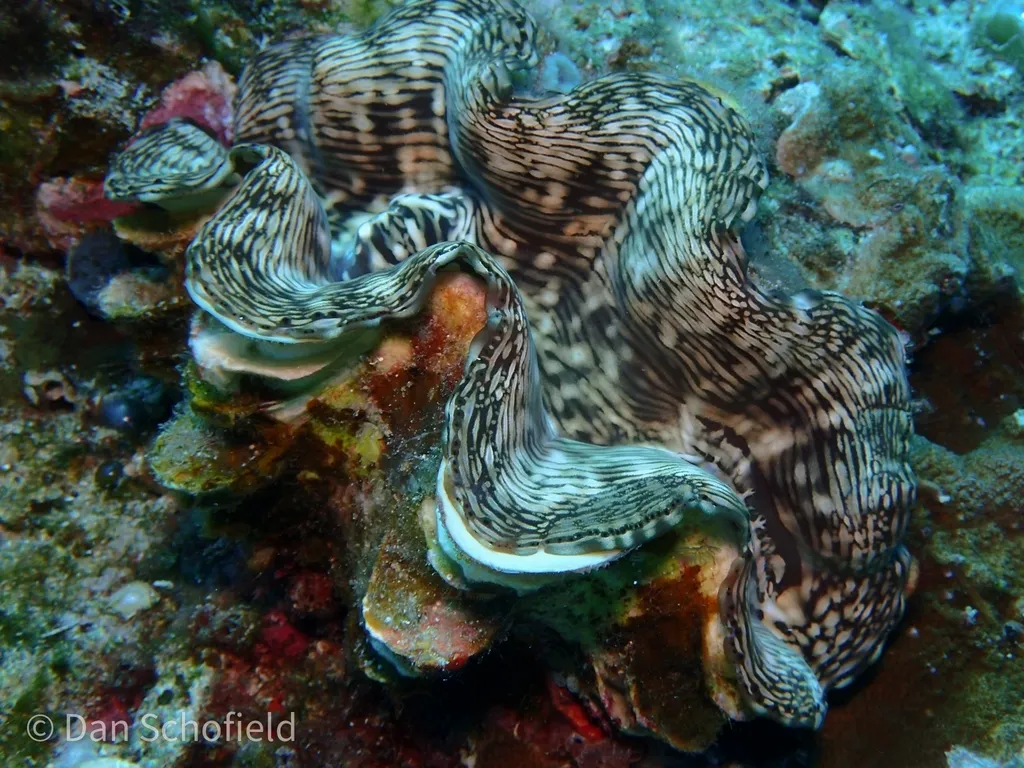 15.7 in (40 cm)40 gal (150 L)75–81°F (24–27°C)
Squamosa clam
Tridacna squamosa
15.7 in (40 cm) · 40 gal (150 L)
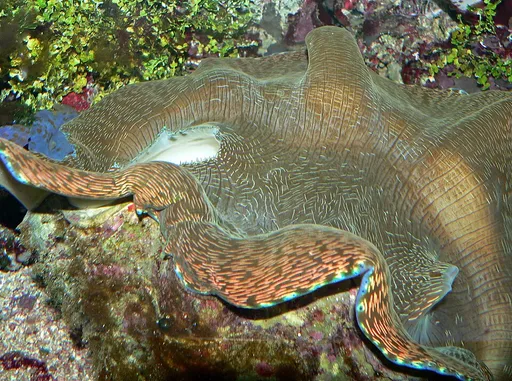 19.7 in (50 cm)40 gal (150 L)75–81°F (24–27°C)
Derasa clam
Tridacna derasa
19.7 in (50 cm) · 40 gal (150 L)
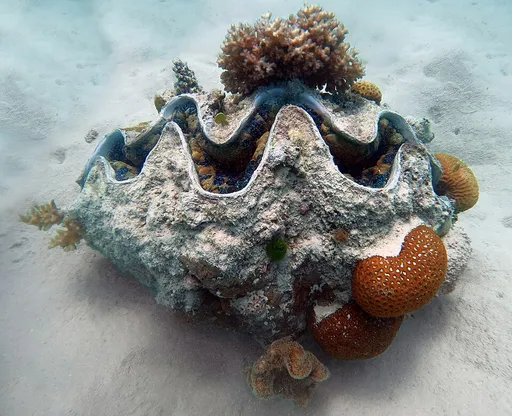 47.2 in (120 cm)198 gal (750 L)75–81°F (24–27°C)
Gigas clam
Tridacna gigas
47.2 in (120 cm) · 198 gal (750 L)