Noah's clam
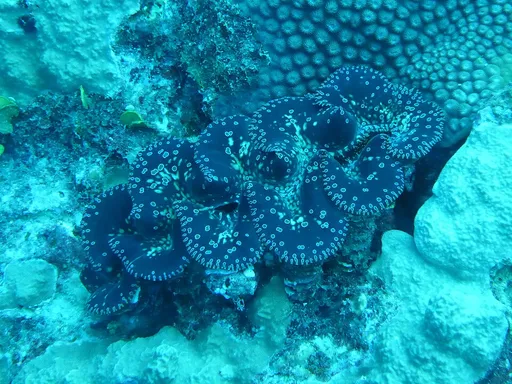
Tridacna noae
Also known as Teardrop Clam, Teardrop Maxima, Noah's Giant Clam, Tear Drop Clam
SaltwaterClam
Care at a glance
- Temperature
- 75–81°F
- 24–27°C
- pH
- 8.1–8.4
- Adult size
- 9.8 in
- 25 cm
- Minimum tank
- 40 gal
- 150 L
- Temperament
- Peaceful
- Social behavior
- Solitary
- Swim level
- Bottom
- Difficulty
- Difficult
- Breeding
- Hard
- Rarity
- Common
- Reef safe
- Reef safe
- Family
- Cardiidae
- Origin
- Indo-Pacific, cemented onto shallow reef rock and flats in bright water.
Overview
Give it a mature tank of 150 litres or more at 24 to 27 C and pH 8.1 to 8.4 with strong reef lighting and stable calcium and alkalinity. Most of its food comes from light through the algae in its mantle, though small clams benefit from phytoplankton. Place it on rock rather than deep sand, watch for pinching snails and nipping fish, and only add one to an established system.
In the wild
Noah's clam looks almost identical to the popular maxima clam but has a mantle patterned with oval teardrop shapes edged in a pale margin. The mantle comes in blues, greens, golds, and browns. For years these were sold as teardrop maximas before being recognized as their own species.
Good to know
Tridacna noae was only confirmed as a distinct species from Tridacna maxima in recent years, separated by its teardrop mantle markings and the wider spacing of its pinhole eyes. Like other giant clams it grows a heavy fluted shell and hosts photosynthetic zooxanthellae in its mantle.
Did you know
The small pale dots along the edge of the mantle are simple pinhole eyes that sense passing shadows and make the clam pull its mantle in.
Common questions
What size tank does a Noah's clam need?
A Noah's clam needs at least 40 gal (150 L). It spends most of its time in the bottom.
What temperature and pH does a Noah's clam need?
A Noah's clam is comfortable at 75–81°F (24–27°C) with a pH of 8.1–8.4.
How big does a Noah's clam get?
An adult Noah's clam reaches about 9.8 in (25 cm).
Related species
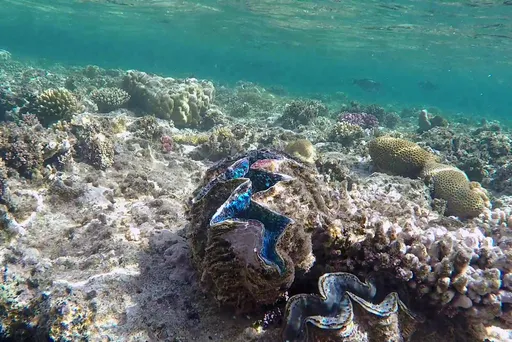 11.8 in (30 cm)66 gal (250 L)75–82°F (24–28°C)
Squamosina clam
Tridacna squamosina
11.8 in (30 cm) · 66 gal (250 L)
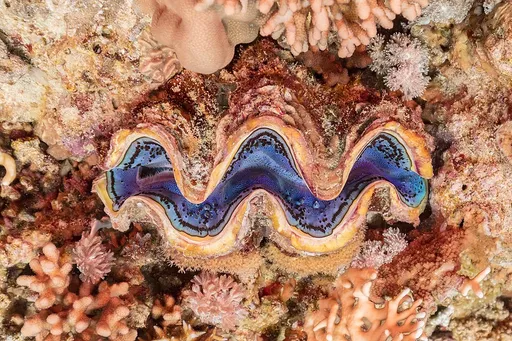 13.8 in (35 cm)40 gal (150 L)75–81°F (24–27°C)
Maxima clam
Tridacna maxima
13.8 in (35 cm) · 40 gal (150 L)
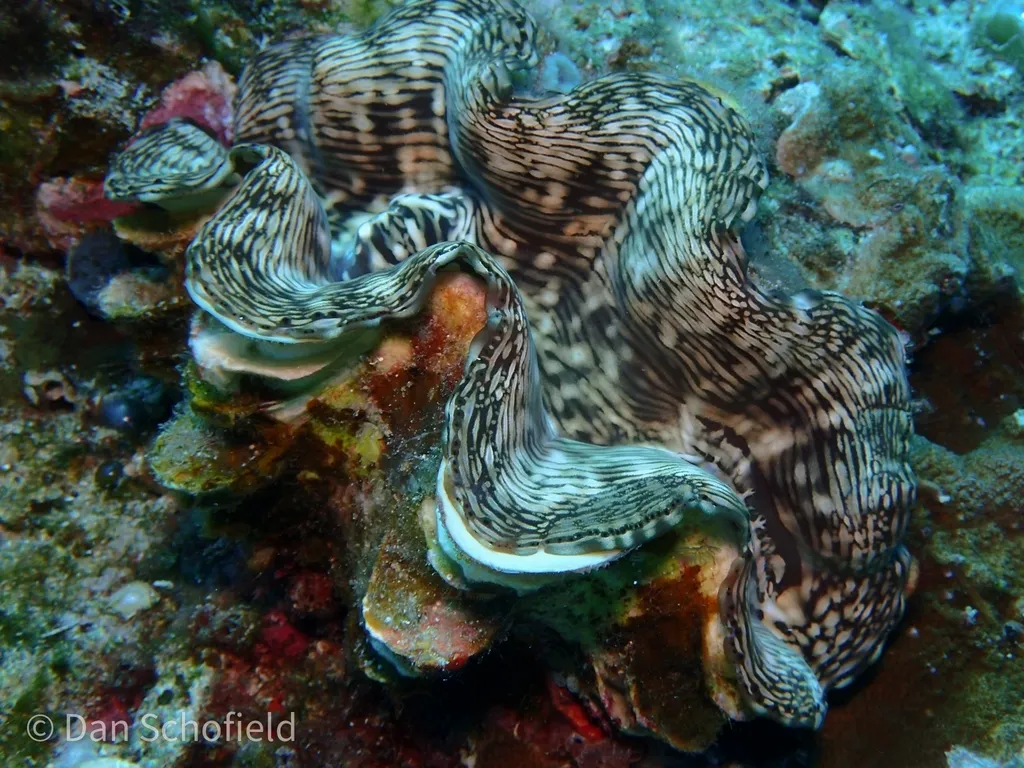 15.7 in (40 cm)40 gal (150 L)75–81°F (24–27°C)
Squamosa clam
Tridacna squamosa
15.7 in (40 cm) · 40 gal (150 L)
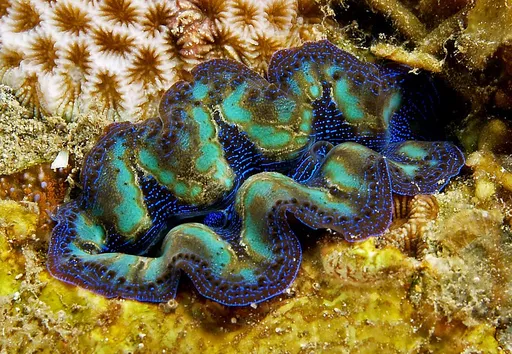 5.9 in (15 cm)30 gal (115 L)75–81°F (24–27°C)
Crocea clam
Tridacna crocea
5.9 in (15 cm) · 30 gal (115 L)
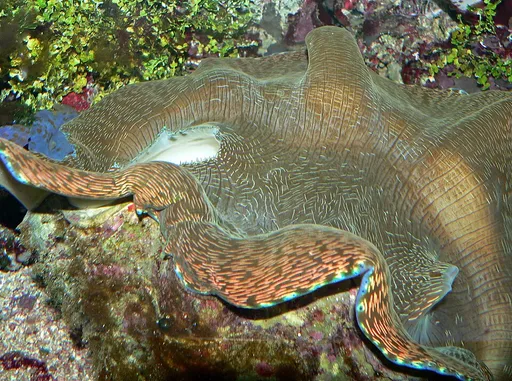 19.7 in (50 cm)40 gal (150 L)75–81°F (24–27°C)
Derasa clam
Tridacna derasa
19.7 in (50 cm) · 40 gal (150 L)
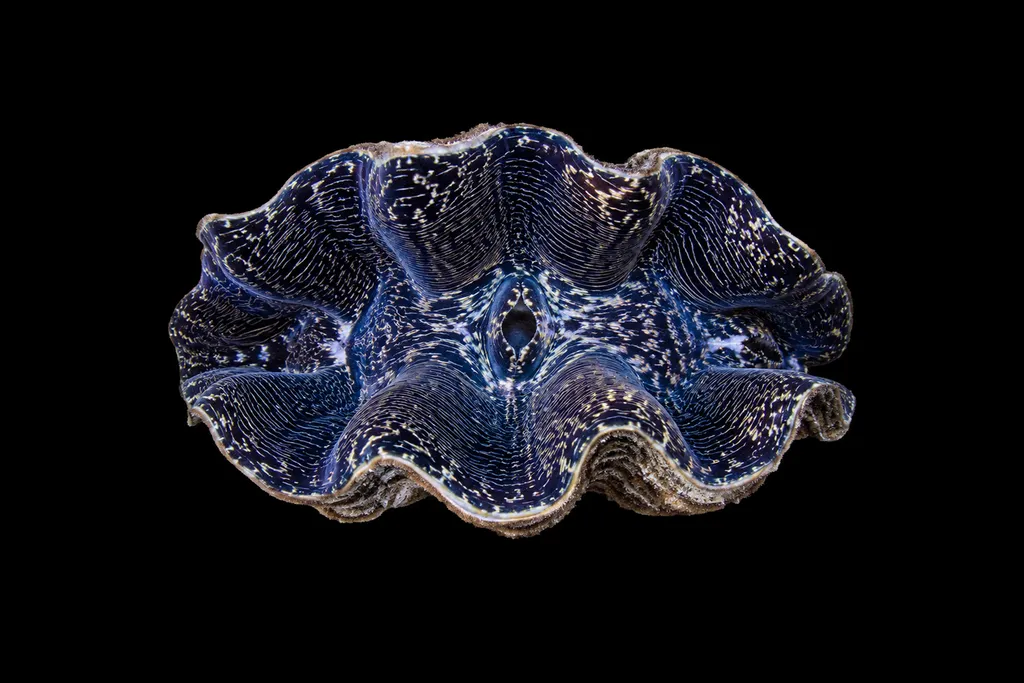 15.7 in (40 cm)106 gal (400 L)75–81°F (24–27°C)
China clam
Hippopus porcellanus
15.7 in (40 cm) · 106 gal (400 L)