Derasa clam
Tridacna derasa
Also known as Southern Giant Clam, Smooth Giant Clam
SaltwaterClam
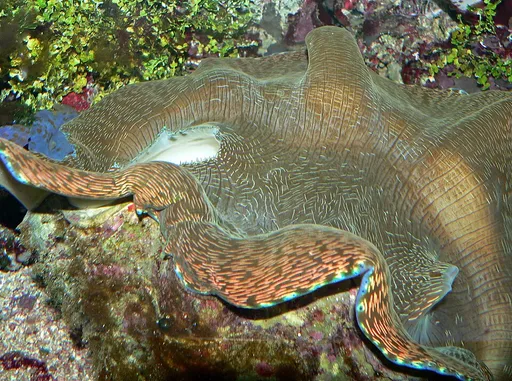
Care at a glance
- Temperature
- 75–81°F
- 24–27°C
- pH
- 8.1–8.4
- Adult size
- 19.7 in
- 50 cm
- Minimum tank
- 40 gal
- 150 L
- Temperament
- Peaceful
- Social behavior
- Solitary
- Swim level
- Bottom
- Difficulty
- Beginner
- Breeding
- Hard
- Rarity
- Very common
- Reef safe
- Reef safe
- Family
- Cardiidae (Tridacninae)
- Origin
- Indo-West Pacific, from Australia's Great Barrier Reef and Papua New Guinea through Indonesia and the Philippines to Fiji, Tonga, and Palau
Overview
Derasa is the most forgiving clam to light, tolerating moderate reef lighting that would leave a maxima or crocea pale, which is a big part of why it is considered the best starter giant clam. It still needs calcium, alkalinity, and magnesium held stable and elevated, calcium 400 to 440 ppm, alkalinity 8 to 11 dKH, and magnesium 1280 to 1350 ppm, since this is one of the faster-growing clams and pulls hard on all three to keep up. Give it open sandbed rather than rock, since adults are not byssally attached and can shift position slightly on their own. Specimens under 10 cm do better with a phytoplankton or greenwater supplement a few times a week; larger clams need no extra feeding. It is still vulnerable to mantle-nipping wrasses, crabs, shrimp, and pyramid snails, so keep an eye out even though it is otherwise low-maintenance. New arrivals should still be drip acclimated and started under lower light for a week or two before stepping up to full intensity, even though derasa adjusts faster than most Tridacna.
In the wild
Lives on the outer edges of reef slopes across the Indo-West Pacific, generally deeper than other Tridacna species at around 4 to 10 metres, where wave energy is strong but light is a little less intense. Juveniles anchor briefly with byssal threads, but adults lose that attachment and simply rest, unattached, on sand or coral rubble under their own weight. In the aquarium it wants an open sandbed rather than rockwork, with room to grow, since it is eventually one of the largest clams commonly kept.
Good to know
Tridacna derasa, family Cardiidae, subfamily Tridacninae, is the smooth giant clam, named for its thick shell with shallow, rounded folds instead of the sharp ribs or scutes seen on squamosa or crocea. It hosts photosynthetic zooxanthellae in its mantle tissue and draws on them for both energy and the material to build shell, which is part of why it can add significant size in a single year under good light. Along with Tridacna gigas, it was one of the first two giant clam species listed under CITES Appendix II in 1983, before the protection was extended to the entire family two years later, a response to how quickly both large species were being fished out.
Did you know
A well-fed derasa can nearly triple its shell length in a single year, and captive-bred stock from giant clam farms in Palau and elsewhere in the Pacific now supplies most of the derasa sold in the aquarium trade, which is a big part of why it stays this affordable despite the whole family being protected.
Common questions
What size tank does a Derasa clam need?
A Derasa clam needs at least 40 gal (150 L). It spends most of its time in the bottom.
What temperature and pH does a Derasa clam need?
A Derasa clam is comfortable at 75–81°F (24–27°C) with a pH of 8.1–8.4.
How big does a Derasa clam get?
An adult Derasa clam reaches about 19.7 in (50 cm).
Related species
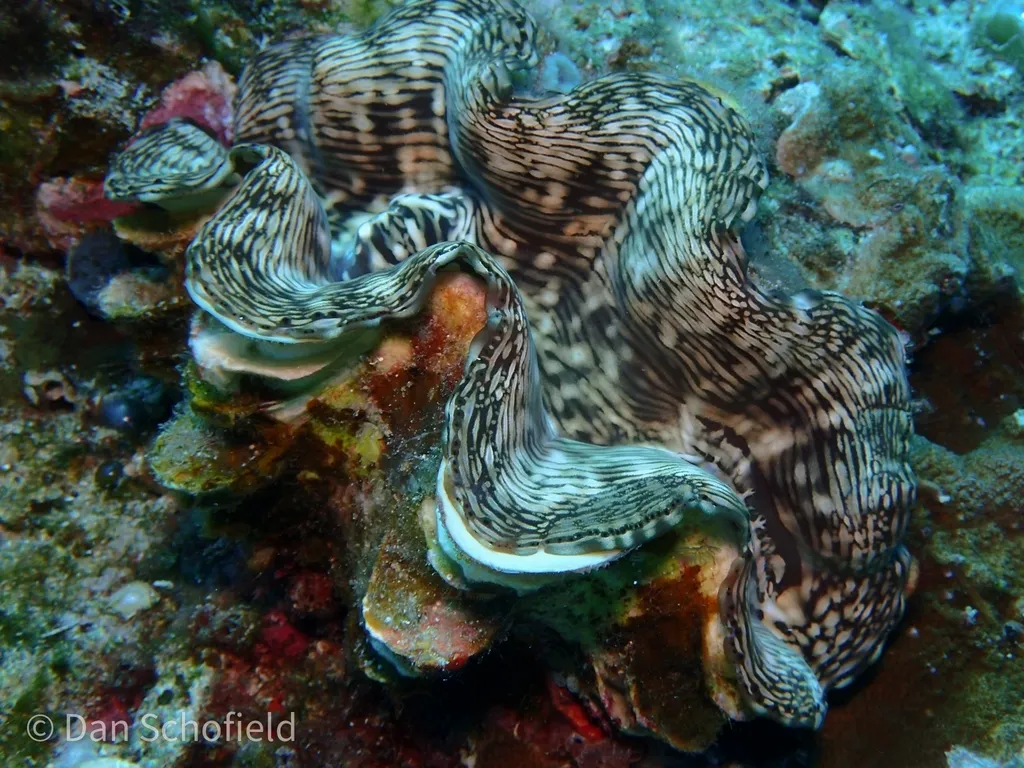 15.7 in (40 cm)40 gal (150 L)75–81°F (24–27°C)
Squamosa clam
Tridacna squamosa
15.7 in (40 cm) · 40 gal (150 L)
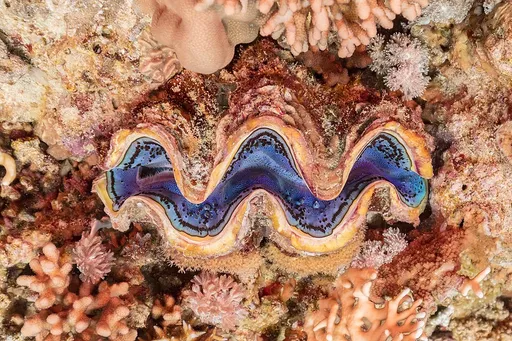 13.8 in (35 cm)40 gal (150 L)75–81°F (24–27°C)
Maxima clam
Tridacna maxima
13.8 in (35 cm) · 40 gal (150 L)
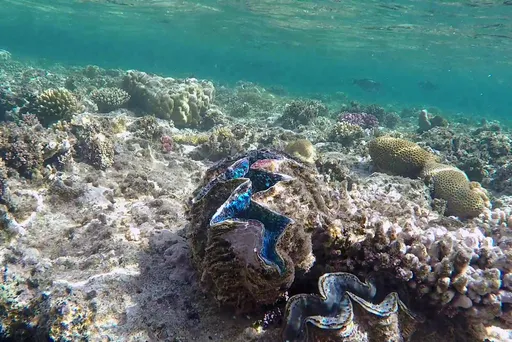 11.8 in (30 cm)66 gal (250 L)75–82°F (24–28°C)
Squamosina clam
Tridacna squamosina
11.8 in (30 cm) · 66 gal (250 L)
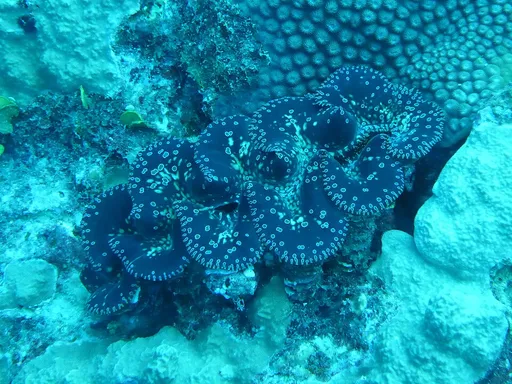 9.8 in (25 cm)40 gal (150 L)75–81°F (24–27°C)
Noah's clam
Tridacna noae
9.8 in (25 cm) · 40 gal (150 L)
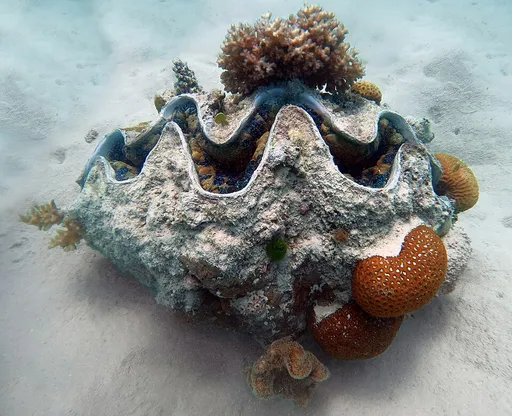 47.2 in (120 cm)198 gal (750 L)75–81°F (24–27°C)
Gigas clam
Tridacna gigas
47.2 in (120 cm) · 198 gal (750 L)
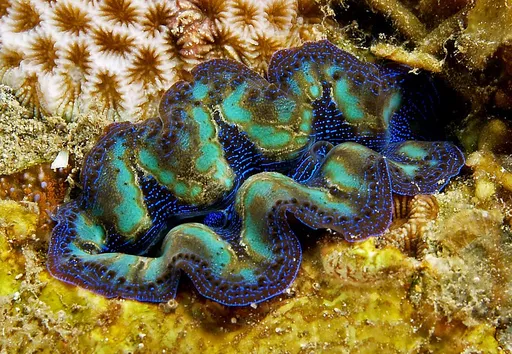 5.9 in (15 cm)30 gal (115 L)75–81°F (24–27°C)
Crocea clam
Tridacna crocea
5.9 in (15 cm) · 30 gal (115 L)