Fire urchin
Asthenosoma varium
Also known as Variable fire urchin, Rainbow urchin, Leather urchin
SaltwaterInvertebrate
Care at a glance
- Temperature
- 72–81°F
- 22–27°C
- pH
- 8.1–8.4
- Adult size
- 9.8 in
- 25 cm
- Minimum tank
- 201 gal
- 760 L
- Temperament
- Peaceful
- Social behavior
- Solitary
- Tankmates
- With caution
- Swim level
- Bottom
- Difficulty
- Difficult
- Breeding
- No record
- Rarity
- Very rare
- Reef safe
- Not reef safe
- Family
- Echinothuriidae
- Origin
- Indo-Pacific sand and rubble slopes, eastern Indian Ocean to Japan and New Caledonia
Overview
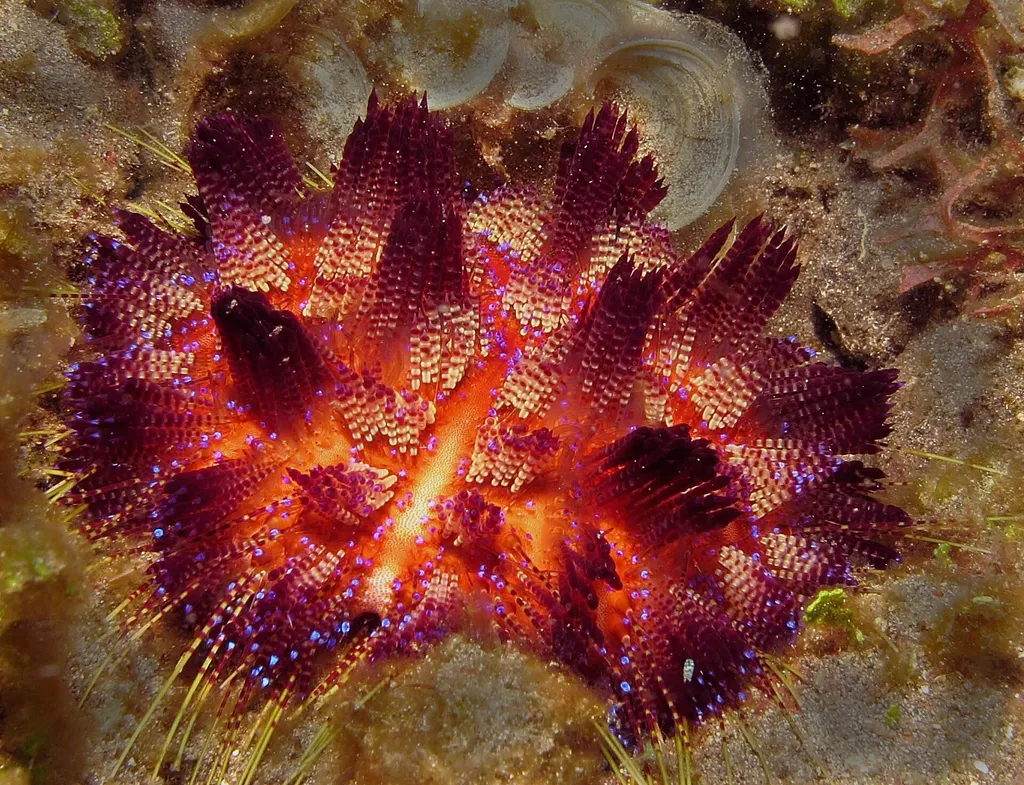
Peaceful toward fish, but not reef safe and not a beginner's animal. It eats coral polyps and encrusting invertebrates, it is venomous enough to send a careless keeper to bed for a day, and it needs a very large, mature fish-only or rubble tank. Feed dried seaweed, sinking pellets, and bits of shellfish at night, drip acclimate it very slowly, keep nitrate low, and never use copper. Move it only with a container, and keep triggers and large wrasses away from it.
In the wild
The fire urchin lives on sand and rubble slopes and coral bottoms across the Indo-Pacific, from the eastern Indian Ocean to Japan, the Philippines, and New Caledonia, from shallow water down to about 170 m. It hides in caves by day and roams in the open at night. It grows to dinner plate size, so a tank of 760 liters or more with a wide sand floor and locked rock is the minimum. Fine sand matters because the soft body and tube feet tear on sharp rubble, and the water stays at 22 to 27 C with pH 8.1 to 8.4.
Good to know
Asthenosoma varium belongs to the Echinothuriidae, the leather urchins, whose test plates overlap like roof tiles instead of fusing, so the animal is flexible and sags when lifted. It reaches about 25 cm across in red, orange, purple, and white. Each short spine carries a bright blue or white capsule near the tip filled with venom that works like a hypodermic syringe, and a sting brings hours of severe pain. It hosts the Coleman shrimp (Periclimenes colemani), the shrimp Allopontonia brockii, and the zebra crab Zebrida adamsii, which live among the spines. It is an omnivore that eats algal film, sponges, tunicates, coral polyps, and detritus.
Did you know
The Coleman shrimp lives in pairs on this urchin and clears a bald patch of spines to stand in, sitting between venom capsules that would floor a diver. The shrimp is one of the most photographed animals in the Indo-Pacific, and the fire urchin is why.
Common questions
What size tank does a Fire urchin need?
A Fire urchin needs at least 201 gal (760 L). It spends most of its time in the bottom.
What temperature and pH does a Fire urchin need?
A Fire urchin is comfortable at 72–81°F (22–27°C) with a pH of 8.1–8.4.
How big does a Fire urchin get?
An adult Fire urchin reaches about 9.8 in (25 cm).
Related species
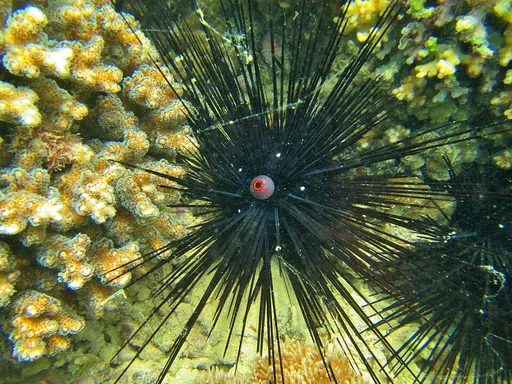 9.8 in (25 cm)50 gal (190 L)72–79°F (22–26°C)
Long-spine urchin
Diadema setosum
9.8 in (25 cm) · 50 gal (190 L)
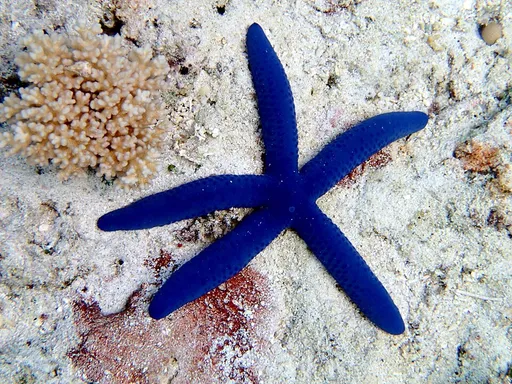 11.8 in (30 cm)53 gal (200 L)75–81°F (24–27°C)
Blue linckia star
Linckia laevigata
11.8 in (30 cm) · 53 gal (200 L)
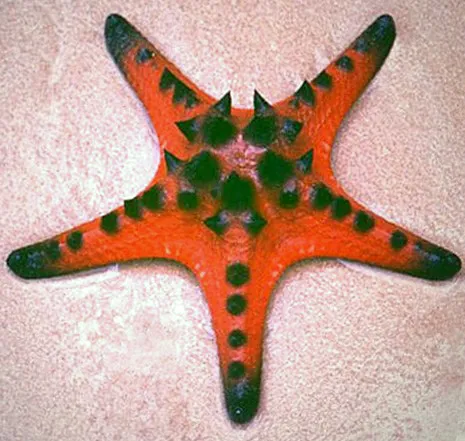 11.8 in (30 cm)53 gal (200 L)75–81°F (24–27°C)
Chocolate chip star
Protoreaster nodosus
11.8 in (30 cm) · 53 gal (200 L)
 11.8 in (30 cm)53 gal (200 L)75–81°F (24–27°C)
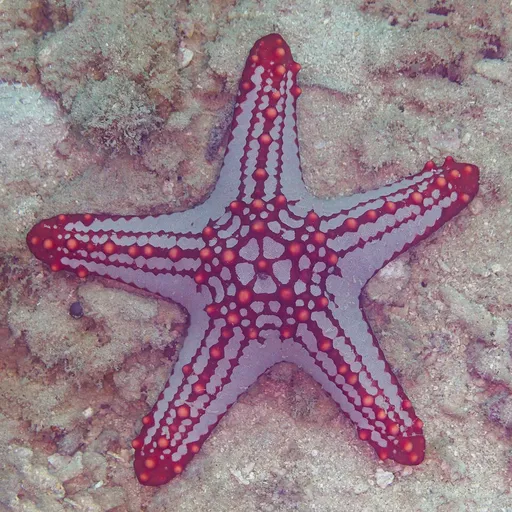
Red knob sea star
Protoreaster linckii
11.8 in (30 cm) · 53 gal (200 L)
 11.8 in (30 cm)50 gal (190 L)75–81°F (24–27°C)
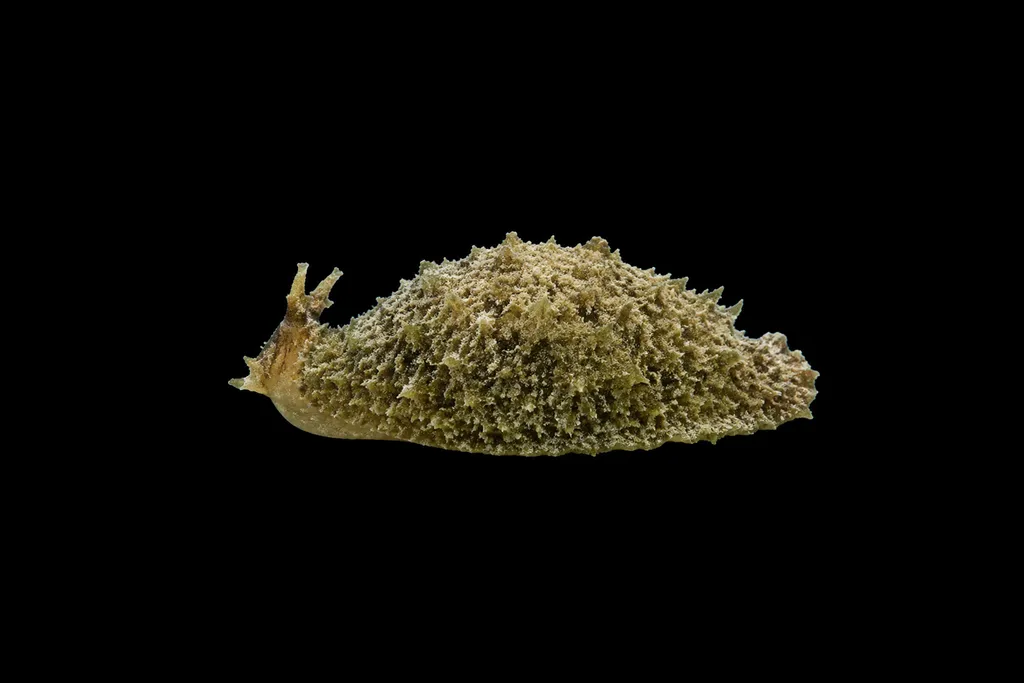
Wedge sea hare
Dolabella auricularia
11.8 in (30 cm) · 50 gal (190 L)
 7.9 in (20 cm)100 gal (380 L)72–82°F (22–28°C)
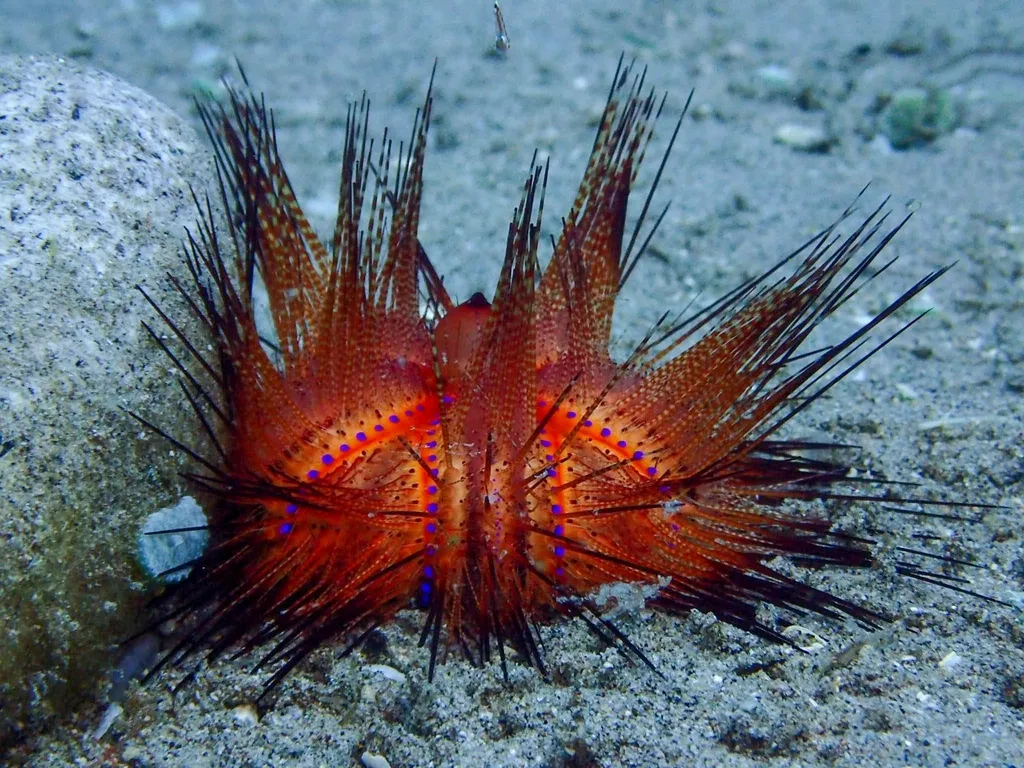
Blue spot urchin
Astropyga radiata
7.9 in (20 cm) · 100 gal (380 L)