Elongated heart urchin
Lovenia elongata
Also known as Heart urchin, Lovenia heart urchin
SaltwaterInvertebrate
Care at a glance
- Temperature
- 72–81°F
- 22–27°C
- pH
- 8.1–8.4
- Adult size
- 2.8 in
- 7 cm
- Minimum tank
- 53 gal
- 200 L
- Temperament
- Peaceful
- Social behavior
- Solitary
- Tankmates
- With caution
- Swim level
- Bottom
- Difficulty
- Difficult
- Breeding
- No record
- Rarity
- Very rare
- Reef safe
- Reef safe
- Family
- Loveniidae
- Origin
- Indo-West Pacific, Red Sea to the Philippines and southern Japan
Overview
Peaceful and harmless to every tank mate, but it usually starves. A home sand bed cannot feed a full-time deposit feeder for long, so most of these are dead within months even when the water is perfect. It has no defence against puffers, triggers, or crabs. Keep the water at 22 to 27 C, pH 8.1 to 8.4, with steady salinity, drip acclimate it over an hour or more, and keep copper out of the tank. Honestly it is better left in the sea.
In the wild
Lovenia elongata lives just under the surface of sandy and muddy bottoms from the Red Sea through Singapore and the Philippines to southern Japan, from the shallows down into deeper water. It burrows with its spines and can move through sand surprisingly fast. If you try one, give it a wide, mature sand bed at least 10 cm deep, gentle flow, and nothing that digs, in a tank of 200 liters or more. Expect to see it rarely.
Good to know
This is a heart urchin in the family Loveniidae, order Spatangoida. The test is teardrop shaped with a deep groove at the front, about 6 to 8 cm long, dark rose pink, with sparse long banded spines over a felt of short ones. Like other heart urchins it is a deposit feeder that eats organic matter from the sediment, and it has no jaw for scraping algae. It is not a target of the aquarium trade; the few that show up arrive as extras with sand or rubble, and one hobby database notes no successful long-term captive record.
Did you know
Heart urchins have a front and a back. Lovenia leads with the grooved front end while its long rear spines sweep backward, so it can plough forward under the sand at a pace few other urchins can match.
Common questions
What size tank does an Elongated heart urchin need?
An Elongated heart urchin needs at least 53 gal (200 L). It spends most of its time in the bottom.
What temperature and pH does an Elongated heart urchin need?
An Elongated heart urchin is comfortable at 72–81°F (22–27°C) with a pH of 8.1–8.4.
How big does an Elongated heart urchin get?
An adult Elongated heart urchin reaches about 2.8 in (7 cm).
Related species
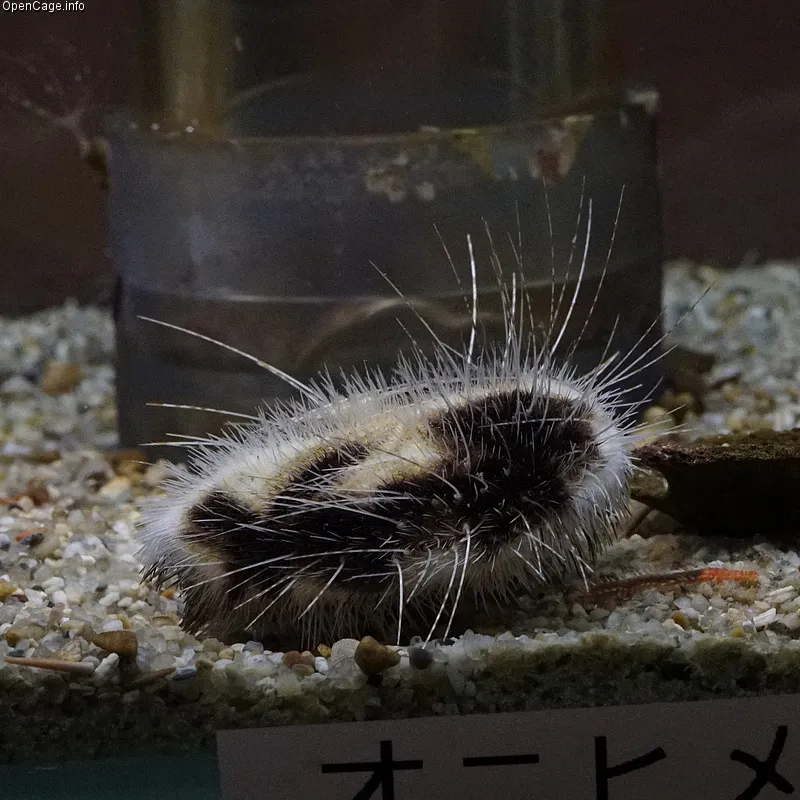 2.8 in (7 cm)53 gal (200 L)73–81°F (23–27°C)
Longspine heart urchin
Maretia planulata
2.8 in (7 cm) · 53 gal (200 L)
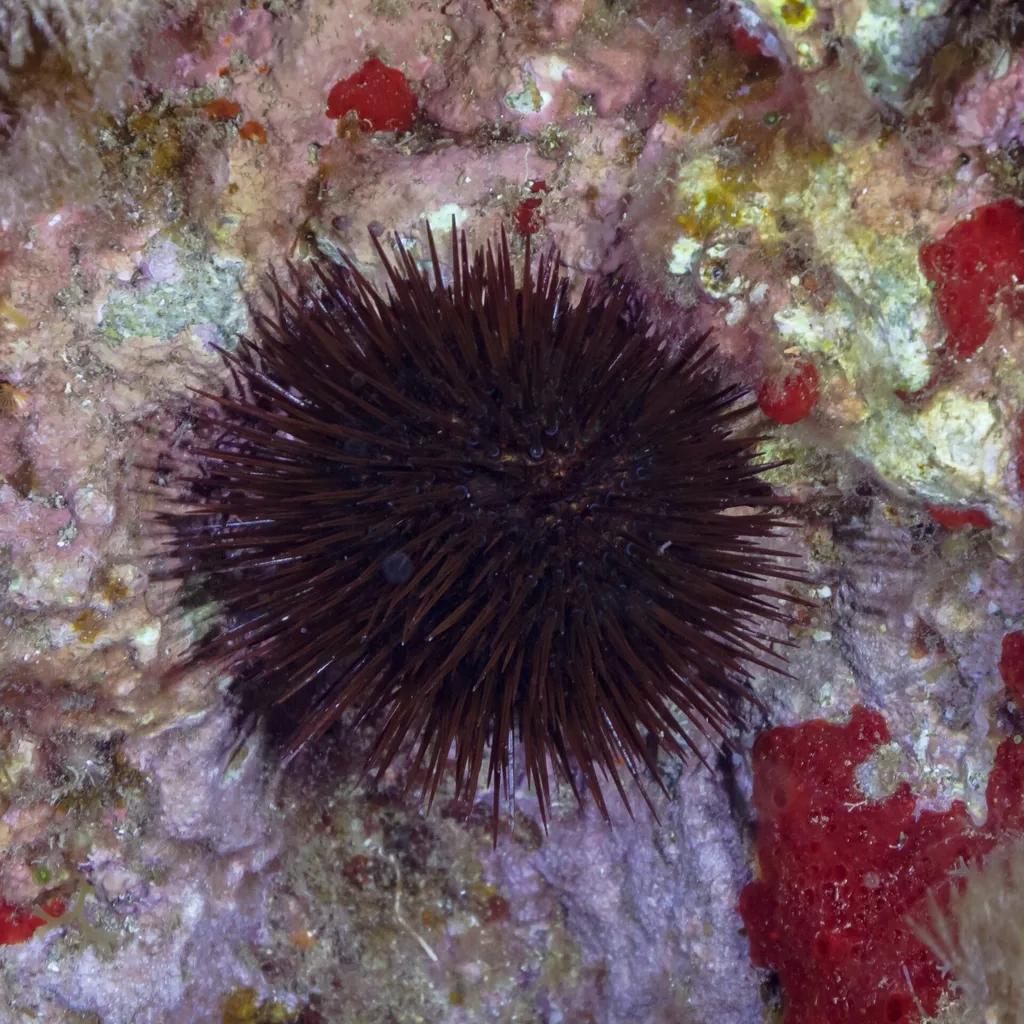 2.8 in (7 cm)40 gal (150 L)54–75°F (12–24°C)
Mediterranean purple urchin
Paracentrotus lividus
2.8 in (7 cm) · 40 gal (150 L)
 3 in (7.5 cm)11 gal (40 L)68–81°F (20–27°C)
Spurilla nudibranch
Spurilla neapolitana
3 in (7.5 cm) · 11 gal (40 L)
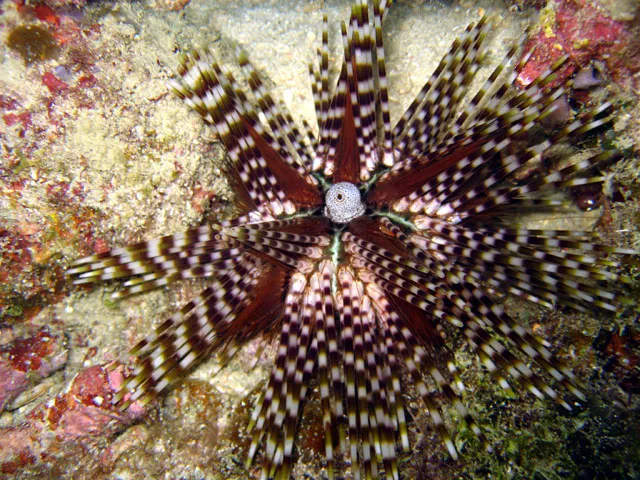 3.1 in (8 cm)50 gal (190 L)72–79°F (22–26°C)
Banded urchin
Echinothrix calamaris
3.1 in (8 cm) · 50 gal (190 L)
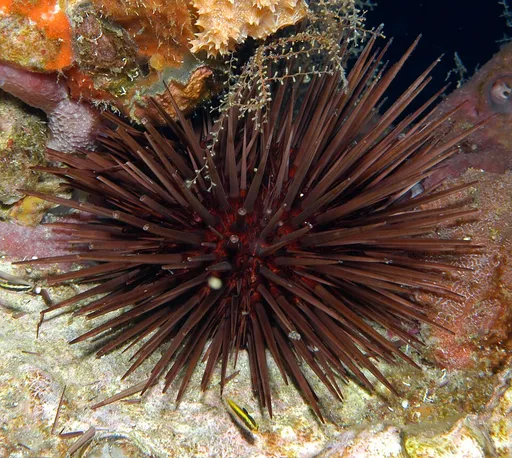 3.1 in (8 cm)20 gal (75 L)68–81°F (20–27°C)
Purple urchin
Arbacia punctulata
3.1 in (8 cm) · 20 gal (75 L)
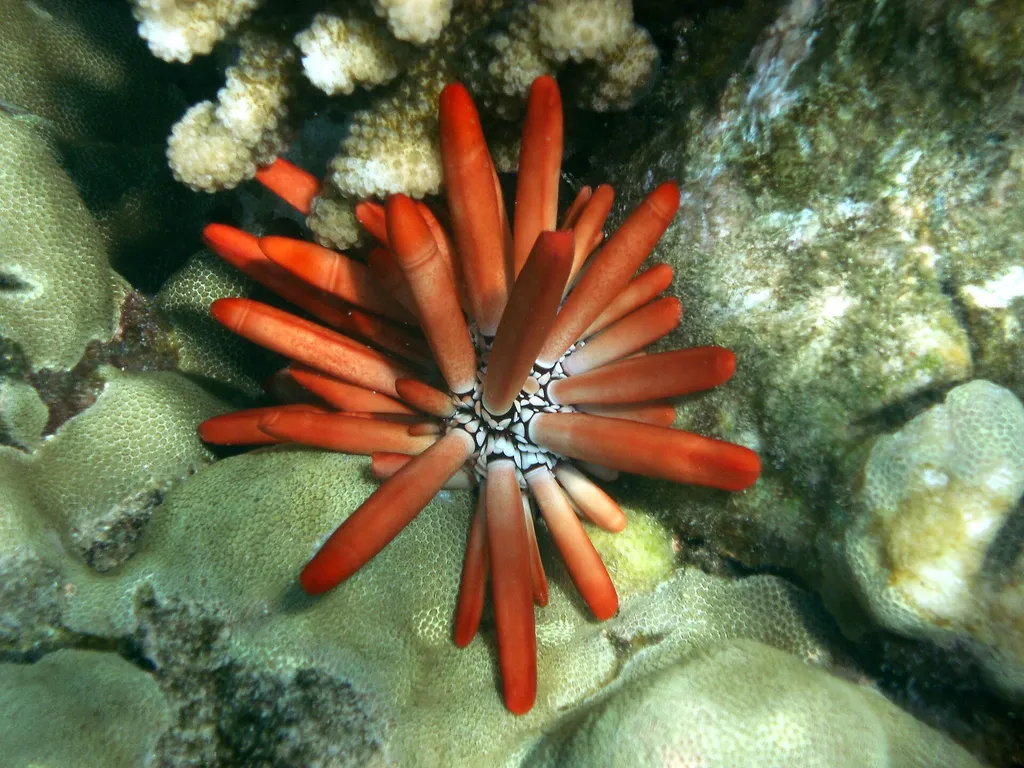 3.1 in (8 cm)50 gal (190 L)72–81°F (22–27°C)
Red slate pencil urchin
Heterocentrotus mamillatus
3.1 in (8 cm) · 50 gal (190 L)