Sand-sifting sea cucumber
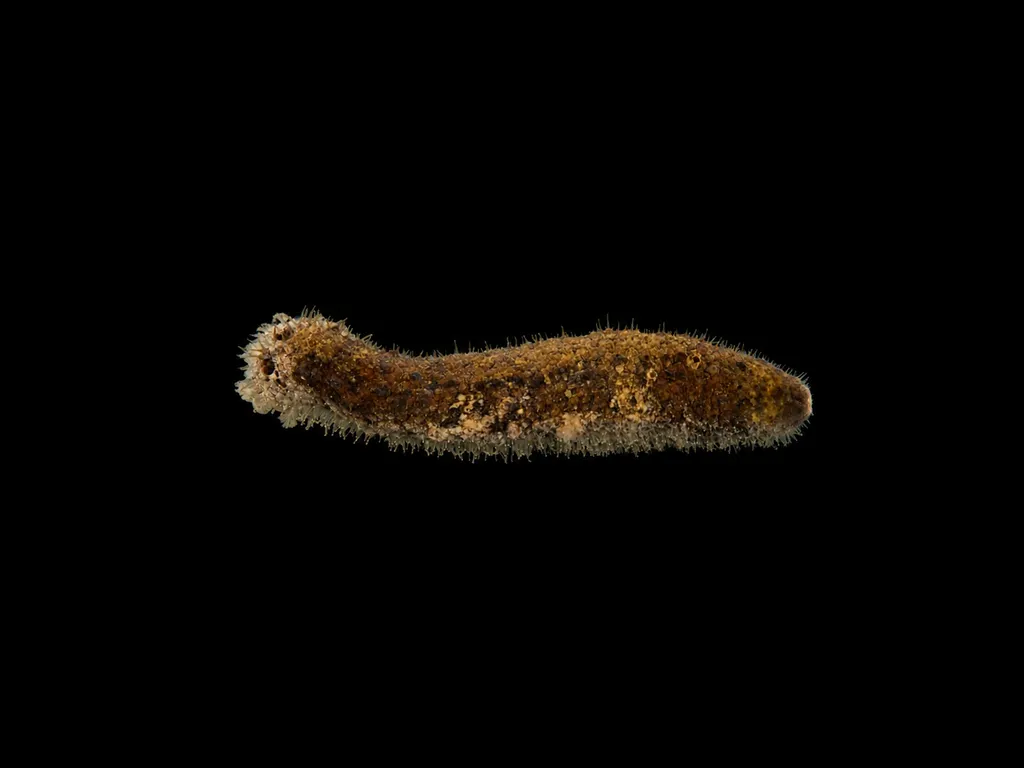
Holothuria floridana
Also known as Florida Sea Cucumber, Atlantic Sea Cucumber, Sand Sifting Cucumber
SaltwaterInvertebrate
Care at a glance
- Temperature
- 75–81°F
- 24–27°C
- pH
- 8.1–8.4
- Adult size
- 7.1 in
- 18 cm
- Minimum tank
- 20 gal
- 75 L
- Temperament
- Peaceful
- Social behavior
- Solitary
- Swim level
- Bottom
- Difficulty
- Easy
- Breeding
- No record
- Rarity
- Common
- Reef safe
- Reef safe
- Family
- Holothuriidae
- Origin
- Western Atlantic, including Florida, the Caribbean and the Gulf of Mexico
Overview
This is a slow, peaceful sand cleaner that spends its time processing the sand bed, which helps keep it aerated and free of built-up waste. It is reef safe, since it does not touch coral, fish, or other invertebrates, and its only real impact on tankmates is competing for the same detritus a cleanup crew relies on, so stock it in an established tank rather than alongside a large existing crew of sand-sifting snails and gobies. Feed sinking pellets if the sand bed runs low on natural food, and watch for a shrinking or deflated body, an early sign it is not getting enough to eat. Acclimate it with a slow drip over an hour or more, since sea cucumbers are especially sensitive to sudden changes in salinity, and like the rest of its family it can release toxins if it is crushed, badly injured, or dies, so handle it gently and only with clean, wet hands.
In the wild
Sand-sifting sea cucumbers live throughout the western Atlantic, including Florida, the wider Caribbean, and the Gulf of Mexico, working through the sand of seagrass beds and shallow reef flats a few metres down. Much of the body often stays tucked into a rock crevice or buried while the front end works the surrounding sand. In the aquarium it needs a mature system with a real, several-centimetre sand bed and an established population of detritus and microfauna to eat, since a brand new tank simply does not have enough food in the substrate to support it.
Good to know
Holothuria floridana is a deposit-feeding sea cucumber in the family Holothuriidae, taking in mouthfuls of sand with its oral tentacles and digesting the organic film, diatoms, and microorganisms coating each grain before passing the cleaned sand back out. Adults grow to roughly 15 to 18 cm, with a soft, leathery, mottled brown to tan body. Like other holothurians it can release toxic compounds called holothurins when badly stressed or injured, though it is generally considered milder in this regard than showier filter-feeding cucumbers such as the sea apple.
Did you know
It feeds by essentially eating its way through the sand bed, stripping off the thin film of algae and microorganisms coating each grain and leaving the sand itself behind, which is what makes it such an effective natural sand cleaner.
Common questions
What size tank does a Sand-sifting sea cucumber need?
A Sand-sifting sea cucumber needs at least 20 gal (75 L). It spends most of its time in the bottom.
What temperature and pH does a Sand-sifting sea cucumber need?
A Sand-sifting sea cucumber is comfortable at 75–81°F (24–27°C) with a pH of 8.1–8.4.
How big does a Sand-sifting sea cucumber get?
An adult Sand-sifting sea cucumber reaches about 7.1 in (18 cm).
Related species
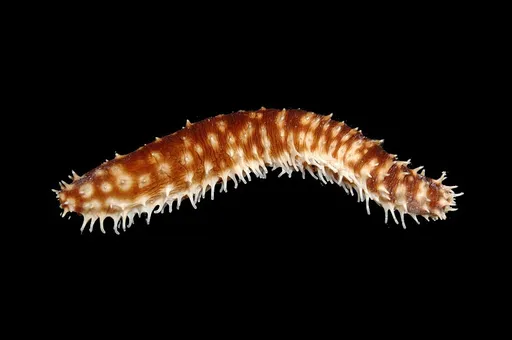 17.7 in (45 cm)50 gal (190 L)72–79°F (22–26°C)
Tiger tail sea cucumber
Holothuria hilla
17.7 in (45 cm) · 50 gal (190 L)
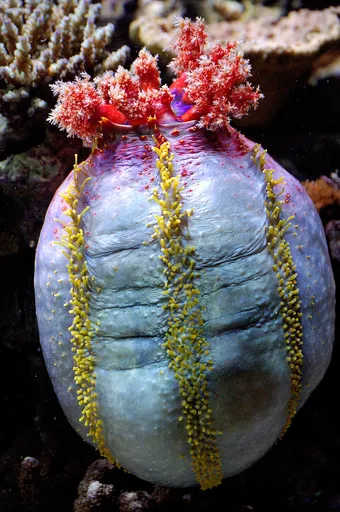 7.1 in (18 cm)20 gal (75 L)75–81°F (24–27°C)
Sea apple
Pseudocolochirus violaceus
7.1 in (18 cm) · 20 gal (75 L)
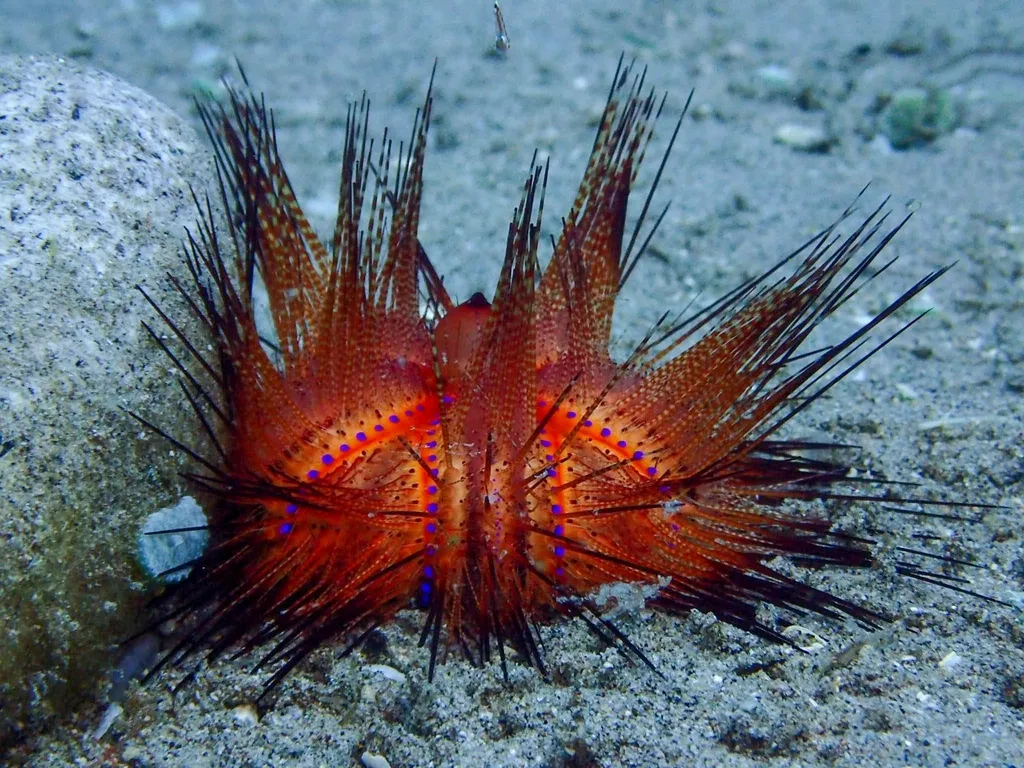 7.9 in (20 cm)100 gal (380 L)72–82°F (22–28°C)
Blue spot urchin
Astropyga radiata
7.9 in (20 cm) · 100 gal (380 L)
- 7.9 in (20 cm)53 gal (200 L)72–81°F (22–27°C)
Sea biscuit
Clypeaster subdepressus
7.9 in (20 cm) · 53 gal (200 L)
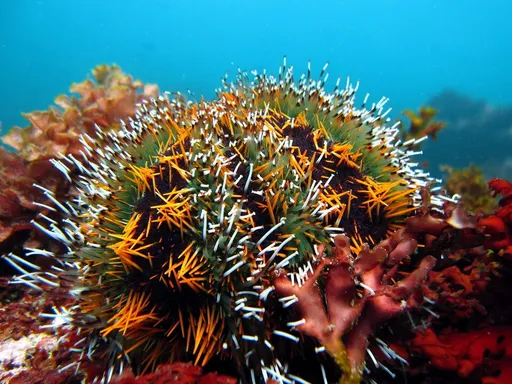 5.9 in (15 cm)20 gal (75 L)75–81°F (24–27°C)
Collector urchin
Tripneustes gratilla
5.9 in (15 cm) · 20 gal (75 L)
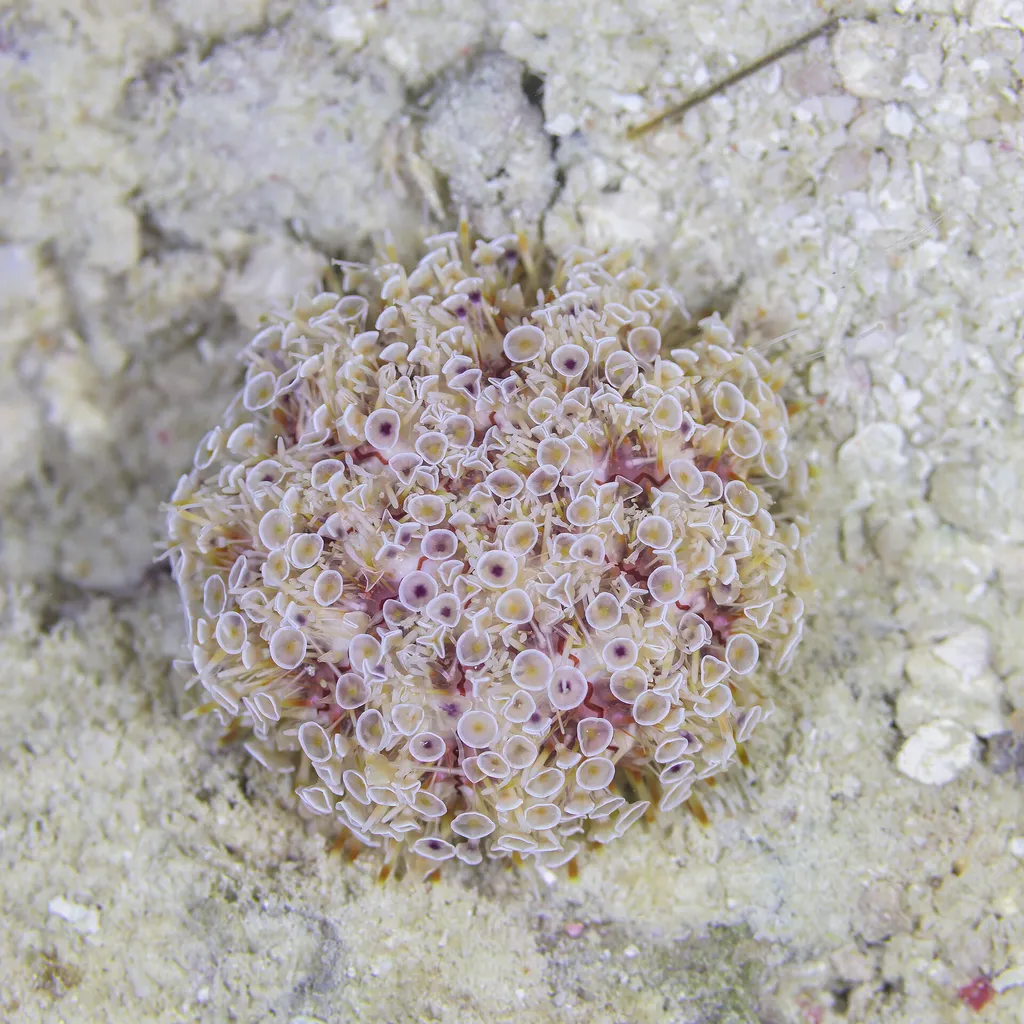 5.9 in (15 cm)100 gal (380 L)72–82°F (22–28°C)
Flower urchin
Toxopneustes pileolus
5.9 in (15 cm) · 100 gal (380 L)