Sea biscuit
Clypeaster subdepressus
Also known as Sand dollar, Brown sea biscuit, Flat sea biscuit, Sea biscuit urchin
SaltwaterInvertebrate
Care at a glance
- Temperature
- 72–81°F
- 22–27°C
- pH
- 8.1–8.4
- Adult size
- 7.9 in
- 20 cm
- Minimum tank
- 53 gal
- 200 L
- Temperament
- Peaceful
- Social behavior
- Solitary
- Tankmates
- With caution
- Swim level
- Bottom
- Difficulty
- Difficult
- Breeding
- Hard
- Rarity
- Rare
- Reef safe
- Reef safe
- Family
- Clypeasteridae
- Origin
- Western Atlantic sand flats, North Carolina and the Caribbean to Brazil
Overview
Peaceful and reef safe in the sense that it cannot hurt coral or fish, but it usually starves. A home sand bed does not hold enough food for a large, full-time deposit feeder, and losses tend to come months after purchase when the bed is picked clean. Keep it only in a big, old, lightly cleaned tank with a deep live sand bed and no sand-sifting gobies, sea cucumbers, sea stars, or crabs competing for the same food. Drip acclimate it slowly, never lift it into the air, keep nitrate low, and never use copper. It will plough under frags that sit on the sand, so keep them on rock.
In the wild
The sea biscuit lives buried just under the surface of open sand and shelly bottom with little or no seagrass, from North Carolina through the Gulf of Mexico and the Caribbean to Rio de Janeiro. It ploughs forward at a shallow angle with its front edge under the sand, and if dug up it reburies itself in six to twelve minutes. In the tank it needs a wide bed of mature coarse aragonite sand at least 7 to 10 cm deep, gentle flow, and 200 liters or more of footprint. Water stays at 22 to 27 C with pH 8.1 to 8.4.
Good to know
Clypeaster subdepressus is an irregular urchin in the family Clypeasteridae, order Clypeasteroida, the same group as the true sand dollars but thicker, with a low domed top and a flat underside. The test reaches about 20 cm long, with records near 30 cm, and it is covered in a velvet of tiny spines. It eats organic matter, diatoms, and bacteria sorted out of coarse sand, pushing food along mucus-lined grooves to a mouth in the centre of the underside. Its main predator is the king helmet snail, Cassis tuberosa. Larvae have been reared in the lab and settle after 16 to 28 days, but nobody breeds it for the trade.
Did you know
Flipped onto its back, a sea biscuit takes about an hour to right itself, and once dug up it is back under the sand in six to twelve minutes. That quick reburial suits a deposit feeder that needs to stay covered, unlike the sand dollar Dendraster excentricus, which stands on edge to filter feed instead.
Common questions
What size tank does a Sea biscuit need?
A Sea biscuit needs at least 53 gal (200 L). It spends most of its time in the bottom.
What temperature and pH does a Sea biscuit need?
A Sea biscuit is comfortable at 72–81°F (22–27°C) with a pH of 8.1–8.4.
How big does a Sea biscuit get?
An adult Sea biscuit reaches about 7.9 in (20 cm).
Related species
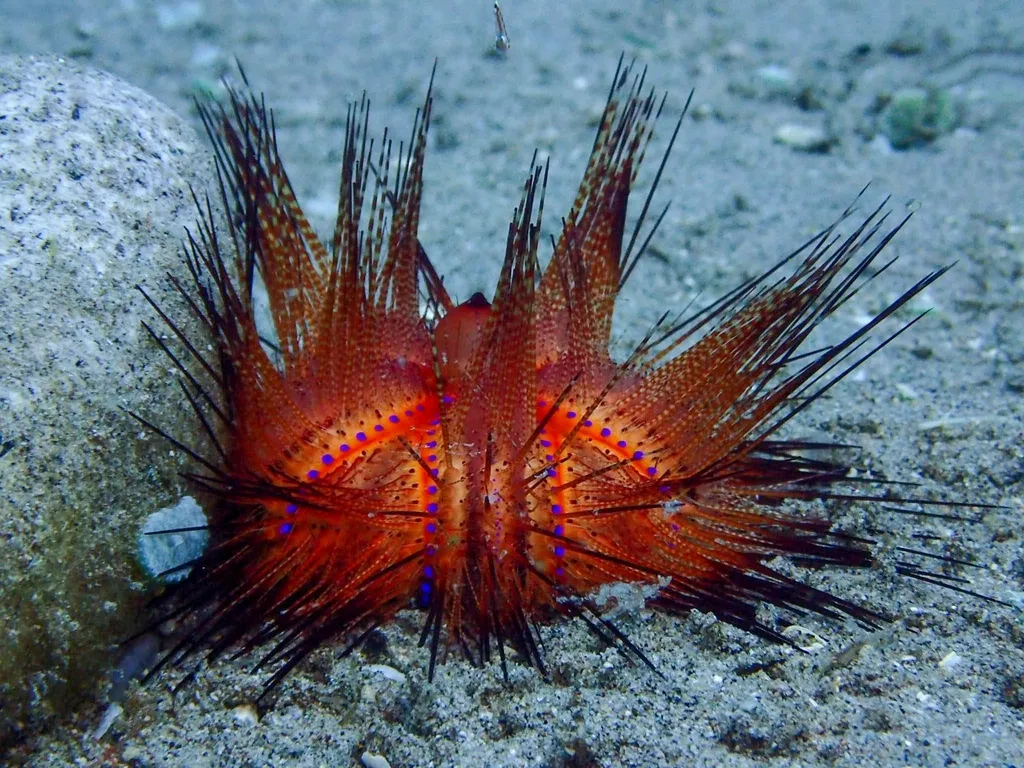 7.9 in (20 cm)100 gal (380 L)72–82°F (22–28°C)
Blue spot urchin
Astropyga radiata
7.9 in (20 cm) · 100 gal (380 L)
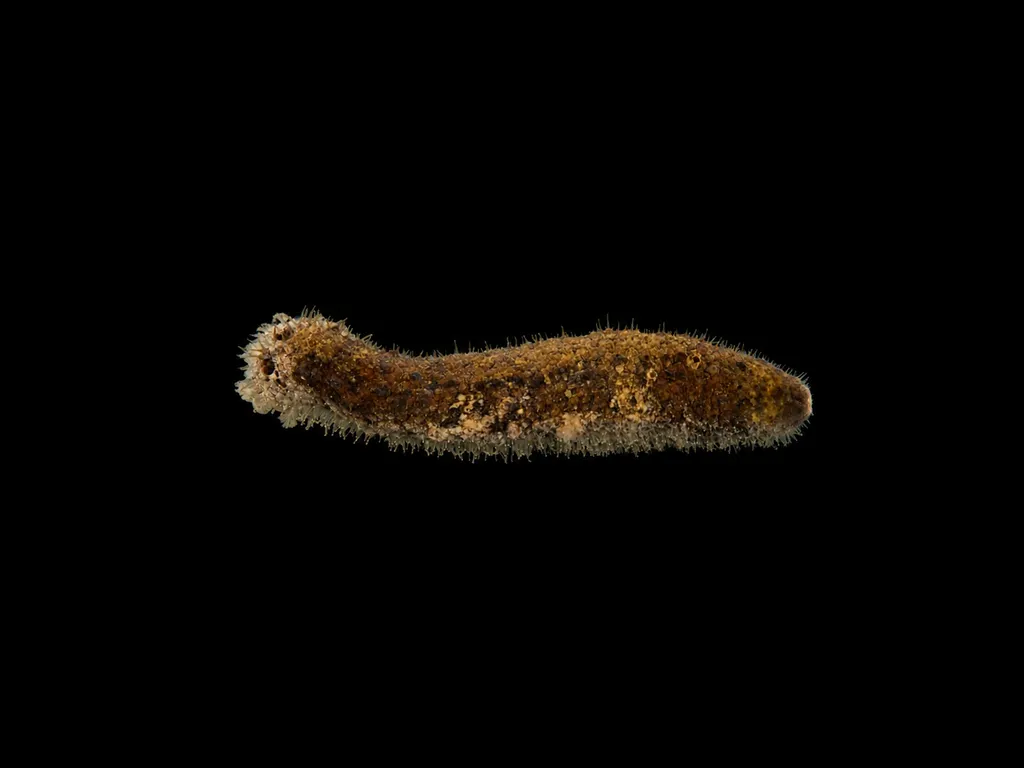 7.1 in (18 cm)20 gal (75 L)75–81°F (24–27°C)
Sand-sifting sea cucumber
Holothuria floridana
7.1 in (18 cm) · 20 gal (75 L)
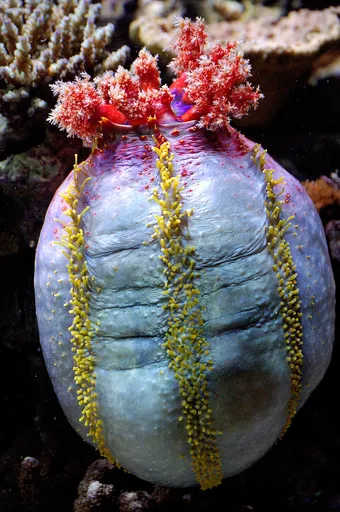 7.1 in (18 cm)20 gal (75 L)75–81°F (24–27°C)
Sea apple
Pseudocolochirus violaceus
7.1 in (18 cm) · 20 gal (75 L)
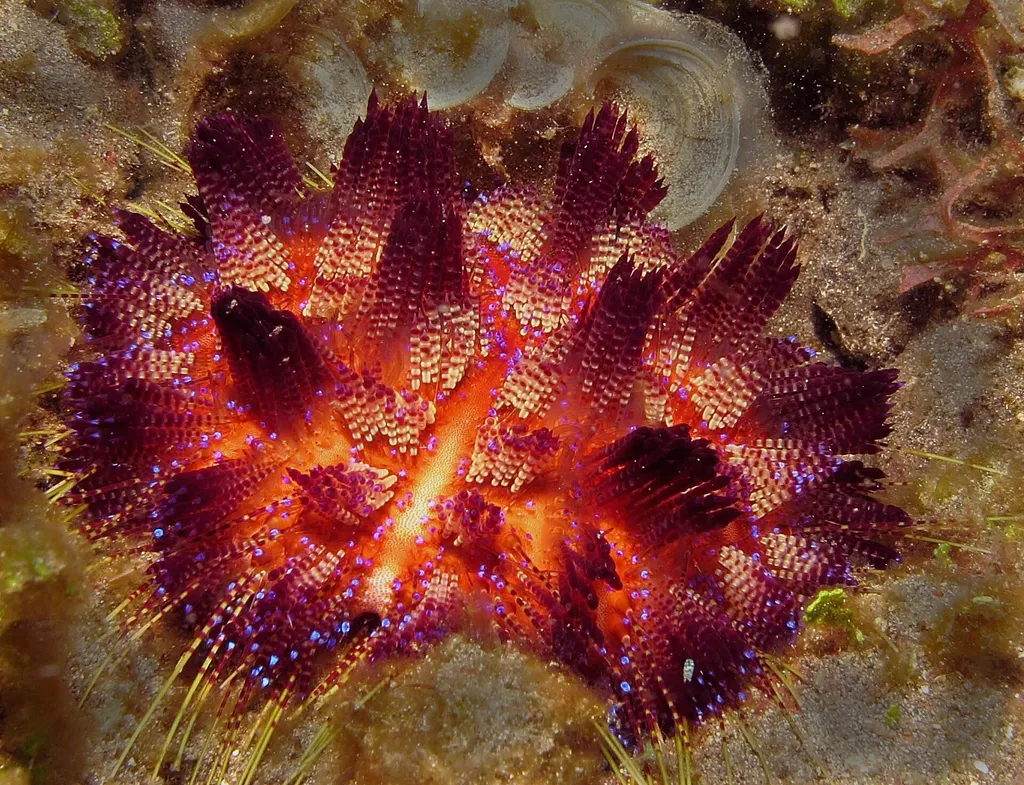 9.8 in (25 cm)201 gal (760 L)72–81°F (22–27°C)
Fire urchin
Asthenosoma varium
9.8 in (25 cm) · 201 gal (760 L)
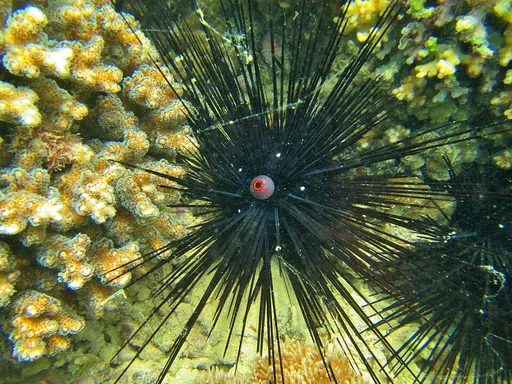 9.8 in (25 cm)50 gal (190 L)72–79°F (22–26°C)
Long-spine urchin
Diadema setosum
9.8 in (25 cm) · 50 gal (190 L)
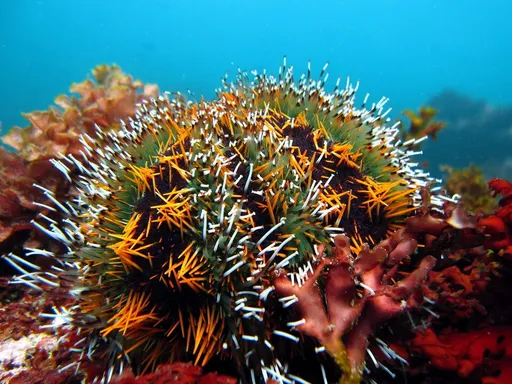 5.9 in (15 cm)20 gal (75 L)75–81°F (24–27°C)
Collector urchin
Tripneustes gratilla
5.9 in (15 cm) · 20 gal (75 L)