Shingle urchin
Colobocentrotus atratus
Also known as Helmet urchin, Shield urchin, Plate urchin
SaltwaterInvertebrate
Care at a glance
- Temperature
- 73–82°F
- 23–28°C
- pH
- 8.1–8.4
- Adult size
- 3.9 in
- 10 cm
- Minimum tank
- 53 gal
- 200 L
- Temperament
- Peaceful
- Social behavior
- Solitary
- Tankmates
- With caution
- Swim level
- Bottom
- Difficulty
- Difficult
- Breeding
- No record
- Rarity
- Very rare
- Reef safe
- Reef safe with caution
- Family
- Echinometridae
- Origin
- Wave-swept Indo-West Pacific rocky shores, especially Hawaii
Overview
Peaceful and harmless to fish, and it does not eat coral tissue, but it is a reef caution because it strips coralline algae bare and because a reef tank cannot give it the surf it is built for. Most shingle urchins fade over months in still, warm water, though a few keepers report years with one on the glass under very high flow. Keep one, drip acclimate it, feed dried seaweed pressed onto the rock when the coralline is gone, hold nitrate low, and never use copper. It has no venom and can be handled, but its grip is so strong that pulling it off the glass tears its tube feet.
In the wild
The shingle urchin lives on the most wave-beaten intertidal rock in the Indo-West Pacific, from Sri Lanka and the Bay of Bengal through Indonesia to Hawaii, where it is known as ha'uke'uke and is common on black lava shores pounded by surf. It sits in the open in clusters at and just below the tide line, in the top 5 m. No home tank reproduces that. If you try, it needs 200 liters or more with very strong, surging, well-oxygenated flow, bare rock thick with coralline algae, and tropical water at 23 to 28 C with pH 8.1 to 8.4.
Good to know
Colobocentrotus atratus is a regular urchin in the family Echinometridae, the same family as the rock-boring urchin. The dome-shaped test reaches about 10 cm but is usually smaller, and its upper spines are flattened and fused into a smooth mosaic of dark maroon plates like roof shingles, with a skirt of paddle-shaped spines around the rim, giving it a limpet shape that sheds waves. Underneath it has an unusually large number of tube feet, and lab tests found it holds on in water speeds above 17 m per second, roughly three times what a rock-boring urchin survives. It scrapes coralline algae and algal film from rock with its lantern. In Hawaii, where it is most abundant, it is gathered as food, and almost none reach the aquarium trade.
Did you know
In a lab flume the shingle urchin stayed put at 17.5 m per second and some individuals held at 27.5 m per second, water speeds that would strip most animals off the rock. The trick is not the helmet shape but the sheer number of tube feet glued to the rock.
Common questions
What size tank does a Shingle urchin need?
A Shingle urchin needs at least 53 gal (200 L). It spends most of its time in the bottom.
What temperature and pH does a Shingle urchin need?
A Shingle urchin is comfortable at 73–82°F (23–28°C) with a pH of 8.1–8.4.
How big does a Shingle urchin get?
An adult Shingle urchin reaches about 3.9 in (10 cm).
Related species
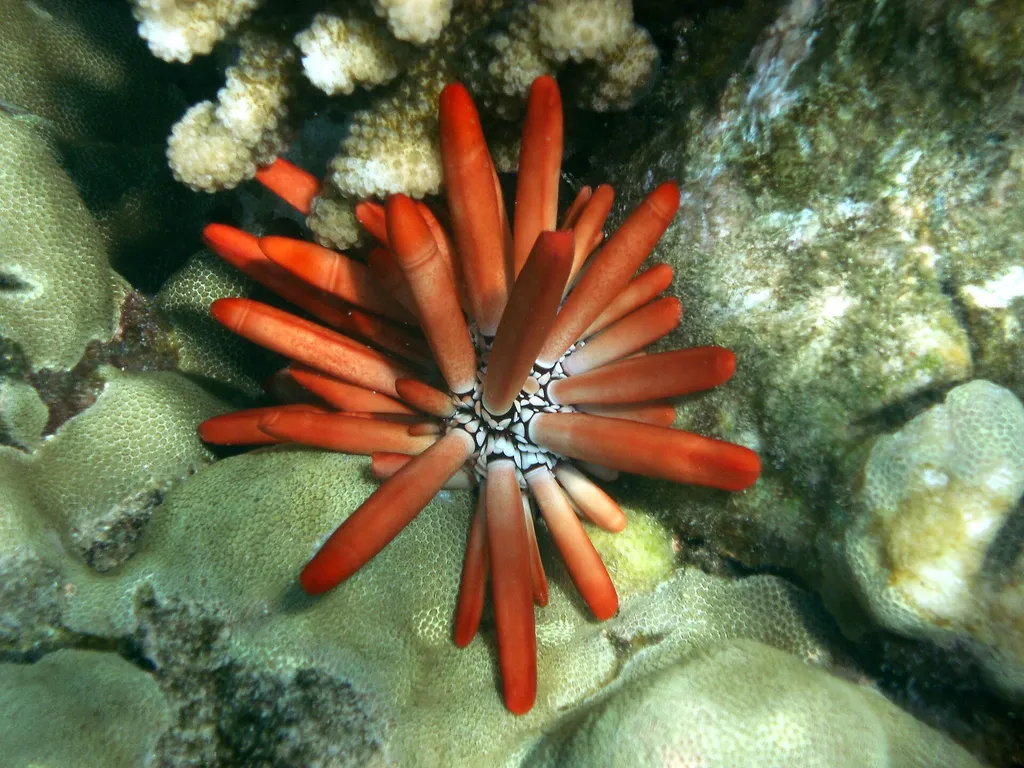 3.1 in (8 cm)50 gal (190 L)72–81°F (22–27°C)
Red slate pencil urchin
Heterocentrotus mamillatus
3.1 in (8 cm) · 50 gal (190 L)
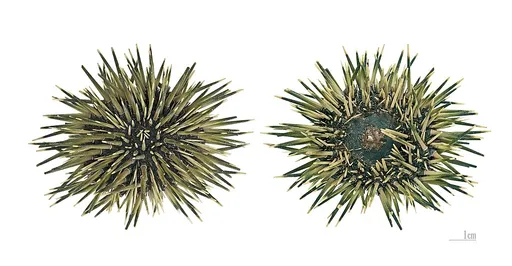 3.1 in (8 cm)20 gal (75 L)72–81°F (22–27°C)
Rock-boring urchin
Echinometra mathaei
3.1 in (8 cm) · 20 gal (75 L)
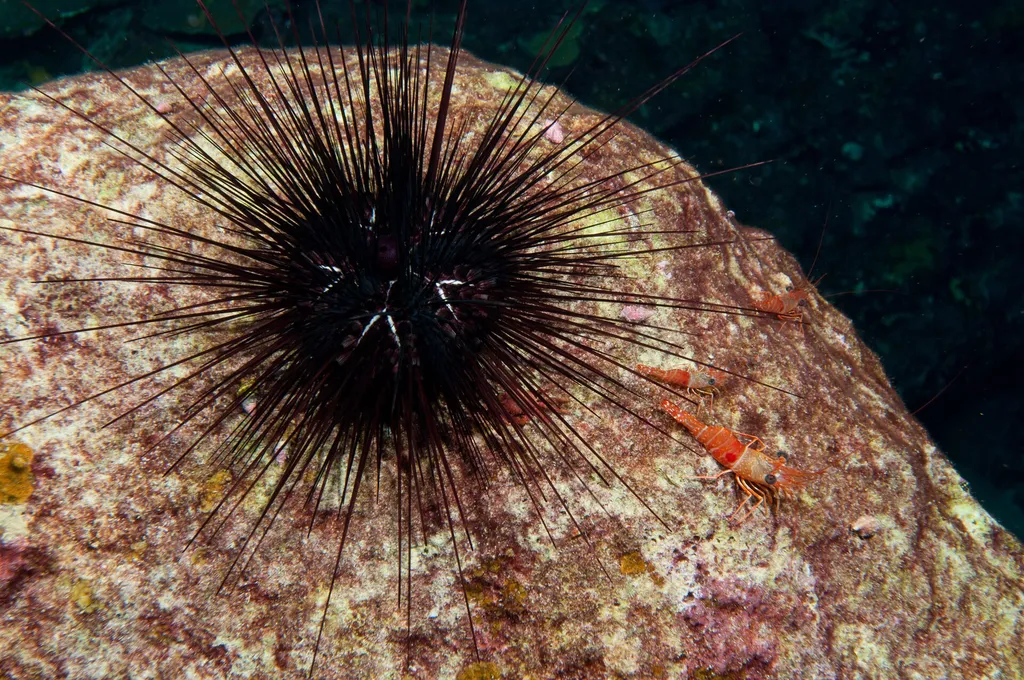 3.9 in (10 cm)79 gal (300 L)72–81°F (22–27°C)
Caribbean long-spined urchin
Diadema antillarum
3.9 in (10 cm) · 79 gal (300 L)
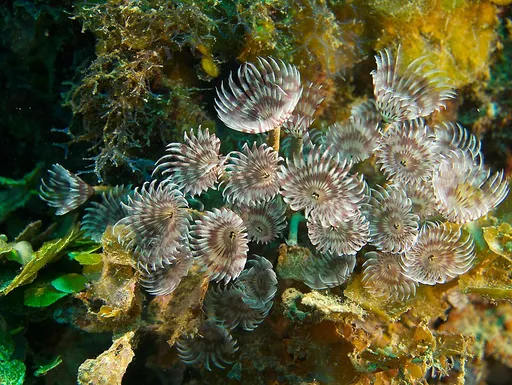 3.9 in (10 cm)11 gal (40 L)75–81°F (24–27°C)
Social feather duster
Bispira brunnea
3.9 in (10 cm) · 11 gal (40 L)
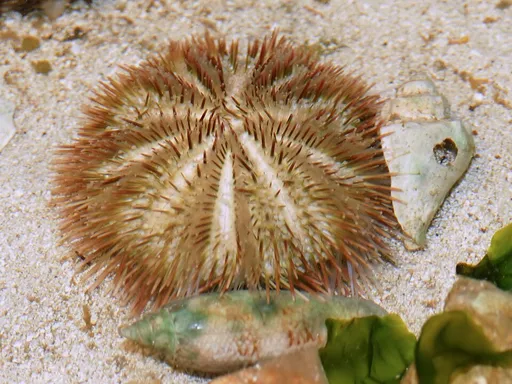 3.9 in (10 cm)20 gal (75 L)72–81°F (22–27°C)
White urchin
Lytechinus variegatus
3.9 in (10 cm) · 20 gal (75 L)
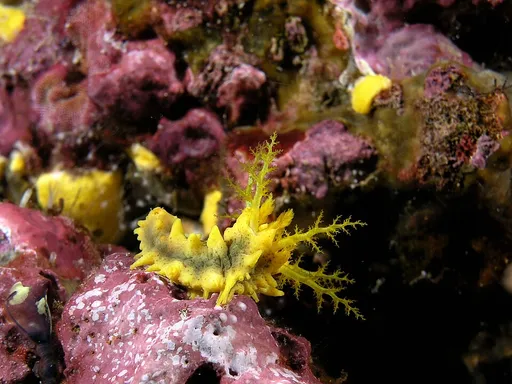 3.9 in (10 cm)11 gal (40 L)75–81°F (24–27°C)
Yellow sea cucumber
Colochirus robustus
3.9 in (10 cm) · 11 gal (40 L)