Flame scallop
Ctenoides scaber
Also known as Rough Fileclam, Rough File Clam, Red File Clam, Flame File Clam, Lima scabra
SaltwaterInvertebrate
Care at a glance
- Temperature
- 75–81°F
- 24–27°C
- pH
- 8.1–8.4
- Adult size
- 3.5 in
- 9 cm
- Minimum tank
- 30 gal
- 115 L
- Temperament
- Peaceful
- Social behavior
- Solitary
- Swim level
- Bottom
- Difficulty
- Difficult
- Breeding
- No record
- Rarity
- Common
- Reef safe
- Reef safe
- Family
- Limidae
- Origin
- Caribbean, Bahamas, and Florida, wedged in reef crevices and under ledges.
Overview
It needs an established tank of 115 litres or more at 24 to 27 C and pH 8.1 to 8.4 with a shaded crevice to tuck into. The hard part is food, since it is a pure filter feeder that needs frequent target feeding of phytoplankton and fine particles, and most specimens slowly starve over a few months. It is harmless to corals and fish but is best attempted only by keepers ready to dose plankton often.
In the wild
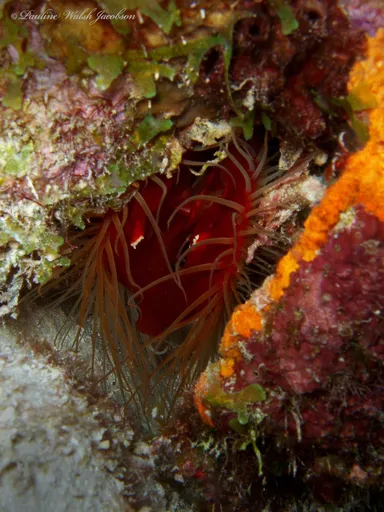
The flame scallop is a filter feeding bivalve with a rough ribbed shell and a brilliant red mantle fringed by long red and white tentacles. It wedges itself into a shaded crevice and fans water through its gills to feed. Despite the bright color it is a clam relative, not a coral.
Good to know
Ctenoides scaber, also listed under its old name Lima scabra, gets its red color from carotenoid pigments in its tissue. A close relative, the electric flame scallop, produces rippling flashes of light along its mantle edge, but this species does not.
Did you know
If threatened it can clap its shell shut and jet backward through the water to escape.
Common questions
What size tank does a Flame scallop need?
A Flame scallop needs at least 30 gal (115 L). It spends most of its time in the bottom.
What temperature and pH does a Flame scallop need?
A Flame scallop is comfortable at 75–81°F (24–27°C) with a pH of 8.1–8.4.
How big does a Flame scallop get?
An adult Flame scallop reaches about 3.5 in (9 cm).
Related species
 3.9 in (10 cm)79 gal (300 L)72–81°F (22–27°C)
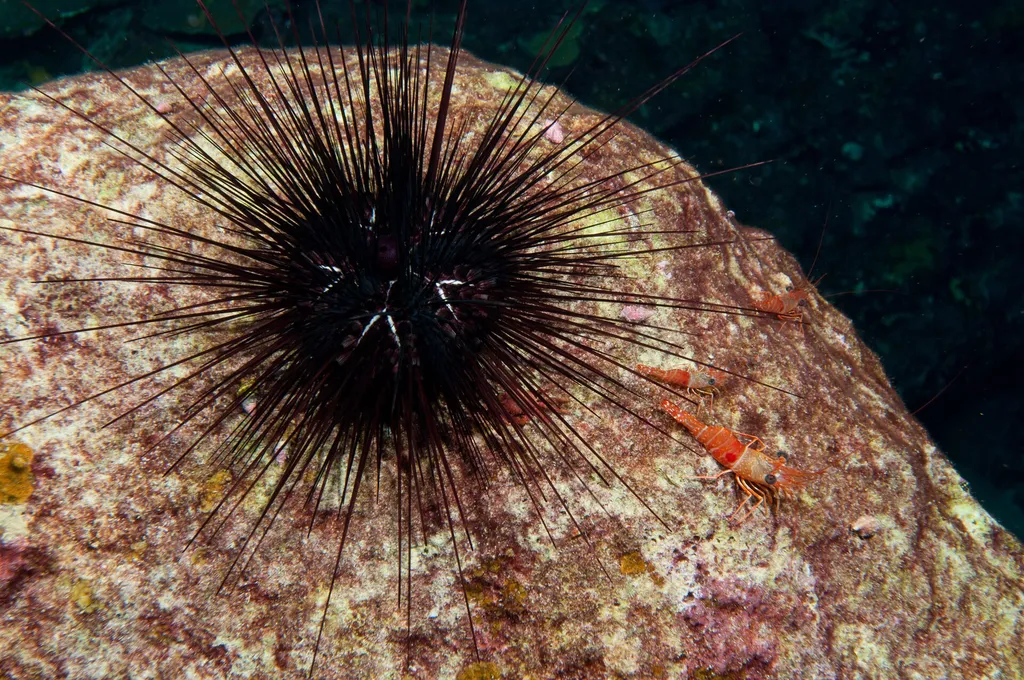
Caribbean long-spined urchin
Diadema antillarum
3.9 in (10 cm) · 79 gal (300 L)
 3.9 in (10 cm)11 gal (40 L)75–81°F (24–27°C)
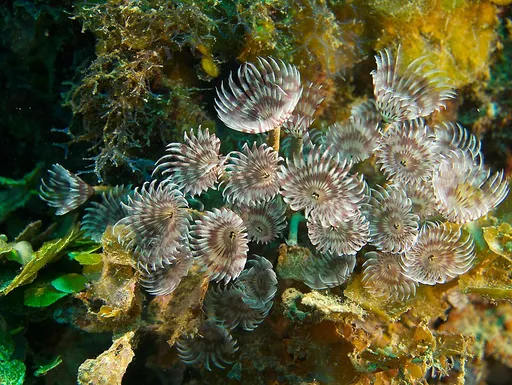
Social feather duster
Bispira brunnea
3.9 in (10 cm) · 11 gal (40 L)
 3.9 in (10 cm)20 gal (75 L)72–81°F (22–27°C)
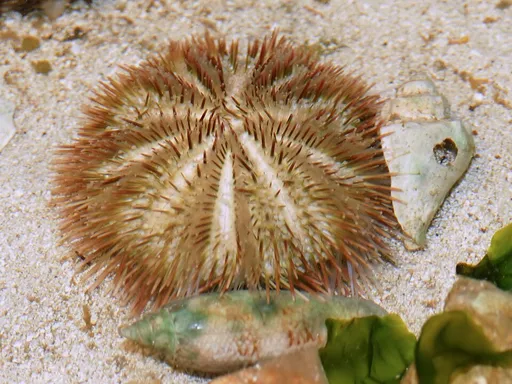
White urchin
Lytechinus variegatus
3.9 in (10 cm) · 20 gal (75 L)
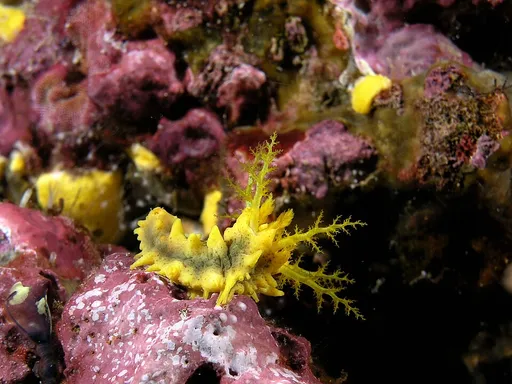 3.9 in (10 cm)11 gal (40 L)75–81°F (24–27°C)
Yellow sea cucumber
Colochirus robustus
3.9 in (10 cm) · 11 gal (40 L)
- 3.9 in (10 cm)53 gal (200 L)73–82°F (23–28°C)
Shingle urchin
Colobocentrotus atratus
3.9 in (10 cm) · 53 gal (200 L)
- 3.9 in (10 cm)79 gal (300 L)72–81°F (22–27°C)
Sputnik urchin
Phyllacanthus imperialis
3.9 in (10 cm) · 79 gal (300 L)