Horse hoof clam
Hippopus hippopus
Also known as Bear Paw Clam, Strawberry Clam, Hippopus Clam
SaltwaterClam
Care at a glance
- Temperature
- 75–81°F
- 24–27°C
- pH
- 8.1–8.4
- Adult size
- 11.8 in
- 30 cm
- Minimum tank
- 40 gal
- 150 L
- Temperament
- Peaceful
- Social behavior
- Solitary
- Swim level
- Bottom
- Difficulty
- Medium
- Breeding
- Hard
- Rarity
- Common
- Reef safe
- Reef safe
- Family
- Cardiidae (Tridacninae)
- Origin
- Indo-Pacific, common around Indonesia and Palau and ranging from India to Kiribati
Overview
It wants moderately high, stable reef lighting, a bit less exacting than a maxima or crocea but still well above what a low-light coral would need. Calcium, alkalinity, and magnesium should stay elevated and consistent, calcium at least 380 to 440 ppm, alkalinity 8 to 11 dKH, and magnesium 1280 to 1350 ppm, to support its notably thick, heavy shell. Give it a stretch of open sandbed rather than rockwork, since adults are not byssally attached and simply rest in place. Juveniles under about 8 cm benefit from a phytoplankton or greenwater supplement a few times a week on top of what they get from light. Because its mantle sits flush with the shell rather than draping over the edge, it offers less exposed tissue to mantle-nipping wrasses, crabs, shrimp, and pyramid snails than a Tridacna clam does, though it is not immune and should still be watched. Acclimate a new arrival slowly, floating to match temperature, drip acclimating over an hour or more, and giving it a lower-light spot for the first week or two before moving it into full light.
In the wild
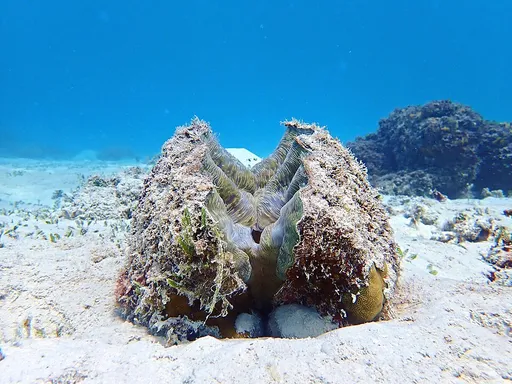
Lives on shallow reef flats, seagrass beds, and sandy lagoon floors across the Indo-Pacific, most commonly around Indonesia and Palau. Juveniles briefly byssal-attach to solid substrate, but adults sit free in loose sand or rubble rather than staying fixed to rock the way most Tridacna do. In the aquarium it wants an open sandbed with room to sit, not a rock perch.
Good to know
Hippopus hippopus sits in the family Cardiidae, subfamily Tridacninae, in its own genus alongside just one other species, and its thick, heavily ridged shell carries the strawberry-red blotches that give it its other common name. The clearest way to tell it apart from a true Tridacna clam is the mantle itself: it stays flush with the shell margin and never overhangs the edge the way a maxima or derasa mantle does. It still hosts photosynthetic zooxanthellae and depends on them for most of its energy and shell-building, and it carries the same CITES Appendix II protection as every other giant clam, with the IUCN listing it as vulnerable due to overharvesting across parts of its range.
Did you know
Unlike the mostly ornamental trade pressure on other giant clams, this species has historically been fished hard as food across the Pacific and Southeast Asia, with its meat sold fresh in local markets, and that subsistence harvest, more than the aquarium trade, is the main reason wild populations have crashed in several countries.
Common questions
What size tank does a Horse hoof clam need?
A Horse hoof clam needs at least 40 gal (150 L). It spends most of its time in the bottom.
What temperature and pH does a Horse hoof clam need?
A Horse hoof clam is comfortable at 75–81°F (24–27°C) with a pH of 8.1–8.4.
How big does a Horse hoof clam get?
An adult Horse hoof clam reaches about 11.8 in (30 cm).
Related species
 15.7 in (40 cm)106 gal (400 L)75–81°F (24–27°C)
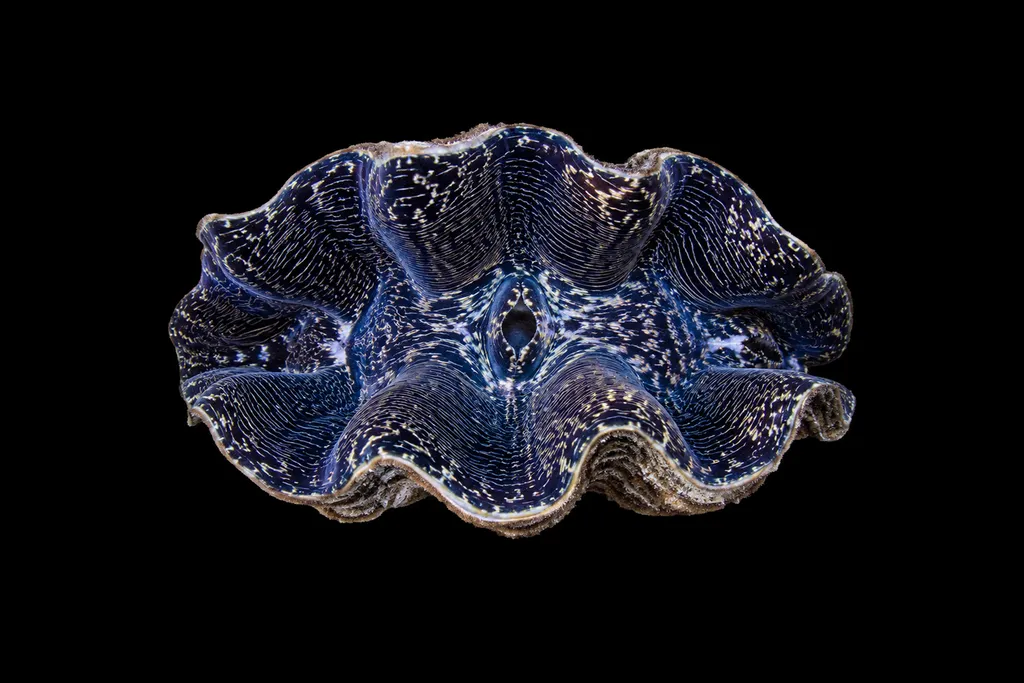
China clam
Hippopus porcellanus
15.7 in (40 cm) · 106 gal (400 L)
 13.8 in (35 cm)40 gal (150 L)75–81°F (24–27°C)
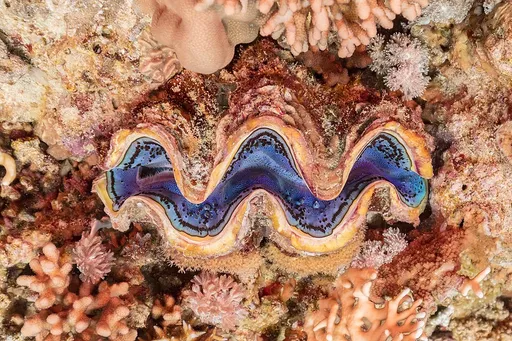
Maxima clam
Tridacna maxima
13.8 in (35 cm) · 40 gal (150 L)
 15.7 in (40 cm)40 gal (150 L)75–81°F (24–27°C)
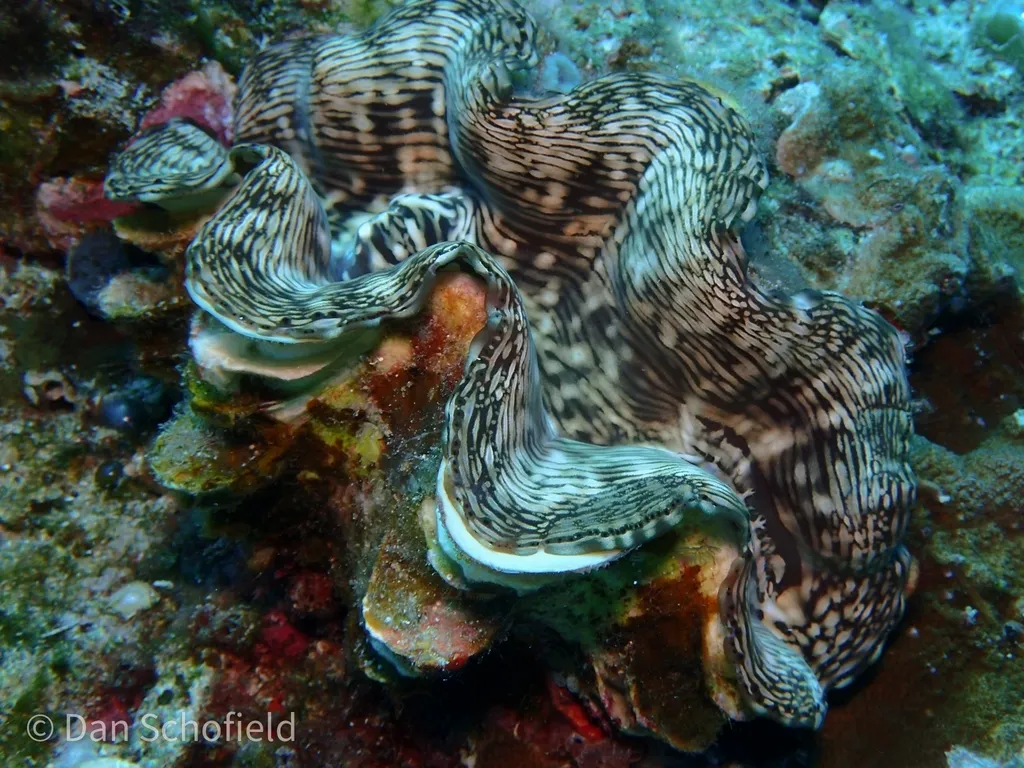
Squamosa clam
Tridacna squamosa
15.7 in (40 cm) · 40 gal (150 L)
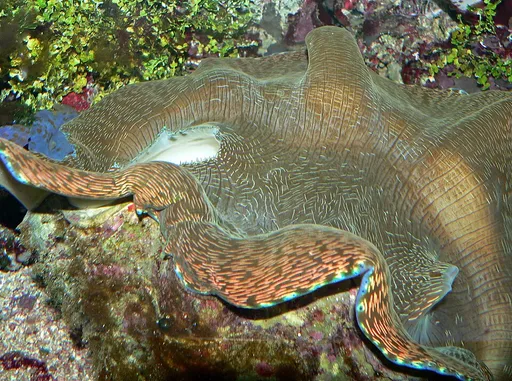 19.7 in (50 cm)40 gal (150 L)75–81°F (24–27°C)
Derasa clam
Tridacna derasa
19.7 in (50 cm) · 40 gal (150 L)
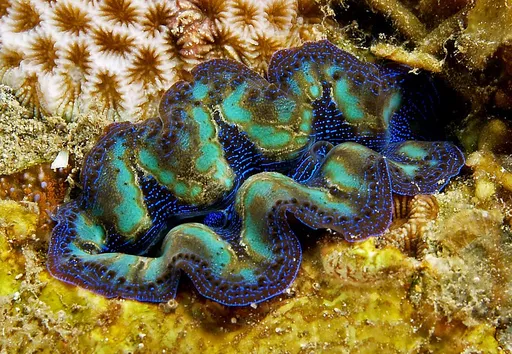 5.9 in (15 cm)30 gal (115 L)75–81°F (24–27°C)
Crocea clam
Tridacna crocea
5.9 in (15 cm) · 30 gal (115 L)
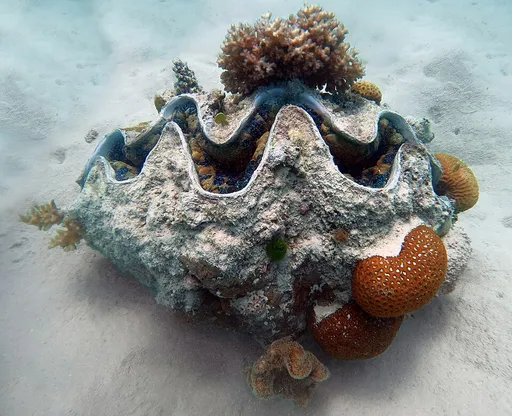 47.2 in (120 cm)198 gal (750 L)75–81°F (24–27°C)
Gigas clam
Tridacna gigas
47.2 in (120 cm) · 198 gal (750 L)