Convict tang
Acanthurus triostegus
Also known as Convict Surgeonfish, Manini, Fiveband Surgeonfish
SaltwaterFish
Care at a glance
- Temperature
- 75–82°F
- 24–28°C
- pH
- 8.1–8.4
- Adult size
- 10.6 in
- 27 cm
- Minimum tank
- 124 gal
- 470 L
- Temperament
- Peaceful
- Social behavior
- Schooling
- Swim level
- Middle
- Difficulty
- Medium
- Breeding
- No record
- Rarity
- Common
- Reef safe
- Reef safe
- Family
- Acanthuridae
- Origin
- Indo-Pacific and eastern Pacific reefs, from East Africa to Central America
Overview
One of the calmest tangs available and unusual in that it genuinely does better with company: a group introduced together will shoal peacefully, while a lone fish added to a tank with other surgeonfish is more likely to be bullied than to start trouble itself. Reef safe with corals and invertebrates. Feed it nori and dried seaweed often, since its diet in the wild is almost entirely filamentous algae, with meaty frozen food offered as a supplement rather than a staple. It is still a tang and can pick up marine ich under stress, so quarantine new arrivals rather than assume its mild temperament makes it any hardier than the rest of the family.
In the wild
One of the most widely distributed reef fish in the world, found from East Africa across the Indo-Pacific to Central America. Juveniles crowd shallow tide pools and reef flats before adults move out to lagoons and seaward reefs down to 90 m. It is an active swimmer that does best with a long, open lane for cruising plus mature live rock to graze; a single fish needs at least 470 litres (125 US gal), and a proper school needs considerably more room.
Good to know
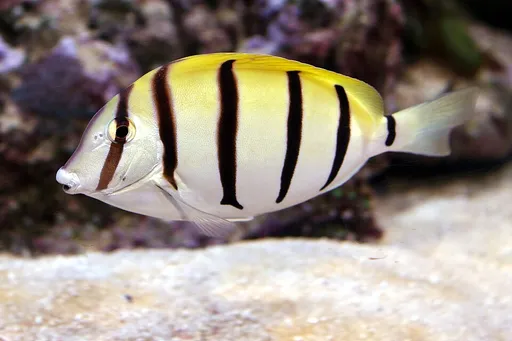
Carries the same folding tail spine as other surgeonfish but is far less inclined to use it than most of its relatives. Named for the five to six vertical black bars across its silvery-white body, it reaches about 27 cm, though most individuals seen on the reef are closer to 17 cm. In the wild it forms large feeding schools that can overwhelm territorial damselfish by sheer numbers, a strategy that also spreads out the risk from any one predator.
Did you know
Hawaiians call it manini, and the word has drifted into local slang to mean stingy or insignificant, since a modest-sized manini was considered a meager catch next to bigger reef fish.
Weekly picks
Tank mates
Convict tang is a peaceful, schooling species that keeps to the middle. These picks share a community profile with it, are safe together in both directions, and overlap on water type, temperature and pH.
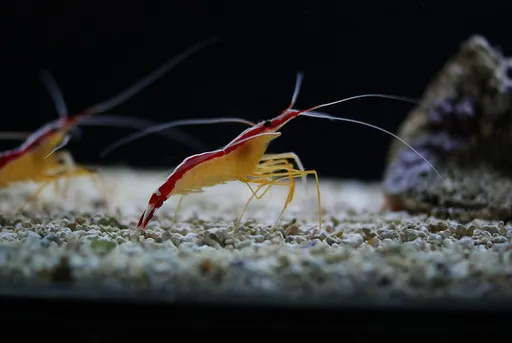
Skunk cleaner shrimp
Lysmata amboinensis
Saltwater2.4 in (6 cm) · 20 gal (75 L)73–81°F (23–27°C)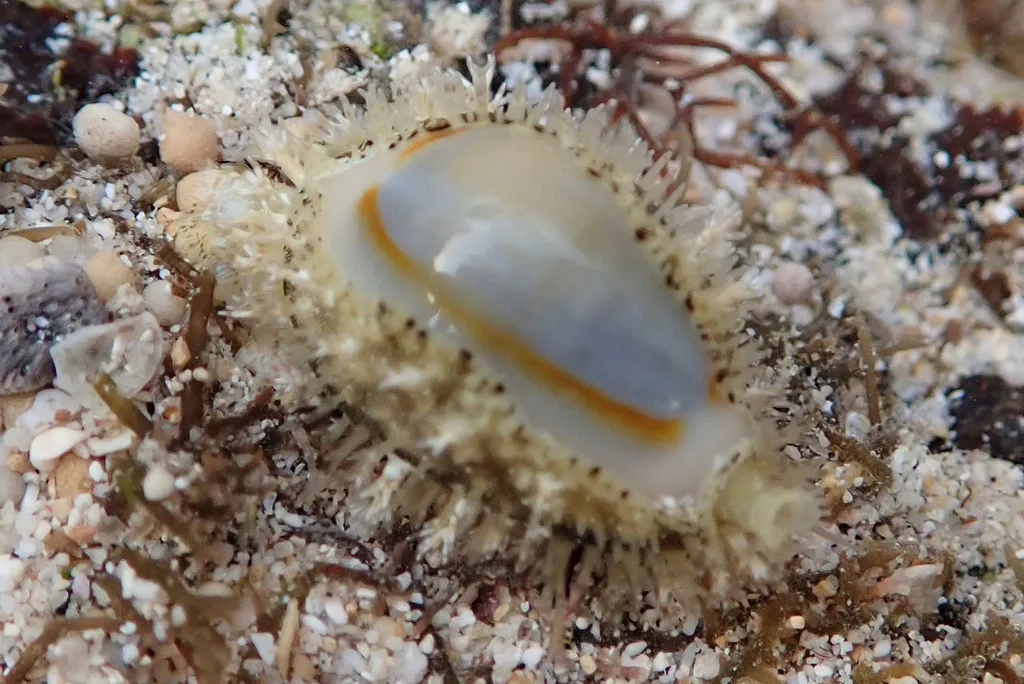
Ring cowrie
Monetaria annulus
Saltwater1.2 in (3 cm) · 20 gal (75 L)75–81°F (24–27°C)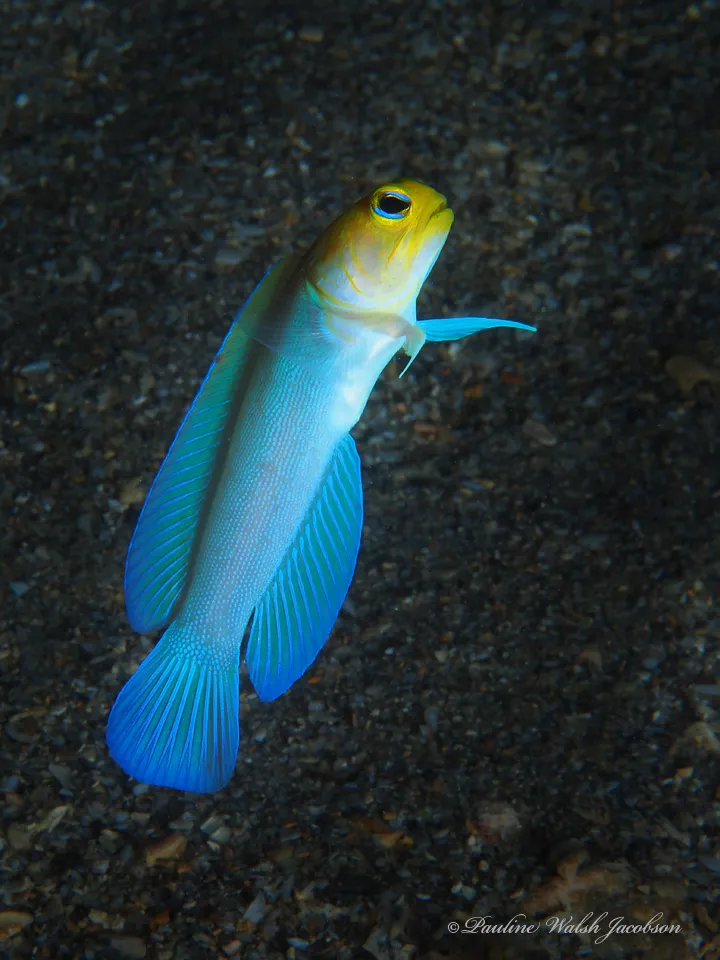
Pearly jawfish
Opistognathus aurifrons
Saltwater3.9 in (10 cm) · 29 gal (110 L)73–81°F (23–27°C)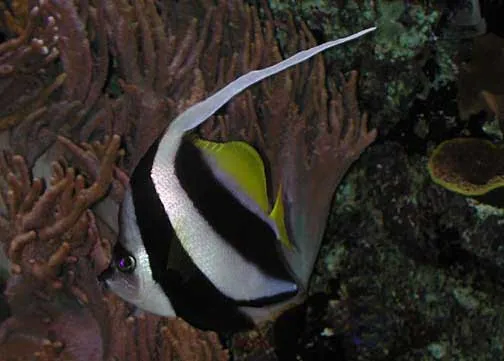
Schooling bannerfish
Heniochus diphreutes
Saltwater8.3 in (21 cm) · 124 gal (470 L)75–81°F (24–27°C)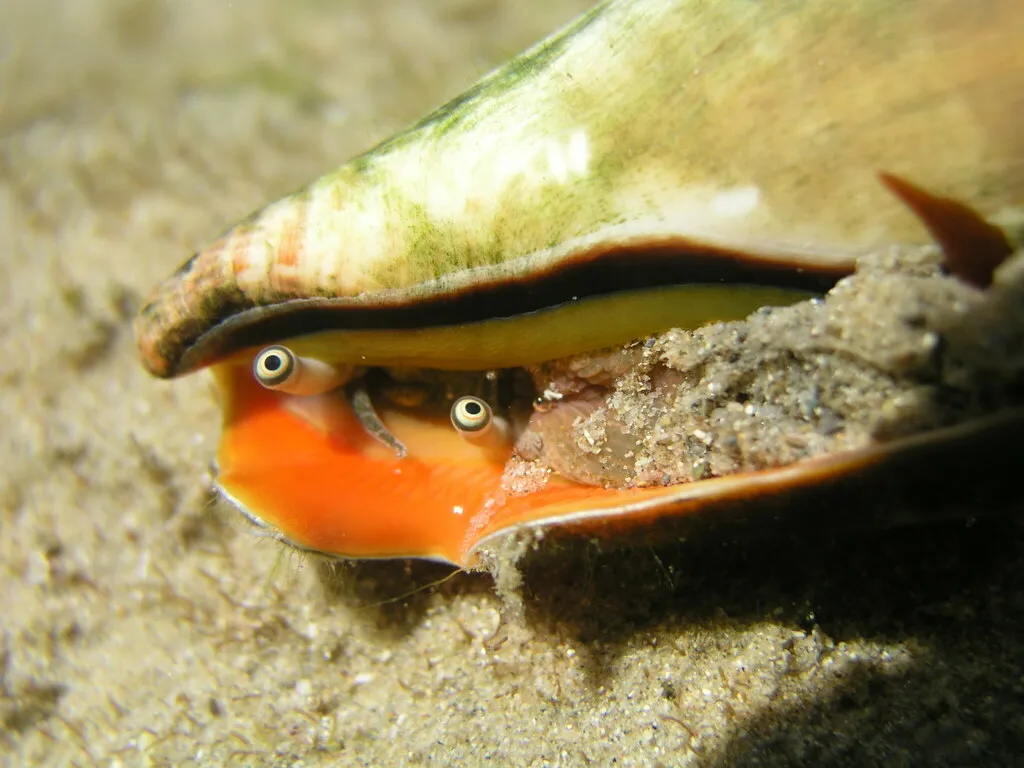
Tiger / strawberry conch
Conomurex luhuanus
Saltwater2.8 in (7 cm) · 20 gal (75 L)75–81°F (24–27°C)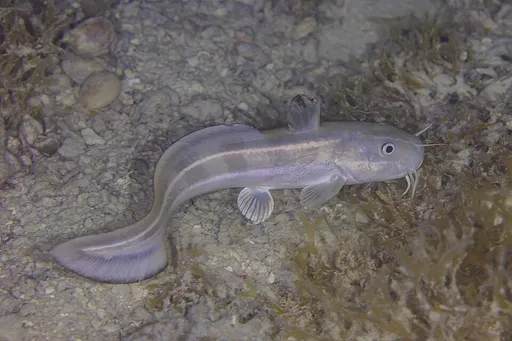
Striped eel catfish
Plotosus lineatus
Saltwater12.6 in (32 cm) · 106 gal (400 L)75–82°F (24–28°C)
Common questions
What size tank does a Convict tang need?
A Convict tang needs at least 124 gal (470 L). It spends most of its time in the middle.
What temperature and pH does a Convict tang need?
A Convict tang is comfortable at 75–82°F (24–28°C) with a pH of 8.1–8.4.
How big does a Convict tang get?
An adult Convict tang reaches about 10.6 in (27 cm).
Does a Convict tang need a group?
Yes. A Convict tang is a schooling species and should be kept in a group, not singly.
Related species
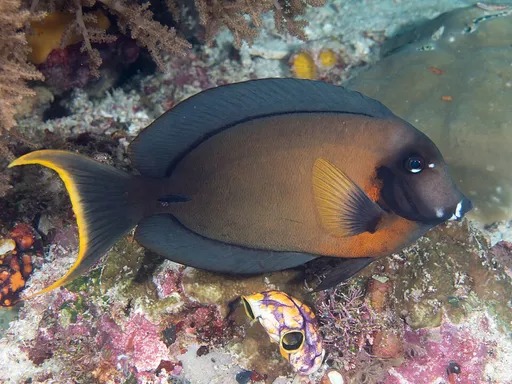 11.4 in (29 cm)129 gal (490 L)75–82°F (24–28°C)
Mimic tang
Acanthurus pyroferus
11.4 in (29 cm) · 129 gal (490 L)
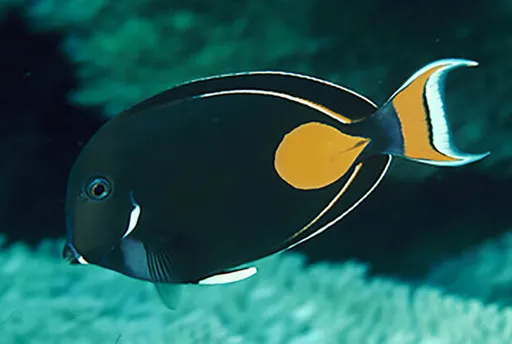 9.4 in (24 cm)180 gal (680 L)75–81°F (24–27°C)
Achilles tang
Acanthurus achilles
9.4 in (24 cm) · 180 gal (680 L)
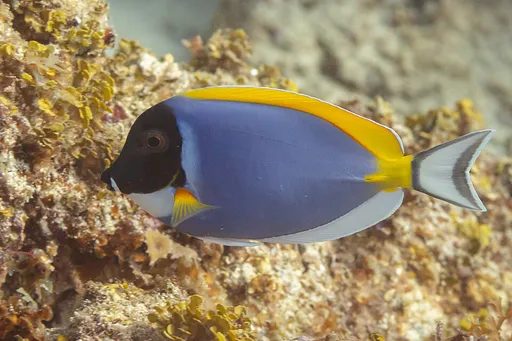 9.1 in (23 cm)124 gal (470 L)75–81°F (24–27°C)
Powder blue tang
Acanthurus leucosternon
9.1 in (23 cm) · 124 gal (470 L)
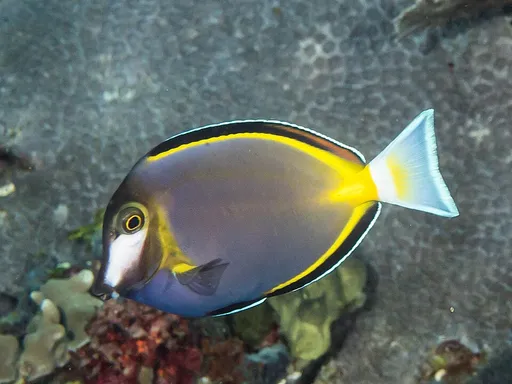 8.3 in (21 cm)129 gal (490 L)75–81°F (24–27°C)
Powder brown tang
Acanthurus japonicus
8.3 in (21 cm) · 129 gal (490 L)
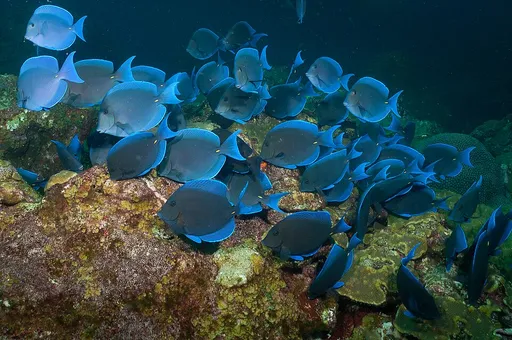 13.8 in (35 cm)151 gal (570 L)75–81°F (24–27°C)
Atlantic blue tang
Acanthurus coeruleus
13.8 in (35 cm) · 151 gal (570 L)
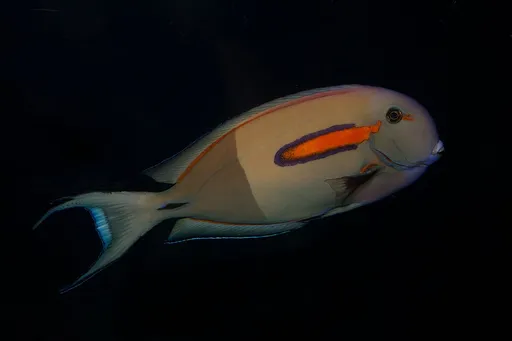 13.8 in (35 cm)180 gal (680 L)75–82°F (24–28°C)
Orangeshoulder tang
Acanthurus olivaceus
13.8 in (35 cm) · 180 gal (680 L)