Tomini tang
Ctenochaetus tominiensis
Also known as Tomini Surgeonfish, Tomini Bristletooth, Yellowtip Bristletooth
SaltwaterFish
Care at a glance
- Temperature
- 75–81°F
- 24–27°C
- pH
- 8.1–8.4
- Adult size
- 6.3 in
- 16 cm
- Minimum tank
- 70 gal
- 265 L
- Temperament
- Mostly peaceful
- Social behavior
- Solitary
- Swim level
- Middle
- Difficulty
- Medium
- Breeding
- No record
- Rarity
- Common
- Reef safe
- Reef safe
- Family
- Acanthuridae
- Origin
- Western Pacific reefs, from Indonesia to Fiji and the Great Barrier Reef
Overview
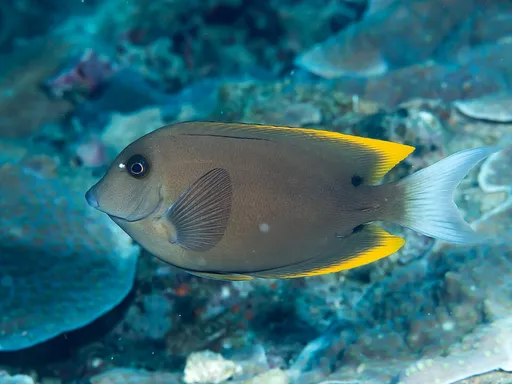
Territorial toward other tangs, especially other bristletooths, but easygoing with the rest of the tank once it settles in. Reef safe with corals and invertebrates, and valued for cleaning up detritus and film algae that other grazers leave behind. Offer nori or dried seaweed several times a week along with small meaty foods. It handles shipping and new-tank stress reasonably well for a tang, but marine ich is still a risk with any surgeonfish, so quarantine new arrivals rather than skip the step.
In the wild
Native to western Pacific reefs from Indonesia and the Philippines to Fiji and the Great Barrier Reef, typically on steep drop-offs with dense coral growth in sheltered inshore water. It is a smaller, less boisterous tang that still appreciates an open lane for swimming along with a good spread of live rock to comb for algae film and detritus. A tank of at least 265 litres (70 US gal) suits a single fish, with more room always welcome.
Good to know
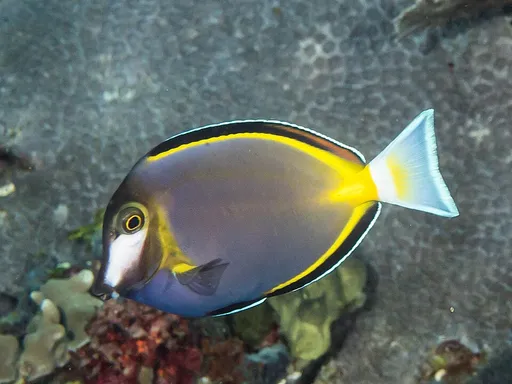
Belongs to the bristletooth genus Ctenochaetus, named for the rows of fine, flexible, comb-like teeth used to brush algae film and detritus off rock rather than scrape it the way coarser-toothed Acanthurus tangs do. It still carries the family's folding scalpel spine at the base of the tail, though it is a smaller and generally less pugnacious fish, topping out around 16 cm. Juveniles are tan with yellow, blue, and white highlights that darken into a more solid, blue-tailed adult pattern.
Did you know
Its fine, brush-like teeth let it feed on detritus and the diatom film that coats live rock, food sources too fine for most other tangs to bother with, which is why bristletooths are often chosen to help keep a reef tank's rockwork clean.
Weekly picks
Tank mates
Tomini tang is a mostly peaceful, solitary species that keeps to the middle. These picks share a community profile with it, are safe together in both directions, and overlap on water type, temperature and pH.
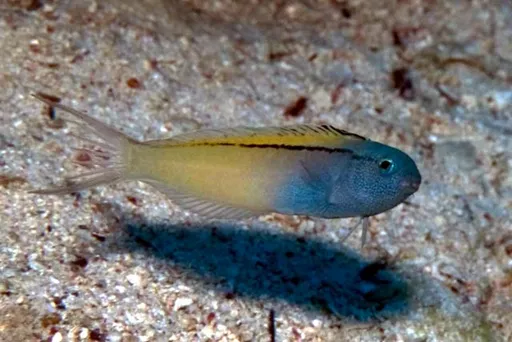
Blackline fang blenny
Meiacanthus nigrolineatus
Saltwater3.5 in (9 cm) · 20 gal (75 L)75–81°F (24–27°C)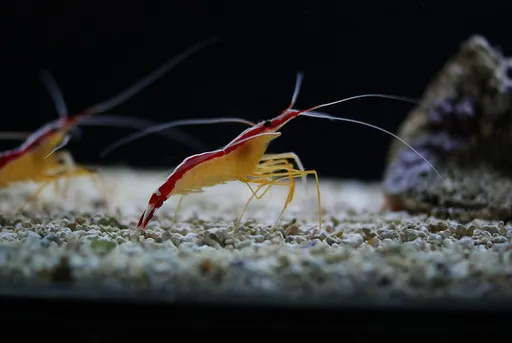
Skunk cleaner shrimp
Lysmata amboinensis
Saltwater2.4 in (6 cm) · 20 gal (75 L)73–81°F (23–27°C)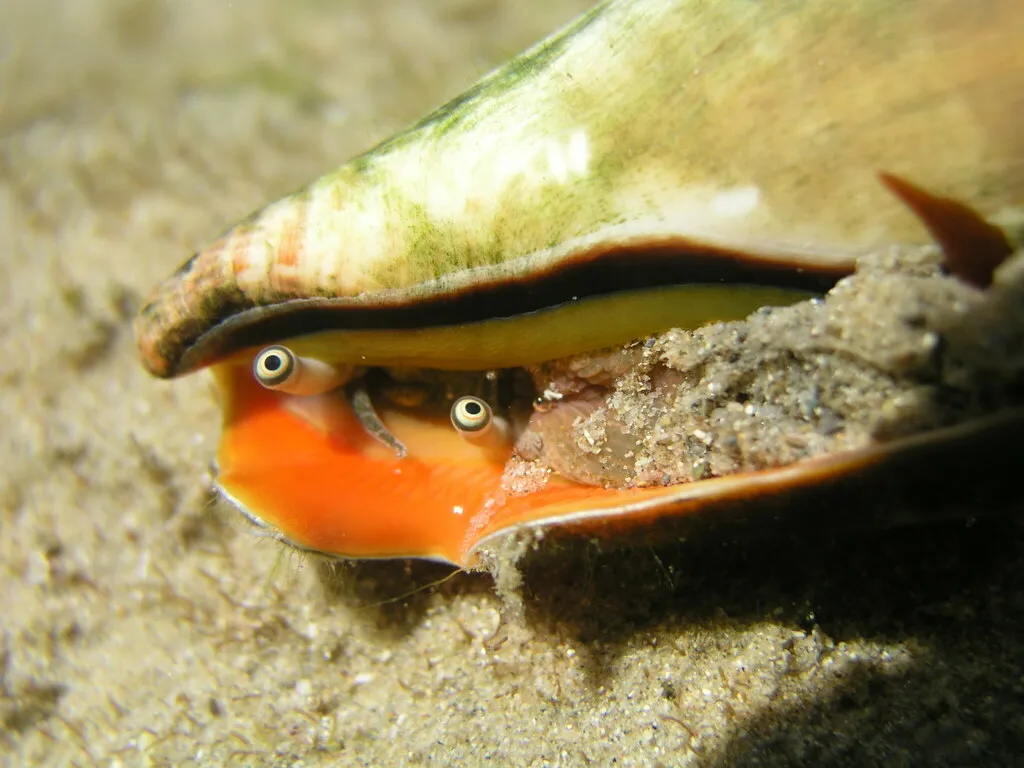
Tiger / strawberry conch
Conomurex luhuanus
Saltwater2.8 in (7 cm) · 20 gal (75 L)75–81°F (24–27°C)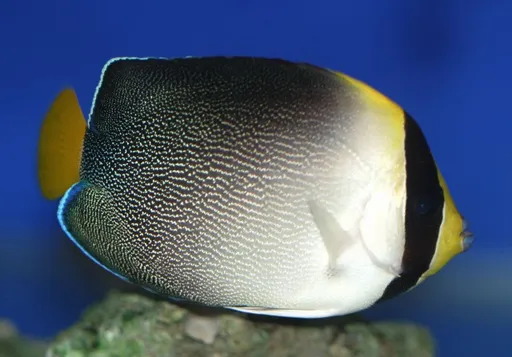
Vermiculated angelfish
Chaetodontoplus mesoleucus
Saltwater7.1 in (18 cm) · 66 gal (250 L)75–81°F (24–27°C)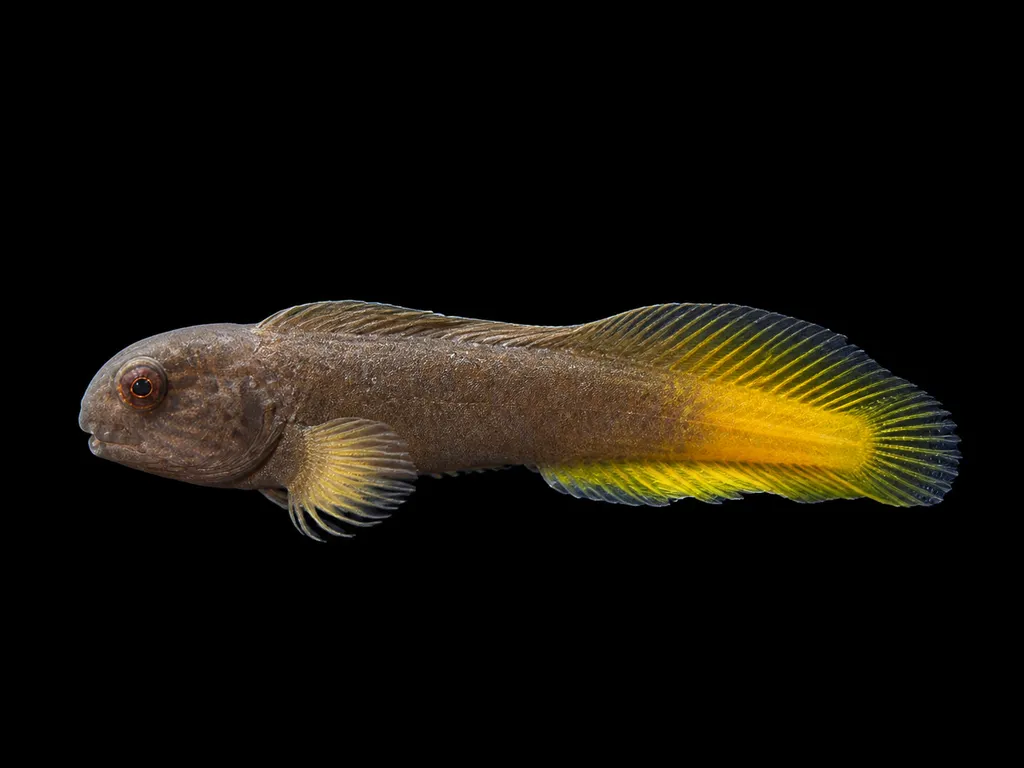
Flametail blenny
Enchelyurus flavipes
Saltwater3 in (7.5 cm) · 29 gal (110 L)72–79°F (22–26°C)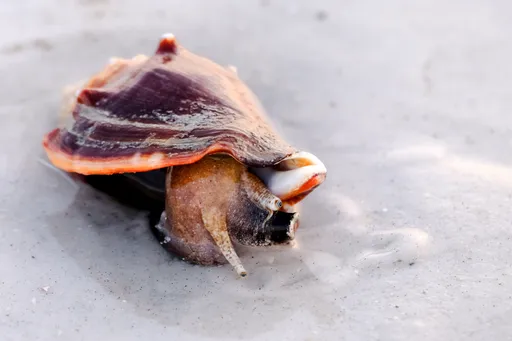
Fighting conch
Strombus alatus
Saltwater3.1 in (8 cm) · 20 gal (75 L)75–81°F (24–27°C)
Common questions
What size tank does a Tomini tang need?
A Tomini tang needs at least 70 gal (265 L). It spends most of its time in the middle.
What temperature and pH does a Tomini tang need?
A Tomini tang is comfortable at 75–81°F (24–27°C) with a pH of 8.1–8.4.
How big does a Tomini tang get?
An adult Tomini tang reaches about 6.3 in (16 cm).
Related species
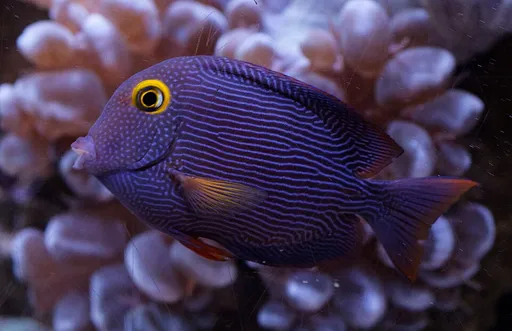 7.1 in (18 cm)79 gal (300 L)75–81°F (24–27°C)
Kole tang
Ctenochaetus strigosus
7.1 in (18 cm) · 79 gal (300 L)
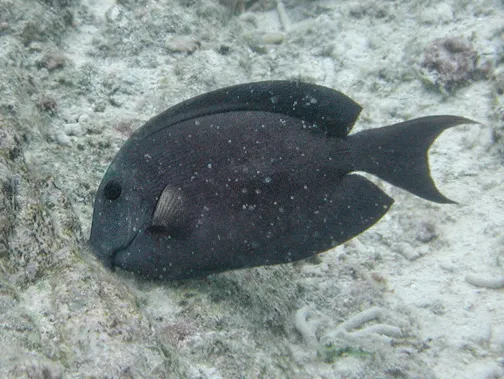 11 in (28 cm)180 gal (680 L)75–81°F (24–27°C)
Chevron tang
Ctenochaetus hawaiiensis
11 in (28 cm) · 180 gal (680 L)
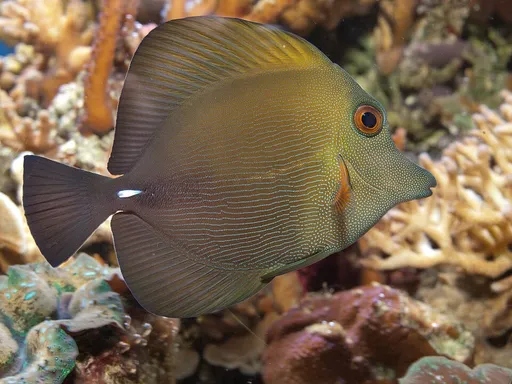 7.9 in (20 cm)90 gal (340 L)75–82°F (24–28°C)
Scopas tang
Zebrasoma scopas
7.9 in (20 cm) · 90 gal (340 L)
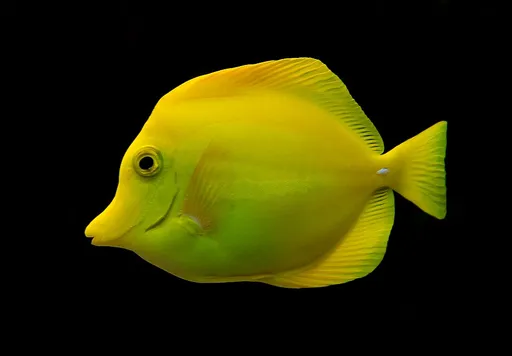 7.9 in (20 cm)100 gal (380 L)72–79°F (22–26°C)
Yellow tang
Zebrasoma flavescens
7.9 in (20 cm) · 100 gal (380 L)
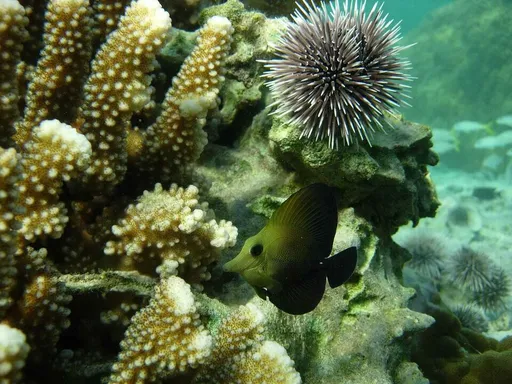 8.3 in (21 cm)119 gal (450 L)75–81°F (24–27°C)
Black tang
Zebrasoma rostratum
8.3 in (21 cm) · 119 gal (450 L)
 8.3 in (21 cm)129 gal (490 L)75–81°F (24–27°C)
Powder brown tang
Acanthurus japonicus
8.3 in (21 cm) · 129 gal (490 L)