Kole tang
Ctenochaetus strigosus
Also known as Yellow Eye Kole Tang, Yelloweye Tang, Goldring Bristletooth, Spotted Surgeonfish
SaltwaterFish
Care at a glance
- Temperature
- 75–81°F
- 24–27°C
- pH
- 8.1–8.4
- Adult size
- 7.1 in
- 18 cm
- Minimum tank
- 79 gal
- 300 L
- Temperament
- Mostly peaceful
- Social behavior
- Solitary
- Swim level
- Middle
- Difficulty
- Medium
- Breeding
- No record
- Rarity
- Common
- Reef safe
- Reef safe
- Family
- Acanthuridae
- Origin
- Central Pacific, most common around the Hawaiian Islands and Johnston Atoll
Overview
A hardy, hard-working algae and detritus grazer that is one of the safer tangs for a reef, since its comb teeth are made for rasping film off surfaces rather than tearing at coral. There is only a minor risk it may pick at soft coral polyps if underfed, so keep it well supplied with algae or nori. It is peaceful toward unrelated fish but territorial toward other bristletooth tangs and fish of similar shape, so it is usually kept one to a tank. Being smaller than most tangs, it suits reef systems that cannot house a full sized Zebrasoma or hippo tang.
In the wild
Lives on rocky reef flats and lagoon slopes in the central Pacific, usually alone, working the rock and sand for the film it feeds on. It is constantly on the move over hard surfaces during the day and shelters in the reef at night. In the aquarium it wants plenty of mature live rock and open sand to browse, along with room to cruise the length of the tank.
Good to know
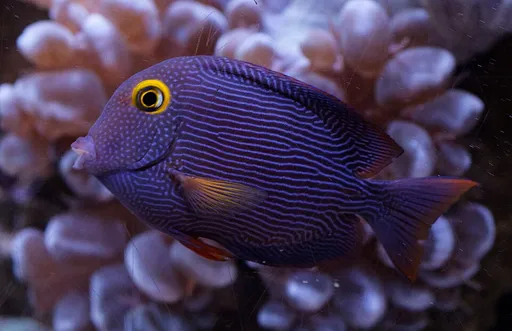
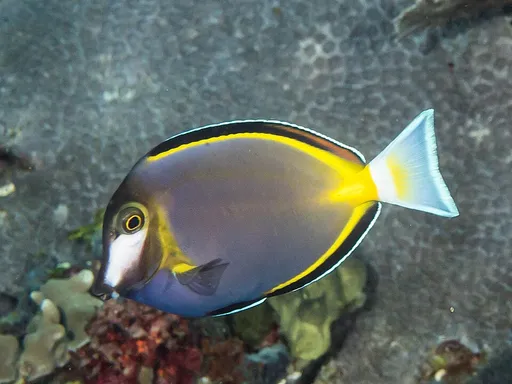
Ctenochaetus strigosus is a bristletooth surgeonfish, named for the many fine comb-like teeth in its mouth. Instead of biting off tough macroalgae like Zebrasoma tangs, it uses these flexible teeth to sweep up detritus, diatoms, and film algae from rock and sand, which makes it one of the most useful cleanup grazers in the hobby. It reaches about 18 cm and, like all surgeonfish, has a folding scalpel spine at the base of the tail. Juveniles are yellow and darken to a dusky body with fine blue-grey striping and a gold eye ring as adults.
Did you know
Its mouth holds well over a hundred tiny comb-shaped teeth, and rather than scraping algae like other tangs it vacuums up detritus and diatom film, so it doubles as a natural sand and rock cleaner.
Weekly picks
Tank mates
Kole tang is a mostly peaceful, solitary species that keeps to the middle. These picks share a community profile with it, are safe together in both directions, and overlap on water type, temperature and pH.
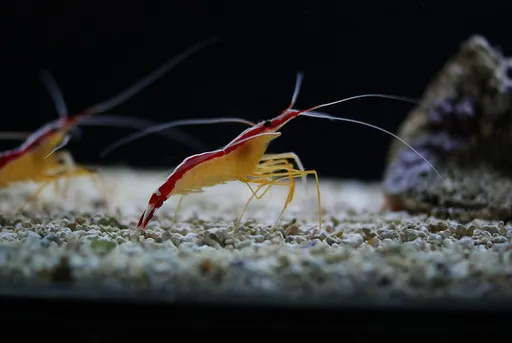
Skunk cleaner shrimp
Lysmata amboinensis
Saltwater2.4 in (6 cm) · 20 gal (75 L)73–81°F (23–27°C)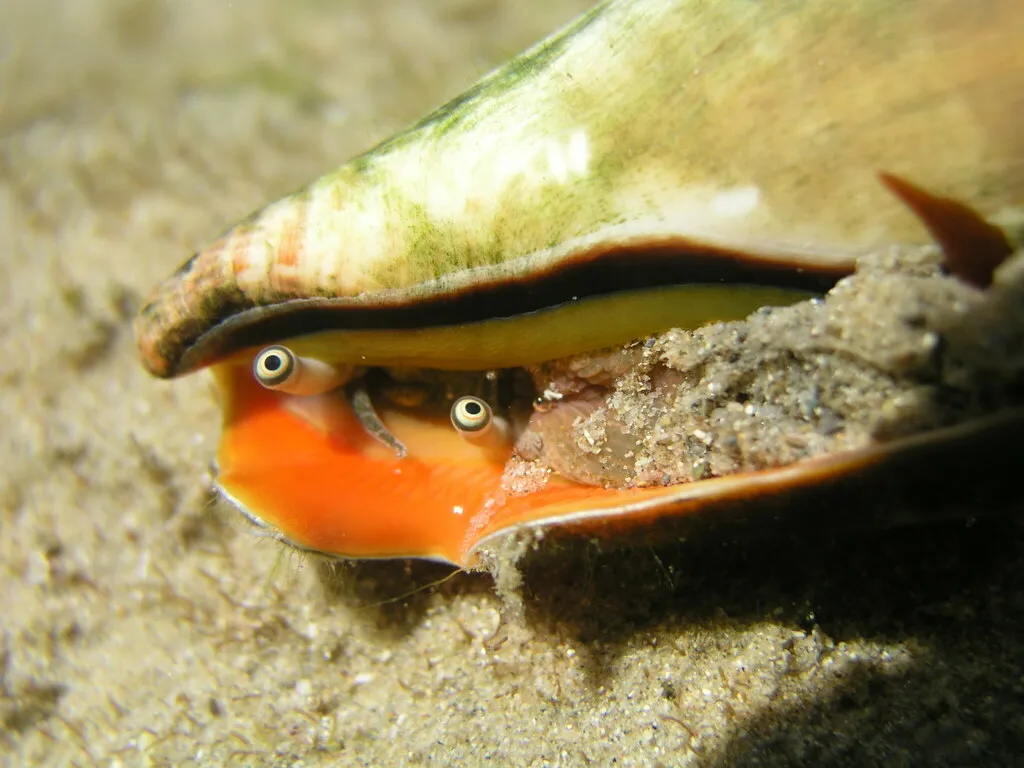
Tiger / strawberry conch
Conomurex luhuanus
Saltwater2.8 in (7 cm) · 20 gal (75 L)75–81°F (24–27°C)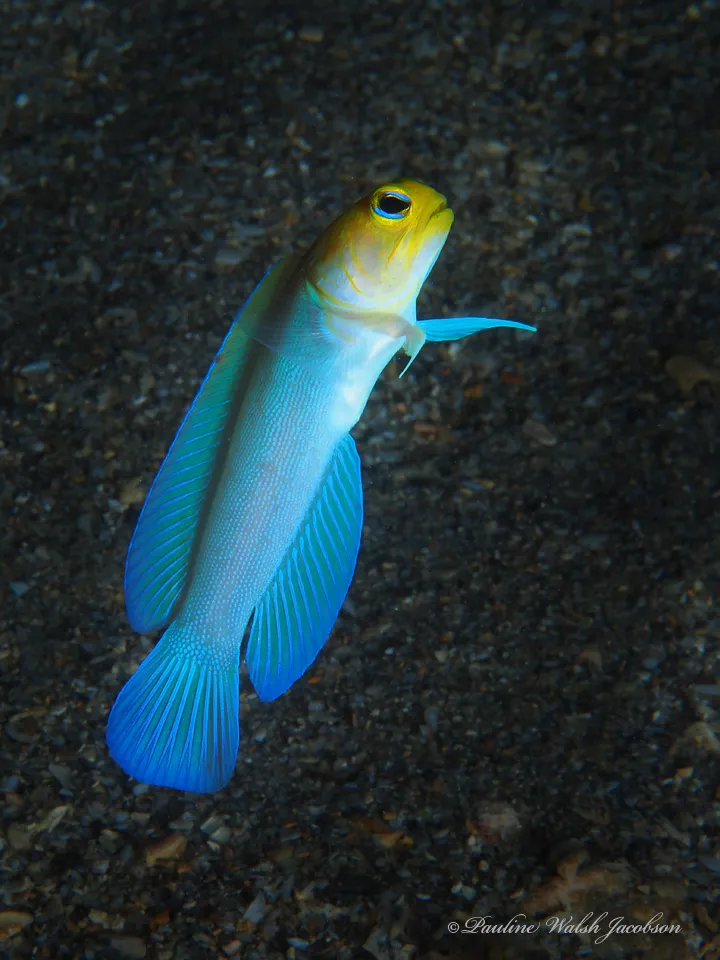
Pearly jawfish
Opistognathus aurifrons
Saltwater3.9 in (10 cm) · 29 gal (110 L)73–81°F (23–27°C)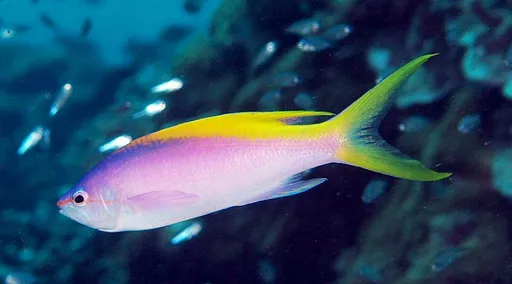
Evansi anthias
Pseudanthias evansi
Saltwater4.7 in (12 cm) · 75 gal (285 L)75–81°F (24–27°C)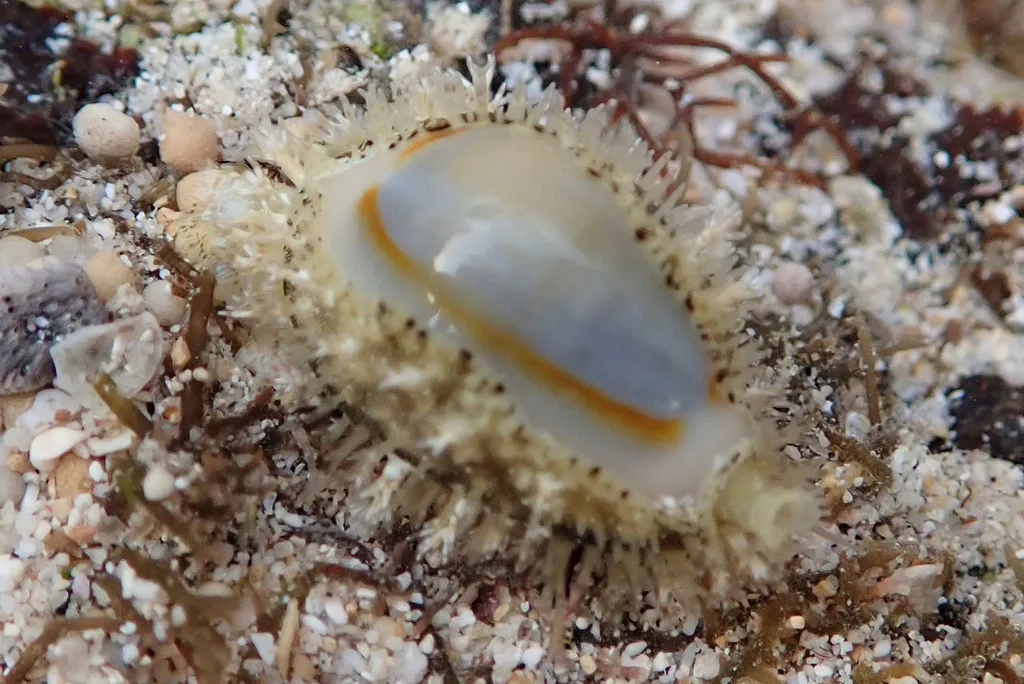
Ring cowrie
Monetaria annulus
Saltwater1.2 in (3 cm) · 20 gal (75 L)75–81°F (24–27°C)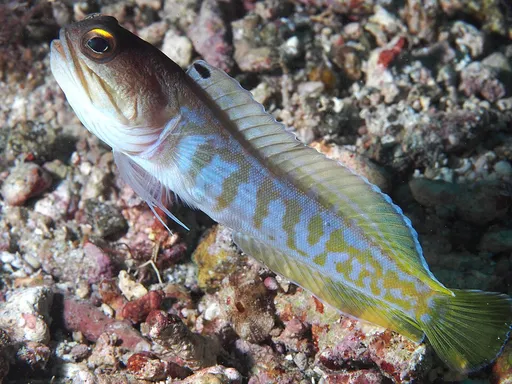
Gold-specs jawfish
Opistognathus randalli
Saltwater3.9 in (10 cm) · 30 gal (115 L)73–81°F (23–27°C)
Common questions
What size tank does a Kole tang need?
A Kole tang needs at least 79 gal (300 L). It spends most of its time in the middle.
What temperature and pH does a Kole tang need?
A Kole tang is comfortable at 75–81°F (24–27°C) with a pH of 8.1–8.4.
How big does a Kole tang get?
An adult Kole tang reaches about 7.1 in (18 cm).
Related species
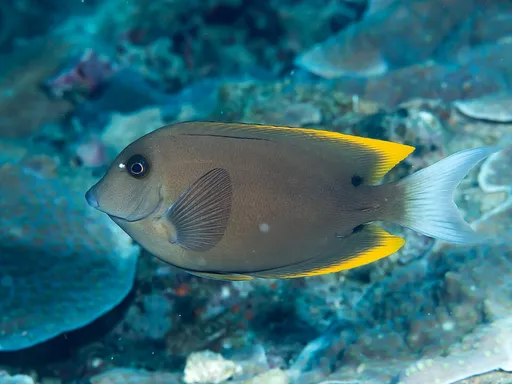 6.3 in (16 cm)70 gal (265 L)75–81°F (24–27°C)
Tomini tang
Ctenochaetus tominiensis
6.3 in (16 cm) · 70 gal (265 L)
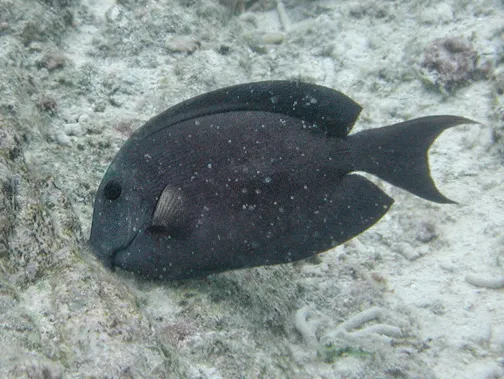 11 in (28 cm)180 gal (680 L)75–81°F (24–27°C)
Chevron tang
Ctenochaetus hawaiiensis
11 in (28 cm) · 180 gal (680 L)
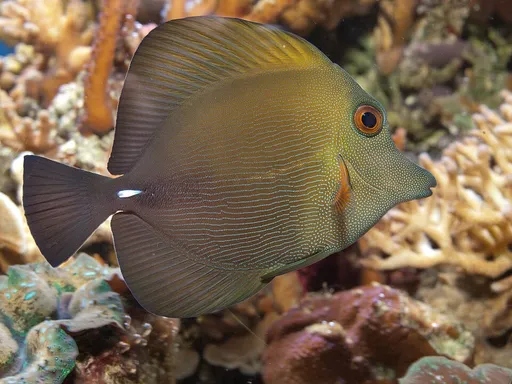 7.9 in (20 cm)90 gal (340 L)75–82°F (24–28°C)
Scopas tang
Zebrasoma scopas
7.9 in (20 cm) · 90 gal (340 L)
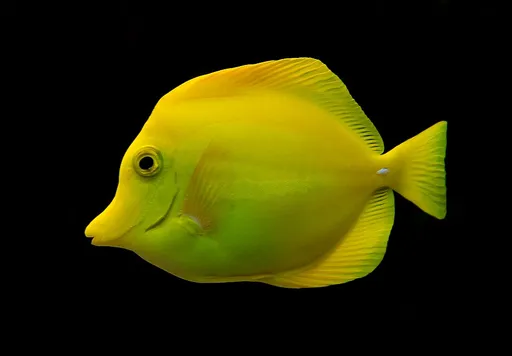 7.9 in (20 cm)100 gal (380 L)72–79°F (22–26°C)
Yellow tang
Zebrasoma flavescens
7.9 in (20 cm) · 100 gal (380 L)
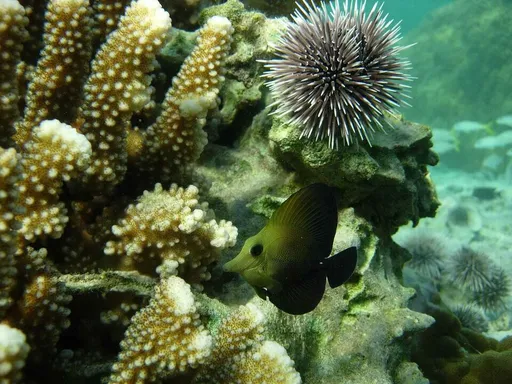 8.3 in (21 cm)119 gal (450 L)75–81°F (24–27°C)
Black tang
Zebrasoma rostratum
8.3 in (21 cm) · 119 gal (450 L)
 8.3 in (21 cm)129 gal (490 L)75–81°F (24–27°C)
Powder brown tang
Acanthurus japonicus
8.3 in (21 cm) · 129 gal (490 L)