Sohal tang
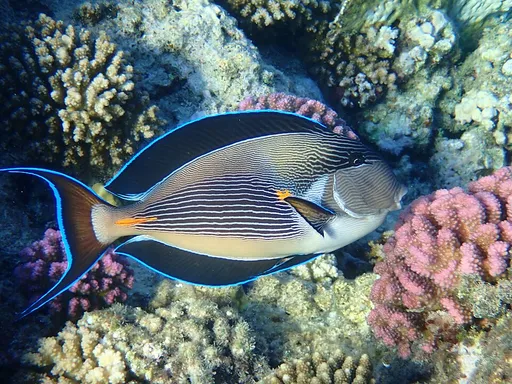
Acanthurus sohal
Also known as Sohal Surgeonfish, Red Sea Surgeonfish, Majestic Surgeonfish, Zebra Surgeonfish
SaltwaterFish
Care at a glance
- Temperature
- 75–82°F
- 24–28°C
- pH
- 8.1–8.4
- Adult size
- 15.7 in
- 40 cm
- Minimum tank
- 180 gal
- 680 L
- Temperament
- Aggressive
- Social behavior
- Solitary
- Own kind
- One per tank
- Tankmates
- With caution
- Swim level
- Middle
- Diet
- Omnivore
- Difficulty
- Medium
- Breeding
- No record
- Rarity
- Common
- Reef safe
- Reef safe
- Family
- Acanthuridae
- Origin
- Red Sea and western Indian Ocean including the Gulf of Aden and Persian Gulf, on surge-swept seaward reef edges.
Overview
The Sohal tang is a big, territorial surgeonfish that cruises the open water of a large reef tank. It is best kept by someone with a little experience.
Did you know
The bright orange sweep around the Sohal tang's tail blade works as a warning flag. A slash from a startled one can cut a careless hand.
Caring for the Sohal tang
Keep a single Sohal tang in a tank of at least 180 gal (680 L) with long, open swimming lanes. It is a powerful open-water swimmer and spends most of its time in the middle of the tank. Hold the water at 75 to 82°F (24 to 28°C) with a pH of 8.1 to 8.4.
Feed it heavily on dried seaweed, spirulina and marine algae, with some meaty foods as well. It grazes nuisance algae and leaves corals alone, so it is safe in a reef tank.
The Sohal tang is one of the most territorial tangs, so keep only one per tank and add it last. Pair it only with fish that can defend themselves, in an aggressive community tank. Its aggression, not coral safety, is the reason to plan carefully.
Good to know
The Sohal tang is one of the larger Acanthurus species in the surgeonfish family Acanthuridae. Like all surgeonfish, it carries a hinged blade on each side of the tail base for defense. These blades are large, and it uses them in fights. It is also sold as the Red Sea, majestic or zebra surgeonfish.
In the wild
The Sohal tang is native to the Red Sea and the western Indian Ocean, including the Gulf of Aden and the Persian Gulf. It lives along the shallow reef front where wave surge is strongest, grazing through the day on filamentous algae and Sargassum. Adults hold and defend large feeding territories against other grazers, patrolling the same stretch of reef daily.
Common questions
What size tank does a Sohal tang need?
A Sohal tang needs at least 180 gal (680 L). It spends most of its time in the middle.
What temperature and pH does a Sohal tang need?
A Sohal tang is comfortable at 75–82°F (24–28°C) with a pH of 8.1–8.4.
What does a Sohal tang eat?
A Sohal tang eats dried seaweed, spirulina and marine algae, and it needs plenty of them. Add some meaty foods to the mix.
How big does a Sohal tang get?
An adult Sohal tang reaches about 15.7 in (40 cm).
Related species
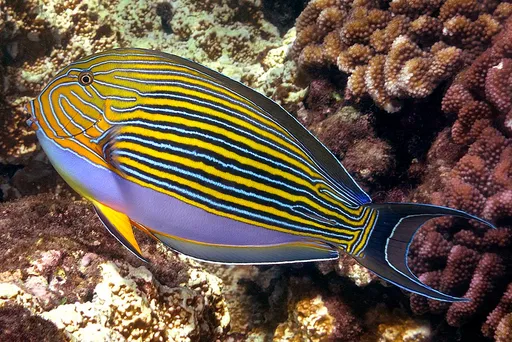 15 in (38 cm)238 gal (900 L)75–81°F (24–27°C)
Clown tang
Acanthurus lineatus
15 in (38 cm) · 238 gal (900 L)
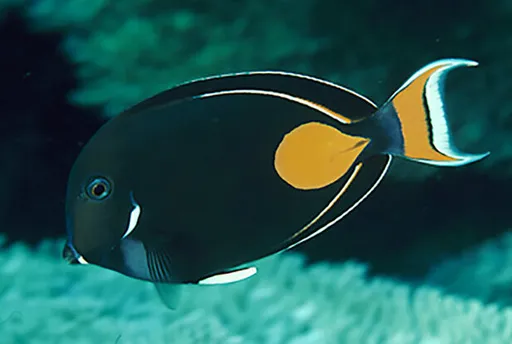 9.4 in (24 cm)180 gal (680 L)75–81°F (24–27°C)
Achilles tang
Acanthurus achilles
9.4 in (24 cm) · 180 gal (680 L)
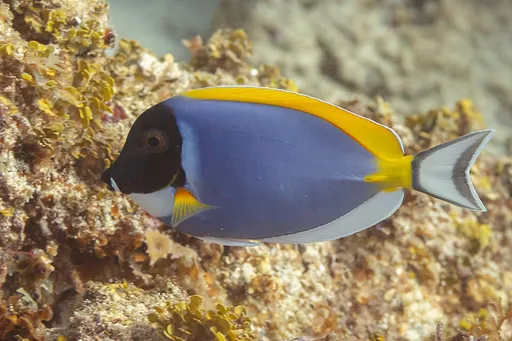 9.1 in (23 cm)124 gal (470 L)75–81°F (24–27°C)
Powder blue tang
Acanthurus leucosternon
9.1 in (23 cm) · 124 gal (470 L)
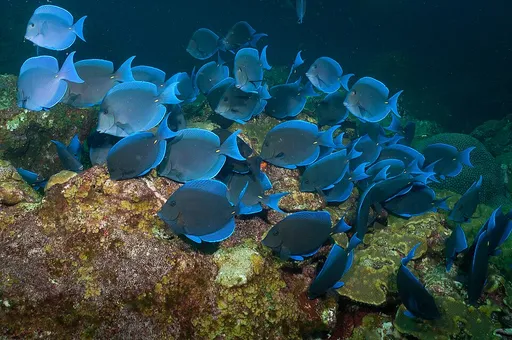 13.8 in (35 cm)151 gal (570 L)75–81°F (24–27°C)
Atlantic blue tang
Acanthurus coeruleus
13.8 in (35 cm) · 151 gal (570 L)
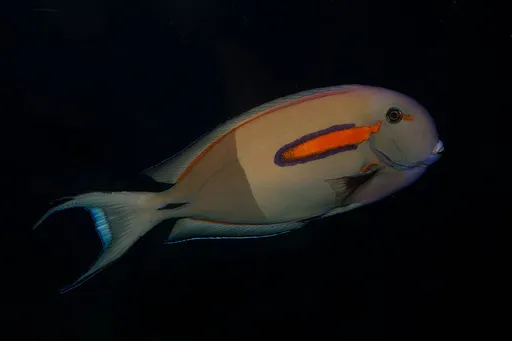 13.8 in (35 cm)180 gal (680 L)75–82°F (24–28°C)
Orangeshoulder tang
Acanthurus olivaceus
13.8 in (35 cm) · 180 gal (680 L)
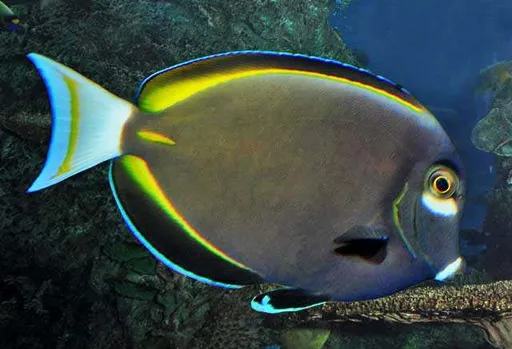 13.8 in (35 cm)129 gal (490 L)75–81°F (24–27°C)
Whitecheek tang
Acanthurus nigricans
13.8 in (35 cm) · 129 gal (490 L)