European perch
Perca fluviatilis
FreshwaterFish
Care at a glance
- Temperature
- 50–72°F
- 10–22°C
- pH
- 6.5–8.0
- Adult size
- 19.7 in
- 50 cm
- Minimum tank
- 119 gal
- 450 L
- Temperament
- Aggressive
- Social behavior
- Solitary
- Tankmates
- With caution
- Swim level
- Middle
- Difficulty
- Medium
- Breeding
- Hard
- Rarity
- Very rare
- Family
- Percidae
- Origin
- Europe
Overview
This is a predator, not a community fish. It eats smaller fish, crustaceans, insects, and larvae, and will swallow any tankmate it can fit in its mouth. Juveniles hunt in loose packs, but adults turn solitary and territorial. Keep it cool, give it strong filtration and open swimming space with some cover, and feed meaty foods that match its natural prey. It is best left to large coldwater or pond setups.
In the wild
European perch live across Europe and northern Asia in lakes, rivers, ponds, and reservoirs. They like clear, cool water with some vegetation and a rocky or sandy bottom. This is a large coldwater fish, comfortable from around 10 to 22 C, so it needs a big, well-filtered, unheated setup, not a tropical community tank. Plan for at least 450 liters and realistically far more for an adult.
Good to know
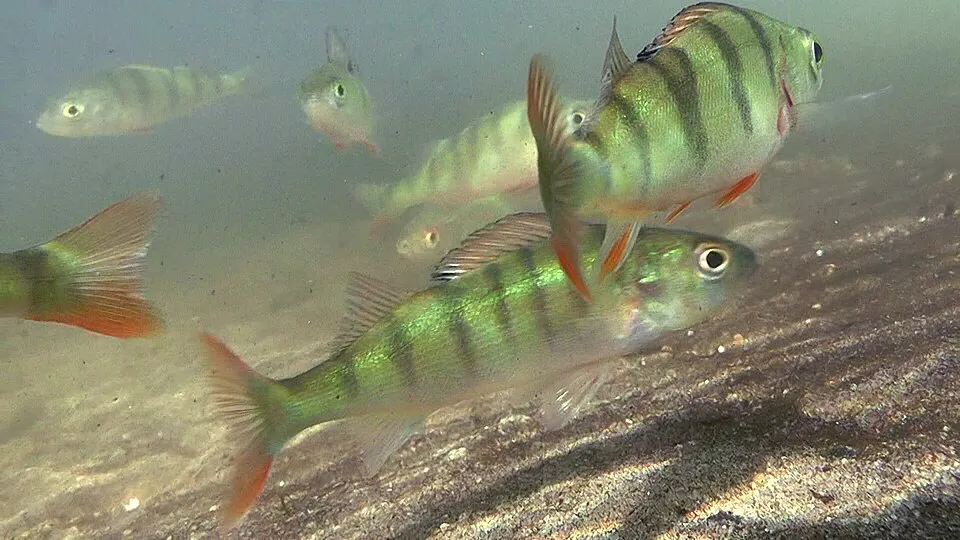
European perch belong to the family Percidae and carry dark vertical bars and a spiny first dorsal fin. They can reach about 50 cm and over 4 kg, though most stay smaller. The IUCN lists them as Least Concern with stable populations. They are heavy spawners, with females laying thousands of eggs in long gelatinous ribbons draped over plants and branches in spring.
Did you know
Perch hunt cooperatively as juveniles, with whole shoals herding smaller fish, which is unusual behavior for a freshwater predator. As they grow, that teamwork fades and big perch become loners that will happily eat the smaller perch they once schooled with.
Common questions
What size tank does a European perch need?
A European perch needs at least 119 gal (450 L). It spends most of its time in the middle.
What temperature and pH does a European perch need?
A European perch is comfortable at 50–72°F (10–22°C) with a pH of 6.5–8.0.
How big does a European perch get?
An adult European perch reaches about 19.7 in (50 cm).
Related species
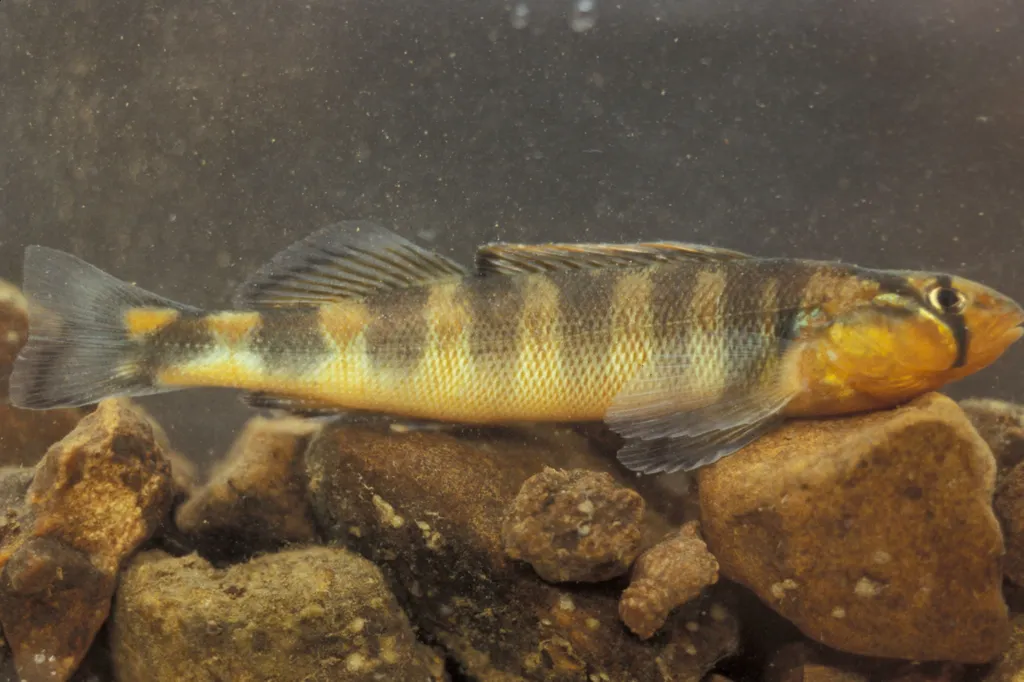 3.5 in (9 cm)29 gal (110 L)59–70°F (15–21°C)
Gilt darter
Percina evides
3.5 in (9 cm) · 29 gal (110 L)
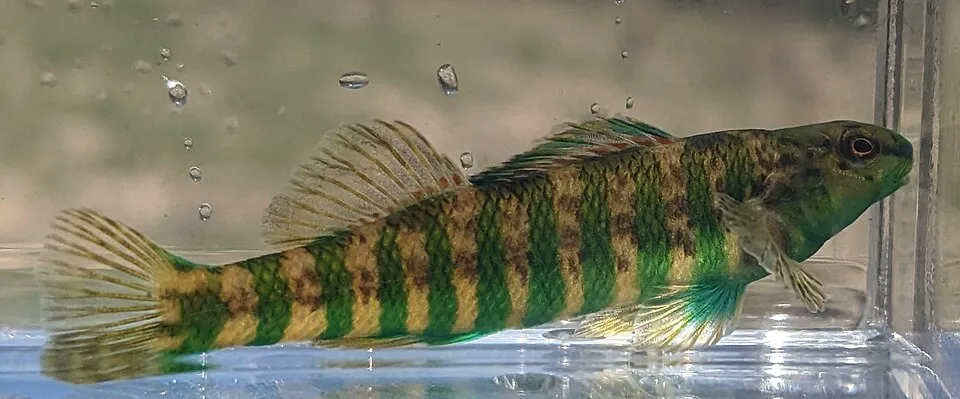 3.1 in (7.8 cm)26 gal (100 L)59–70°F (15–21°C)
Banded darter
Etheostoma zonale
3.1 in (7.8 cm) · 26 gal (100 L)
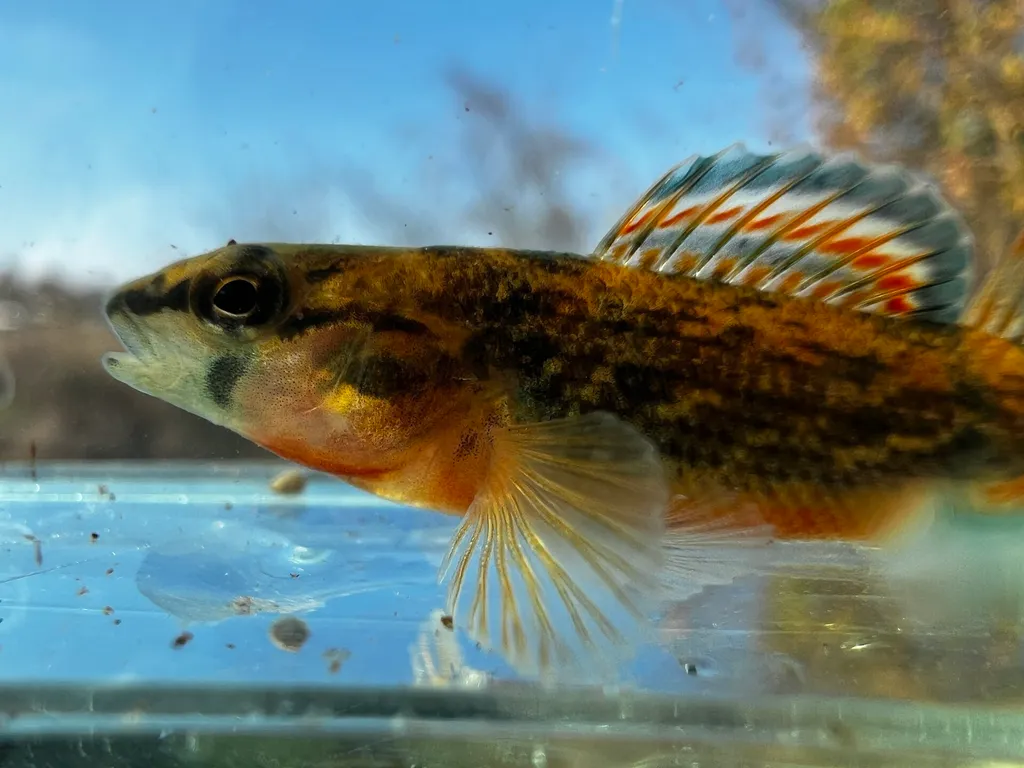 2.8 in (7 cm)25 gal (95 L)59–68°F (15–20°C)
Orangethroat darter
Etheostoma spectabile
2.8 in (7 cm) · 25 gal (95 L)
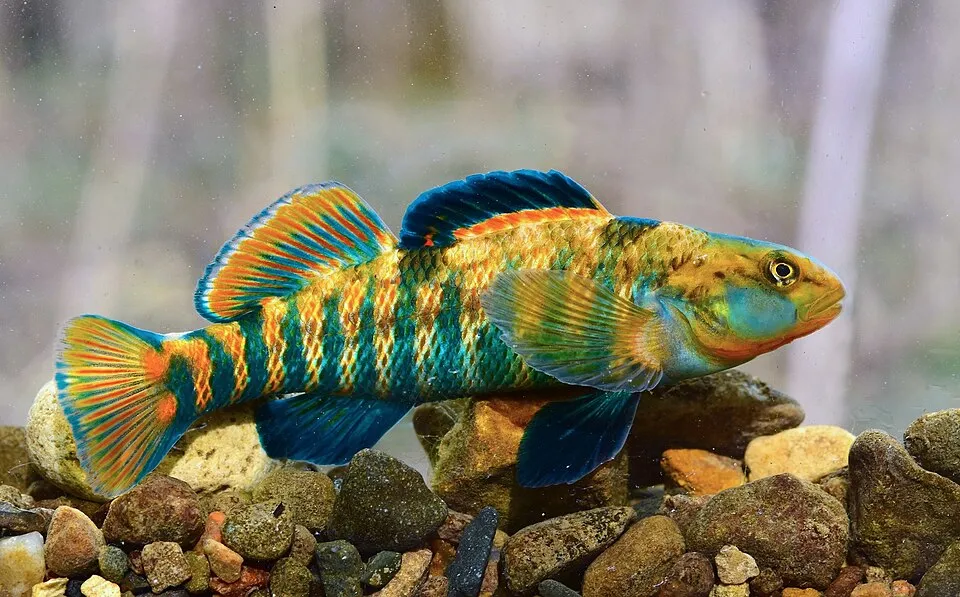 2.8 in (7 cm)25 gal (95 L)50–64°F (10–18°C)
Rainbow darter
Etheostoma caeruleum
2.8 in (7 cm) · 25 gal (95 L)
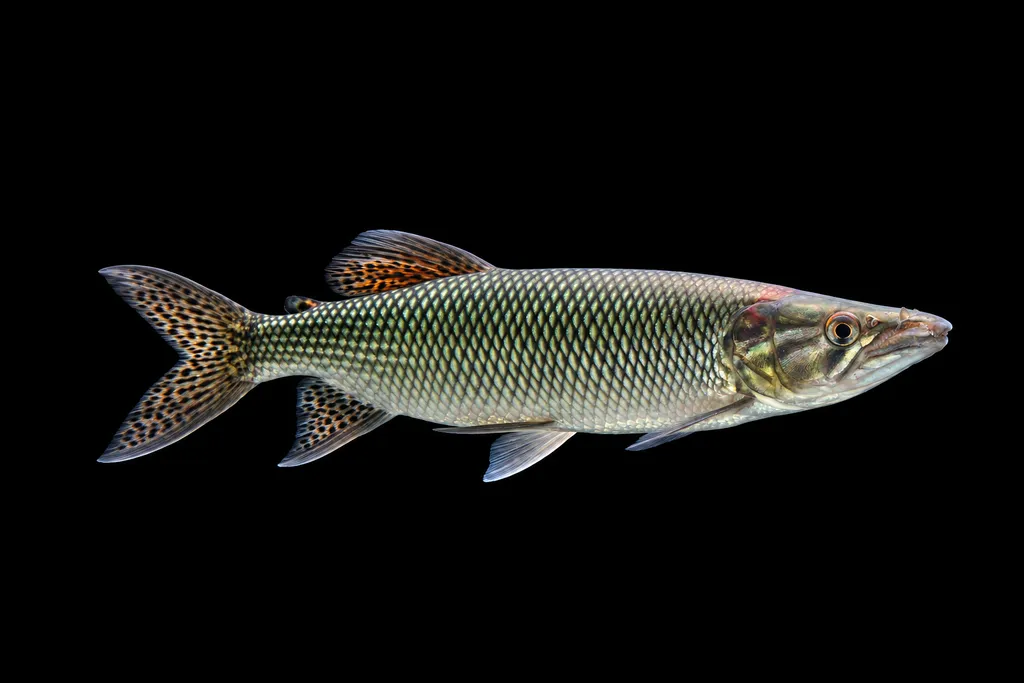 19.7 in (50 cm)396 gal (1,500 L)72–81°F (22–27°C)
African pike characin
Hepsetus odoe
19.7 in (50 cm) · 396 gal (1,500 L)
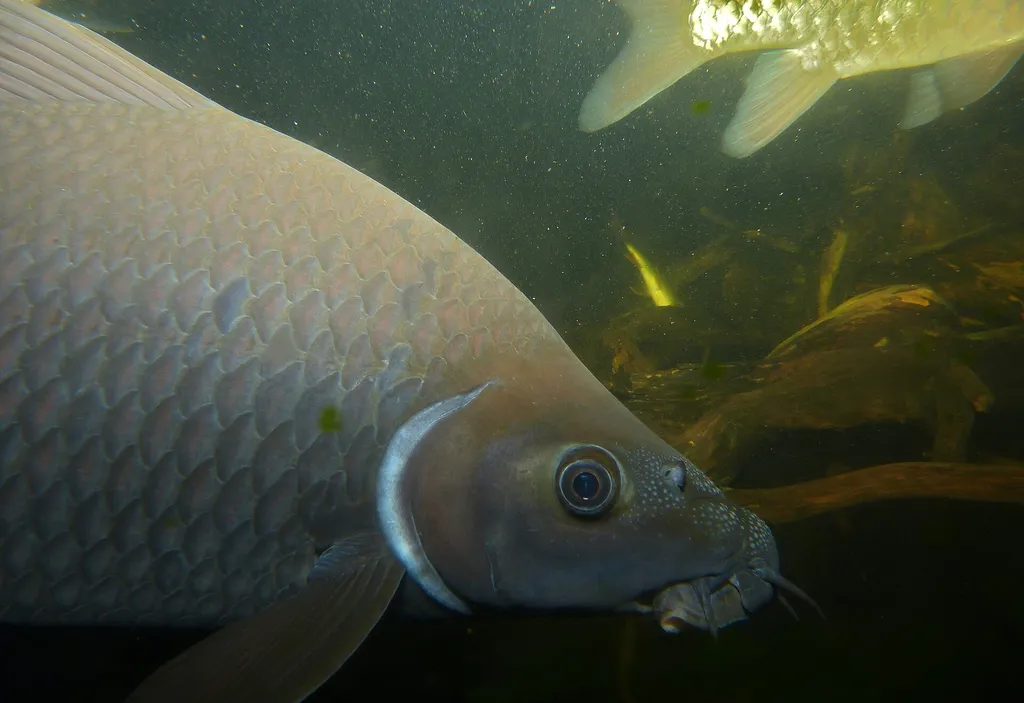 23.6 in (60 cm)660 gal (2,500 L)68–79°F (20–26°C)
Black shark
Labeo chrysophekadion
23.6 in (60 cm) · 660 gal (2,500 L)