One species · 1 variety
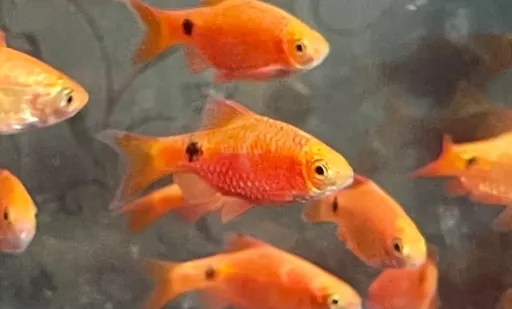
Rosy barb
Pethia conchonius
FreshwaterFish
Care at a glance
- Temperature
- 61–75°F
- 16–24°C
- pH
- 6.0–8.0
- Adult size
- 2.8 in
- 7 cm
- Minimum tank
- 24 gal
- 90 L
- Temperament
- Mostly peaceful
- Social behavior
- Schooling
- Swim level
- Middle
- Difficulty
- Beginner
- Breeding
- Easy
- Rarity
- Very common
- Family
- Cyprinidae
- Origin
- South Asia (Pakistan, India, Nepal, Bangladesh)
Pick a variety
One setup covers every line on this page: care is the species' care.
Overview
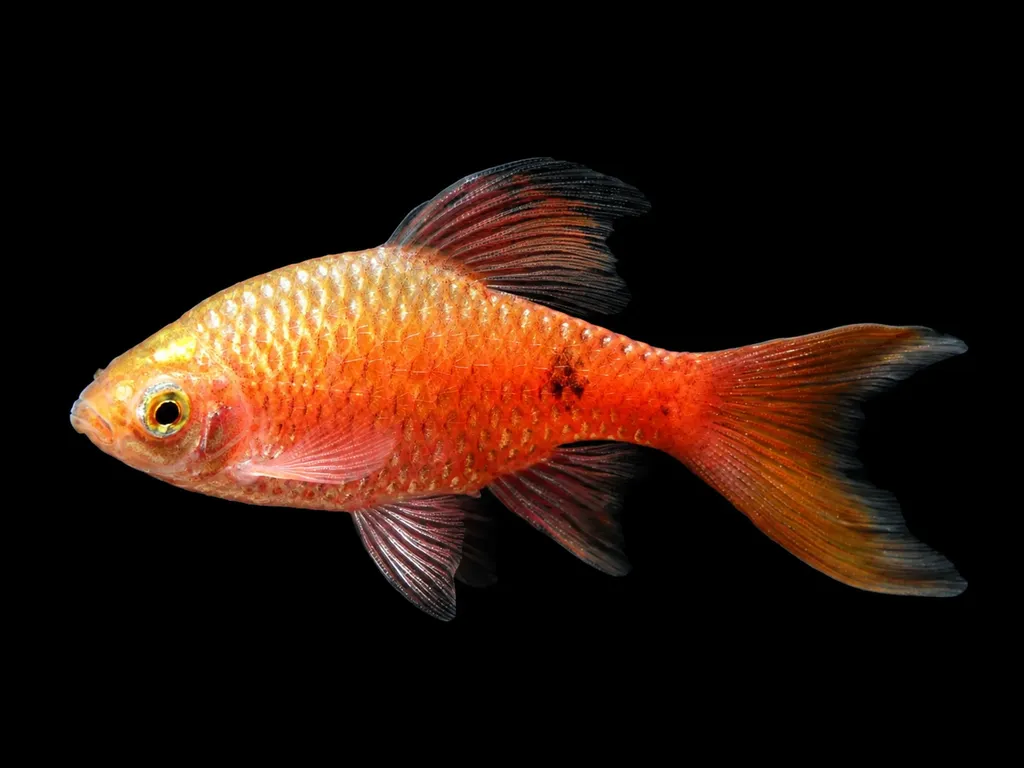
Keep them in a group of 8 to 10 or more in a tank of 90 liters or larger. They are mostly peaceful and sit in the middle of the water column, but an under-grouped fish turns into a fin nipper, so a full school keeps them settled. Water can run cool, anywhere from 16 to 24 C, with a pH from 6 to 8, and they handle an unheated tank well. They are strong jumpers, so keep a tight lid on the tank. Feed flakes, pellets, and frozen foods like bloodworms or daphnia, and skip slow or long-finned tankmates such as bettas, angelfish, and fancy guppies.
In the wild
Rosy barbs come from rivers and streams across South Asia, through Pakistan, India, Nepal, and Bangladesh, where the water runs cool and moves with some current. They are a subtropical coolwater barb, so they do fine unheated in most rooms and prefer temperatures from 16 to 24 C. Give them a tank with dark substrate and a bit of flow, since both push their color deeper. A pH anywhere from 6 to 8 suits them, and open swimming space matters more than heavy decor.
Good to know
This is Pethia conchonius, a barb in the family Cyprinidae, growing to about 7 cm. It is an egg scatterer with no parental care, and the adults will eat their own eggs once they are dropped. Breeding is easy if you separate the parents from the eggs. With good care they live several years, and most fish in the trade are tank bred.
Did you know
The males earn the rosy name by flushing deep red as they mature and during spawning, while females stay a plainer silver-gold. That red comes on strongest over dark substrate with some current, so the same fish can look washed out in a bare, still tank and rich in a planted one with flow.
Other named lines
Shop rosy barbs are usually a line-bred form rather than the wild fish.
- Neon
- intensified red, the common shop form
Weekly picks
Tank mates
Every variety on this page wants the same water, so one set of picks fits them all. These picks match on water type, temperature, pH, size and temperament.
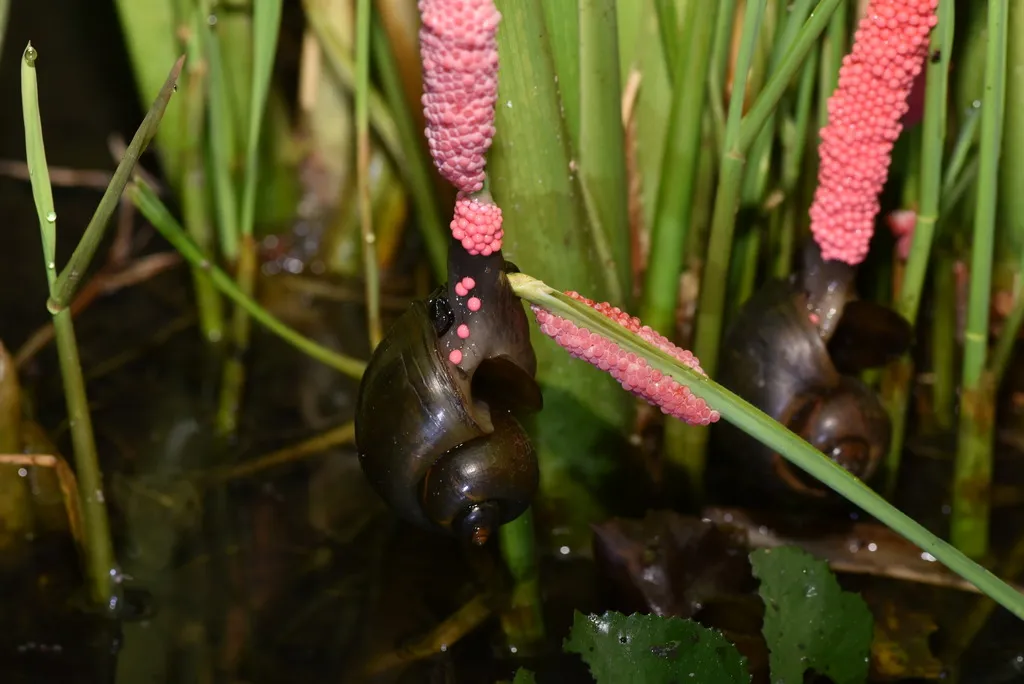
Apple snail
Pomacea canaliculata
Freshwater5.9 in (15 cm) · 21 gal (80 L)64–81°F (18–27°C)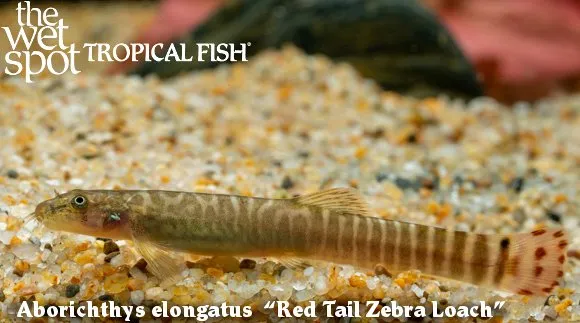
Red-tail squirrel loach
Aborichthys elongatus
Freshwater3.5 in (9 cm) · 24 gal (90 L)61–75°F (16–24°C)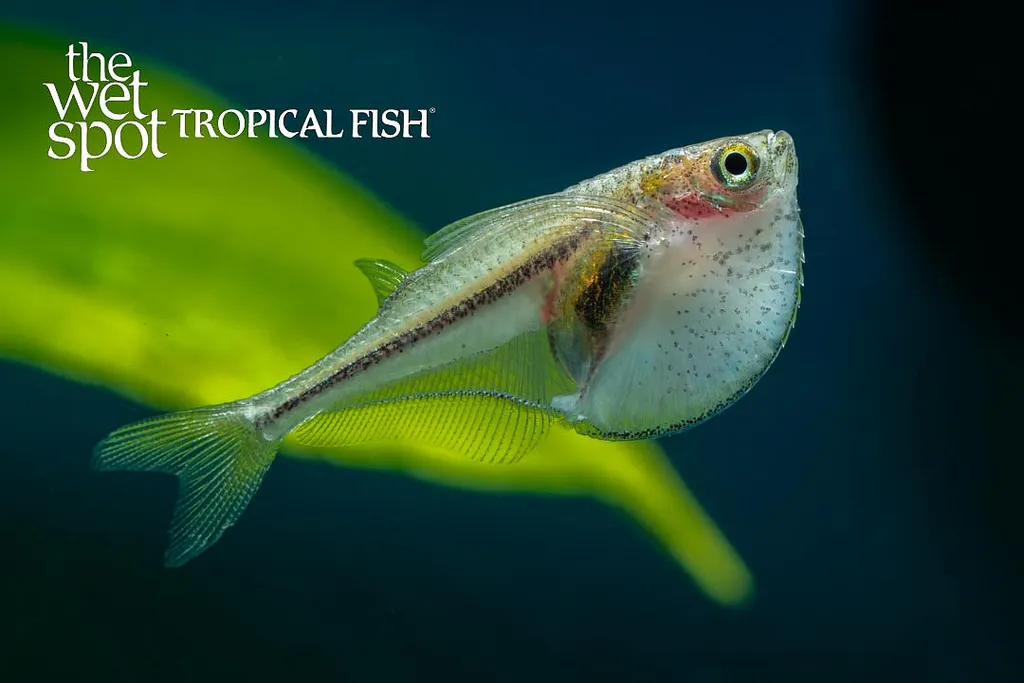
Pygmy hatchetfish
Carnegiella myersi
Freshwater1 in (2.5 cm) · 26 gal (100 L)73–79°F (23–26°C)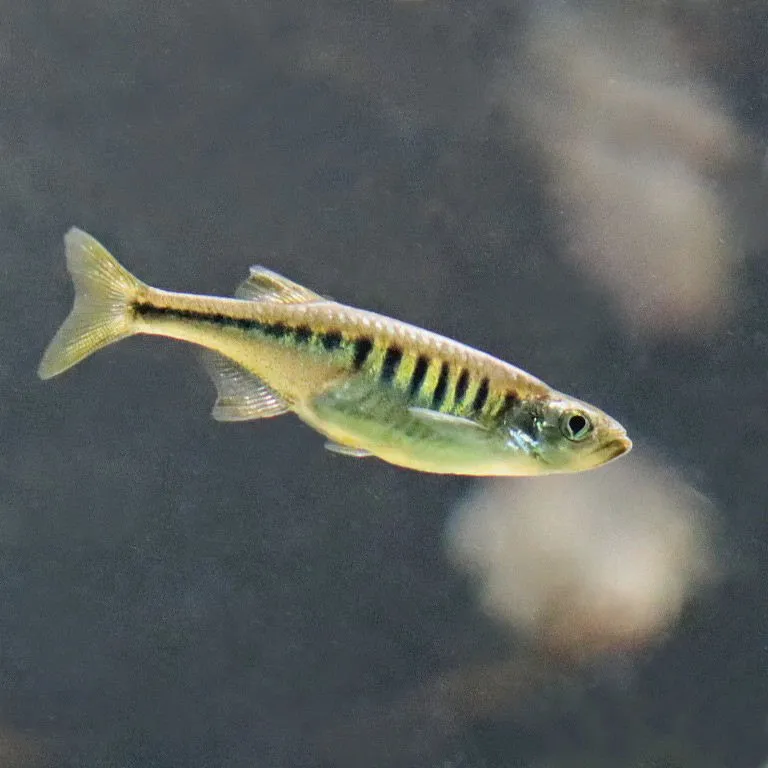
Lake Inle danio
Devario auropurpureus
Freshwater3.1 in (8 cm) · 24 gal (90 L)64–77°F (18–25°C)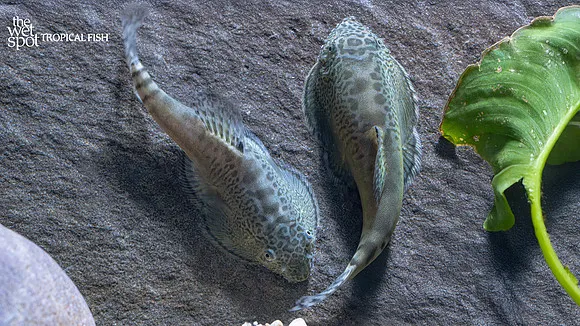
Pearl River hillstream loach
Beaufortia granulopinna
Freshwater3.1 in (8 cm) · 24 gal (90 L)61–75°F (16–24°C)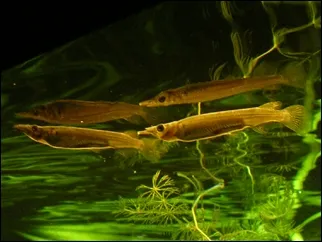
Wrestling halfbeak
Dermogenys pusilla
FreshwaterBrackish2.8 in (7 cm) · 25 gal (95 L)75–82°F (24–28°C)
Common questions
What size tank does a Rosy barb need?
A Rosy barb needs at least 24 gal (90 L). It spends most of its time in the middle.
What temperature and pH does a Rosy barb need?
A Rosy barb is comfortable at 61–75°F (16–24°C) with a pH of 6.0–8.0.
How big does a Rosy barb get?
An adult Rosy barb reaches about 2.8 in (7 cm).
Does a Rosy barb need a group?
Yes. A Rosy barb is a schooling species and should be kept in a group, not singly.
Related species
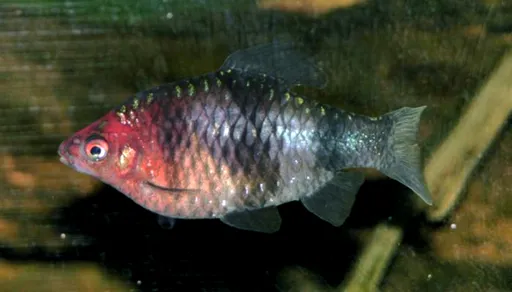 2.4 in (6 cm)20 gal (75 L)72–79°F (22–26°C)
Black ruby barb
Pethia nigrofasciata
2.4 in (6 cm) · 20 gal (75 L)
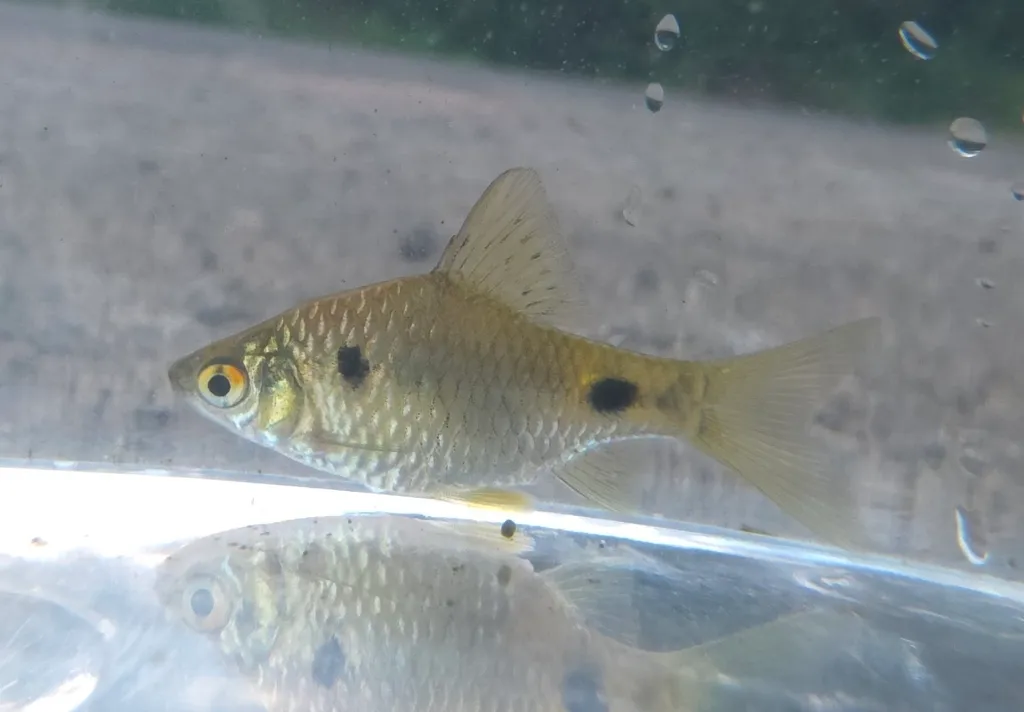 2.4 in (6 cm)20 gal (75 L)64–75°F (18–24°C)
Ticto barb
Pethia ticto
2.4 in (6 cm) · 20 gal (75 L)
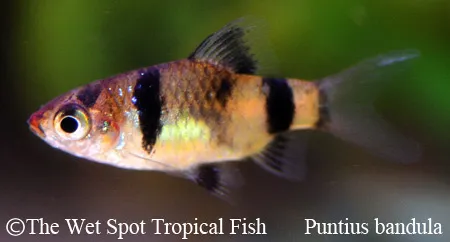 2 in (5 cm)20 gal (75 L)73–81°F (23–27°C)
Bandula barb
Pethia bandula
2 in (5 cm) · 20 gal (75 L)
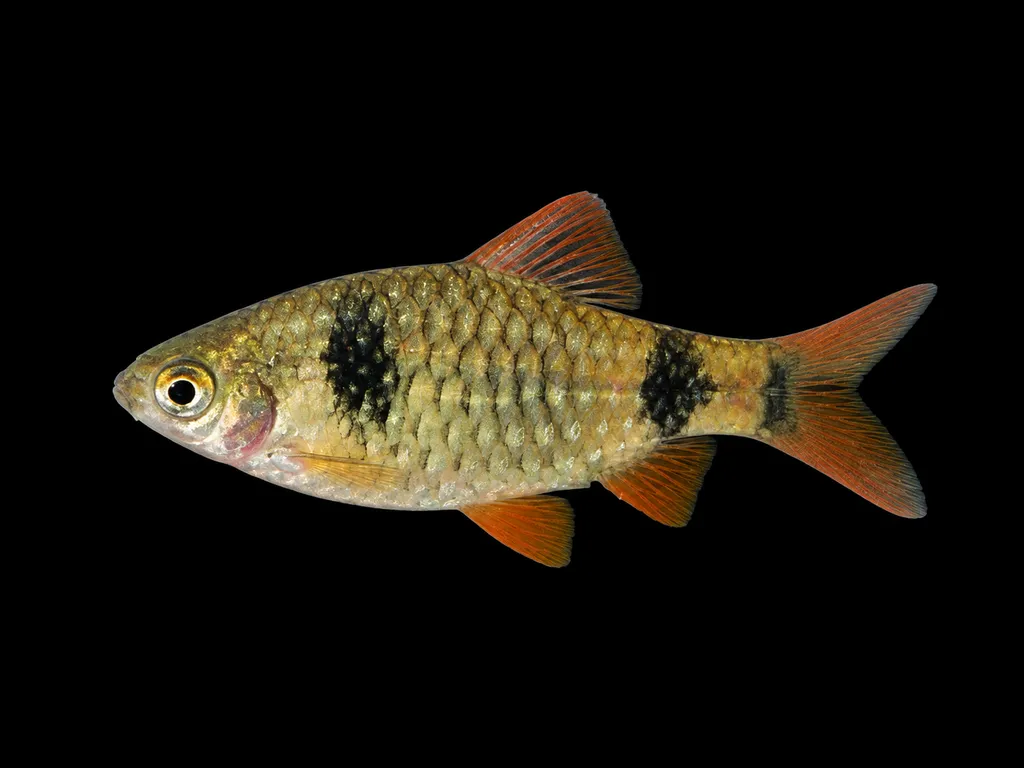 2 in (5 cm)16 gal (60 L)72–81°F (22–27°C)
Cuming's barb
Pethia cumingii
2 in (5 cm) · 16 gal (60 L)
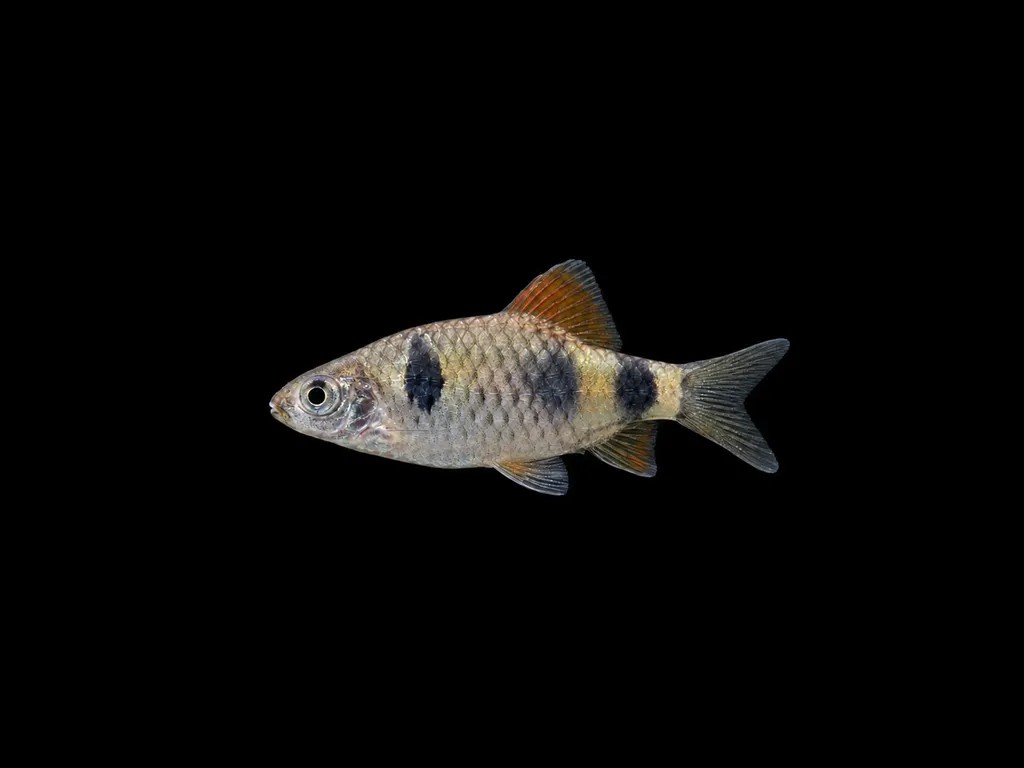 2 in (5 cm)20 gal (75 L)72–81°F (22–27°C)
Setna barb
Pethia setnai
2 in (5 cm) · 20 gal (75 L)
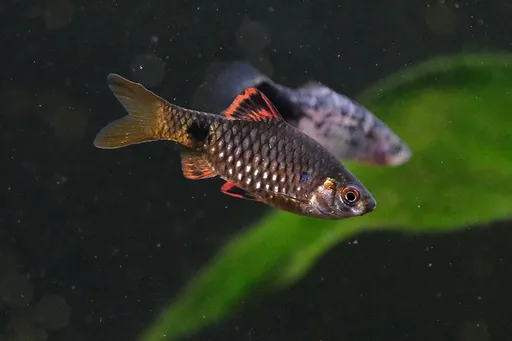 2 in (5 cm)20 gal (75 L)64–79°F (18–26°C)
Stoliczka's barb
Pethia stoliczkana
2 in (5 cm) · 20 gal (75 L)