Ticto barb
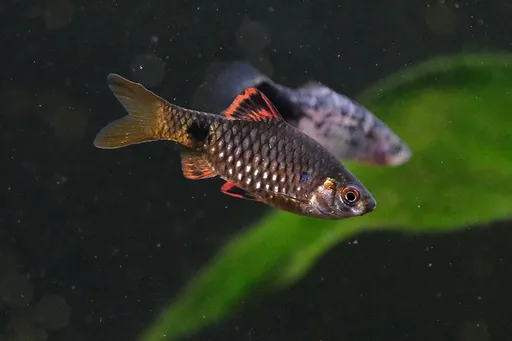
Pethia ticto
Also known as Two-spotted barb
FreshwaterFish
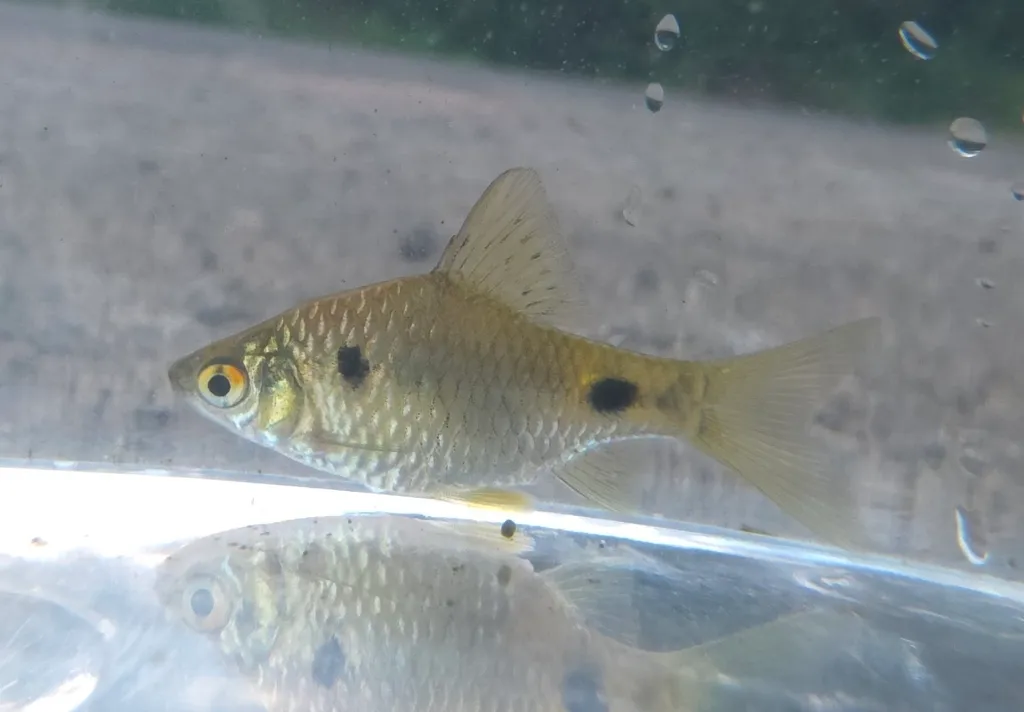
Care at a glance
- Temperature
- 64–75°F
- 18–24°C
- pH
- 6.5–7.5
- Adult size
- 2.4 in
- 6 cm
- Minimum tank
- 20 gal
- 75 L
- Temperament
- Mostly peaceful
- Social behavior
- Schooling
- Swim level
- Middle
- Difficulty
- Easy
- Breeding
- Easy
- Rarity
- Common
- Family
- Cyprinidae
- Origin
- South Asia (India, Pakistan, Nepal, Sri Lanka, Bangladesh, Myanmar)
Overview
Keep a school of six or more, since a smaller group turns nippy and starts harassing tankmates. They're mostly peaceful active swimmers that hold the middle of the water column and want open room with gentle flow. Run the water cool, roughly 18 to 24 C, with a pH from 6.5 to 7.5, and skip the heater in most rooms since they dislike sustained warmth. Feed flakes, small pellets, and frozen treats like daphnia or bloodworms. Pair them with other cool-water fish of similar size and avoid slow, long-finned tankmates that the barbs may pester.
In the wild
Ticto barbs come from rivers, streams, and ponds across South Asia, including India, Pakistan, Nepal, Sri Lanka, Bangladesh, and Myanmar. A lot of that range is subtropical and cool, so these fish do fine in an unheated tank and actually struggle with sustained warmth. Give them a tank of at least 75 liters with open mid-water swimming room, some planted edges, and gentle flow. Keep the water on the cooler side, around 18 to 24 C, with a pH from 6.5 to 7.5.
Good to know
This is a small cyprinid in the family Cyprinidae, reaching about 6 cm as an adult. It's an easy egg scatterer with no parental care, spawning over fine plants or marbles that let the eggs fall out of reach. A healthy adult can live several years, and most fish in the trade are commercially bred.
Did you know
Spawning ticto barbs is about as simple as egg scattering gets. Drop a pair or a small group over a layer of marbles or a dense clump of fine plants, and the scattered eggs fall into the gaps where the adults can't reach to eat them. Pull the parents afterward and the fry hatch on their own in a couple of days.
Weekly picks
Tank mates
Ticto barb is a mostly peaceful, schooling species that keeps to the middle. These picks share a community profile with it, are safe together in both directions, and overlap on water type, temperature and pH.
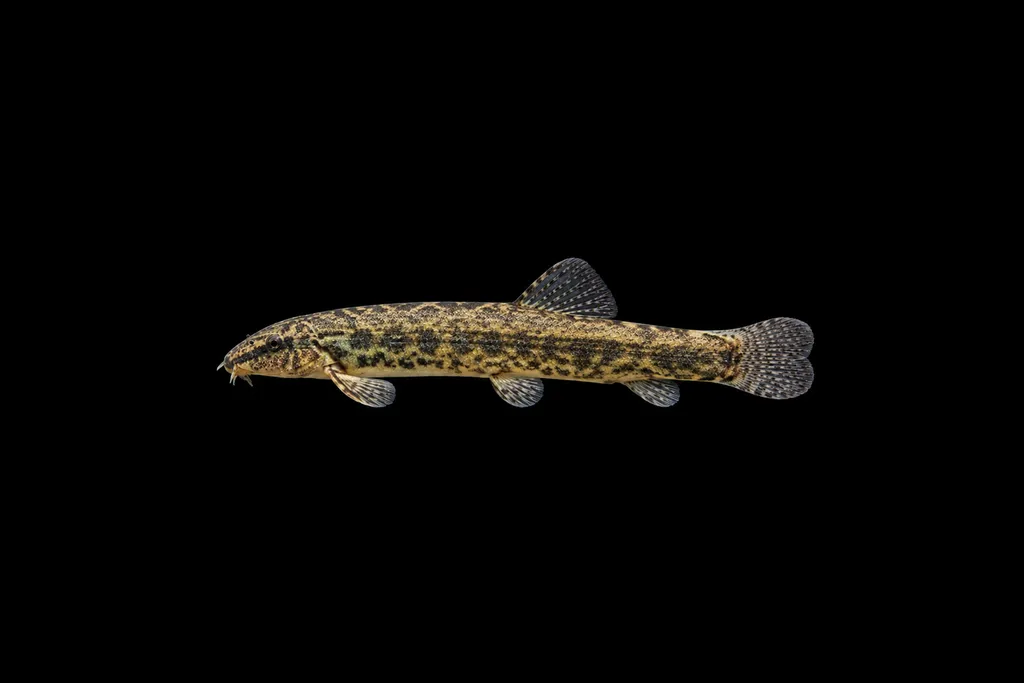
Nilgiri loach
Schistura nilgiriensis
Freshwater2.4 in (6 cm) · 20 gal (75 L)64–75°F (18–24°C)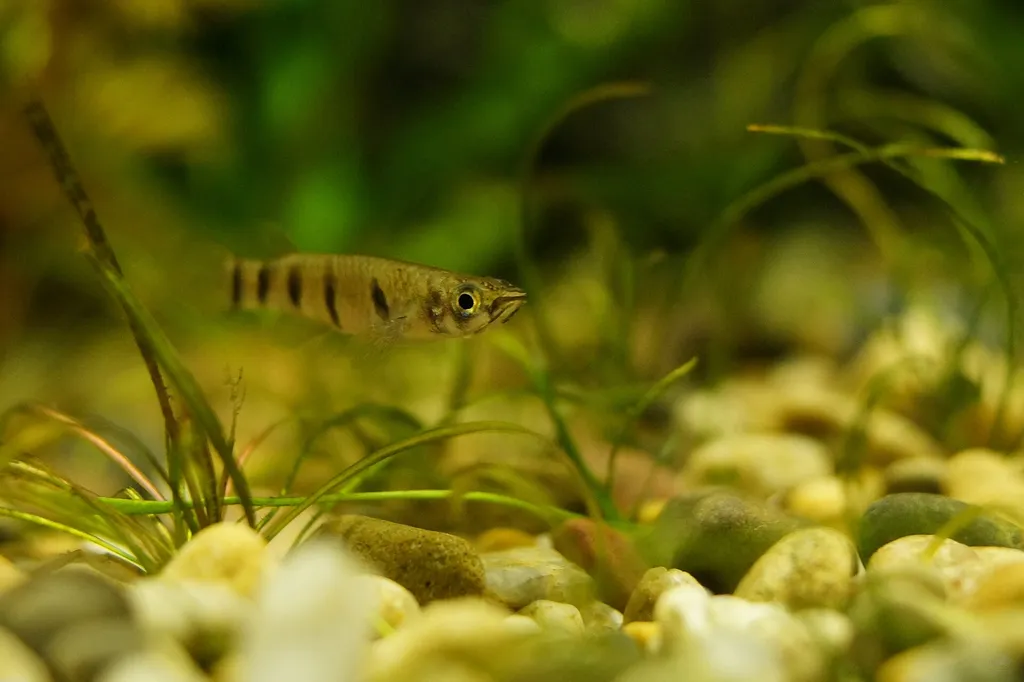
Red-chinned panchax
Epiplatys dageti
Freshwater1.8 in (4.5 cm) · 20 gal (75 L)70–75°F (21–24°C)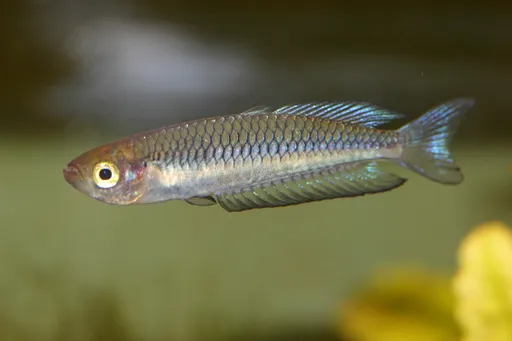
Ornate rainbowfish
Rhadinocentrus ornatus
Freshwater2.4 in (6 cm) · 20 gal (75 L)64–82°F (18–28°C)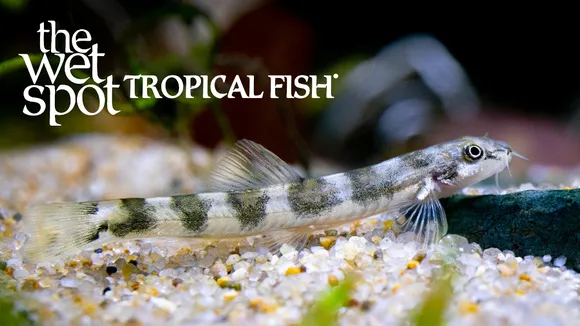
Devdevi loach
Schistura devdevi
Freshwater2 in (5 cm) · 20 gal (75 L)64–75°F (18–24°C)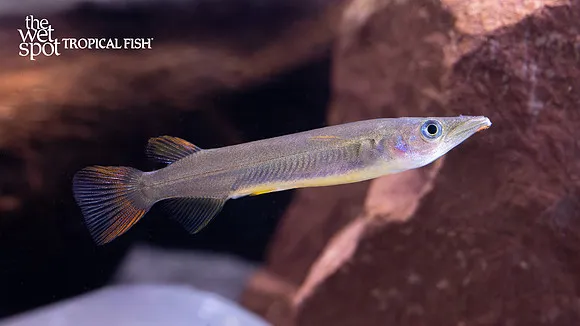
Rex halfbeak
Nomorhamphus rex
Freshwater2.2 in (5.5 cm) · 20 gal (75 L)72–79°F (22–26°C)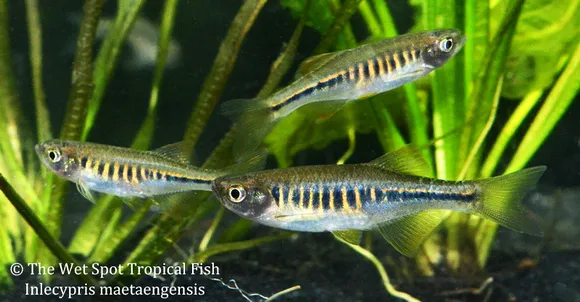
Fire bar danio
Devario maetaengensis
Freshwater2.4 in (6 cm) · 20 gal (75 L)64–77°F (18–25°C)
Common questions
What size tank does a Ticto barb need?
A Ticto barb needs at least 20 gal (75 L). It spends most of its time in the middle.
What temperature and pH does a Ticto barb need?
A Ticto barb is comfortable at 64–75°F (18–24°C) with a pH of 6.5–7.5.
How big does a Ticto barb get?
An adult Ticto barb reaches about 2.4 in (6 cm).
Does a Ticto barb need a group?
Yes. A Ticto barb is a schooling species and should be kept in a group, not singly.
Related species
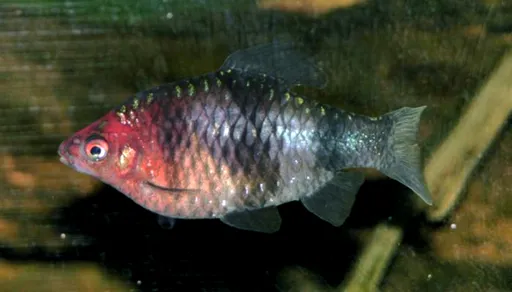 2.4 in (6 cm)20 gal (75 L)72–79°F (22–26°C)
Black ruby barb
Pethia nigrofasciata
2.4 in (6 cm) · 20 gal (75 L)
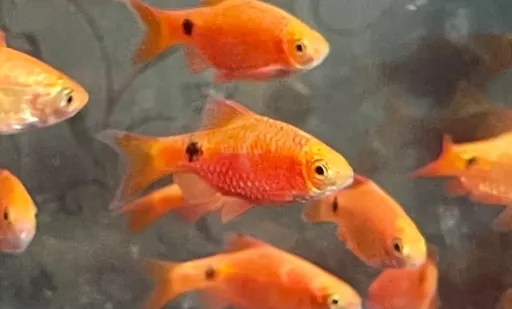 2.8 in (7 cm)24 gal (90 L)61–75°F (16–24°C)
Rosy barb
Pethia conchonius
2.8 in (7 cm) · 24 gal (90 L)
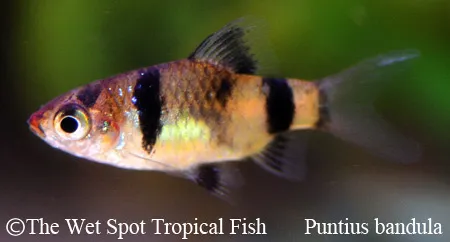 2 in (5 cm)20 gal (75 L)73–81°F (23–27°C)
Bandula barb
Pethia bandula
2 in (5 cm) · 20 gal (75 L)
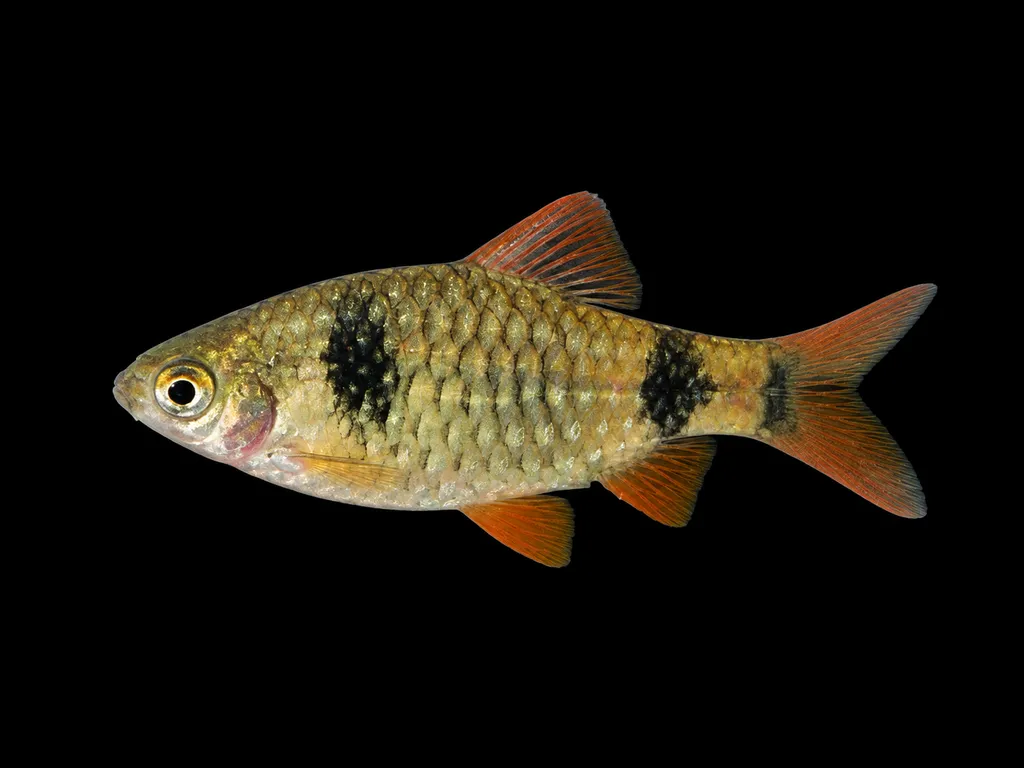 2 in (5 cm)16 gal (60 L)72–81°F (22–27°C)
Cuming's barb
Pethia cumingii
2 in (5 cm) · 16 gal (60 L)
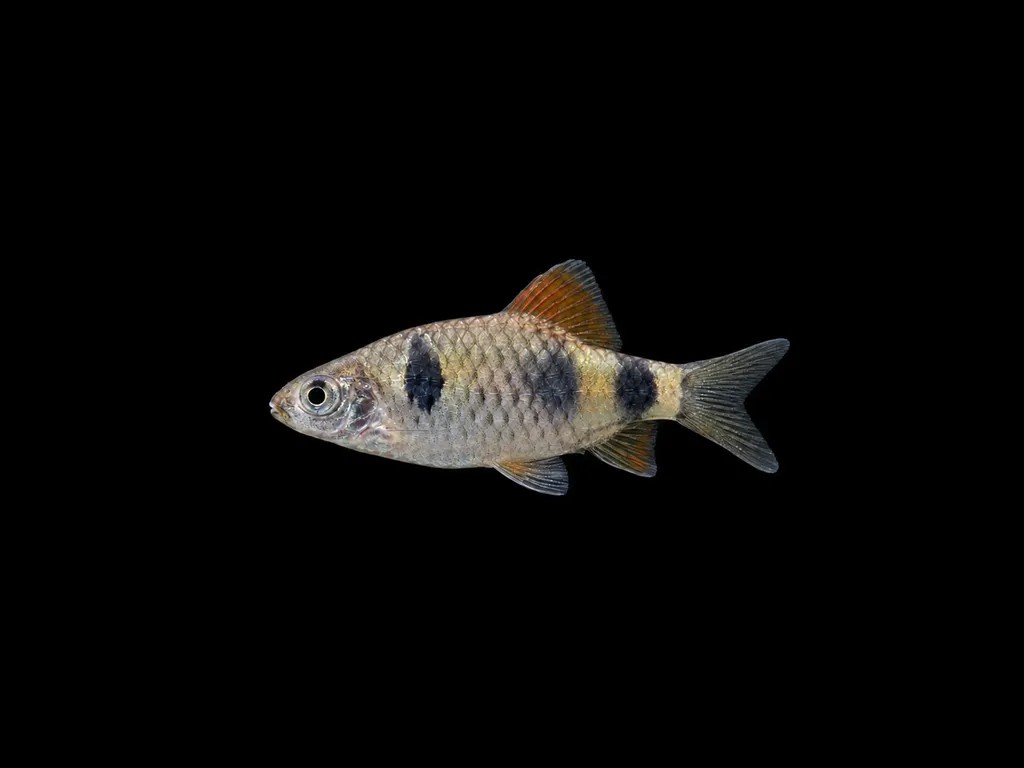 2 in (5 cm)20 gal (75 L)72–81°F (22–27°C)
Setna barb
Pethia setnai
2 in (5 cm) · 20 gal (75 L)
 2 in (5 cm)20 gal (75 L)64–79°F (18–26°C)
Stoliczka's barb
Pethia stoliczkana
2 in (5 cm) · 20 gal (75 L)