Marbled tandanus catfish
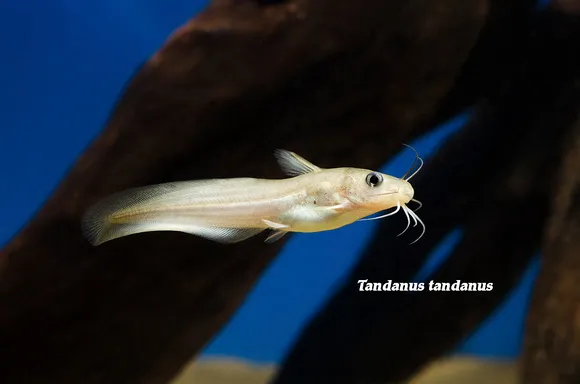
Tandanus tandanus
Also known as Eel-tailed catfish, Dewfish
FreshwaterFish
Care at a glance
- Temperature
- 61–79°F
- 16–26°C
- pH
- 6.5–7.8
- Adult size
- 31.5 in
- 80 cm
- Minimum tank
- 185 gal
- 700 L
- Temperament
- Mostly peaceful
- Social behavior
- Solitary
- Tankmates
- With caution
- Swim level
- Bottom
- Difficulty
- Difficult
- Breeding
- Substrate spawner
- Rarity
- Rare
- Family
- Plotosidae
- Origin
- Murray-Darling and eastern Australian rivers
Overview
The marbled tandanus catfish is a large, bottom-dwelling Australian catfish for a very big tank. It is a demanding fish, best for experienced keepers.
Did you know
Spawning marbled tandanus catfish build a nest by pushing gravel and stones into a ring up to a couple of meters across. Anglers who find these circles on the riverbed call them fairy rings. The fish itself goes by the country name dewfish.
Caring for the marbled tandanus catfish
A marbled tandanus catfish is a big animal that needs a floor it can patrol. Plan on a tank of at least 185 gal (700 L). Give it a sand or fine gravel floor, with smooth rocks and large driftwood for shelter. Run steady filtration.
It is a coolwater fish rather than a tropical one, comfortable at 61 to 79°F (16 to 26°C). It can be kept without a heater in a mild room. Keep the water near neutral, at a pH of 6.5 to 7.8.
It cruises the floor at night and rests under wood or stone by day. Feed meaty sinking foods such as prawn, mussel, earthworms, sinking pellets and frozen bloodworm. Offer them after lights out, when it comes up to feed.
It is not a social fish, so keep one to a tank rather than a group. It is calm toward tank mates but will hoover up anything small enough to fit in its mouth, so pick larger, robust fish. Like others in its family, it carries serrated spines in its dorsal and pectoral fins that can deliver a painful venomous sting. Handle it and its net with care.
Home breeding is not recorded. In nature, pairs spawn in a gravel nest, and the male guards it until the eggs hatch.
Good to know
Tandanus tandanus belongs to the eel-tailed catfish family Plotosidae. It is a heavy fish that can live for well over a decade. Almost all stock in the trade is farmed or wild caught.
In the wild
The marbled tandanus lives in the rivers, lakes and billabongs of the Murray-Darling and other eastern Australian systems. Much of that range is temperate country that turns cold in winter.
Common questions
What size tank does a marbled tandanus catfish need?
A marbled tandanus catfish needs at least 185 gal (700 L). It spends most of its time in the bottom.
What temperature and pH does a marbled tandanus catfish need?
A marbled tandanus catfish is comfortable at 61–79°F (16–26°C) with a pH of 6.5–7.8.
What does a marbled tandanus catfish eat?
A marbled tandanus catfish eats meaty sinking foods, such as prawn, mussel, earthworms, sinking pellets and frozen bloodworm. Offer them after lights out, when it comes up to feed.
How big does a marbled tandanus catfish get?
An adult marbled tandanus catfish reaches about 31.5 in (80 cm).
How does a marbled tandanus catfish breed?
Marbled tandanus catfish spawn in pairs over a gravel nest in nature, and the male guards it until the eggs hatch. Home breeding is not recorded.
Related species
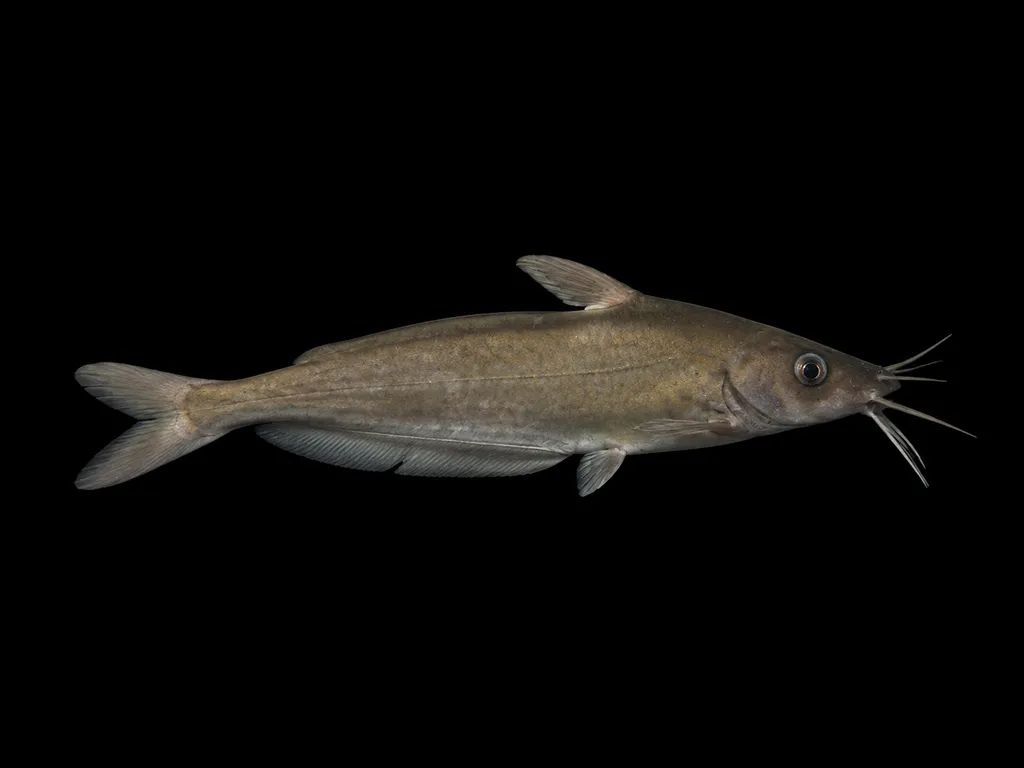 17.7 in (45 cm)119 gal (450 L)70–82°F (21–28°C)
Narrow-fronted tandan
Neosilurus ater
17.7 in (45 cm) · 119 gal (450 L)
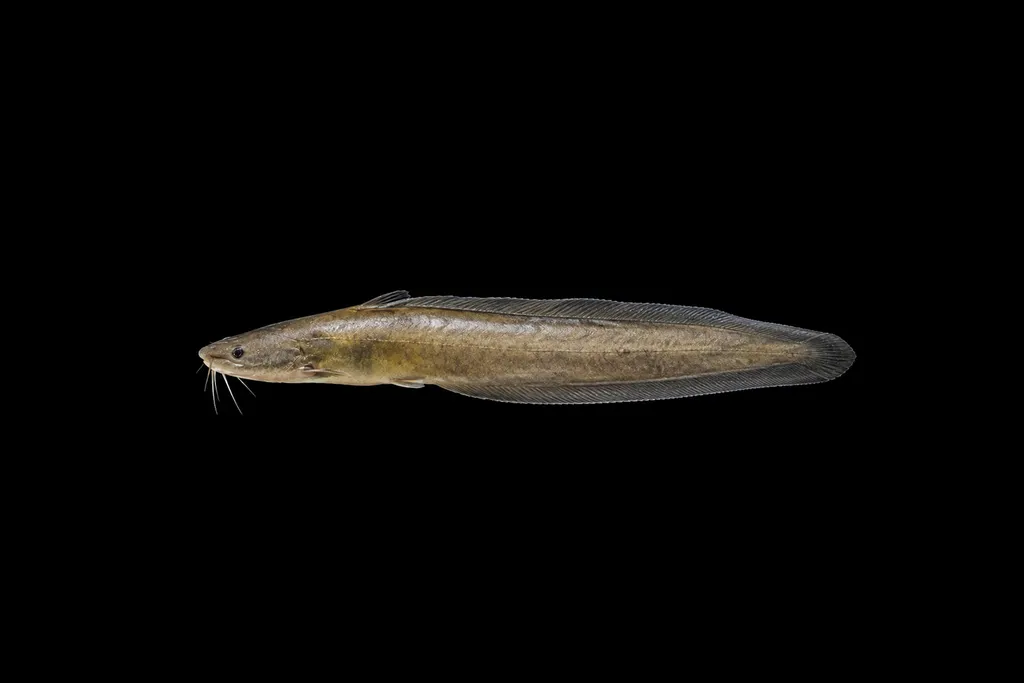 17.3 in (44 cm)106 gal (400 L)70–82°F (21–28°C)
Soft-spined tandan
Neosilurus mollespiculum
17.3 in (44 cm) · 106 gal (400 L)
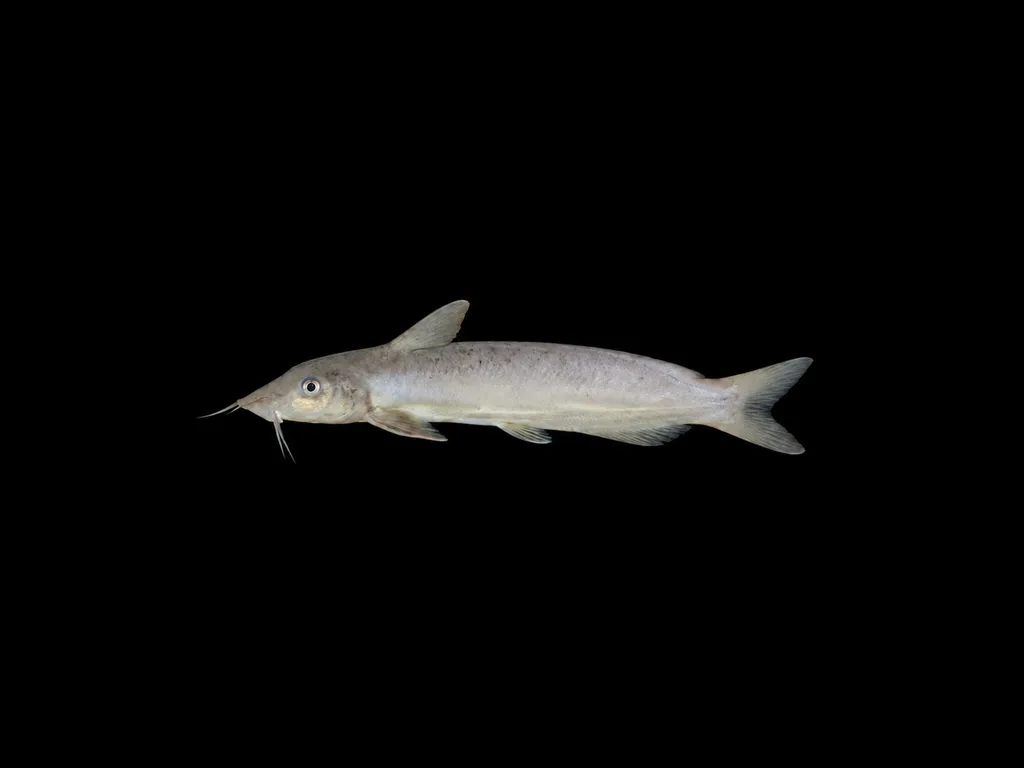 14.6 in (37 cm)106 gal (400 L)70–82°F (21–28°C)
Southern tandan
Neosilurus equinus
14.6 in (37 cm) · 106 gal (400 L)
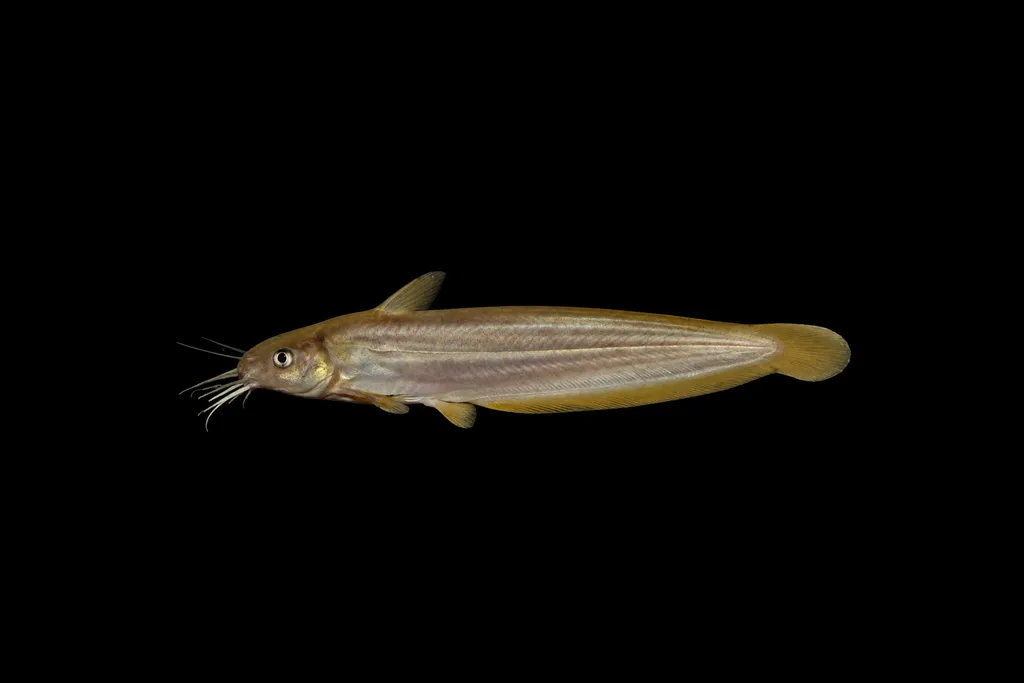 13.4 in (34 cm)106 gal (400 L)70–82°F (21–28°C)
Yellow eel-tail catfish
Neosilurus hyrtlii
13.4 in (34 cm) · 106 gal (400 L)
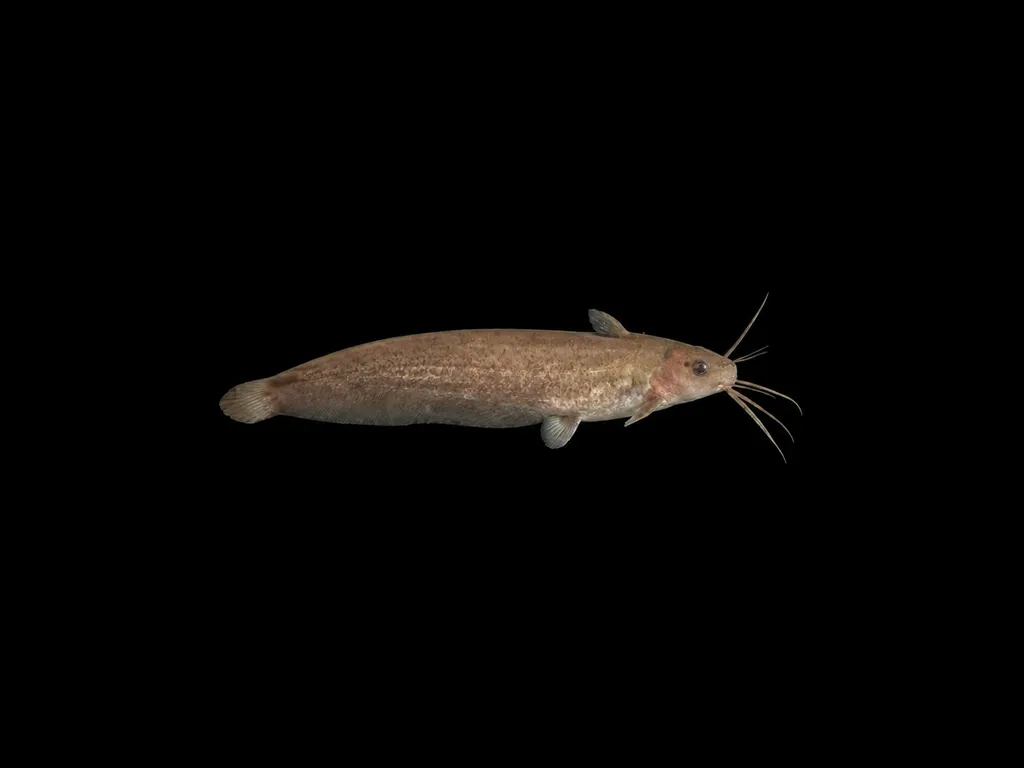 9.4 in (24 cm)79 gal (300 L)70–82°F (21–28°C)
Short-finned tandan
Neosilurus brevidorsalis
9.4 in (24 cm) · 79 gal (300 L)
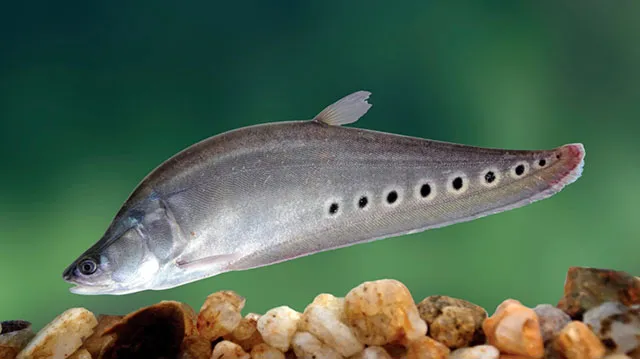 31.5 in (80 cm)125 gal (475 L)68–82°F (20–28°C)
Clown knifefish
Chitala ornata
31.5 in (80 cm) · 125 gal (475 L)