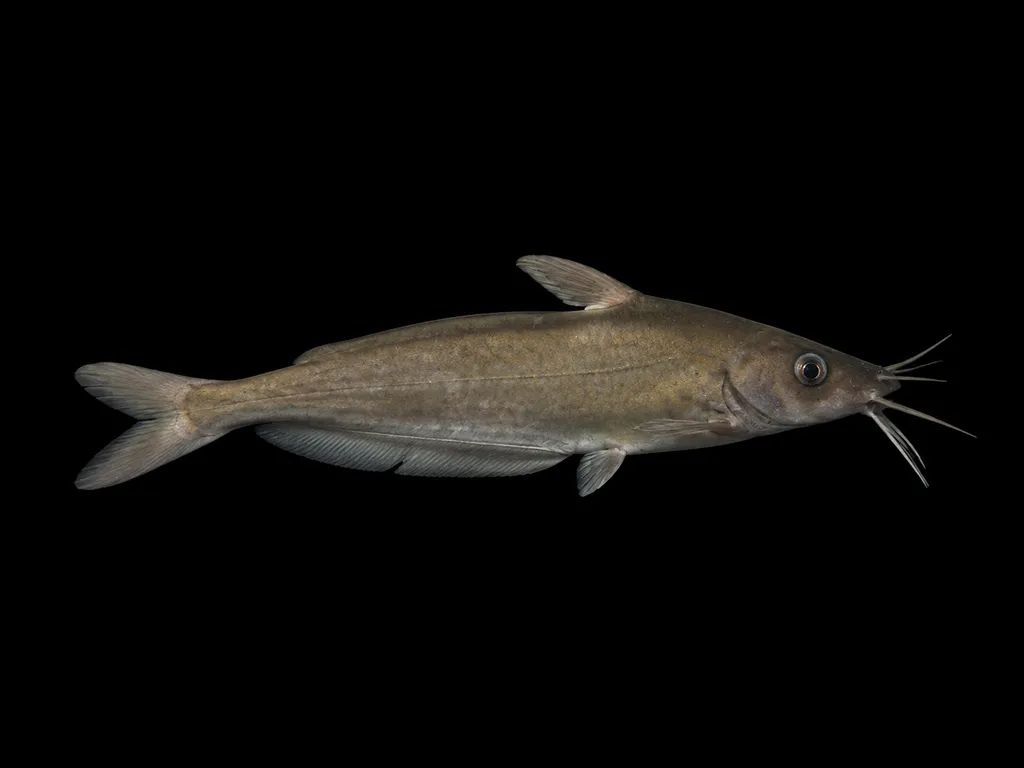
Narrow-fronted tandan
Neosilurus ater
Also known as Black tandan
FreshwaterFish
Care at a glance
- Temperature
- 70–82°F
- 21–28°C
- pH
- 6.5–7.8
- Adult size
- 17.7 in
- 45 cm
- Minimum tank
- 119 gal
- 450 L
- Temperament
- Mostly peaceful
- Social behavior
- Solitary
- Tankmates
- With caution
- Swim level
- Bottom
- Diet
- Carnivore
- Difficulty
- Medium
- Breeding
- No record
- Rarity
- Rare
- Family
- Plotosidae
- Origin
- Northern Australia and southern New Guinea
Overview
The narrow-fronted tandan is a big, active eel-tailed catfish for the bottom of a very large tank. It is best kept by someone with a little experience.
Caring for the narrow-fronted tandan
Give a narrow-fronted tandan a tank of at least 119 gal (450 L), with a long, open floor to roam. Lay a soft sand bed it can dig in, and add scattered stones and wood for cover. Strong, clean filtration should keep the current moving.
Keep the water warm, neutral and moderately hard, at 70 to 82°F (21 to 28°C) and a pH of 6.5 to 7.8. It works the bottom from dusk into the night, sifting sand and probing among rocks for food. Feed this carnivore mostly after the lights go down, with sinking pellets, prawn, mussel, earthworms and frozen bloodworm.
The narrow-fronted tandan is a solitary fish rather than a schooler. Keep one on its own, or a pair at most in a very large tank. It does not squabble, but it is a size-selective feeder that will eat small fish. Keep only larger, calm tank mates, and choose them carefully.
Like all plotosids, it carries venomous serrated spines in the dorsal and pectoral fins. A sting is a real risk when handling it, so take care. Females run a little larger than males. Breeding has not been recorded in aquaria, but in the wild it moves upstream to spawn as the wet season begins.
Good to know
Neosilurus ater belongs to the family Plotosidae, and it is also known as the black tandan or the black catfish. In the wild it feeds on insects, crustaceans and small fish.
In the wild
The narrow-fronted tandan ranges across northern Australia and southern New Guinea. It lives in rivers, billabongs and flooded lagoons as well as clear flowing streams.
Common questions
What size tank does a narrow-fronted tandan need?
A narrow-fronted tandan needs at least 119 gal (450 L). It spends most of its time in the bottom.
What temperature and pH does a narrow-fronted tandan need?
A narrow-fronted tandan is comfortable at 70–82°F (21–28°C) with a pH of 6.5–7.8.
What does a narrow-fronted tandan eat?
A narrow-fronted tandan is a carnivore that feeds mostly after the lights go down. Offer it sinking pellets, prawn, mussel, earthworms and frozen bloodworm.
How big does a narrow-fronted tandan get?
An adult narrow-fronted tandan reaches about 17.7 in (45 cm).
How can you tell a male narrow-fronted tandan from a female?
A female narrow-fronted tandan grows a little larger than a male.
How does a narrow-fronted tandan breed?
A narrow-fronted tandan moves upstream to spawn in the wild as the wet season begins. It has not been recorded breeding in aquaria.
Related species
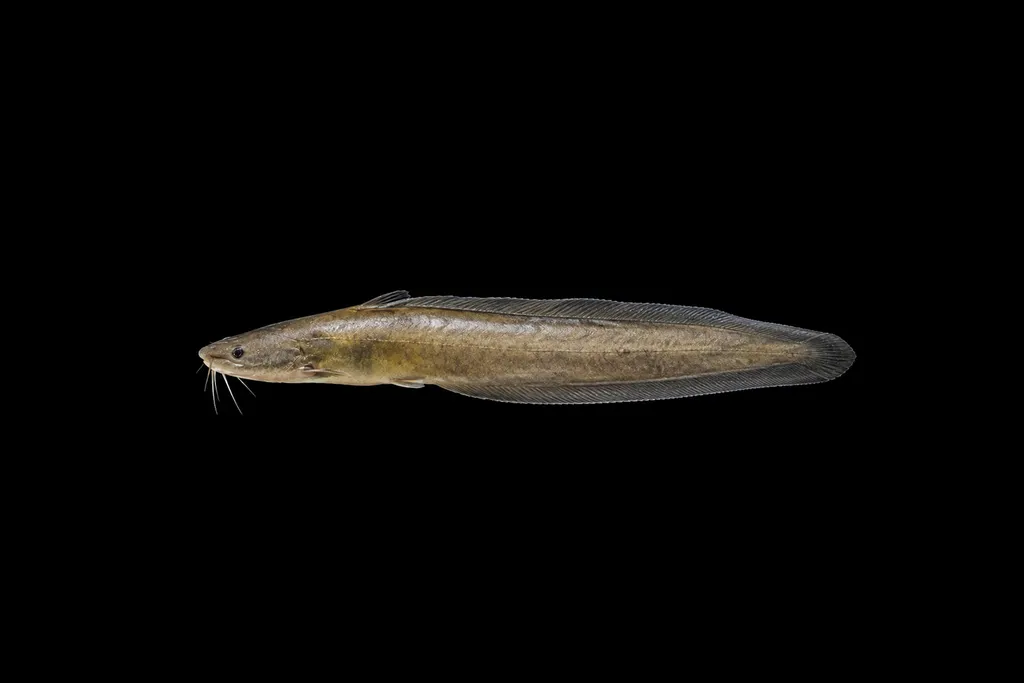 17.3 in (44 cm)106 gal (400 L)70–82°F (21–28°C)
Soft-spined tandan
Neosilurus mollespiculum
17.3 in (44 cm) · 106 gal (400 L)
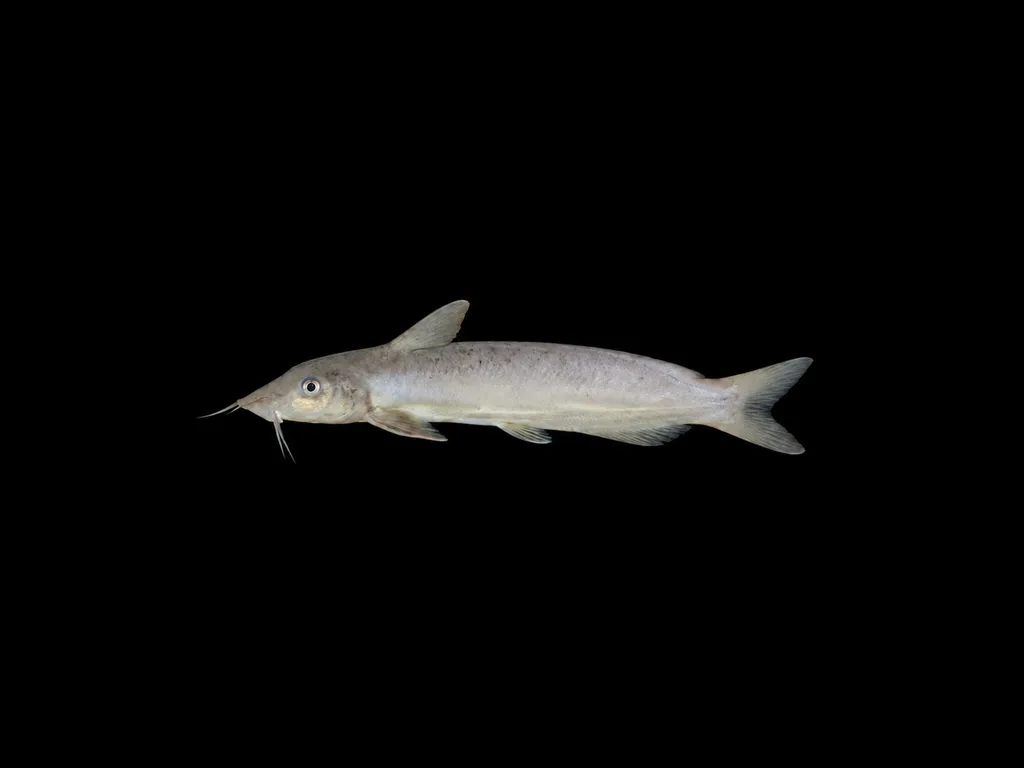 14.6 in (37 cm)106 gal (400 L)70–82°F (21–28°C)
Southern tandan
Neosilurus equinus
14.6 in (37 cm) · 106 gal (400 L)
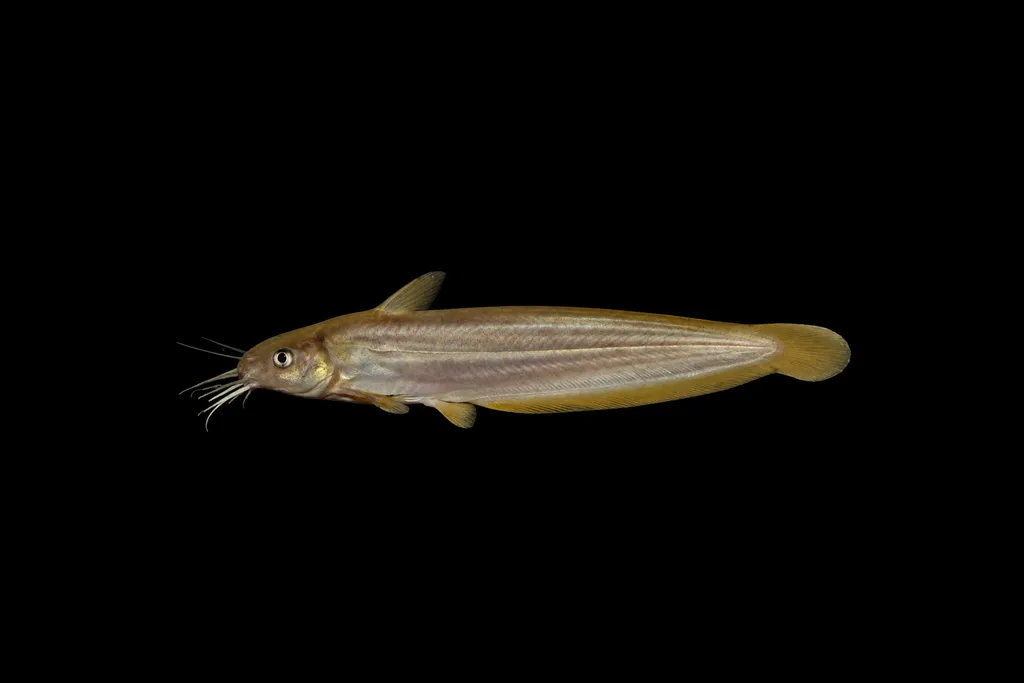 13.4 in (34 cm)106 gal (400 L)70–82°F (21–28°C)
Yellow eel-tail catfish
Neosilurus hyrtlii
13.4 in (34 cm) · 106 gal (400 L)
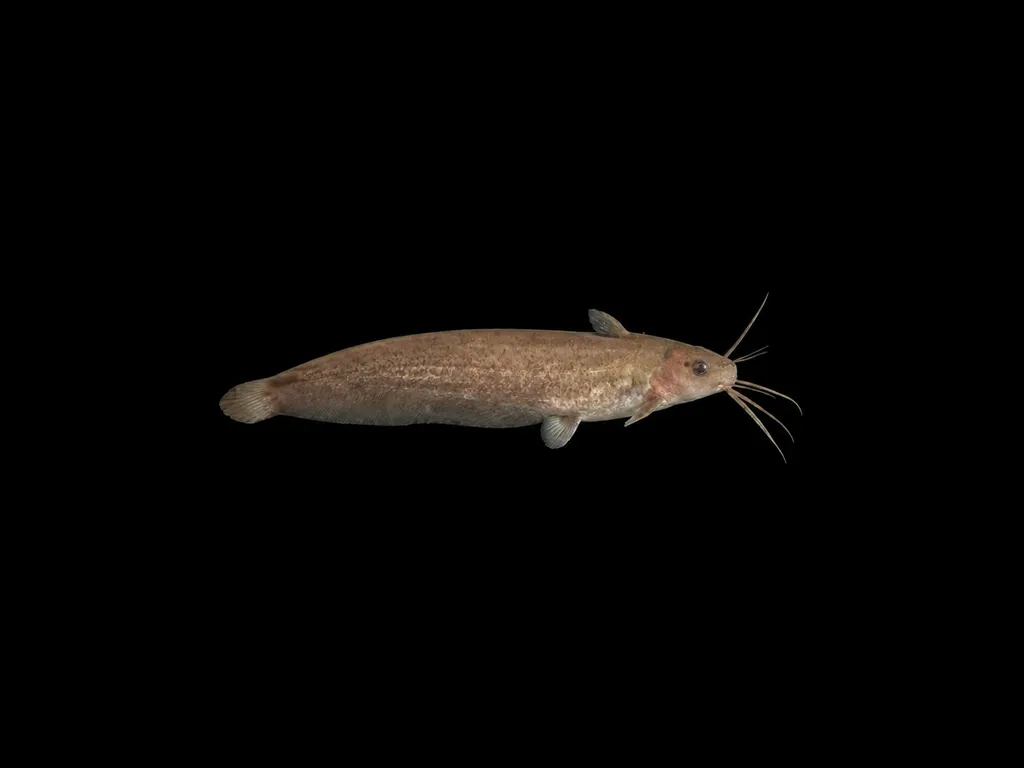 9.4 in (24 cm)79 gal (300 L)70–82°F (21–28°C)
Short-finned tandan
Neosilurus brevidorsalis
9.4 in (24 cm) · 79 gal (300 L)
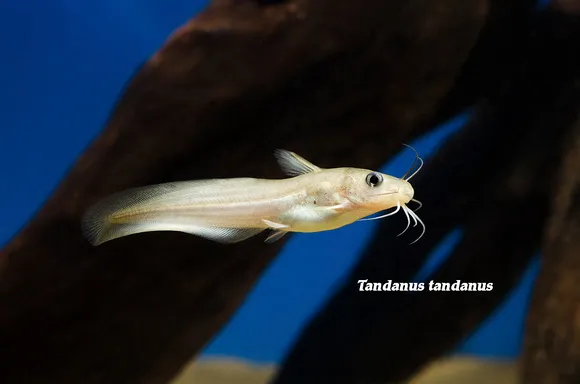 31.5 in (80 cm)185 gal (700 L)61–79°F (16–26°C)
Marbled tandanus catfish
Tandanus tandanus
31.5 in (80 cm) · 185 gal (700 L)
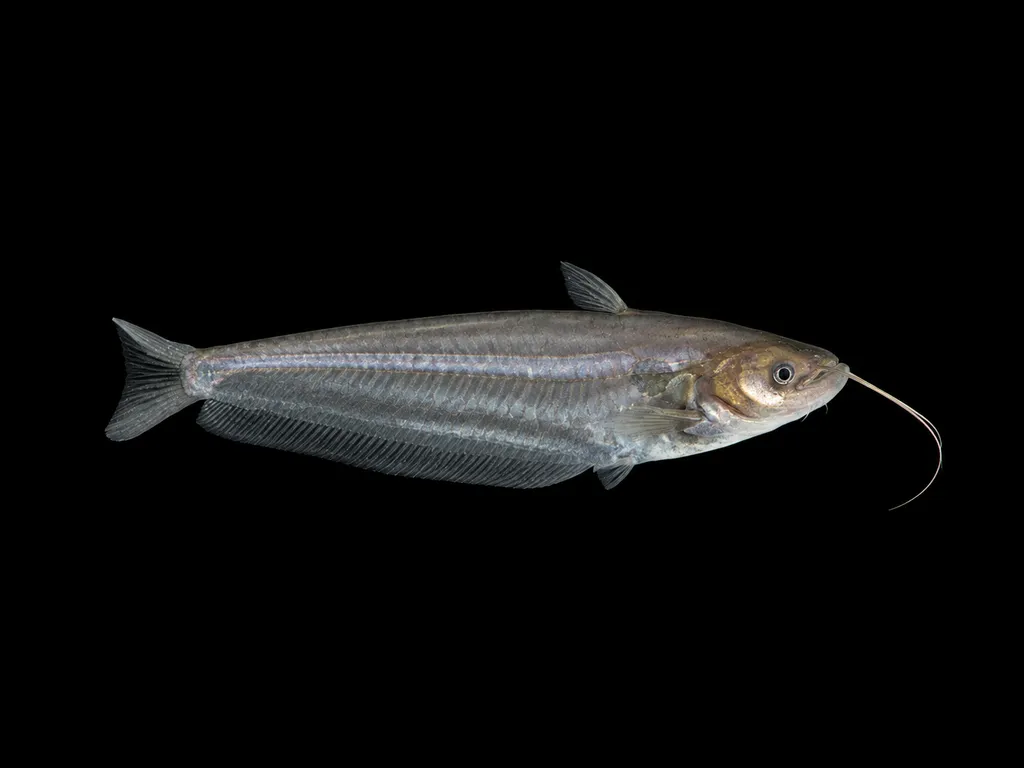 17.7 in (45 cm)172 gal (650 L)68–82°F (20–28°C)
Butter catfish
Ompok bimaculatus
17.7 in (45 cm) · 172 gal (650 L)