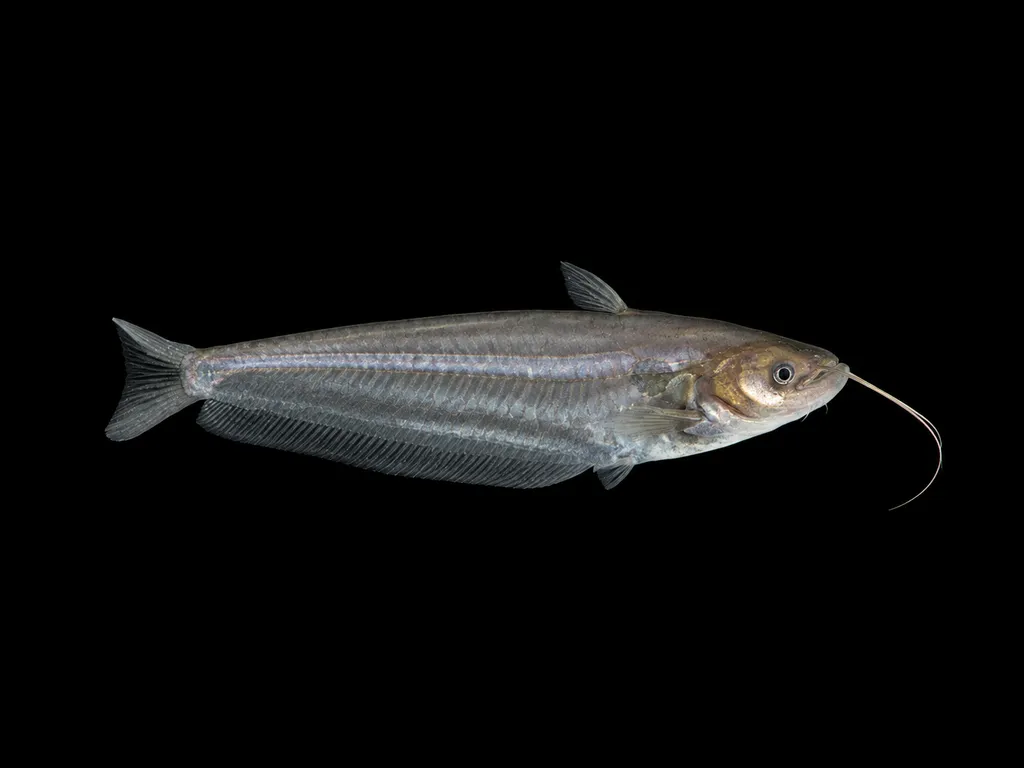
Butter catfish
Ompok bimaculatus
Also known as Two-spot butter catfish, Indian butter catfish, Butter sheatfish
FreshwaterFish
Care at a glance
- Temperature
- 68–82°F
- 20–28°C
- pH
- 6.0–7.5
- Adult size
- 17.7 in
- 45 cm
- Minimum tank
- 53 gal
- 200 L
- Temperament
- Mostly peaceful
- Social behavior
- Social
- Tankmates
- With caution
- Swim level
- Bottom
- Difficulty
- Medium
- Breeding
- No record
- Rarity
- Rare
- Family
- Siluridae
- Origin
- Widespread across rivers of South and Southeast Asia.
Overview
The butter catfish is an active, shoaling predator that is more peaceful than many large catfish but will still eat small fish, so keep it with tankmates too big to swallow and, ideally, in a small group. It grows to a fair size and needs open swimming room, so plan on a tank of at least 200 liters. It is a keen feeder on meaty foods like fish, prawns, earthworms, and frozen items, and it takes sinking pellets over time. Provide cover and dim light to keep it confident.
In the wild
The butter catfish is a widespread South and Southeast Asian silurid of rivers, canals, and floodplains, hanging in midwater and along the bottom and hunting at dusk. It has a slim, silvery, scaleless body, a long anal fin, and long barbels. Give it open swimming space, driftwood, gentle flow, and soft to neutral water at 20 to 28 degrees C.
Good to know
Ompok bimaculatus grows to about 45 cm, though aquarium fish are often smaller, and is named for the two dark shoulder spots on its silvery flanks. It is a mid-water predator with a shimmering, semi-translucent body when young. It is an important food fish across its range and is farmed in parts of Asia.
Did you know
Young butter catfish are so pale and semi-transparent that the two shoulder spots seem to float on the body, which is exactly where the two-spot part of the name comes from.
Common questions
What size tank does a Butter catfish need?
A Butter catfish needs at least 53 gal (200 L). It spends most of its time in the bottom.
What temperature and pH does a Butter catfish need?
A Butter catfish is comfortable at 68–82°F (20–28°C) with a pH of 6.0–7.5.
How big does a Butter catfish get?
An adult Butter catfish reaches about 17.7 in (45 cm).
Related species
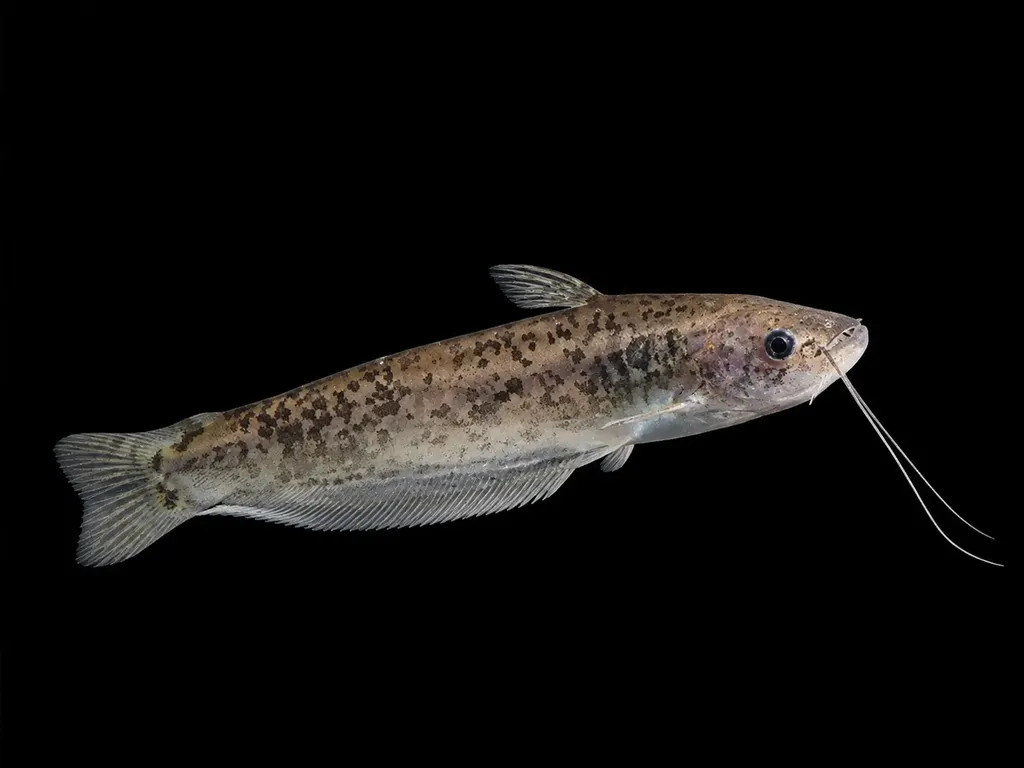 11.8 in (30 cm)106 gal (400 L)73–81°F (23–27°C)
Ompok catfish
Ompok pabda
11.8 in (30 cm) · 106 gal (400 L)
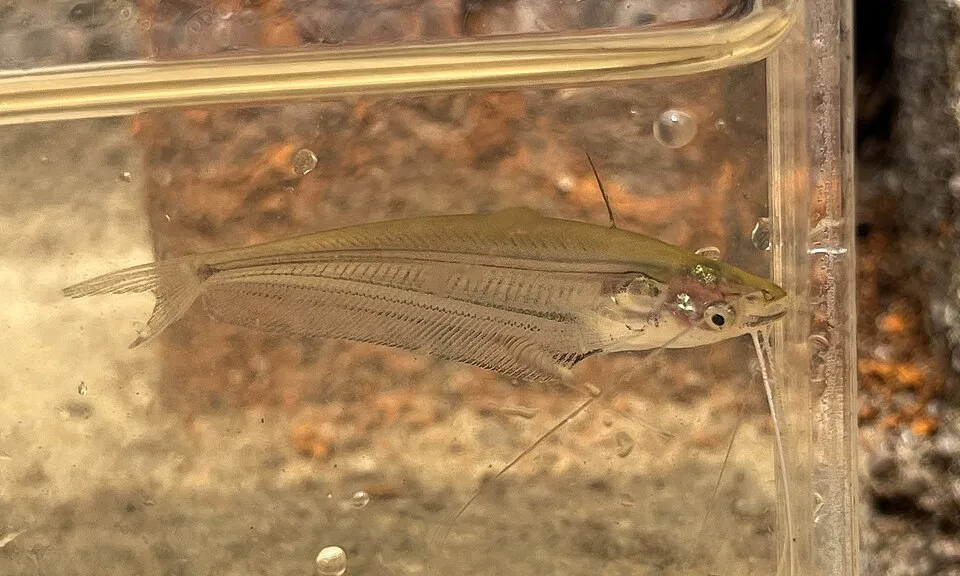 6.5 in (16.5 cm)45 gal (170 L)70–82°F (21–28°C)
Borneo glass catfish
Ompok eugeneiatus
6.5 in (16.5 cm) · 45 gal (170 L)
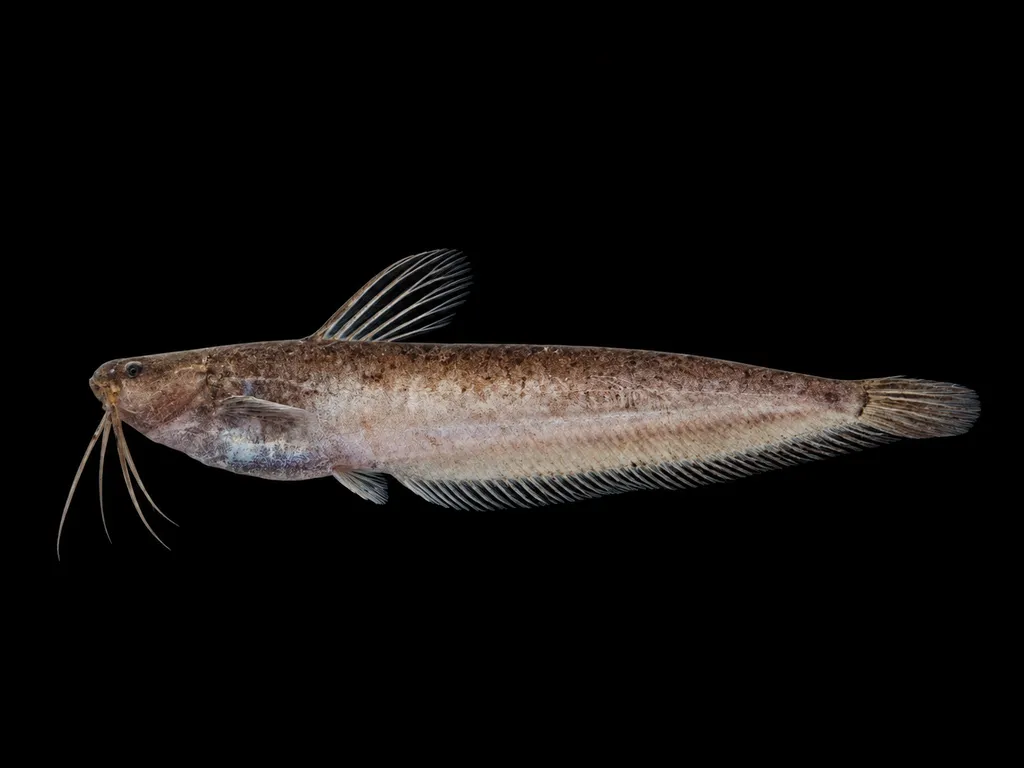 5.9 in (15 cm)29 gal (110 L)73–81°F (23–27°C)
Borneo featherfin catfish
Silurichthys phaiosoma
5.9 in (15 cm) · 29 gal (110 L)
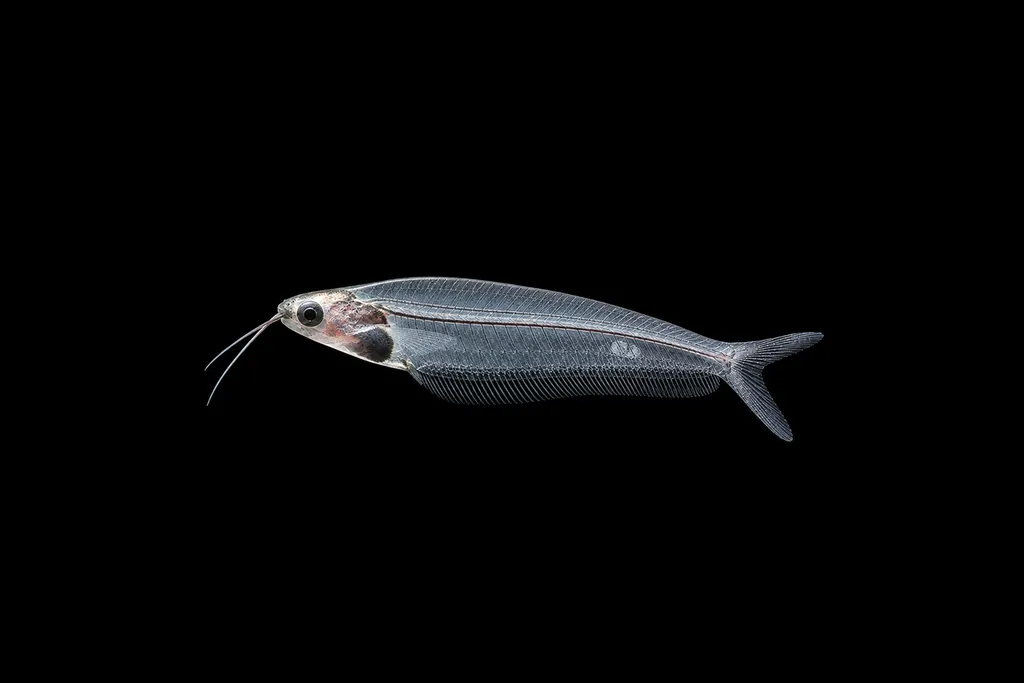 11.8 in (30 cm)119 gal (450 L)73–81°F (23–27°C)
Mekong glass sheatfish
Kryptopterus limpok
11.8 in (30 cm) · 119 gal (450 L)
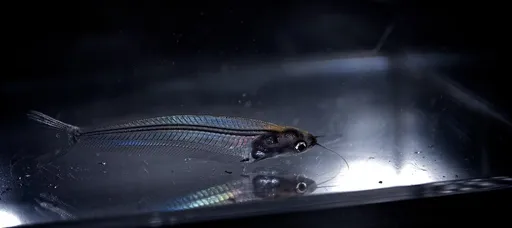 5.9 in (15 cm)26 gal (100 L)70–79°F (21–26°C)
True glass catfish
Kryptopterus bicirrhis
5.9 in (15 cm) · 26 gal (100 L)
 59.1 in (150 cm)528 gal (2,000 L)72–82°F (22–28°C)
Wallago catfish
Wallago attu
59.1 in (150 cm) · 528 gal (2,000 L)