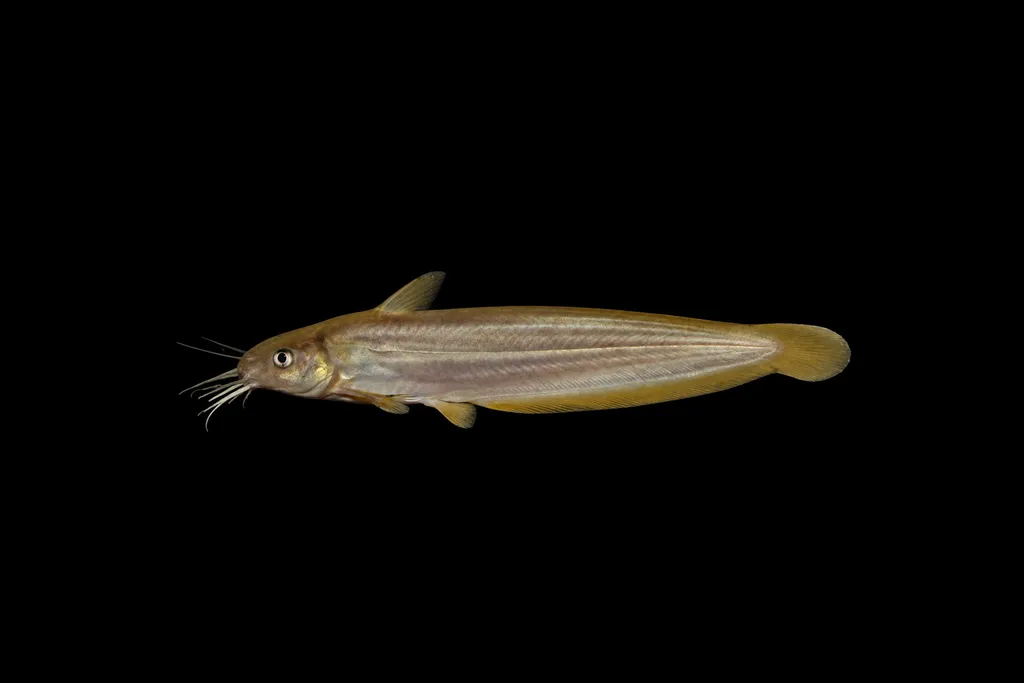
Yellow eel-tail catfish
Neosilurus hyrtlii
Also known as Hyrtl's tandan, Glencoe tandan
FreshwaterFish
Care at a glance
- Temperature
- 70–82°F
- 21–28°C
- pH
- 6.5–7.8
- Adult size
- 13.4 in
- 34 cm
- Minimum tank
- 106 gal
- 400 L
- Temperament
- Mostly peaceful
- Social behavior
- Solitary
- Tankmates
- With caution
- Swim level
- Bottom
- Diet
- Omnivore
- Difficulty
- Medium
- Breeding
- No record
- Rarity
- Rare
- Family
- Plotosidae
- Origin
- Inland and northern Australia
Overview
The yellow eel-tail catfish is a hardy, active catfish for the bottom of a large tank. It is a good fish once you have a little experience.
Did you know
The yellow eel-tail catfish is a boom-and-bust desert fish. When inland floods fill rivers that stand dry most of the year, it spawns and spreads fast. It colonizes channels that may hold water for only a single wet season.
Caring for the yellow eel-tail catfish
Give a yellow eel-tail catfish a tank of at least 106 gal (400 L), with a long, open floor to patrol. Lay sand or fine gravel for digging, and add driftwood and stones for cover. Keep the water clean and well filtered.
It takes a wide band of warm water, from 70 to 82°F (21 to 28°C). Aim for neutral, moderately hard conditions with a pH of 6.5 to 7.8. It spends its nights cruising the bottom and probing sand and gravel for food. This omnivorous bottom feeder is not fussy, so offer sinking pellets, frozen bloodworm, chopped prawn, mussel and earthworms in the evening.
The yellow eel-tail catfish is kept as a solitary fish rather than in a group. House one to a tank, or a pair where the tank is large. It is mostly peaceful but will eat fish small enough to swallow, so keep larger, easygoing tank mates and select them carefully.
Its fin spines are venomous, like those of the other eel-tailed catfishes, so handle it gently. In the wild it breeds in shallow, sandy reaches as the wet season begins. Breeding has not been recorded in home aquaria.
Good to know
Neosilurus hyrtlii belongs to the family Plotosidae and is buttery yellow to gold below. It also goes by Hyrtl's tandan and the Glencoe tandan. In the wild it takes insects, crustaceans and small fish.
In the wild
The yellow eel-tail catfish is the most widespread eel-tailed catfish in Australia. It is found from desert rivers of the dry interior to coastal streams across the north.
Common questions
What size tank does a yellow eel-tail catfish need?
A yellow eel-tail catfish needs at least 106 gal (400 L). It spends most of its time in the bottom.
What temperature and pH does a yellow eel-tail catfish need?
A yellow eel-tail catfish is comfortable at 70–82°F (21–28°C) with a pH of 6.5–7.8.
What does a yellow eel-tail catfish eat?
A yellow eel-tail catfish is an omnivorous bottom feeder and not fussy about food. Offer it sinking pellets, frozen bloodworm, chopped prawn, mussel and earthworms in the evening.
How big does a yellow eel-tail catfish get?
An adult yellow eel-tail catfish reaches about 13.4 in (34 cm).
How does a yellow eel-tail catfish breed?
A yellow eel-tail catfish breeds in shallow, sandy reaches in the wild, as the wet season begins. It has not been recorded breeding in home aquaria.
Related species
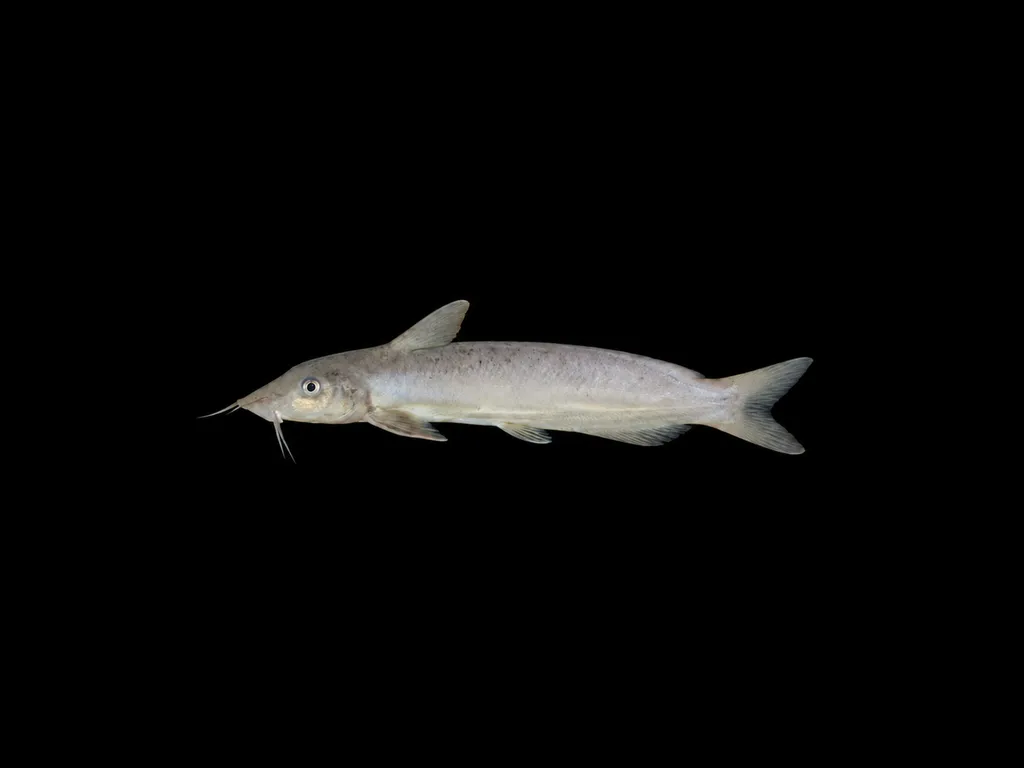 14.6 in (37 cm)106 gal (400 L)70–82°F (21–28°C)
Southern tandan
Neosilurus equinus
14.6 in (37 cm) · 106 gal (400 L)
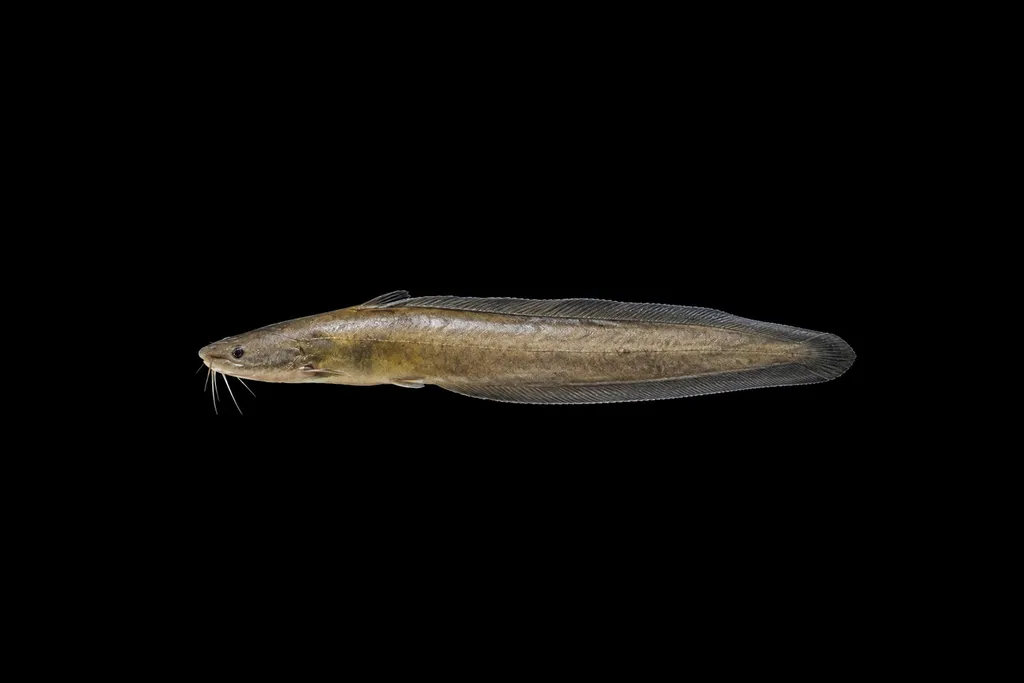 17.3 in (44 cm)106 gal (400 L)70–82°F (21–28°C)
Soft-spined tandan
Neosilurus mollespiculum
17.3 in (44 cm) · 106 gal (400 L)
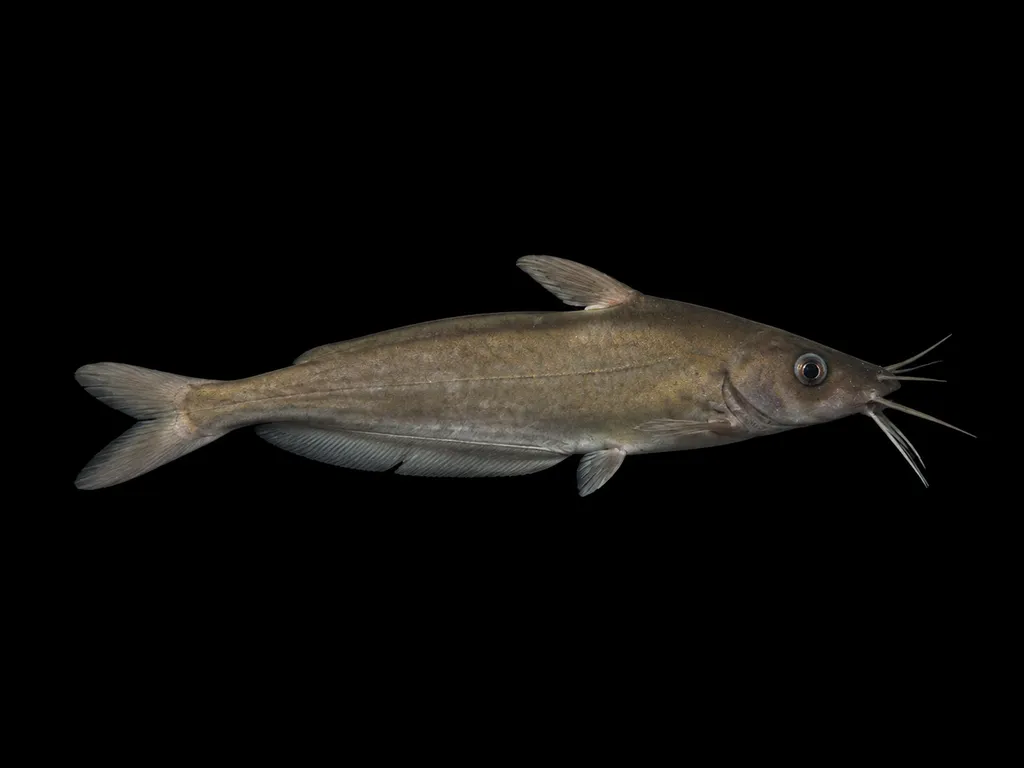 17.7 in (45 cm)119 gal (450 L)70–82°F (21–28°C)
Narrow-fronted tandan
Neosilurus ater
17.7 in (45 cm) · 119 gal (450 L)
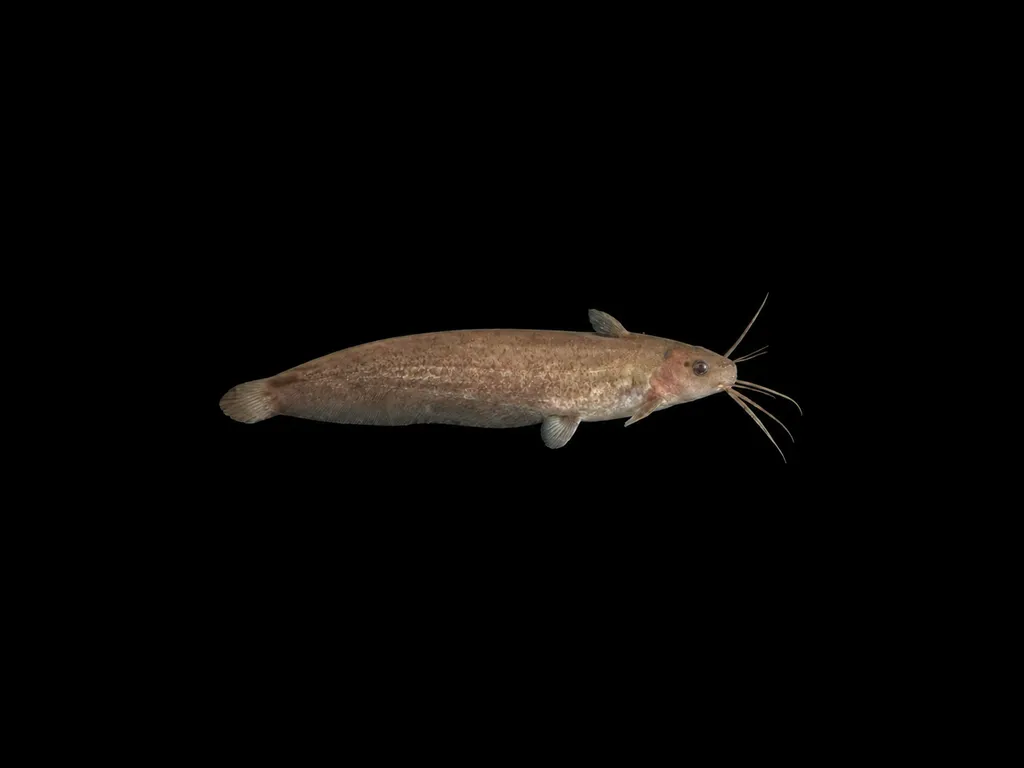 9.4 in (24 cm)79 gal (300 L)70–82°F (21–28°C)
Short-finned tandan
Neosilurus brevidorsalis
9.4 in (24 cm) · 79 gal (300 L)
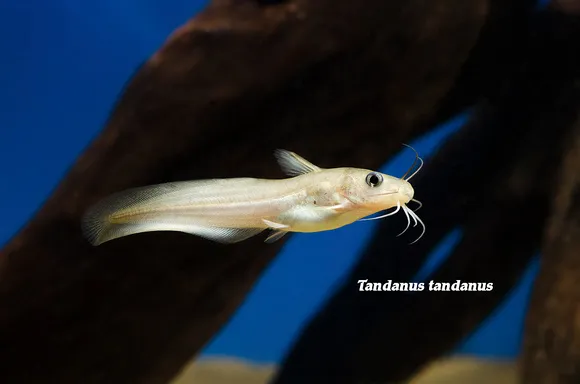 31.5 in (80 cm)185 gal (700 L)61–79°F (16–26°C)
Marbled tandanus catfish
Tandanus tandanus
31.5 in (80 cm) · 185 gal (700 L)
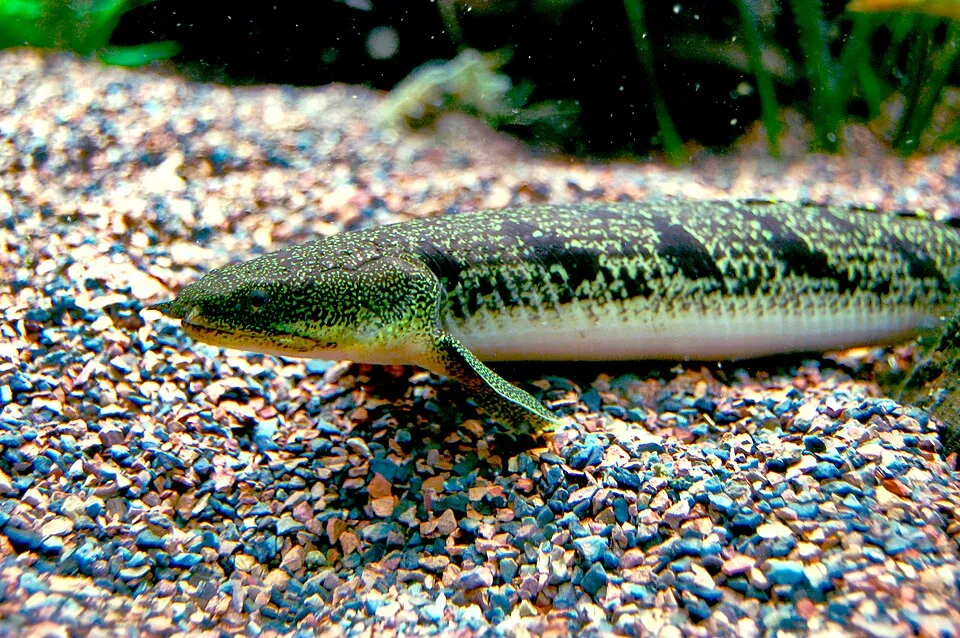 13.8 in (35 cm)53 gal (200 L)75–86°F (24–30°C)
Barred bichir
Polypterus delhezi
13.8 in (35 cm) · 53 gal (200 L)