Clown knifefish
Chitala ornata
FreshwaterFish
Care at a glance
- Temperature
- 68–82°F
- 20–28°C
- pH
- 6.0–7.5
- Adult size
- 31.5 in
- 80 cm
- Minimum tank
- 125 gal
- 475 L
- Temperament
- Mostly peaceful
- Social behavior
- Solitary
- Tankmates
- With caution
- Swim level
- Bottom
- Difficulty
- Medium
- Breeding
- Hard
- Rarity
- Very rare
- Family
- Notopteridae
- Origin
- Thailand, Laos, Cambodia, Vietnam
Overview
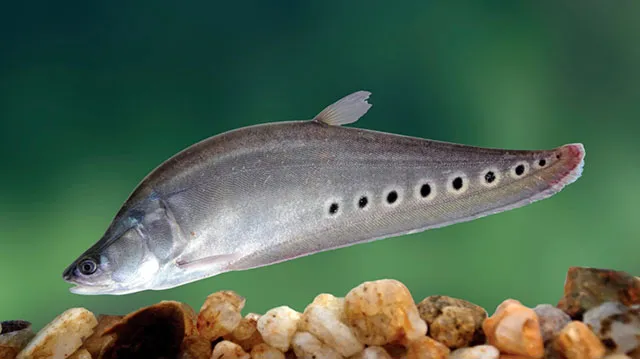
This is a solitary, territorial fish that needs a very large tank, on the order of 475 liters and realistically more as it grows. It is active at night and hunts smaller fish and invertebrates, so feed meaty foods like shrimp, worms, and fish pieces, and avoid keeping anything small enough to swallow. Keep the water at pH 6 to 7.5 and around 20 to 28 C. Honestly, this is a fish for dedicated keepers with the room and filtration to match its size.
In the wild
Clown knifefish come from slow rivers, lakes, and swamps in the Chao Phraya and Mekong basins across Thailand, Laos, Cambodia, and Vietnam. The water is often murky with low visibility, full of submerged roots and cover, which suits an ambush predator that hunts after dark. In a tank, that means low light, hiding spots, and a soft, sandy bottom, plus the sheer space a fish this size demands.
Good to know
Chitala ornata is in the knifefish family Notopteridae. It is huge, reaching up to about 80 cm, with a long tapering body and a continuous anal fin that runs along the underside. It is a nocturnal predator and an air-breather that gulps surface air, with adults marked by a row of dark eye-spots along the rear of the body.
Did you know
It swims forward and backward with equal ease by rippling that long underside fin, which makes it look like it is gliding in place. Combined with a sensitive lateral line, this lets it hunt and maneuver in dark, cluttered water.
Common questions
What size tank does a Clown knifefish need?
A Clown knifefish needs at least 125 gal (475 L). It spends most of its time in the bottom.
What temperature and pH does a Clown knifefish need?
A Clown knifefish is comfortable at 68–82°F (20–28°C) with a pH of 6.0–7.5.
How big does a Clown knifefish get?
An adult Clown knifefish reaches about 31.5 in (80 cm).
Related species
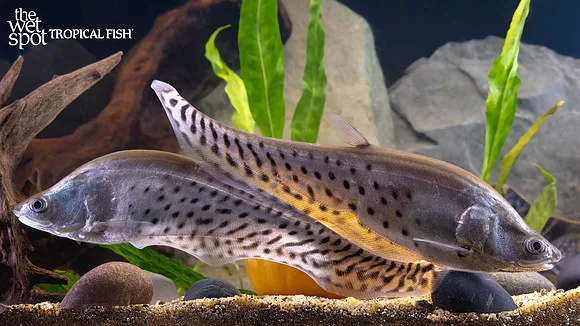 39.4 in (100 cm)317 gal (1,200 L)75–82°F (24–28°C)
Royal knifefish
Chitala blanci
39.4 in (100 cm) · 317 gal (1,200 L)
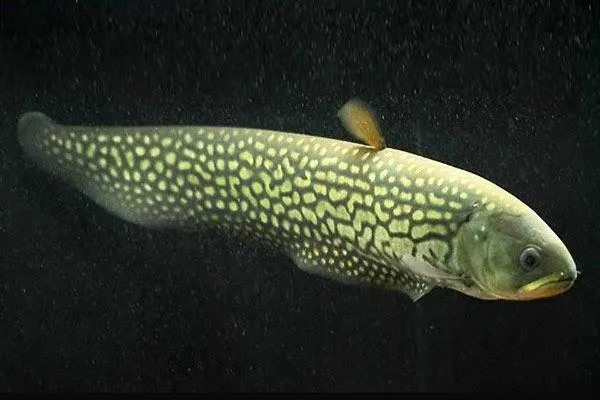 31.5 in (80 cm)159 gal (600 L)75–82°F (24–28°C)
African featherfin knifefish
Papyrocranus afer
31.5 in (80 cm) · 159 gal (600 L)
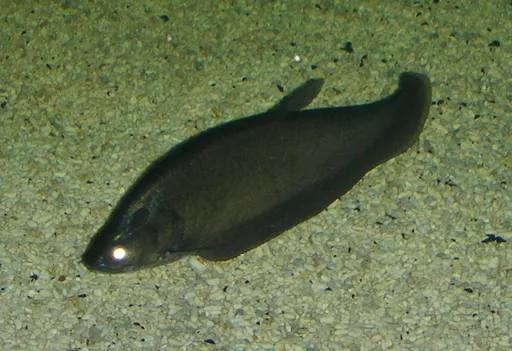 13.8 in (35 cm)79 gal (300 L)75–82°F (24–28°C)
Bronze featherback
Notopterus notopterus
13.8 in (35 cm) · 79 gal (300 L)
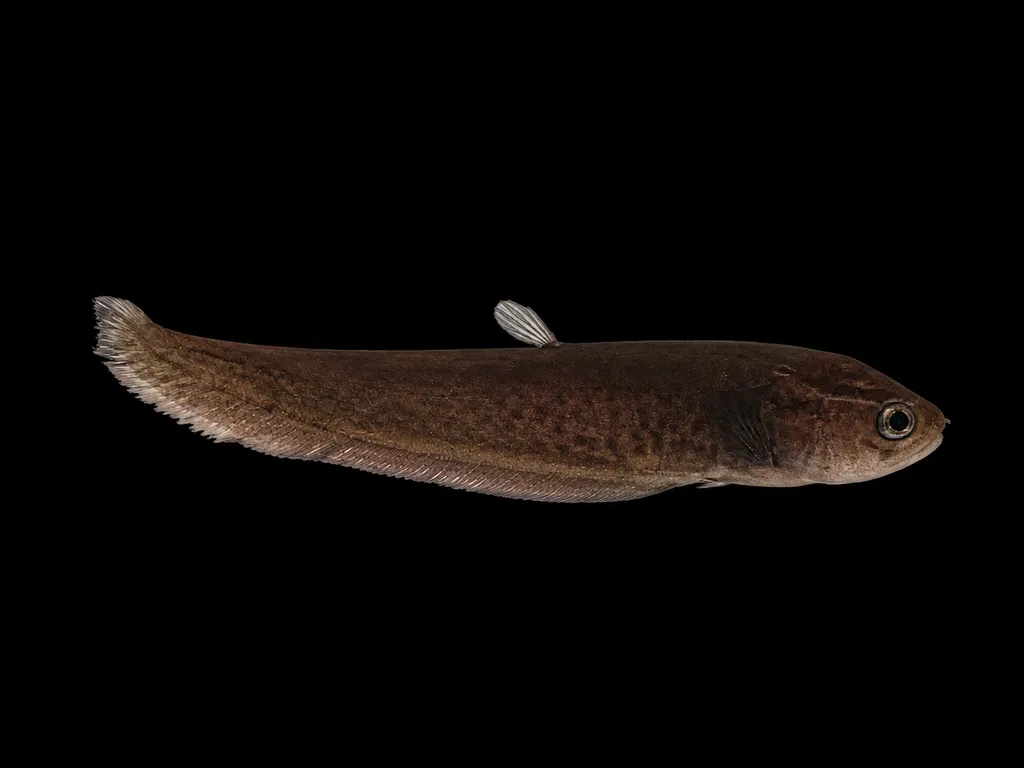 13.8 in (35 cm)119 gal (450 L)75–82°F (24–28°C)
Congo featherfin knifefish
Papyrocranus congoensis
13.8 in (35 cm) · 119 gal (450 L)
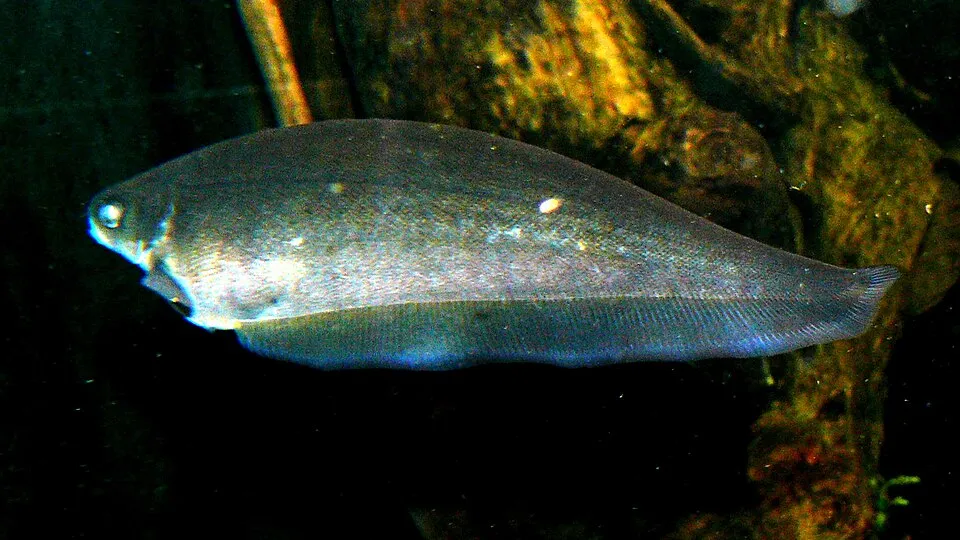 11.8 in (30 cm)53 gal (200 L)73–82°F (23–28°C)
African knifefish
Xenomystus nigri
11.8 in (30 cm) · 53 gal (200 L)
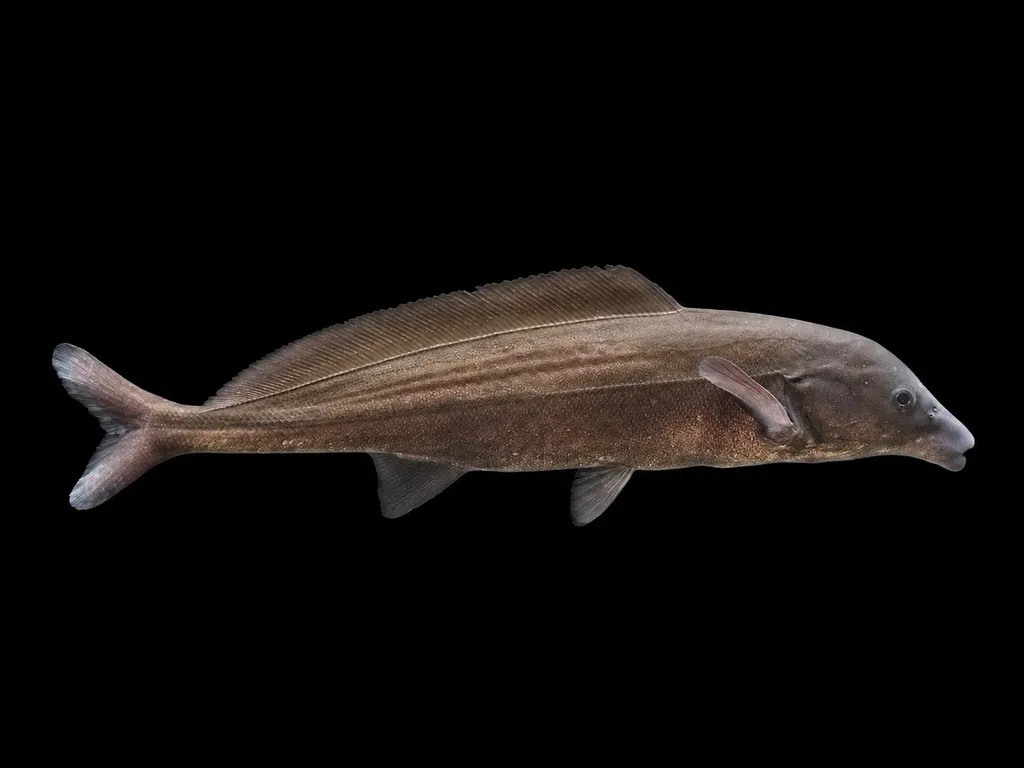 29.5 in (75 cm)185 gal (700 L)75–82°F (24–28°C)
Eastern bottlenose mormyrid
Mormyrus longirostris
29.5 in (75 cm) · 185 gal (700 L)