Three-spined stickleback
Gasterosteus aculeatus
FreshwaterFish
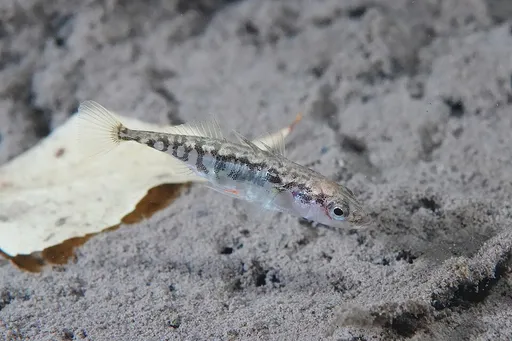
Care at a glance
- Temperature
- 50–64°F
- 10–18°C
- pH
- 6.5–8.0
- Adult size
- 3.1 in
- 8 cm
- Minimum tank
- 20 gal
- 75 L
- Temperament
- Mostly peaceful
- Social behavior
- Shoaling
- Swim level
- Middle
- Difficulty
- Medium
- Breeding
- Medium
- Rarity
- Common
- Family
- Gasterosteidae
- Origin
- Circumarctic and temperate Northern Hemisphere: coastal Europe, northern Asia (incl. Japan), and North America; freshwater, brackish, and marine
Overview
Keep a group of at least six in a tank of 75 liters or more, kept cool between 10 and 18 C with a pH around 6.5 to 8. Outside breeding they shoal peacefully in the middle of the water column, but during the season males turn territorial and will bite and chase other fish away from their nests, so use a roomy, heavily planted layout or a single male to cut down on fighting. They are carnivores that often refuse dry flake, so feed live or frozen daphnia, bloodworm, gammarus, and brine shrimp. Do not house them with warm water tropical fish, since temperatures above about 20 C stress them. If you collect wild native stock, check your local rules first and never release tank fish back into the wild.
In the wild
Three-spined sticklebacks live across the cool temperate Northern Hemisphere, in coastal streams, ditches, and ponds throughout Europe, northern Asia, and North America. They move between freshwater, brackish, and full saltwater, but most aquarists keep them in hard, slightly alkaline freshwater at a pH of about 6.5 to 8. This is a coolwater fish, not a tropical one, so leave the tank unheated and hold it between 10 and 18 C. Give them a heavily planted 75 liter tank or larger, with strong filtration or an airstone, since they need cool, well oxygenated water.
Good to know
This is Gasterosteus aculeatus, a small fish in the family Gasterosteidae, reaching around 8 cm. It is anadromous and euryhaline, meaning some populations migrate between salt and fresh water and the fish can handle a wide range of salinity. Instead of scales it has bony plates along the flanks, and the males build a glued nest from plant fibers to raise the eggs.
Did you know
Sticklebacks are one of the most studied fish in biology, largely because of their courtship. In spring the male's throat and belly flush bright red, he builds a tunnel shaped nest, and he performs a zigzag dance to lead a female inside. Once she lays, he guards the eggs alone and fans fresh water over them with his fins until they hatch.
Weekly picks
Tank mates
Three-spined stickleback is a mostly peaceful, shoaling species that keeps to the middle. These picks share a community profile with it, are safe together in both directions, and overlap on water type, temperature and pH.
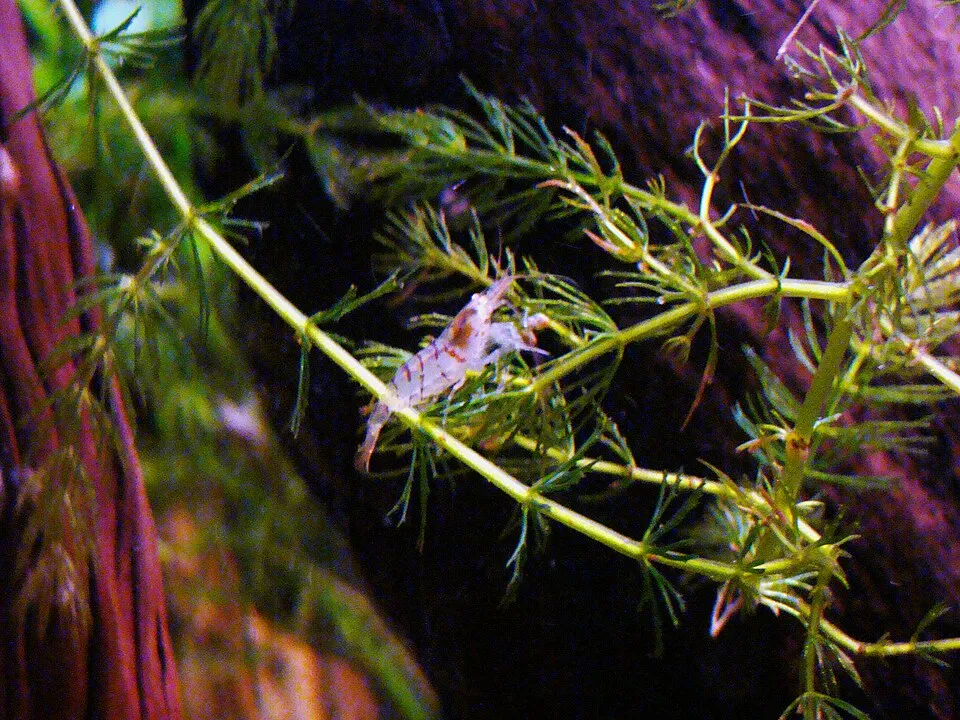
Tiger shrimp
Caridina mariae
Freshwater1.6 in (4 cm) · 7 gal (25 L)64–73°F (18–23°C)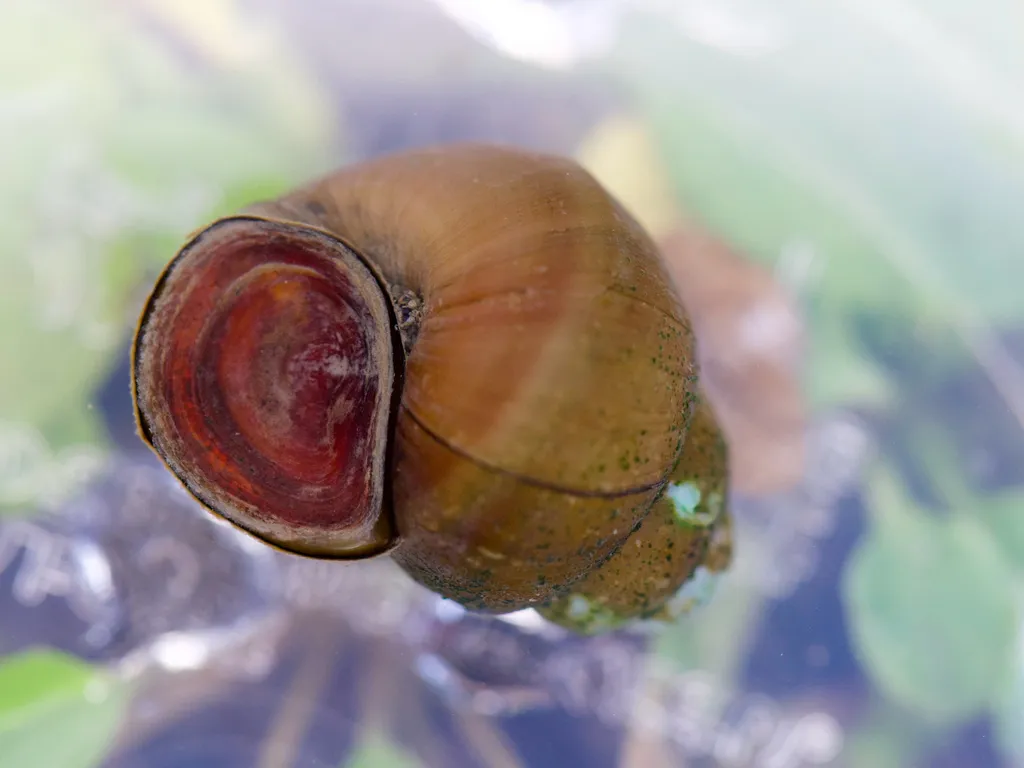
Japanese trapdoor snail
Cipangopaludina malleata
Freshwater2 in (5 cm) · 8 gal (30 L)64–77°F (18–25°C)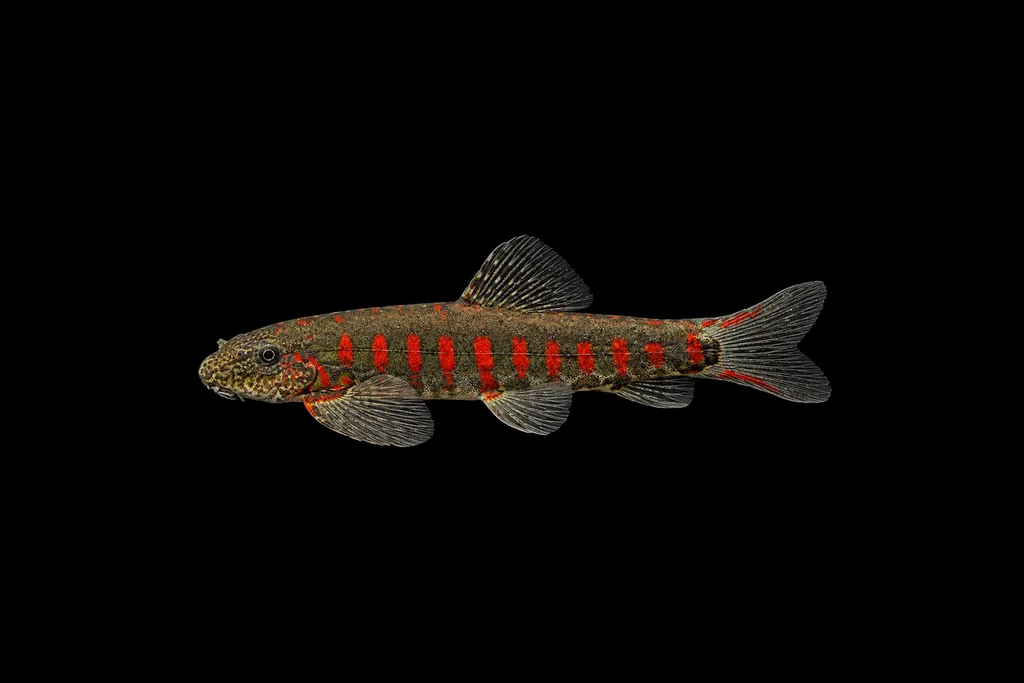
Ribbon hillstream loach
Erromyzon kalotaenia
Freshwater2.3 in (5.8 cm) · 20 gal (75 L)64–75°F (18–24°C)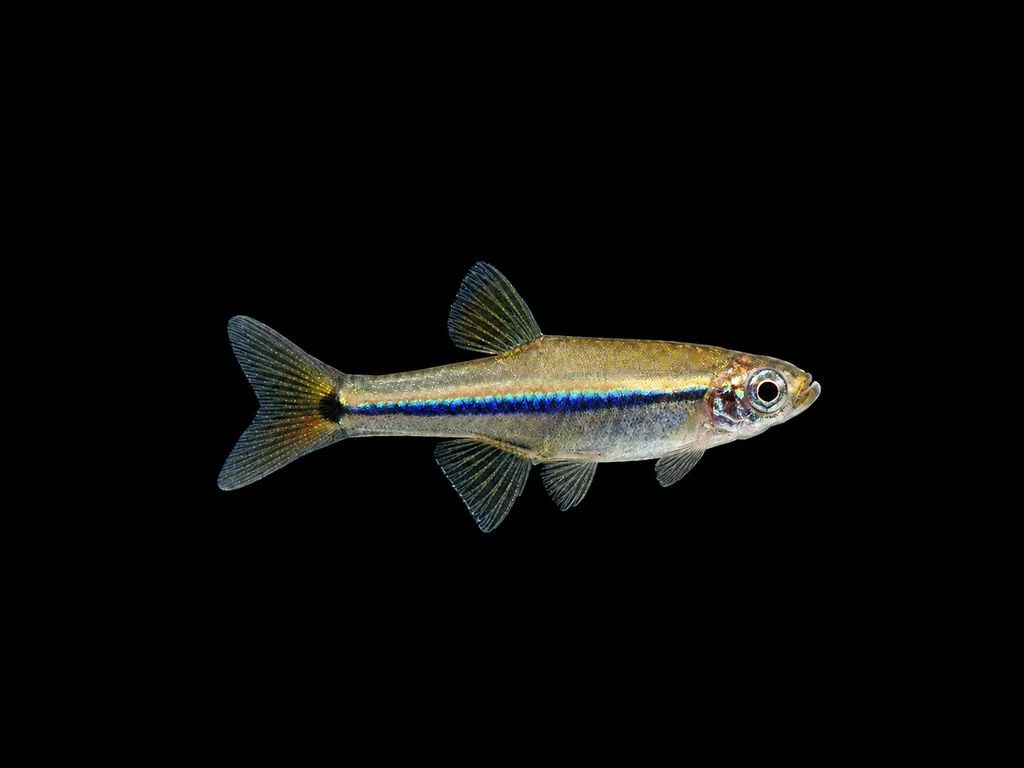
Thac Ba minnow
Tanichthys thacbaensis
Freshwater1.4 in (3.5 cm) · 14 gal (54 L)64–75°F (18–24°C)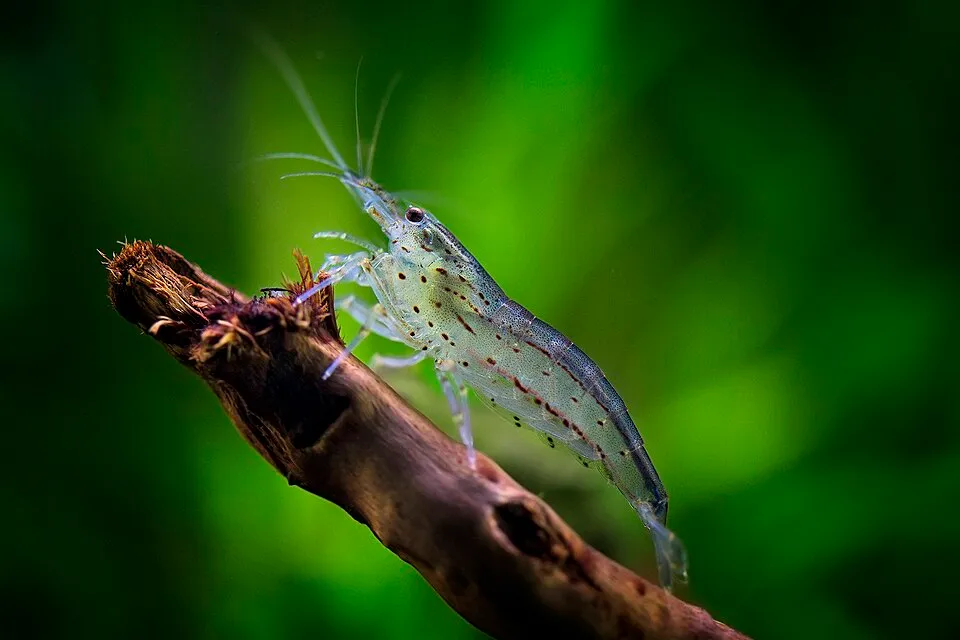
Amano shrimp
Caridina multidentata
FreshwaterBrackish2 in (5 cm) · 8 gal (30 L)59–81°F (15–27°C)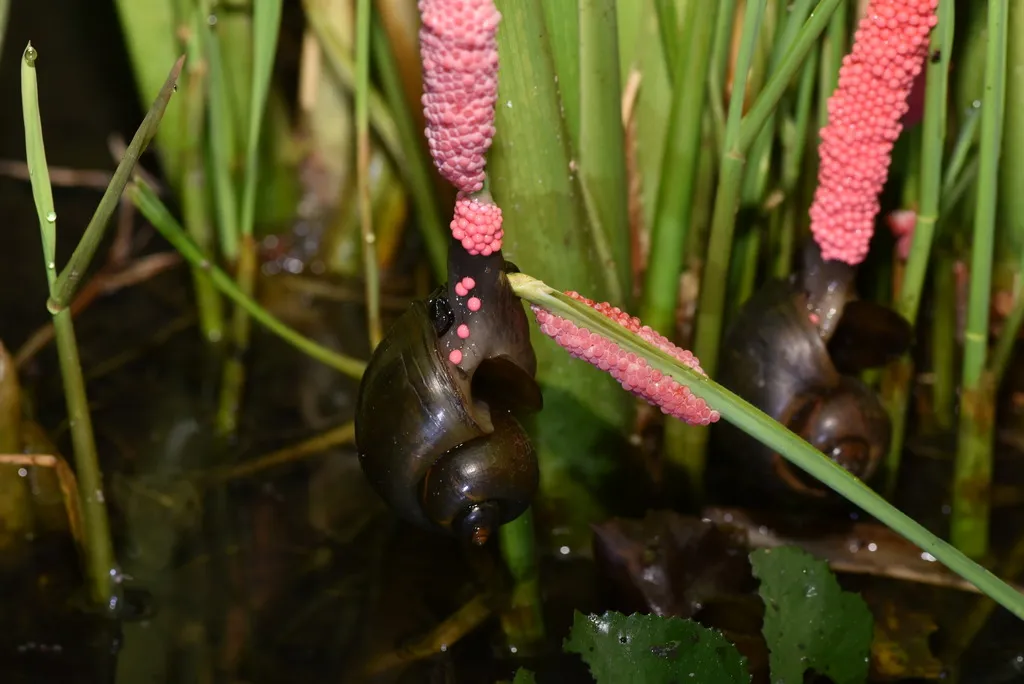
Apple snail
Pomacea canaliculata
Freshwater5.9 in (15 cm) · 21 gal (80 L)64–81°F (18–27°C)
Common questions
What size tank does a Three-spined stickleback need?
A Three-spined stickleback needs at least 20 gal (75 L). It spends most of its time in the middle.
What temperature and pH does a Three-spined stickleback need?
A Three-spined stickleback is comfortable at 50–64°F (10–18°C) with a pH of 6.5–8.0.
How big does a Three-spined stickleback get?
An adult Three-spined stickleback reaches about 3.1 in (8 cm).
Does a Three-spined stickleback need a group?
Yes. A Three-spined stickleback is a shoaling species and should be kept in a group, not singly.
Related species
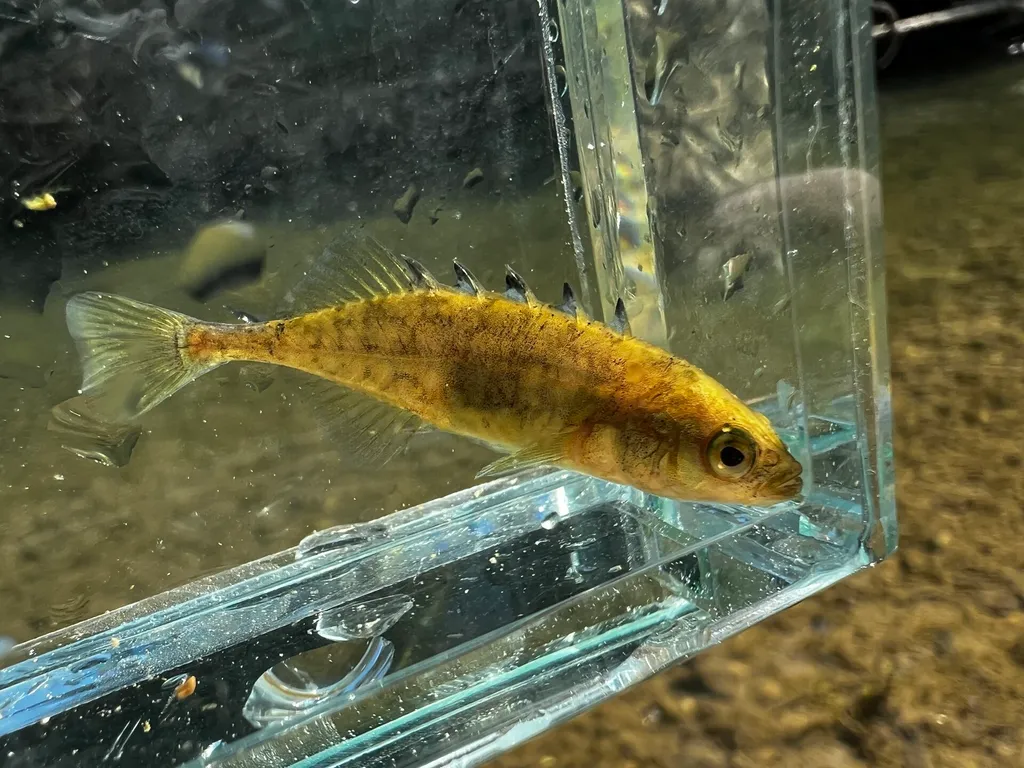 1.8 in (4.5 cm)20 gal (75 L)50–68°F (10–20°C)
Brook stickleback
Culaea inconstans
1.8 in (4.5 cm) · 20 gal (75 L)
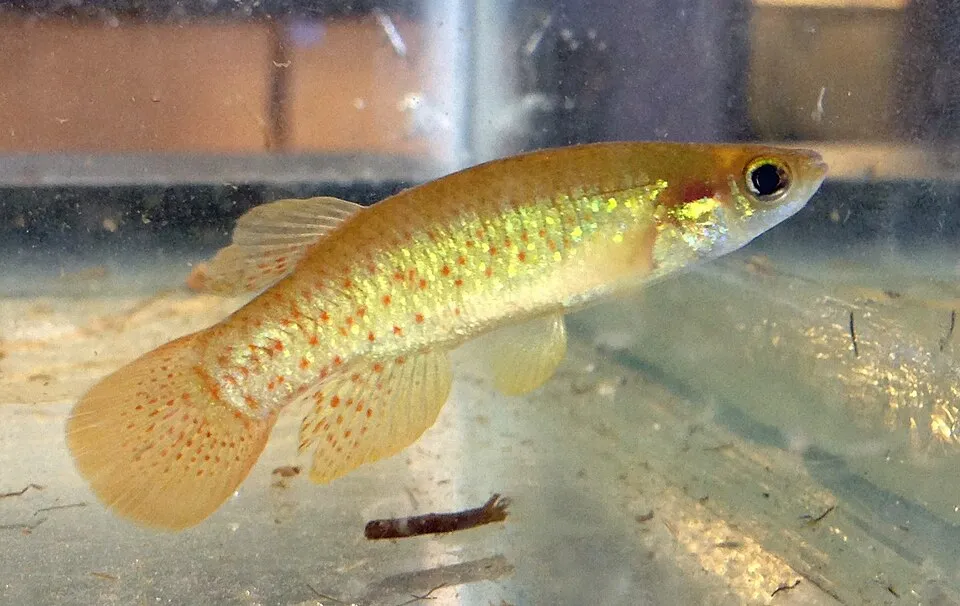 3 in (7.5 cm)22 gal (85 L)59–75°F (15–24°C)
Golden topminnow
Fundulus chrysotus
3 in (7.5 cm) · 22 gal (85 L)
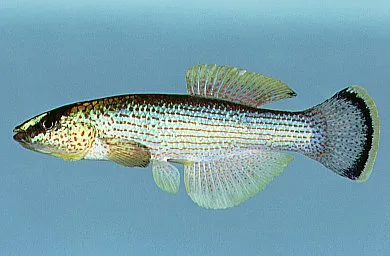 5.9 in (15 cm)37 gal (140 L)59–77°F (15–25°C)
Northern studfish
Fundulus catenatus
5.9 in (15 cm) · 37 gal (140 L)
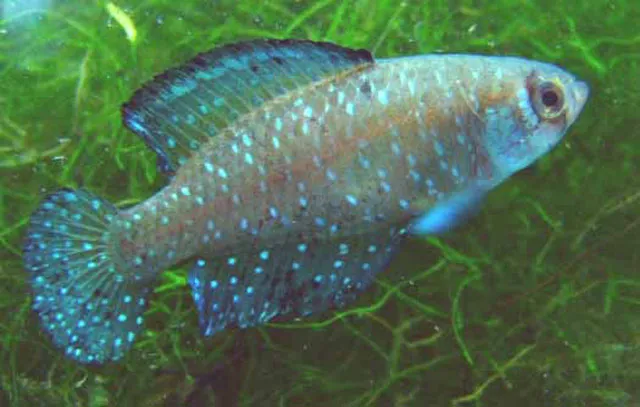 2.8 in (7 cm)18 gal (70 L)64–75°F (18–24°C)
Argentine pearl killifish
Austrolebias nigripinnis
2.8 in (7 cm) · 18 gal (70 L)
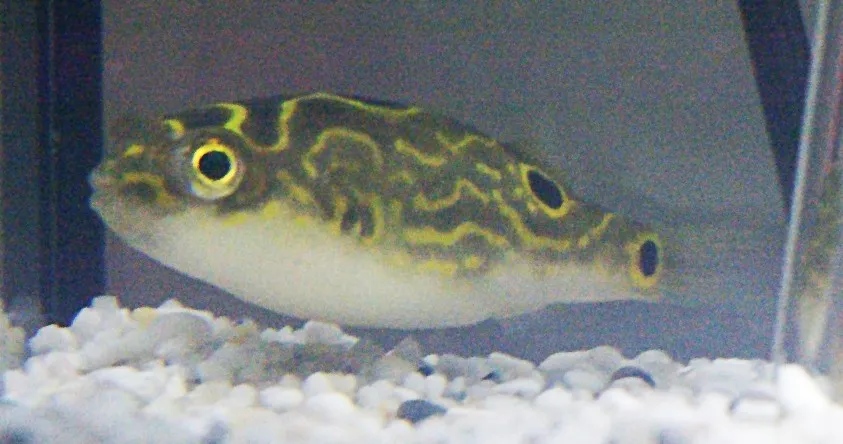 3.1 in (8 cm)20 gal (75 L)72–79°F (22–26°C)
Figure eight puffer
Tetraodon biocellatus
3.1 in (8 cm) · 20 gal (75 L)
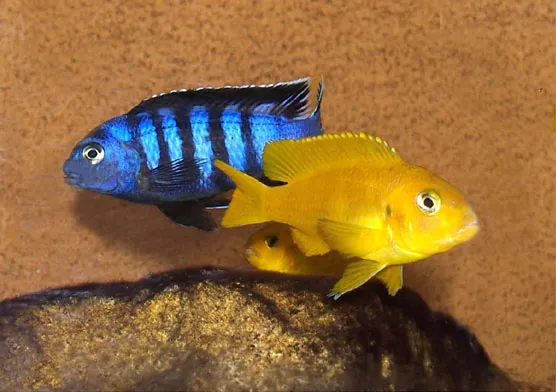 3.9 in (10 cm)42 gal (160 L)73–81°F (23–27°C)
Saulosi mbuna
Chindongo saulosi
3.9 in (10 cm) · 42 gal (160 L)