Brook stickleback
Culaea inconstans
FreshwaterFish
Care at a glance
- Temperature
- 50–68°F
- 10–20°C
- pH
- 6.5–8.0
- Adult size
- 1.8 in
- 4.5 cm
- Minimum tank
- 20 gal
- 75 L
- Temperament
- Aggressive
- Social behavior
- Solitary
- Tankmates
- With caution
- Swim level
- Middle
- Diet
- Carnivore
- Difficulty
- Difficult
- Breeding
- Egg layer
- Rarity
- Very rare
- Family
- Gasterosteidae
- Origin
- United States, Canada
Overview
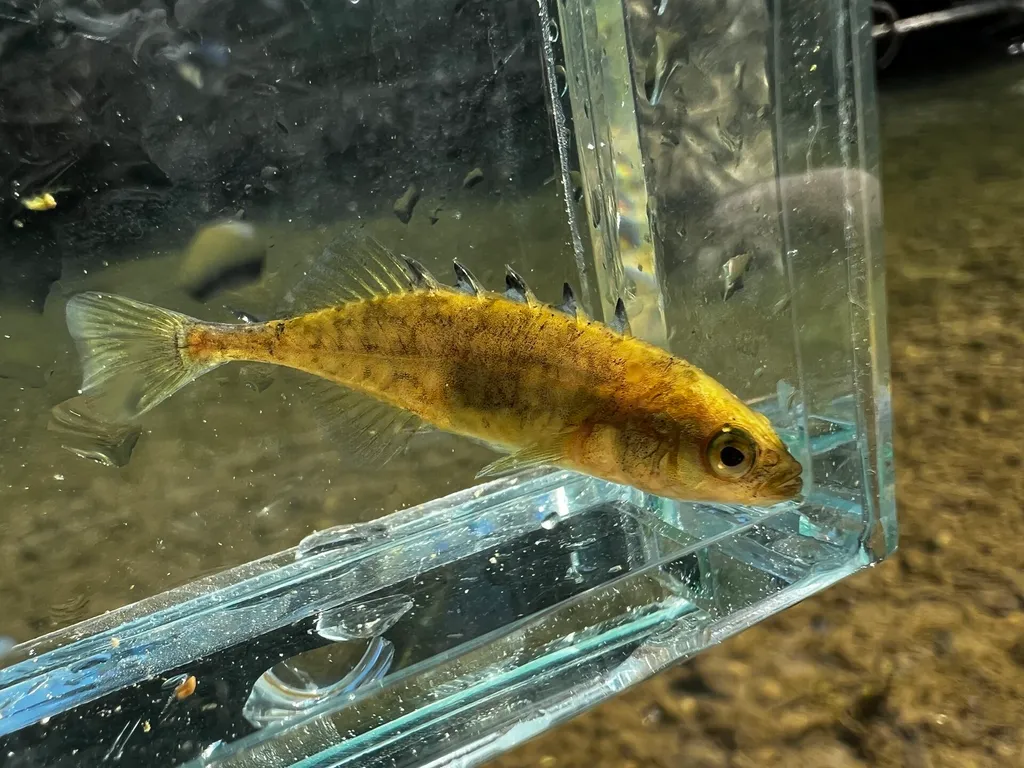
The brook stickleback is a small, territorial coldwater fish for a cool, planted tank. It is a fish for experienced keepers, because of the cool water and its feeding demands.
Did you know
The male brook stickleback glues his barrel-shaped nest to plant stems with a sticky protein his kidneys produce. He fans water through the nest to keep the eggs oxygenated. He even patches and rebuilds it if it gets damaged while he guards it.
Caring for the brook stickleback
Give a brook stickleback a tank of 20 gal (75 L) or more, with dense planting and quiet water rather than strong flow. It tends to hang in the middle of the water and defend a patch.
This is a coldwater fish, not a tropical one, so keep the tank cool at 50 to 68°F (10 to 20°C). A warm room usually calls for a chiller. Hold the pH at 6.5 to 8.0. It does not take dried food well, so plan on live or frozen bloodworms, brine shrimp and daphnia.
The brook stickleback is territorial and scrappy, especially the males at breeding time. Keep it on its own or with careful coldwater tank mates, since it is a poor match for the usual community fish. The male weaves a nest from plant material and guards the eggs until they hatch.
Good to know
Culaea inconstans is the only species in its genus, in the family Gasterosteidae. Instead of scales, it has bony plates and small spines along the back. The IUCN lists it as Least Concern.
In the wild
The brook stickleback lives in cool, slow streams, small rivers and ponds across the northern United States and Canada. Its home waters are clear, with plants for cover.
Common questions
What size tank does a brook stickleback need?
A brook stickleback needs at least 20 gal (75 L). It spends most of its time in the middle.
What temperature and pH does a brook stickleback need?
A brook stickleback is comfortable at 50–68°F (10–20°C) with a pH of 6.5–8.0.
What does a brook stickleback eat?
A brook stickleback does not take dried food well. Feed it live or frozen bloodworms, brine shrimp and daphnia.
How big does a brook stickleback get?
An adult brook stickleback reaches about 1.8 in (4.5 cm).
How does a brook stickleback breed?
Brook sticklebacks are nest builders. The male weaves a nest from plant material and guards the eggs until they hatch.
Related species
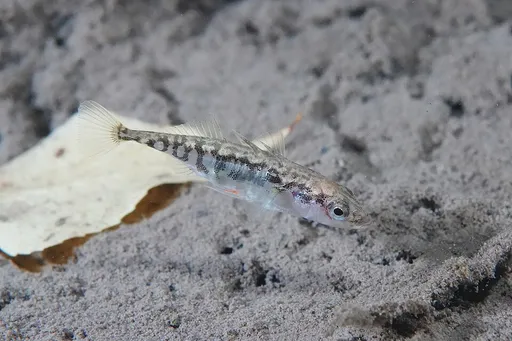 3.1 in (8 cm)20 gal (75 L)50–64°F (10–18°C)
Three-spined stickleback
Gasterosteus aculeatus
3.1 in (8 cm) · 20 gal (75 L)
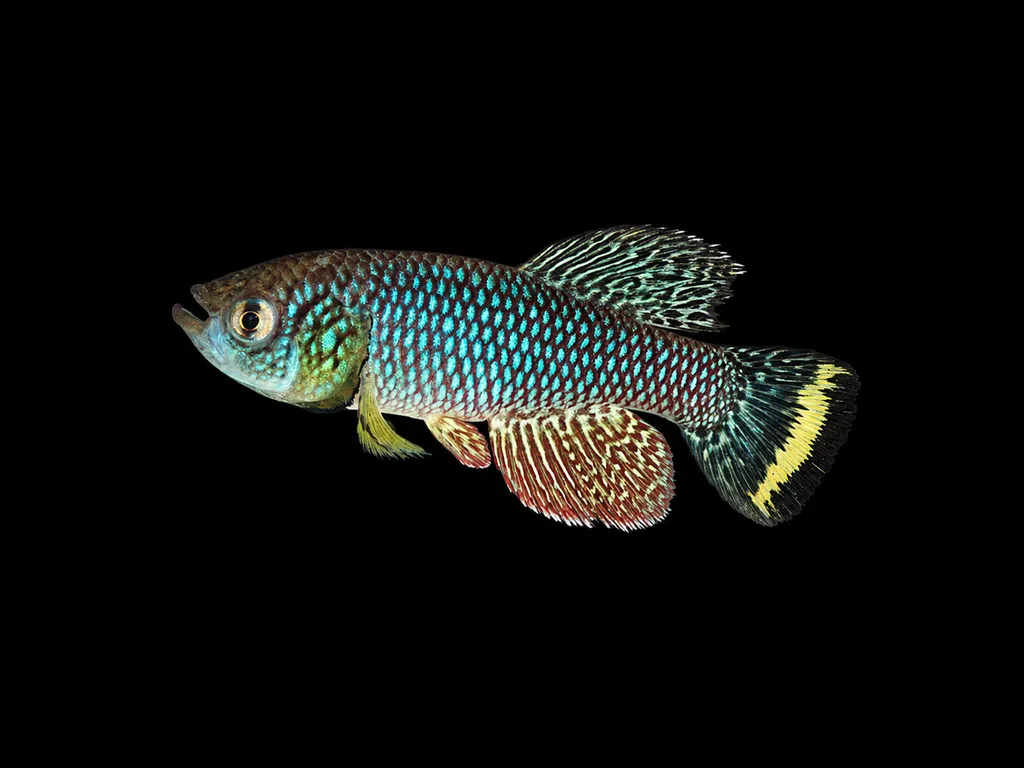 2.4 in (6 cm)11 gal (40 L)68–79°F (20–26°C)
Turquoise killifish
Nothobranchius furzeri
2.4 in (6 cm) · 11 gal (40 L)
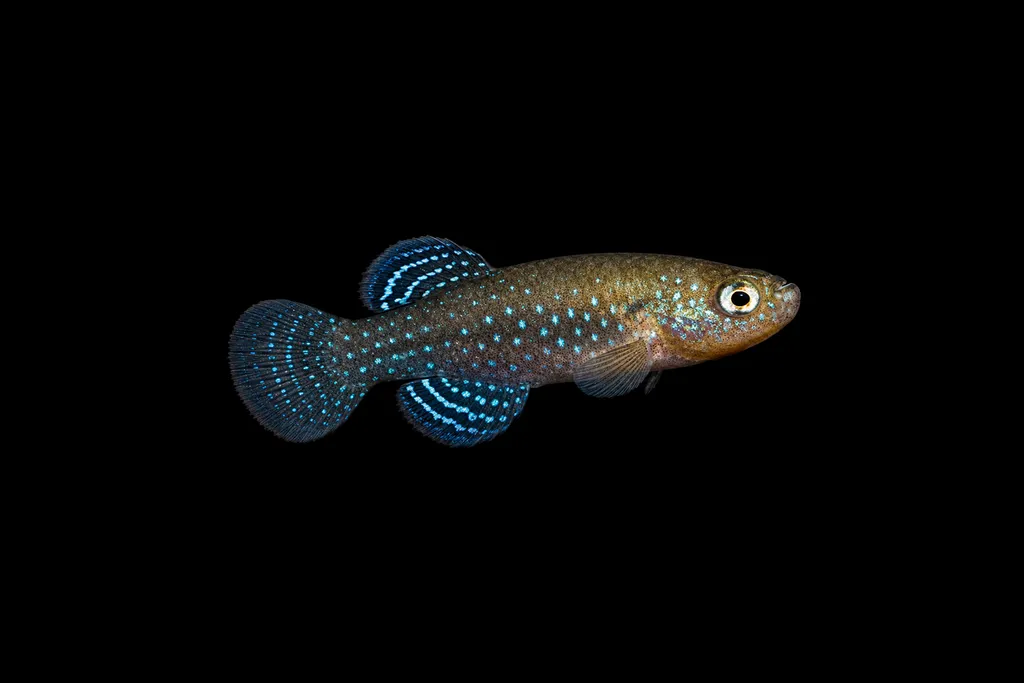 2.6 in (6.5 cm)29 gal (110 L)59–86°F (15–30°C)
Persian toothcarp
Paraphanius mento
2.6 in (6.5 cm) · 29 gal (110 L)
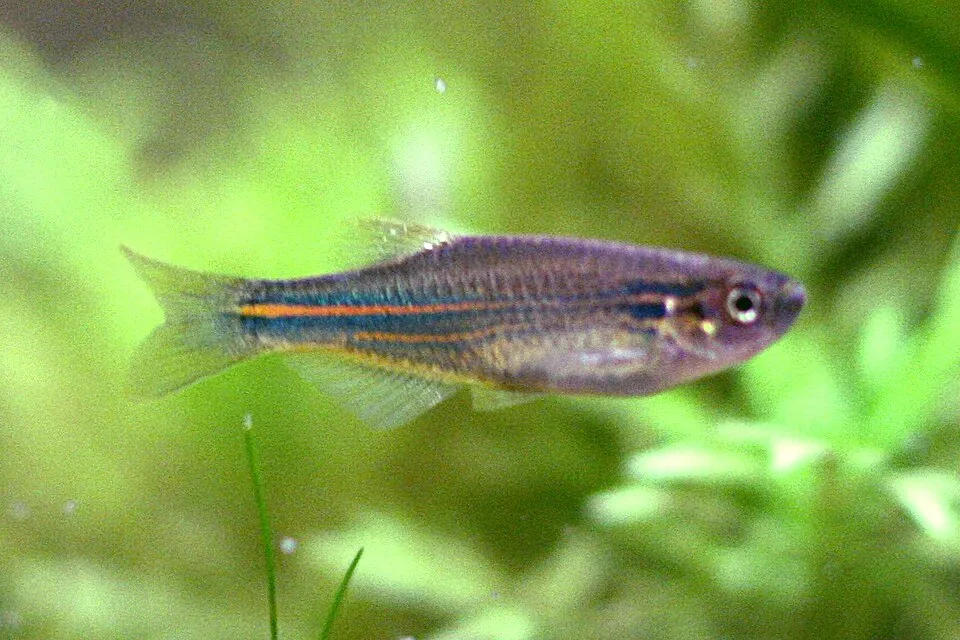 1.8 in (4.5 cm)18 gal (70 L)68–79°F (20–26°C)
Blue danio
Danio kerri
1.8 in (4.5 cm) · 18 gal (70 L)
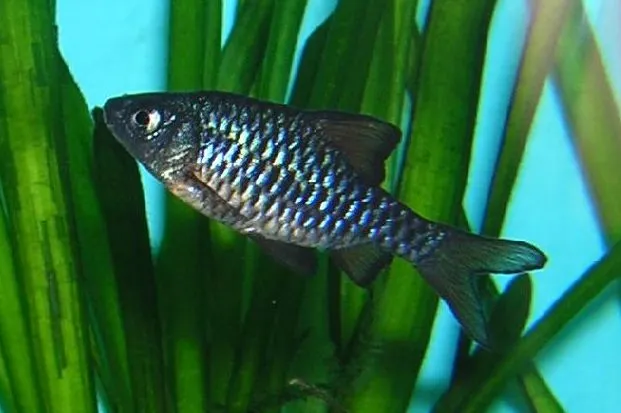 1.8 in (4.5 cm)16 gal (60 L)68–79°F (20–26°C)
Checkered barb
Oliotius oligolepis
1.8 in (4.5 cm) · 16 gal (60 L)
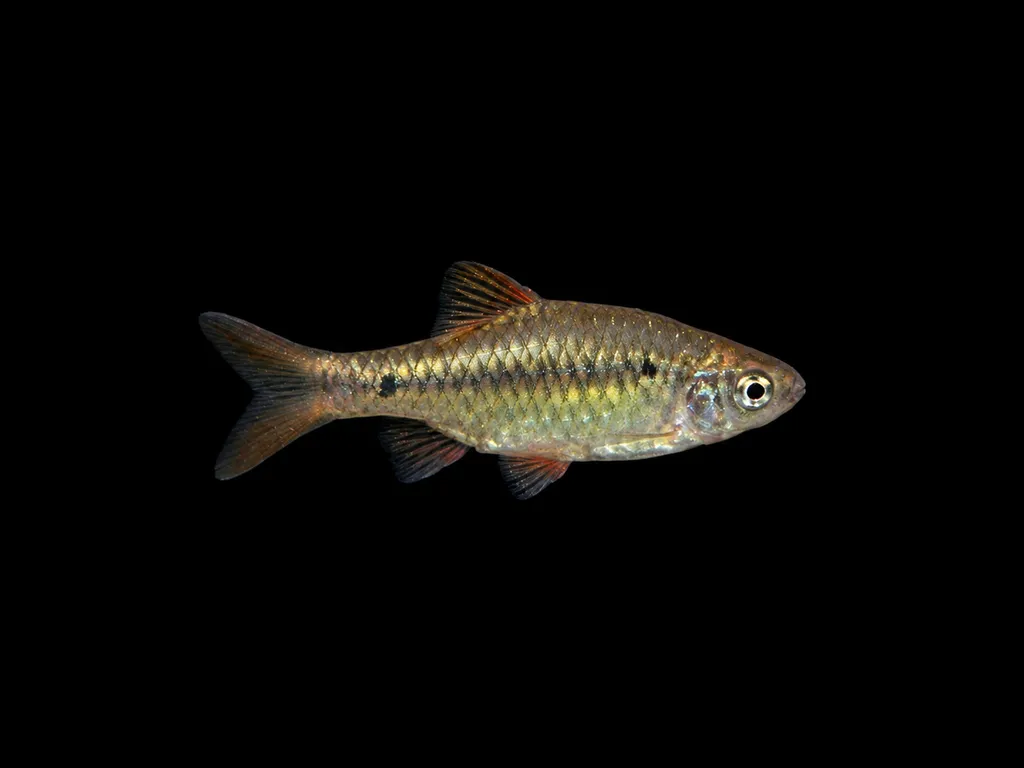 1.8 in (4.5 cm)14 gal (54 L)68–77°F (20–25°C)
Manipur barb
Pethia manipurensis
1.8 in (4.5 cm) · 14 gal (54 L)