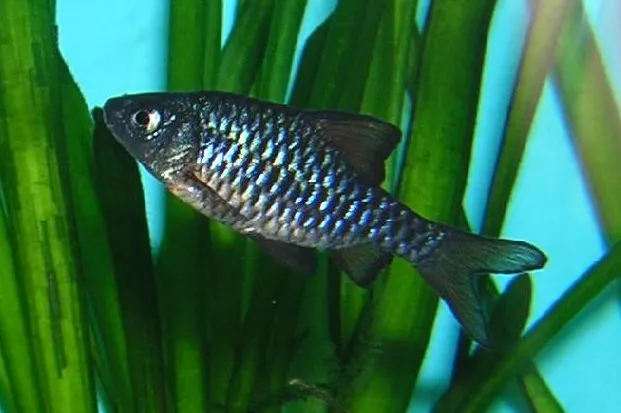
Checkered barb
Oliotius oligolepis
Also known as Checker Barb
FreshwaterFish
Care at a glance
- Temperature
- 68–79°F
- 20–26°C
- pH
- 5.5–7.5
- Adult size
- 1.8 in
- 4.5 cm
- Minimum tank
- 16 gal
- 60 L
- Temperament
- Peaceful
- Social behavior
- Schooling
- Swim level
- Middle
- Difficulty
- Easy
- Breeding
- Medium
- Rarity
- Common
- Family
- Cyprinidae
- Origin
- Sumatra
Overview
Keep them in a shoal of six or more in a tank from about 60 liters. They are peaceful, busy fish that favor the middle and lower water. Feed a mix of quality flake, micro-pellets, and the odd frozen treat like daphnia or brine shrimp. They are hardy and undemanding, which makes them an easy community barb that does not harass tankmates the way some barbs do.
In the wild
Checkered barbs come from slow rivers and streams on Sumatra, in shaded, plant-heavy water that is soft and slightly acidic to neutral. A planted tank with some cover and dim, gentle conditions suits them. They take a fairly wide temperature range, from the low 20s up to the mid 20s C.
Good to know
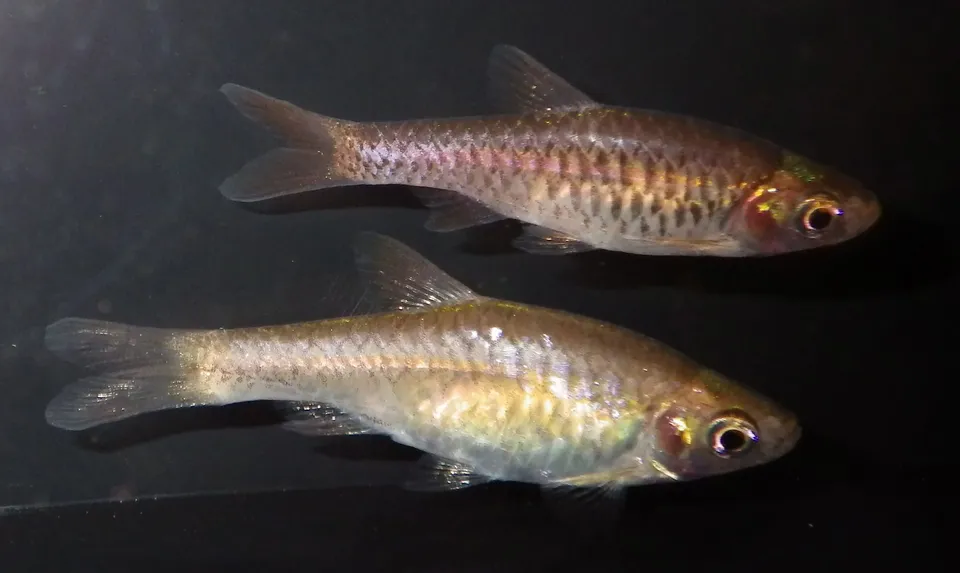
This is a small cyprinid, family Cyprinidae, reaching about 4.5 cm. It was long placed in Puntius and now sits in the genus Oliotius. They are egg scatterers that drop eggs among fine-leaved plants and give no parental care. The checkerboard pattern of dark scales along the body is the easy way to ID them.
Did you know
Males get noticeably more colorful as they mature and during spawning, taking on a reddish wash over the body and fins, while females stay plainer and rounder. Keep a few of each and the males will display and spar in a harmless way that brings out their best color.
Weekly picks
Tank mates
Checkered barb is a peaceful, schooling species that keeps to the middle. These picks share a community profile with it, are safe together in both directions, and overlap on water type, temperature and pH.
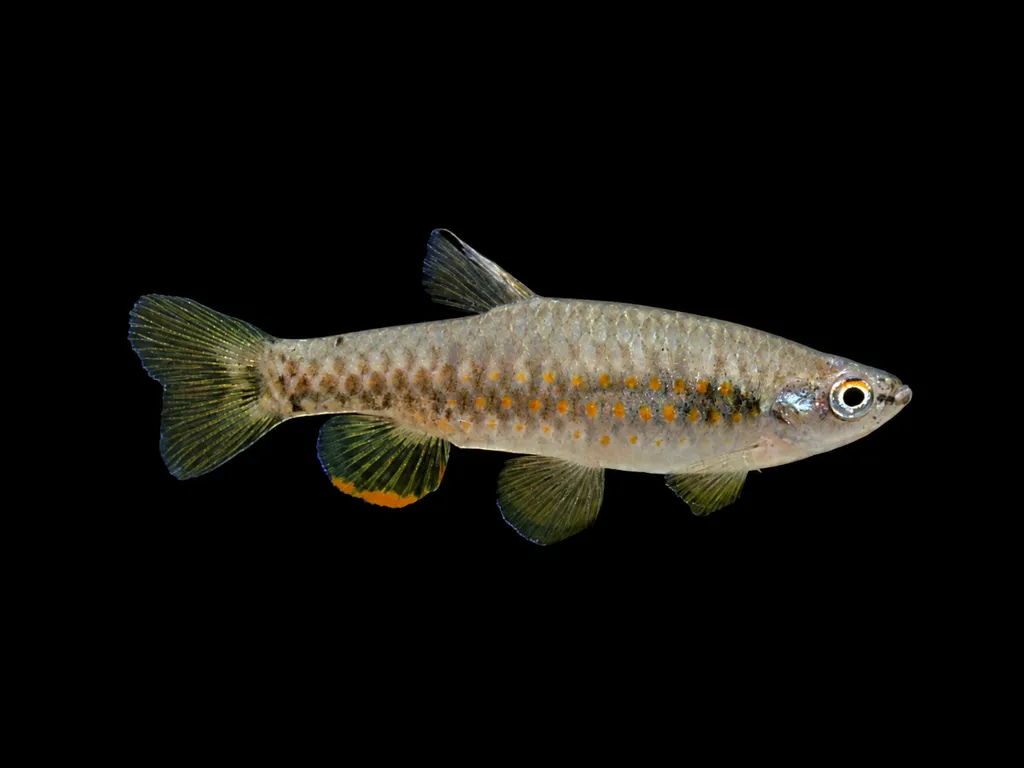
Fanning characin
Pyrrhulina rachoviana
Freshwater2 in (5 cm) · 16 gal (60 L)68–79°F (20–26°C)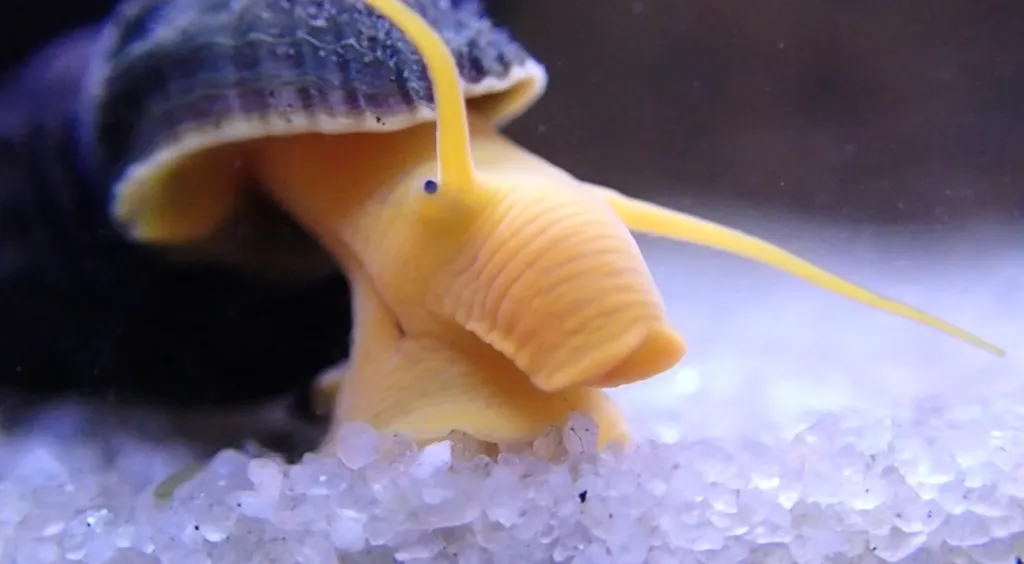
Gold rabbit snail
Tylomelania gemmifera
Freshwater2.8 in (7 cm) · 16 gal (60 L)75–82°F (24–28°C)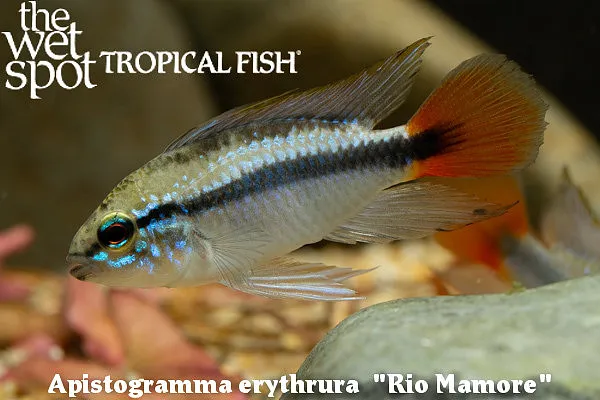
Red-tail dwarf cichlid
Apistogramma erythrura
Freshwater2.2 in (5.5 cm) · 16 gal (60 L)73–81°F (23–27°C)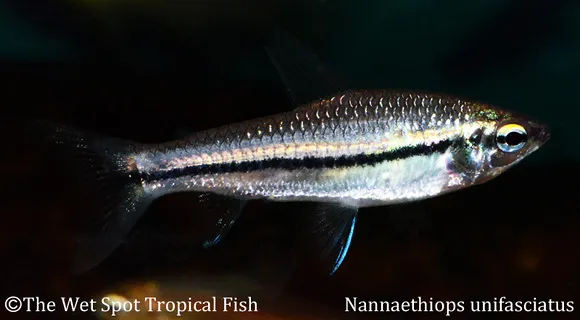
African oneline tetra
Nannaethiops unitaeniatus
Freshwater2.6 in (6.5 cm) · 16 gal (60 L)72–79°F (22–26°C)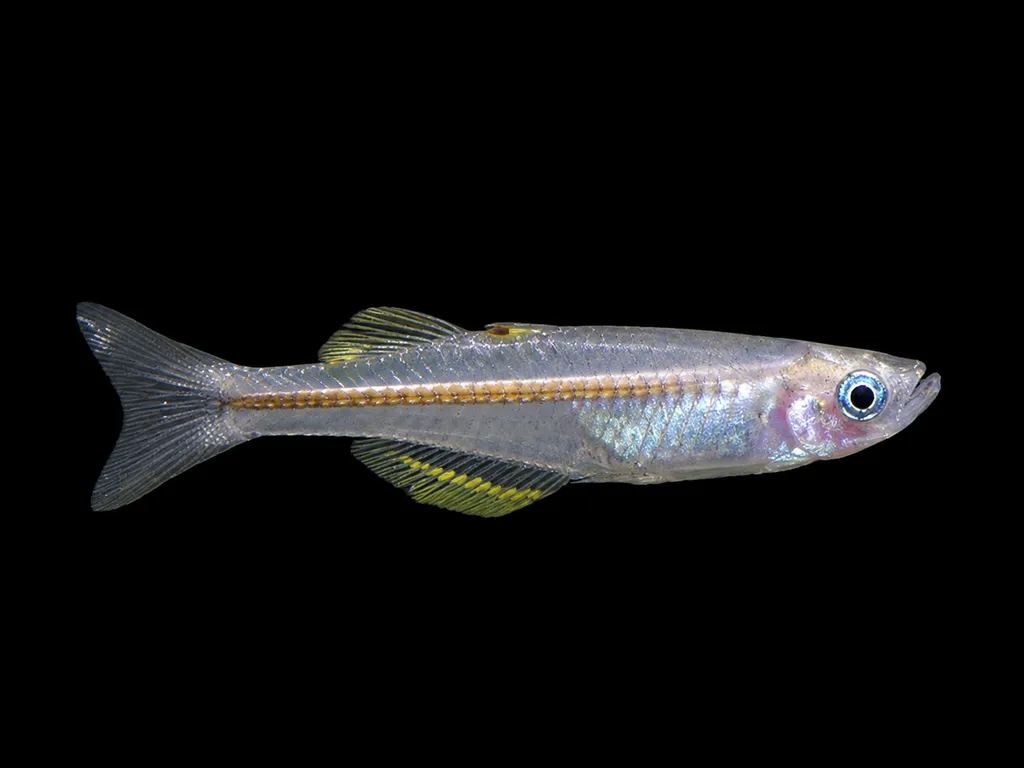
New Guinea blue-eye
Pseudomugil novaeguineae
Freshwater1.8 in (4.5 cm) · 15 gal (55 L)79–86°F (26–30°C)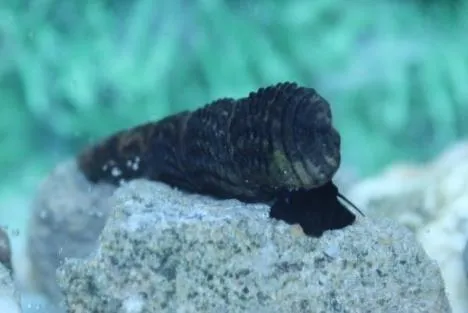
White spotted rabbit snail
Tylomelania towutica
Freshwater4.3 in (11 cm) · 16 gal (60 L)75–84°F (24–29°C)
Common questions
What size tank does a Checkered barb need?
A Checkered barb needs at least 16 gal (60 L). It spends most of its time in the middle.
What temperature and pH does a Checkered barb need?
A Checkered barb is comfortable at 68–79°F (20–26°C) with a pH of 5.5–7.5.
How big does a Checkered barb get?
An adult Checkered barb reaches about 1.8 in (4.5 cm).
Does a Checkered barb need a group?
Yes. A Checkered barb is a schooling species and should be kept in a group, not singly.
Related species
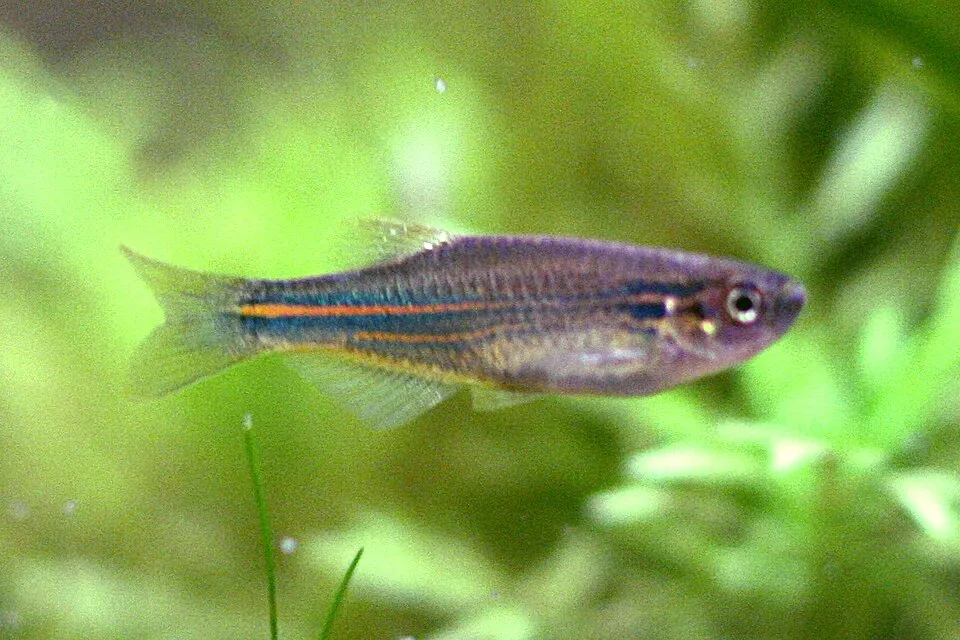 1.8 in (4.5 cm)11 gal (40 L)68–79°F (20–26°C)
Blue danio
Danio kerri
1.8 in (4.5 cm) · 11 gal (40 L)
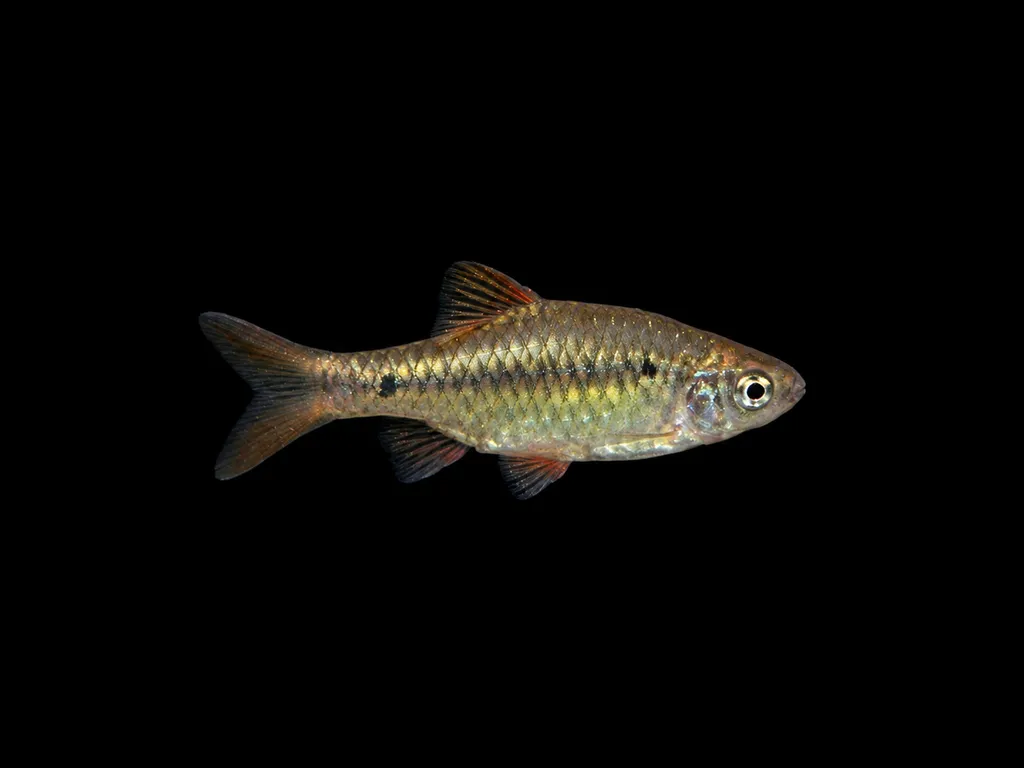 1.8 in (4.5 cm)14 gal (54 L)68–77°F (20–25°C)
Manipur barb
Pethia manipurensis
1.8 in (4.5 cm) · 14 gal (54 L)
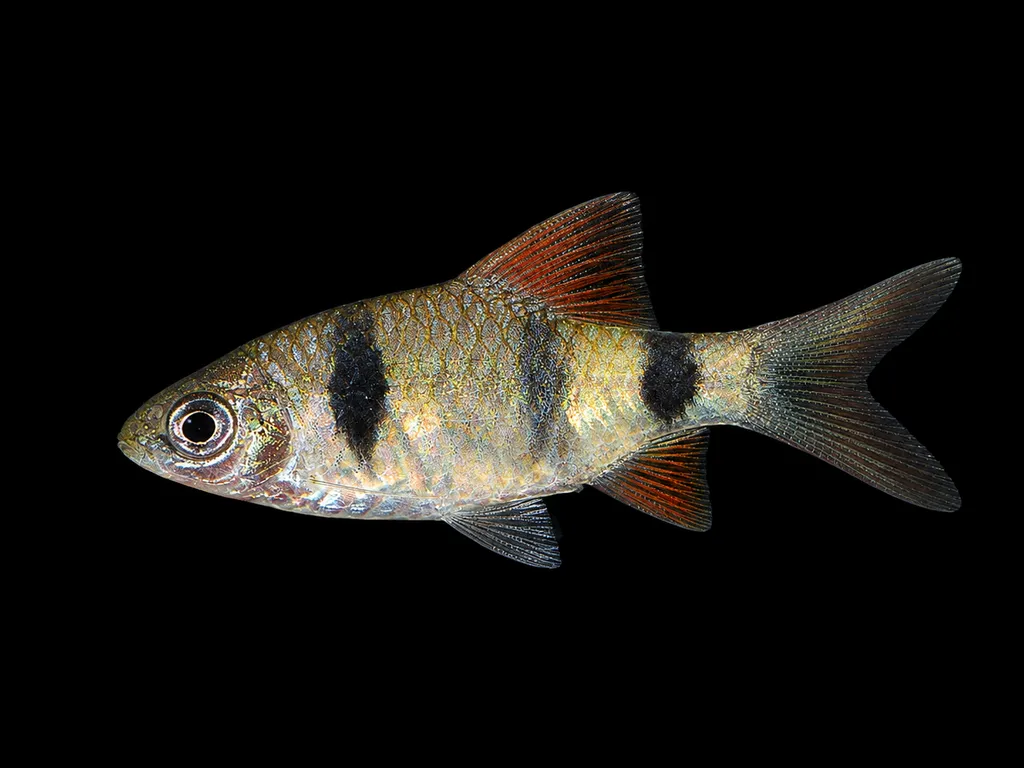 1.8 in (4.5 cm)14 gal (54 L)68–77°F (20–25°C)
Narayan barb
Pethia narayani
1.8 in (4.5 cm) · 14 gal (54 L)
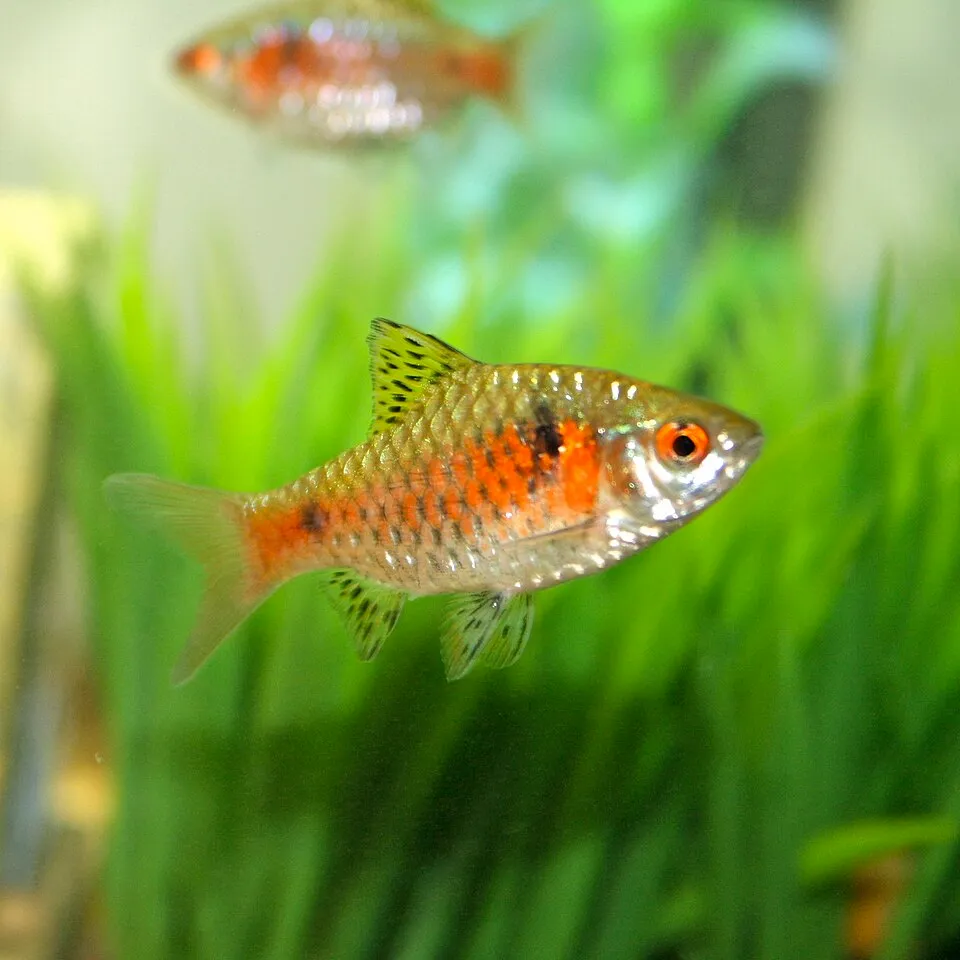 1.8 in (4.5 cm)20 gal (75 L)61–77°F (16–25°C)
Odessa barb
Pethia padamya
1.8 in (4.5 cm) · 20 gal (75 L)
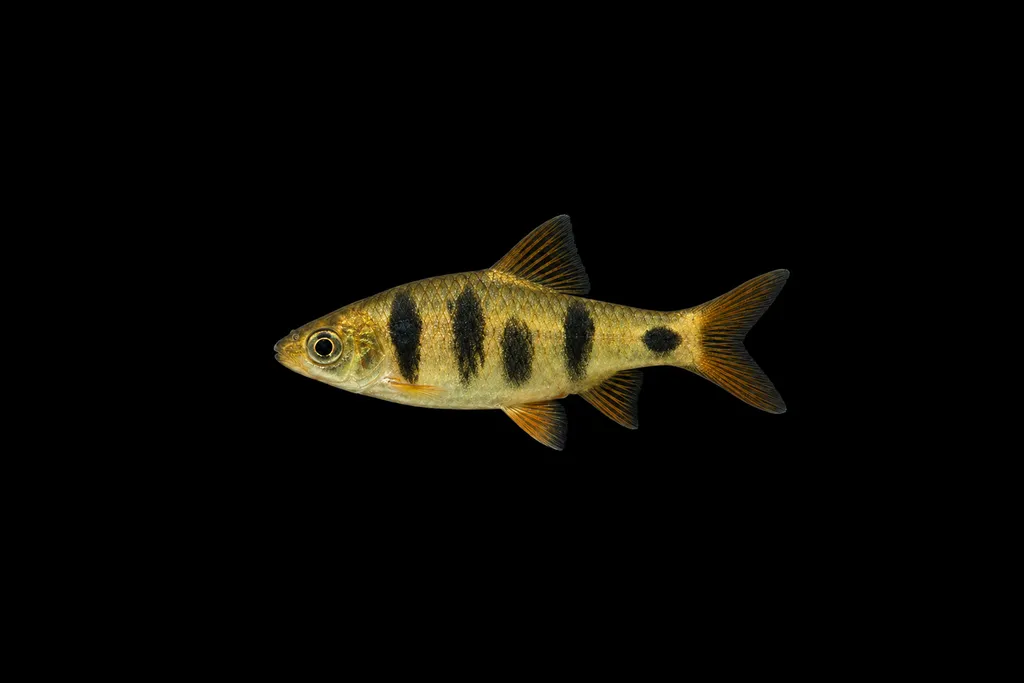 1.8 in (4.5 cm)14 gal (54 L)68–77°F (20–25°C)
Tiantian barb
Pethia tiantian
1.8 in (4.5 cm) · 14 gal (54 L)
 1.8 in (4.5 cm)15 gal (55 L)73–79°F (23–26°C)
Volcano rasbora
Rasbora vulcanus
1.8 in (4.5 cm) · 15 gal (55 L)