Spanish toothcarp
Valencia hispanica
Also known as Valencia toothcarp, Valencia killifish, Samaruc
FreshwaterFish
Care at a glance
- Temperature
- 54–79°F
- 12–26°C
- pH
- 7.0–8.5
- Adult size
- 3 in
- 7.5 cm
- Minimum tank
- 20 gal
- 75 L
- Temperament
- Mostly peaceful
- Social behavior
- Social
- Tankmates
- With caution
- Swim level
- Middle
- Difficulty
- Difficult
- Breeding
- Hard
- Rarity
- Very rare
- Family
- Valenciidae
- Origin
- Endemic to coastal wetlands, lagoons, and springs of eastern Spain around Valencia and southern Catalonia.
Overview
Give a small group a well planted 75 litre or larger tank at 12 to 26 C and hard, neutral to alkaline water of pH 7.0 to 8.5, with a cooler rest in winter. Males can be territorial, so provide space and plant cover and keep it in a species tank. Feed live and frozen crustaceans and insect larvae such as daphnia, brine shrimp, and bloodworm. It is a short-lived multiple spawner that scatters small batches of eggs on plants through spring and summer.
In the wild
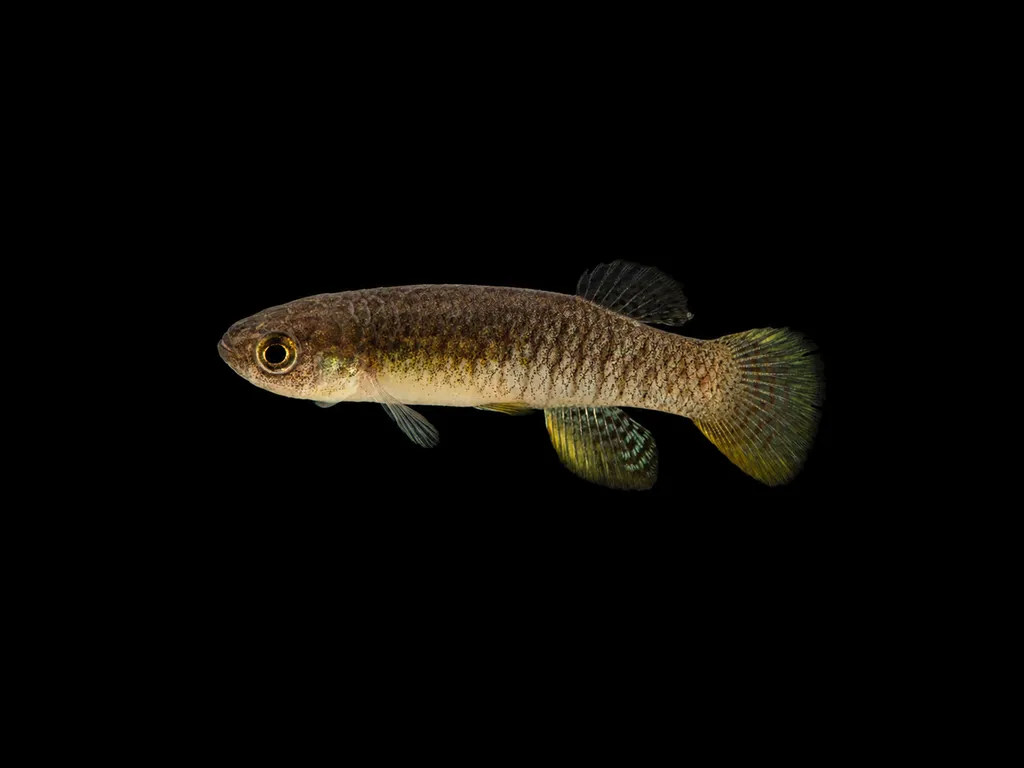
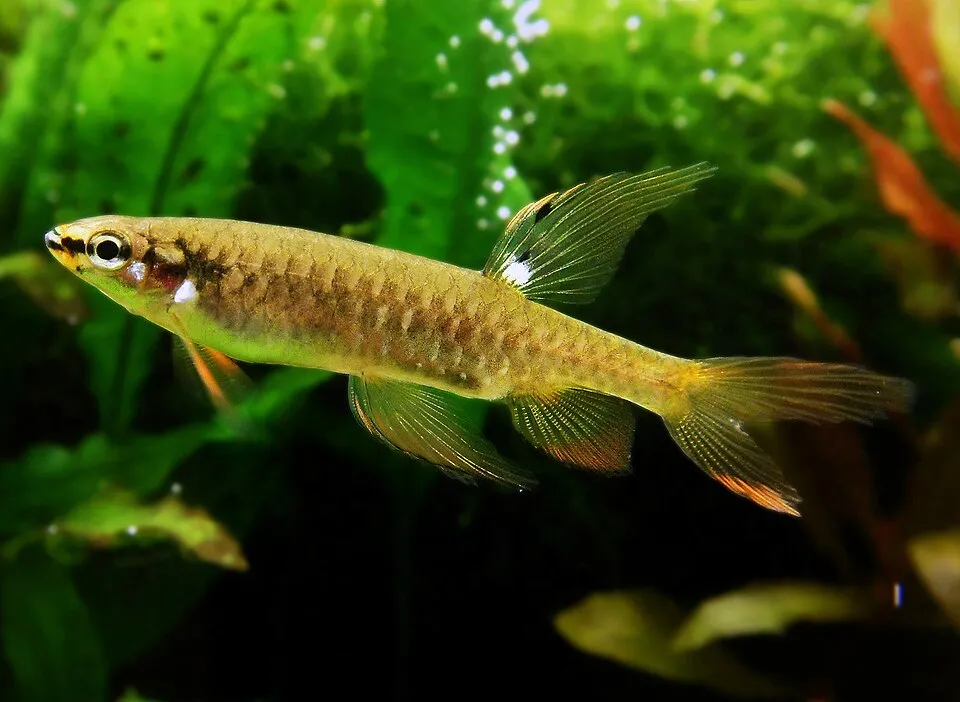
It lives in slow or still coastal wetlands with dense plants, including lagoons, marshes, and spring-fed pools, in a temperate climate. Both sexes are silvery with rows of shiny spots, and males show more colour in the fins. It needs cooler, harder, well planted water than most killifish and does better with a cool spell in winter.
Good to know
Valencia hispanica is a non-annual, temperate toothcarp and one of the only living members of its family, Valenciidae. It is listed as Critically Endangered on the IUCN Red List, hit hard by habitat loss and by introduced mosquitofish. Regional programmes have released captive-bred fish back into Spanish wetlands such as the Albufera lagoon.
Did you know
It is one of Europe's most endangered freshwater fish, and hobbyist and government breeding programmes are part of what is keeping it from going extinct.
Common questions
What size tank does a Spanish toothcarp need?
A Spanish toothcarp needs at least 20 gal (75 L). It spends most of its time in the middle.
What temperature and pH does a Spanish toothcarp need?
A Spanish toothcarp is comfortable at 54–79°F (12–26°C) with a pH of 7.0–8.5.
How big does a Spanish toothcarp get?
An adult Spanish toothcarp reaches about 3 in (7.5 cm).
Related species
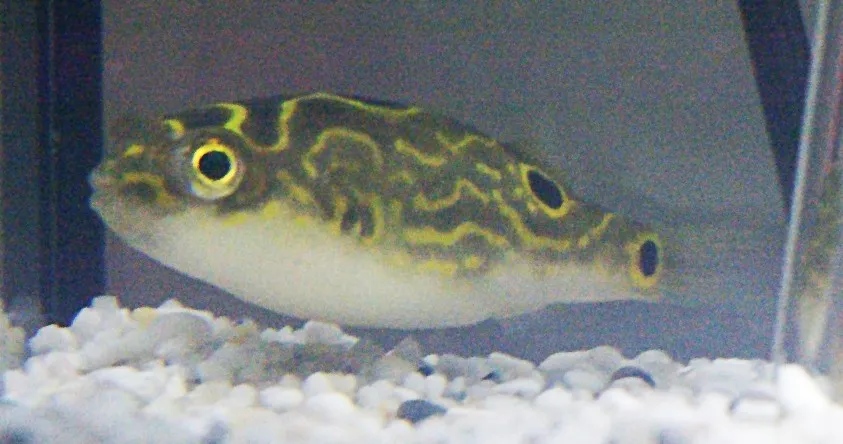 3.1 in (8 cm)20 gal (75 L)72–79°F (22–26°C)
Figure eight puffer
Tetraodon biocellatus
3.1 in (8 cm) · 20 gal (75 L)
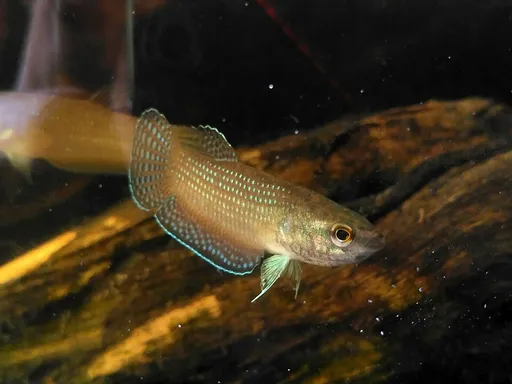 2.4 in (6 cm)20 gal (75 L)72–81°F (22–27°C)
Edith's betta
Betta edithae
2.4 in (6 cm) · 20 gal (75 L)
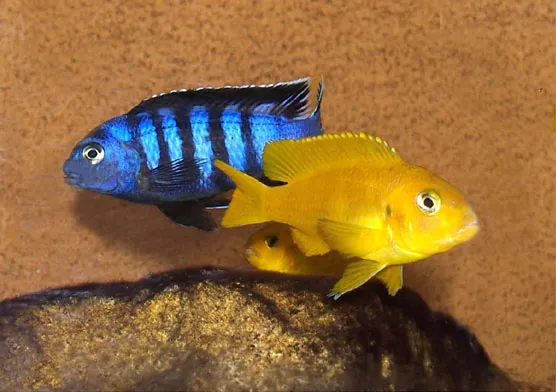 3.9 in (10 cm)42 gal (160 L)73–81°F (23–27°C)
Saulosi mbuna
Chindongo saulosi
3.9 in (10 cm) · 42 gal (160 L)
 2.2 in (5.5 cm)18 gal (70 L)68–82°F (20–28°C)
Splash tetra
Copella arnoldi
2.2 in (5.5 cm) · 18 gal (70 L)
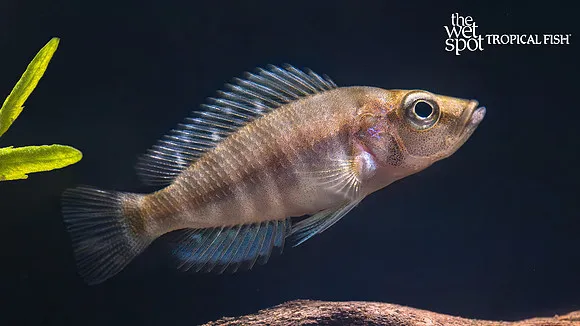 4.3 in (11 cm)37 gal (140 L)73–82°F (23–28°C)
Blue-eyed tropheus
Tropheus brichardi
4.3 in (11 cm) · 37 gal (140 L)
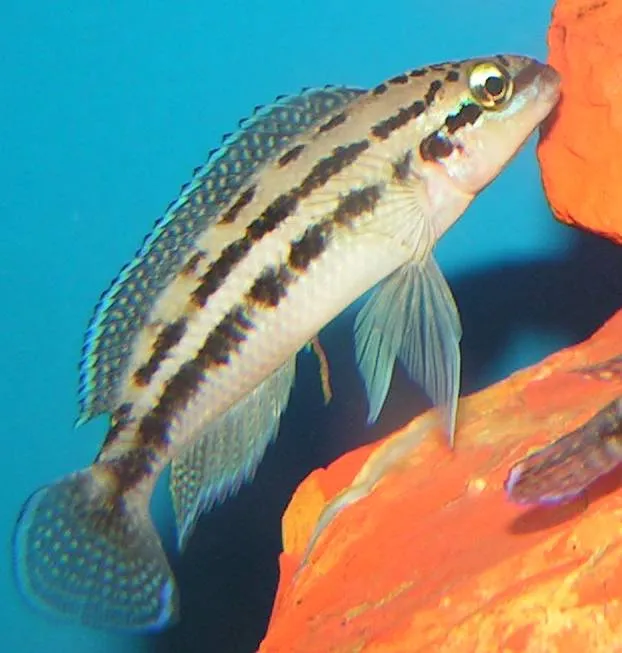 4.3 in (11 cm)20 gal (75 L)73–81°F (23–27°C)
Brown julie
Julidochromis dickfeldi
4.3 in (11 cm) · 20 gal (75 L)