Red shiner
Cyprinella lutrensis
Also known as Rainbow dace
FreshwaterFish
Care at a glance
- Temperature
- 57–77°F
- 14–25°C
- pH
- 6.5–8.0
- Adult size
- 3.5 in
- 9 cm
- Minimum tank
- 36 gal
- 135 L
- Temperament
- Mostly peaceful
- Social behavior
- Social
- Tankmates
- With caution
- Swim level
- Middle
- Difficulty
- Medium
- Breeding
- Cave spawner · Hard
- Rarity
- Rare
- Family
- Cyprinidae
- Origin
- United States
Overview
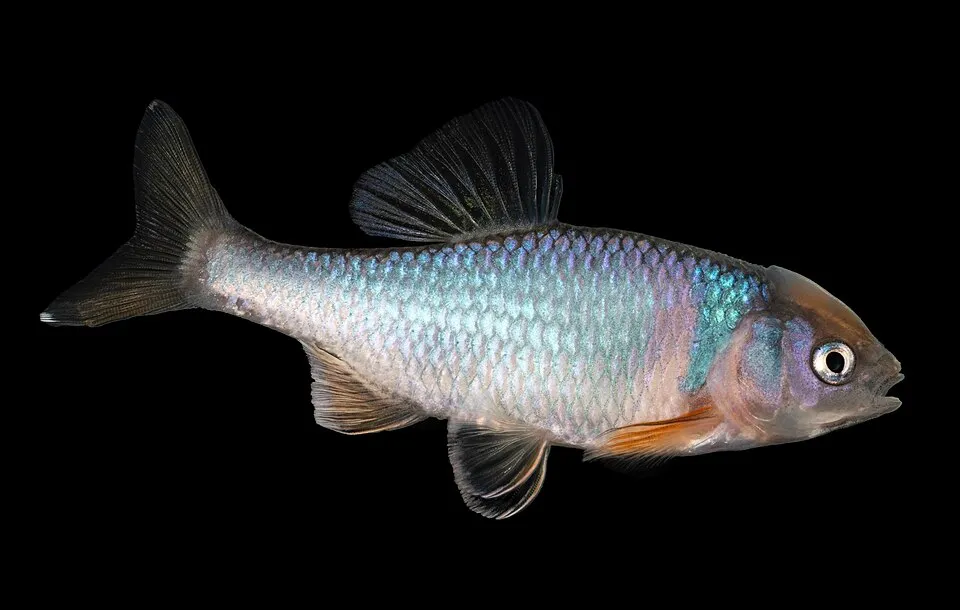
The red shiner is a hardy, sociable minnow that swims actively in the middle water of a coolwater community tank. It is boisterous, and it is best with a little experience.
Did you know
The red shiner is so hardy and adaptable that it has become a problem outside its native range in the United States. Fish released from bait buckets and aquariums have established wild populations there and crowded out native minnows.
Caring for the red shiner
Keep red shiners in a group of six or more, in a tank of 36 gal (135 L) or larger. Give them a gravel and sand base, some current, and water-worn rock and driftwood. They are not fussy about decor, but they need open room to swim.
They do not need tropical heat. Keep the water at 57 to 77°F (14 to 25°C), with a neutral to slightly alkaline pH of 6.5 to 8.0. Keep it clean and well oxygenated.
They are easy to feed and take flake, pellets, and frozen or live foods. They are mostly peaceful, and keeping several spreads out the mild sparring that males do among themselves. Quick, boisterous tank mates suit them better than slow, long-finned fish, which they might nip.
Breeding males turn steel blue on the body, with rosy red fins and a flush of color on the head. White breeding tubercles set off those colors. Red shiners tuck their eggs into crevices in wood and rock rather than scattering them freely. Breeding them on purpose in the aquarium is hard.
Good to know
Cyprinella lutrensis is a deep-bodied North American minnow in the family Cyprinidae. It is also known as the rainbow dace.
In the wild
The red shiner is native to the streams and rivers of the central United States. It lives in a wide range of conditions, from clear water to warm, silty and disturbed rivers that many fish avoid.
Common questions
What size tank does a red shiner need?
A red shiner needs at least 36 gal (135 L). It spends most of its time in the middle.
What temperature and pH does a red shiner need?
A red shiner is comfortable at 57–77°F (14–25°C) with a pH of 6.5–8.0.
What does a red shiner eat?
A red shiner is easy to feed and takes flake, pellets, and frozen or live foods.
How big does a red shiner get?
An adult red shiner reaches about 3.5 in (9 cm).
How can you tell a male red shiner from a female?
Males in breeding color turn steel blue on the body, with rosy red fins and a flush of color on the head. They also grow white breeding tubercles.
How does a red shiner breed?
Red shiners tuck their eggs into crevices in wood and rock rather than scattering them. Breeding them on purpose in an aquarium is hard.
Related species
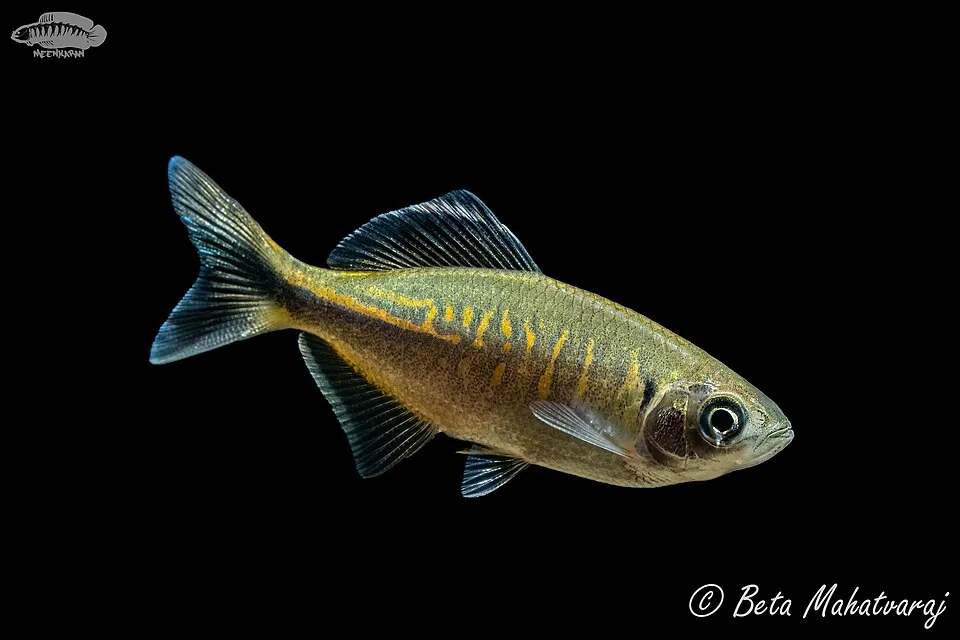 3.5 in (9 cm)34 gal (130 L)59–81°F (15–27°C)
Bengal danio
Devario devario
3.5 in (9 cm) · 34 gal (130 L)
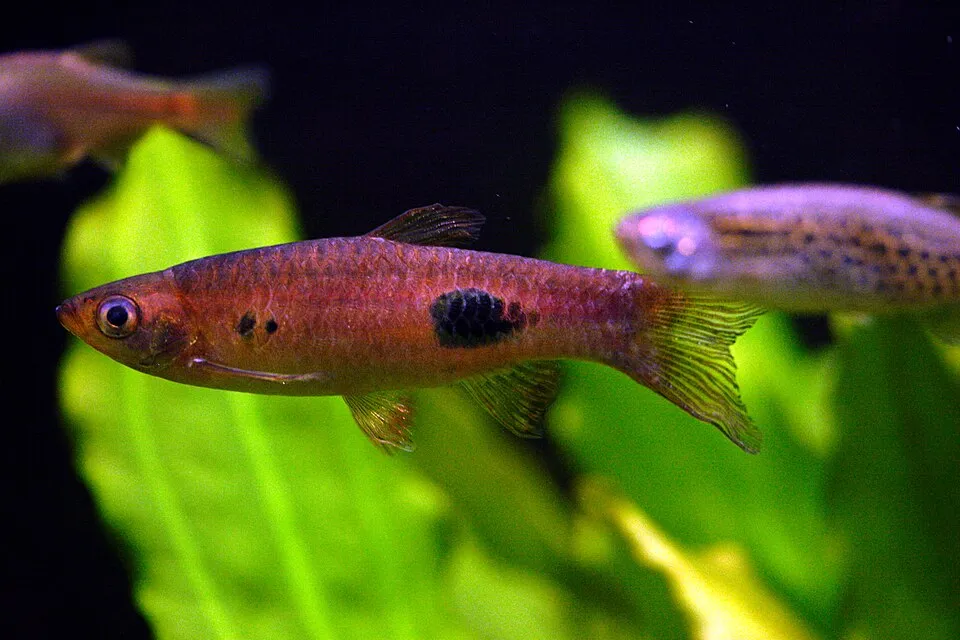 3.9 in (10 cm)34 gal (130 L)73–82°F (23–28°C)
Clown rasbora
Rasbora kalochroma
3.9 in (10 cm) · 34 gal (130 L)
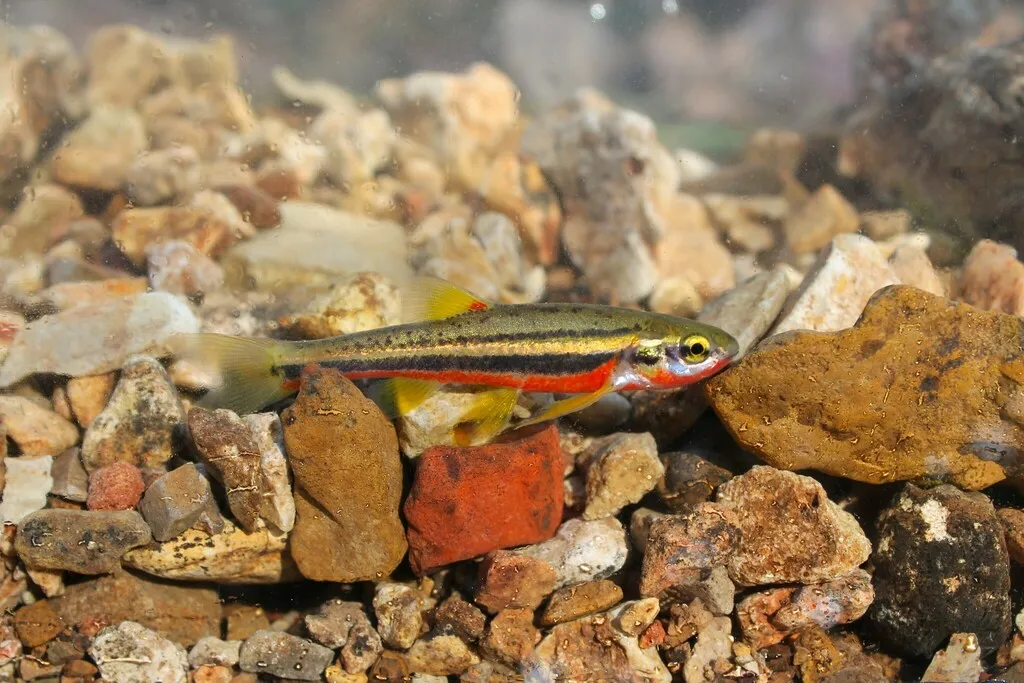 3.9 in (10 cm)61 gal (230 L)57–70°F (14–21°C)
Southern redbelly dace
Phoxinus erythrogaster
3.9 in (10 cm) · 61 gal (230 L)
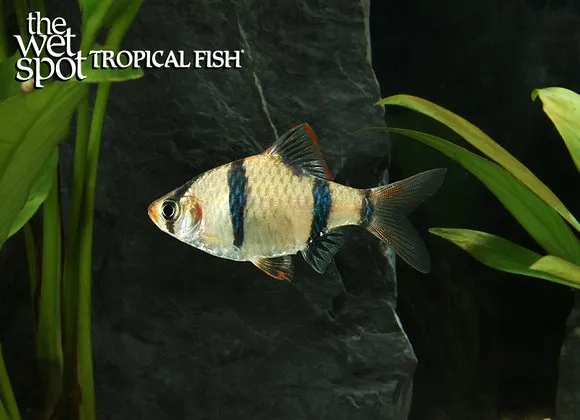 2.8 in (7 cm)29 gal (110 L)73–81°F (23–27°C)
Borneo tiger barb
Puntigrus anchisporus
2.8 in (7 cm) · 29 gal (110 L)
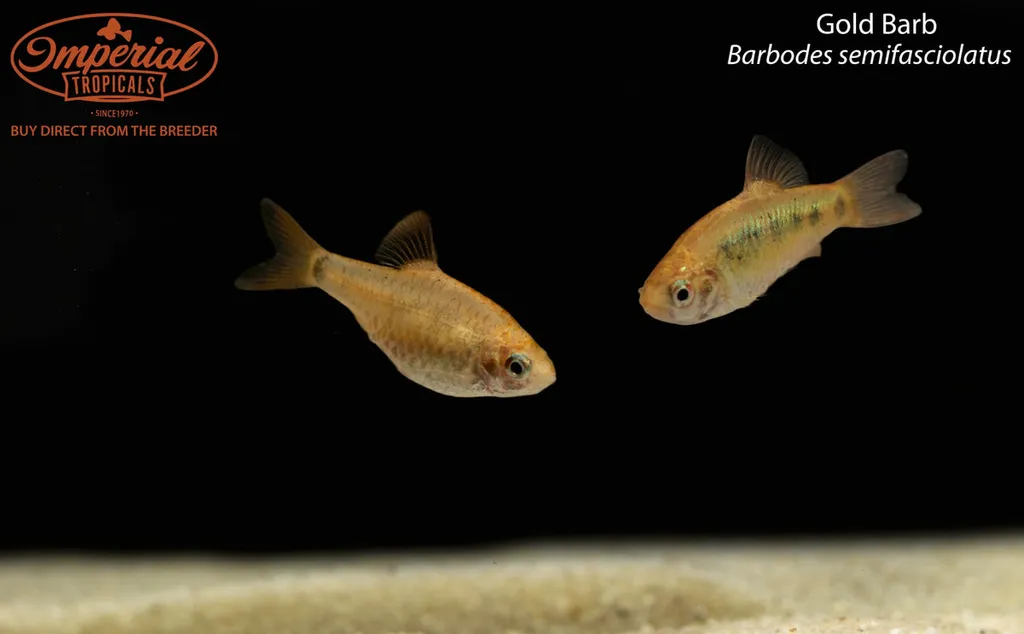 2.8 in (7 cm)20 gal (75 L)64–75°F (18–24°C)
Gold barb
Barbodes semifasciolatus
2.8 in (7 cm) · 20 gal (75 L)
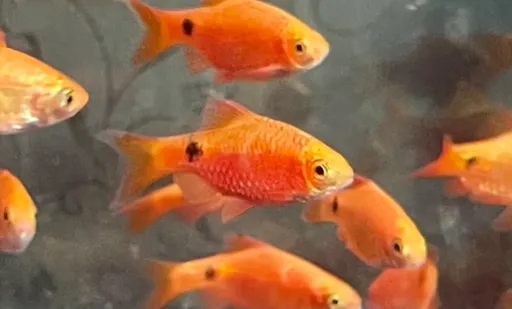 2.8 in (7 cm)24 gal (90 L)61–75°F (16–24°C)
Rosy barb
Pethia conchonius
2.8 in (7 cm) · 24 gal (90 L)