Southern redbelly dace
Phoxinus erythrogaster
FreshwaterFish
Care at a glance
- Temperature
- 57–70°F
- 14–21°C
- pH
- 6.5–7.5
- Adult size
- 3.9 in
- 10 cm
- Minimum tank
- 61 gal
- 230 L
- Temperament
- Mostly peaceful
- Social behavior
- Schooling
- Swim level
- Middle
- Difficulty
- Medium
- Breeding
- Hard
- Rarity
- Very rare
- Family
- Cyprinidae
- Origin
- United States
Overview
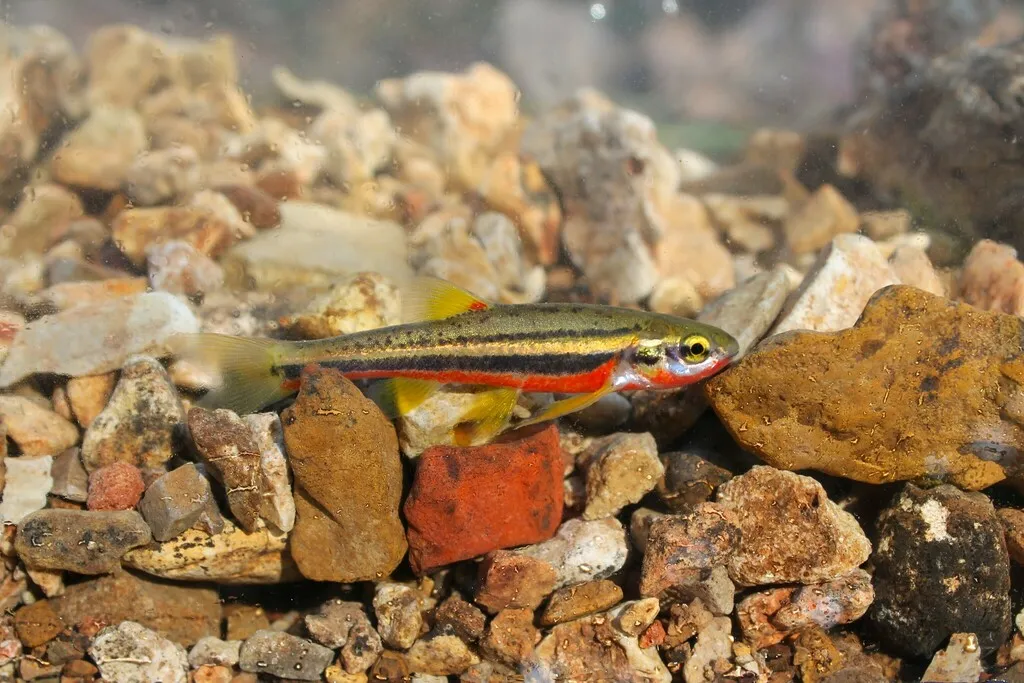
Southern redbelly dace are active, mostly peaceful shoaling fish that should be kept in a group of at least eight, as a strong shoal keeps them confident and encourages the males to color up. They swim in the middle water and suit a coolwater community with other temperate, gentle species of similar size. They are eager feeders that take flake, small pellets, and frozen or live foods, and they graze on soft algae too. Cool, clean, well oxygenated water is essential, so they are best kept in an unheated or lightly cooled tank rather than a tropical one. A tank around 230 liters or larger gives an active shoal the space it needs.
In the wild
The southern redbelly dace is native to clear, cool streams and spring fed creeks across the central and eastern United States, where it lives over gravel in flowing, well oxygenated water, often near undercut banks and cover. It is a coolwater fish, comfortable at about 14–21 C and a near neutral pH of 6.5–7.5. Recreate its home with brisk current, a gravel and pebble base, and clean, oxygen rich water. Some rock, driftwood, and hardy planting help, but flow, oxygen, and cool temperatures matter most.
Good to know
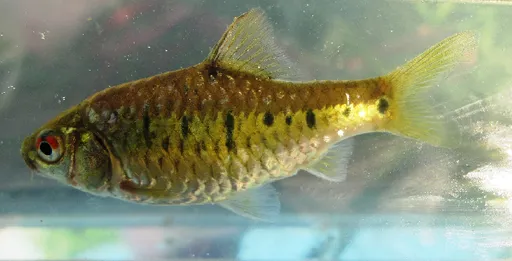
This dace is a North American member of the family Cyprinidae that reaches around 10 cm. It carries two dark stripes along a golden flank, and in the breeding season males light up with a brilliant red belly and fins set against yellow. It is often placed today in the genus Chrosomus rather than Phoxinus. It is an egg scattering spawner, frequently laying over the gravel nests of other stream fish, and it is difficult to breed deliberately in the aquarium.
Did you know
The name says it plainly: erythrogaster comes from Greek words meaning red belly, and in spring the breeding male delivers, its underside blazing scarlet against a gold and black striped body. For a fish from cool North American creeks, that display holds its own against many tropical species.
Weekly picks
Tank mates
Southern redbelly dace is a mostly peaceful, schooling species that keeps to the middle. These picks share a community profile with it, are safe together in both directions, and overlap on water type, temperature and pH.
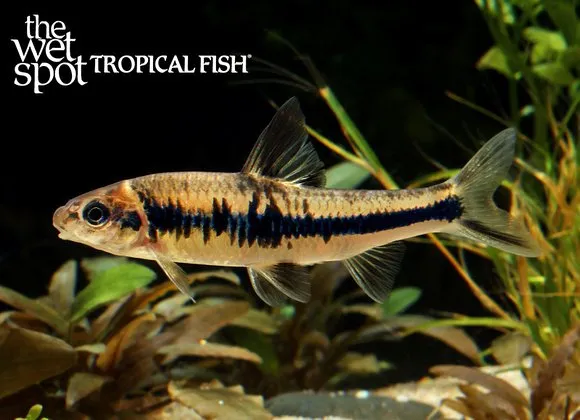
Rainbow gudgeon
Sarcocheilichthys nigripinnis
Freshwater6.3 in (16 cm) · 53 gal (200 L)57–75°F (14–24°C)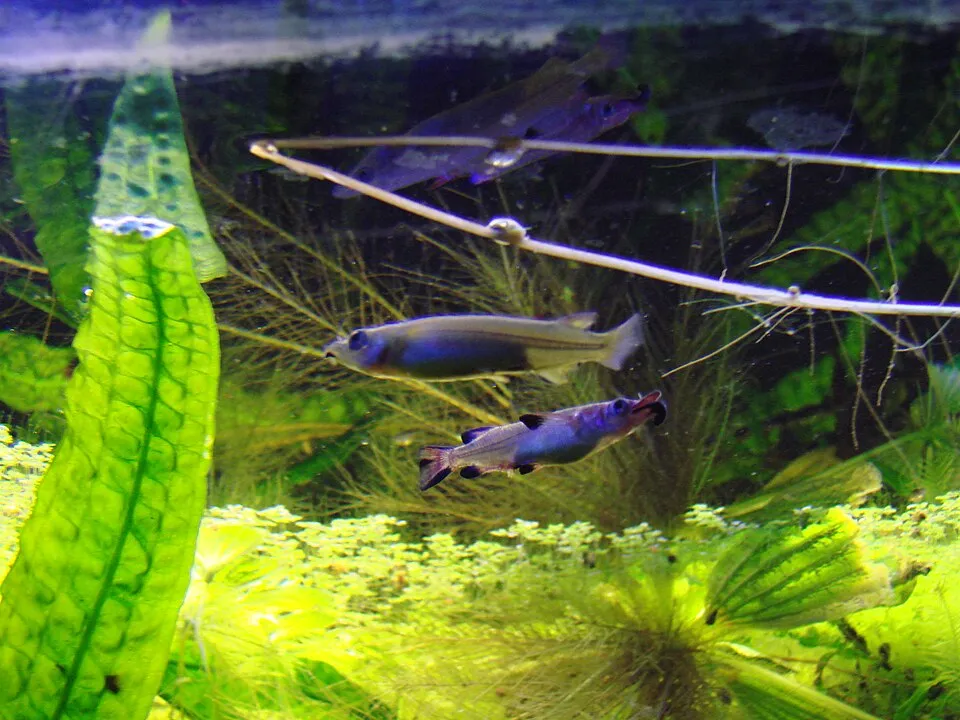
Celebes halfbeak
Nomorhamphus liemi
Freshwater3.5 in (9 cm) · 40 gal (150 L)68–77°F (20–25°C)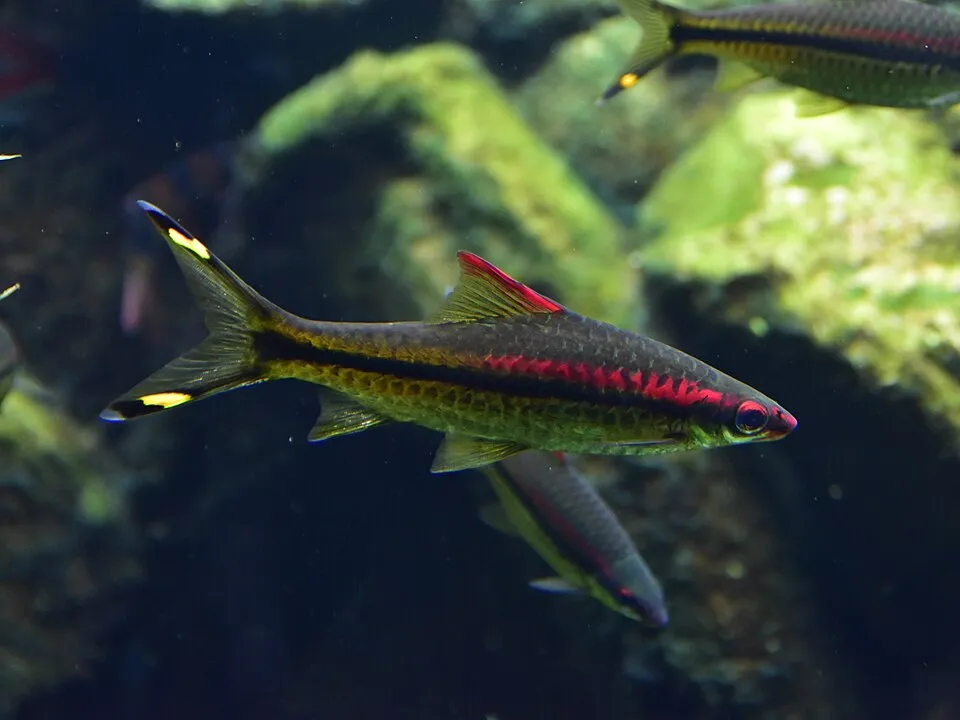
Redline torpedo barb
Sahyadria denisonii
Freshwater4.3 in (11 cm) · 53 gal (200 L)59–77°F (15–25°C)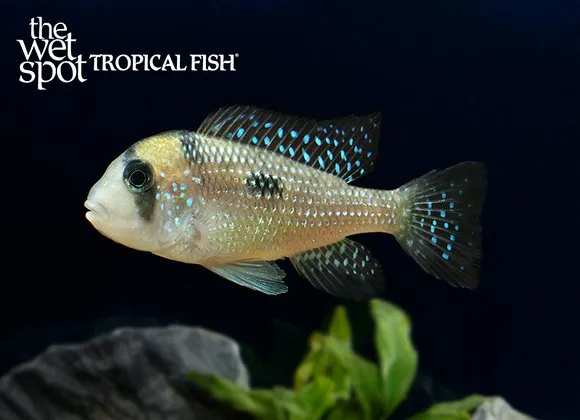
Longbody eartheater
Gymnogeophagus mekinos
Freshwater5.1 in (13 cm) · 66 gal (250 L)61–79°F (16–26°C)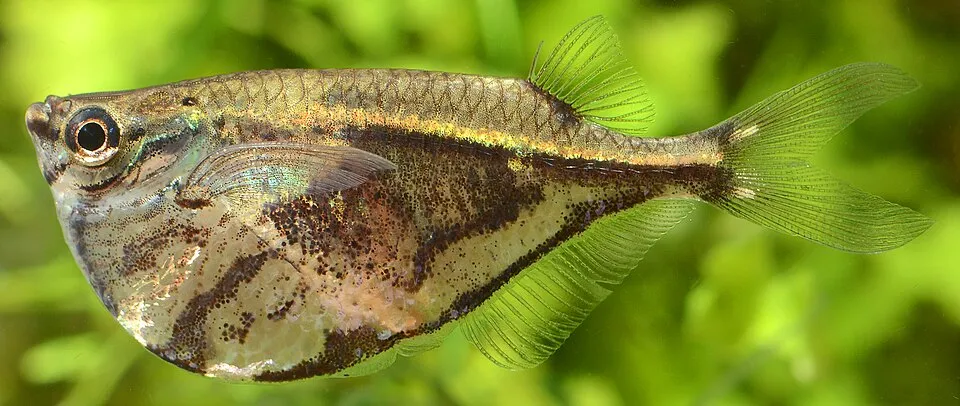
Marbled hatchetfish
Carnegiella strigata
Freshwater1.6 in (4 cm) · 32 gal (120 L)68–82°F (20–28°C)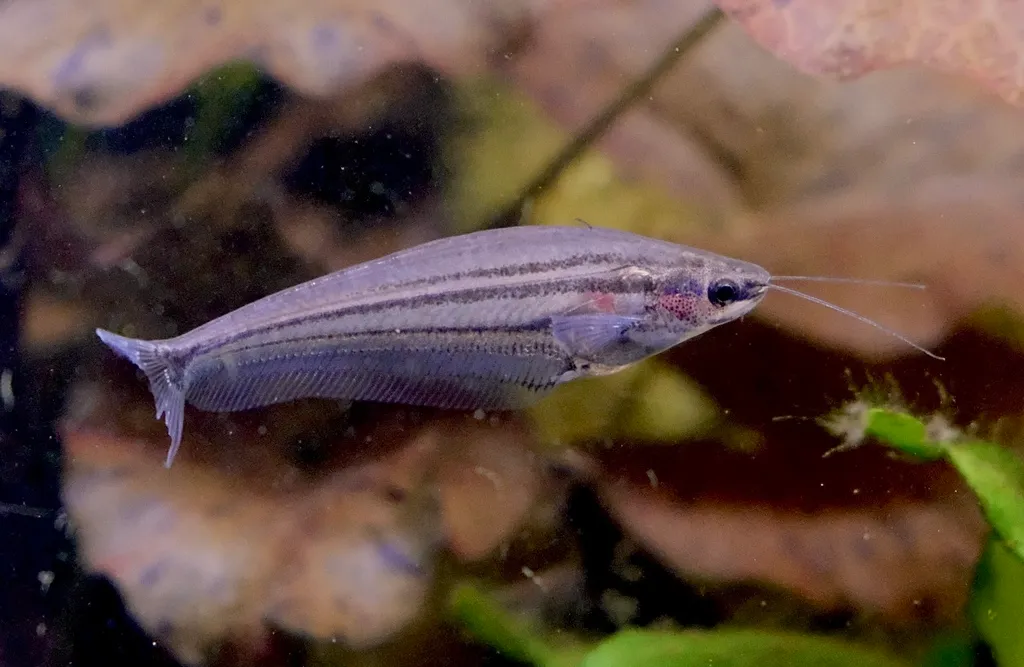
Striped glass catfish
Kryptopterus macrocephalus
Freshwater3.5 in (9 cm) · 36 gal (135 L)70–79°F (21–26°C)
Common questions
What size tank does a Southern redbelly dace need?
A Southern redbelly dace needs at least 61 gal (230 L). It spends most of its time in the middle.
What temperature and pH does a Southern redbelly dace need?
A Southern redbelly dace is comfortable at 57–70°F (14–21°C) with a pH of 6.5–7.5.
How big does a Southern redbelly dace get?
An adult Southern redbelly dace reaches about 3.9 in (10 cm).
Does a Southern redbelly dace need a group?
Yes. A Southern redbelly dace is a schooling species and should be kept in a group, not singly.
Related species
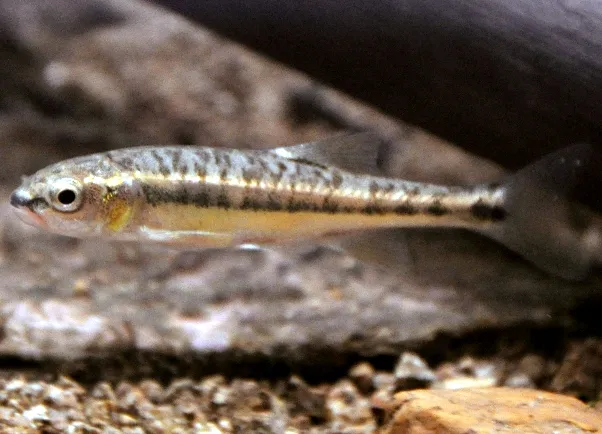 5.1 in (13 cm)45 gal (170 L)54–68°F (12–20°C)
European minnow
Phoxinus phoxinus
5.1 in (13 cm) · 45 gal (170 L)
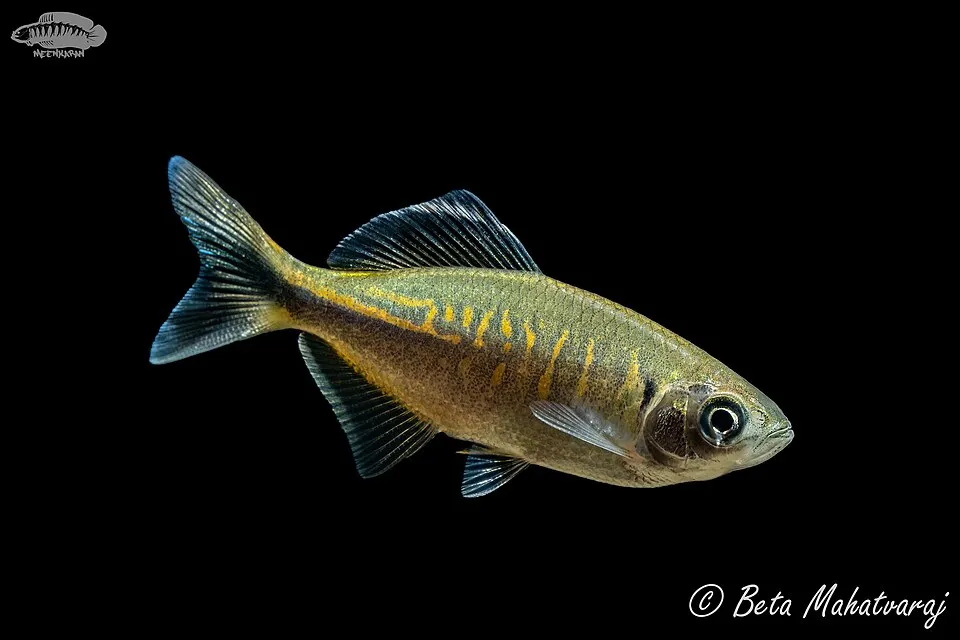 3.5 in (9 cm)34 gal (130 L)59–81°F (15–27°C)
Bengal danio
Devario devario
3.5 in (9 cm) · 34 gal (130 L)
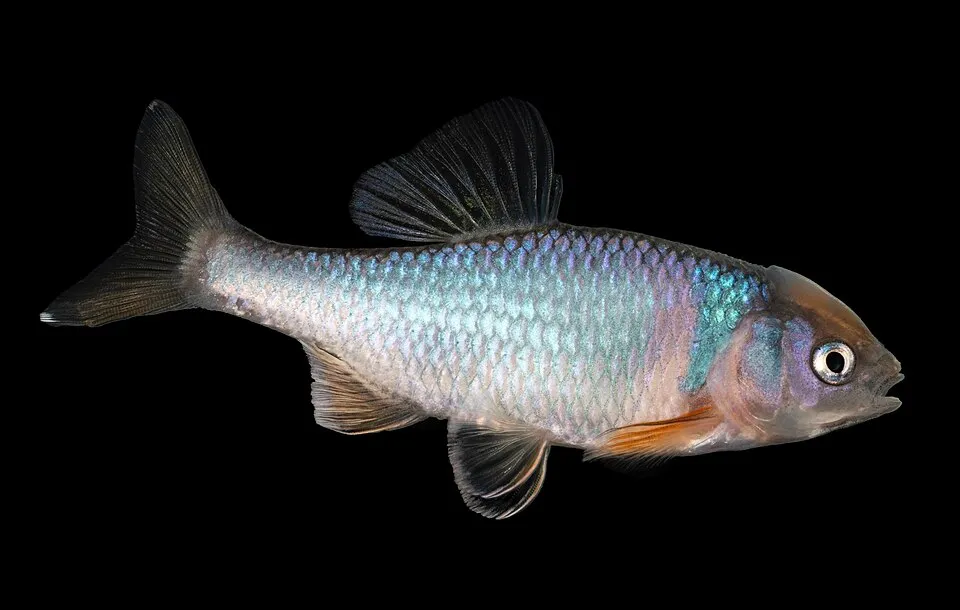 3.5 in (9 cm)36 gal (135 L)57–77°F (14–25°C)
Red shiner
Cyprinella lutrensis
3.5 in (9 cm) · 36 gal (135 L)
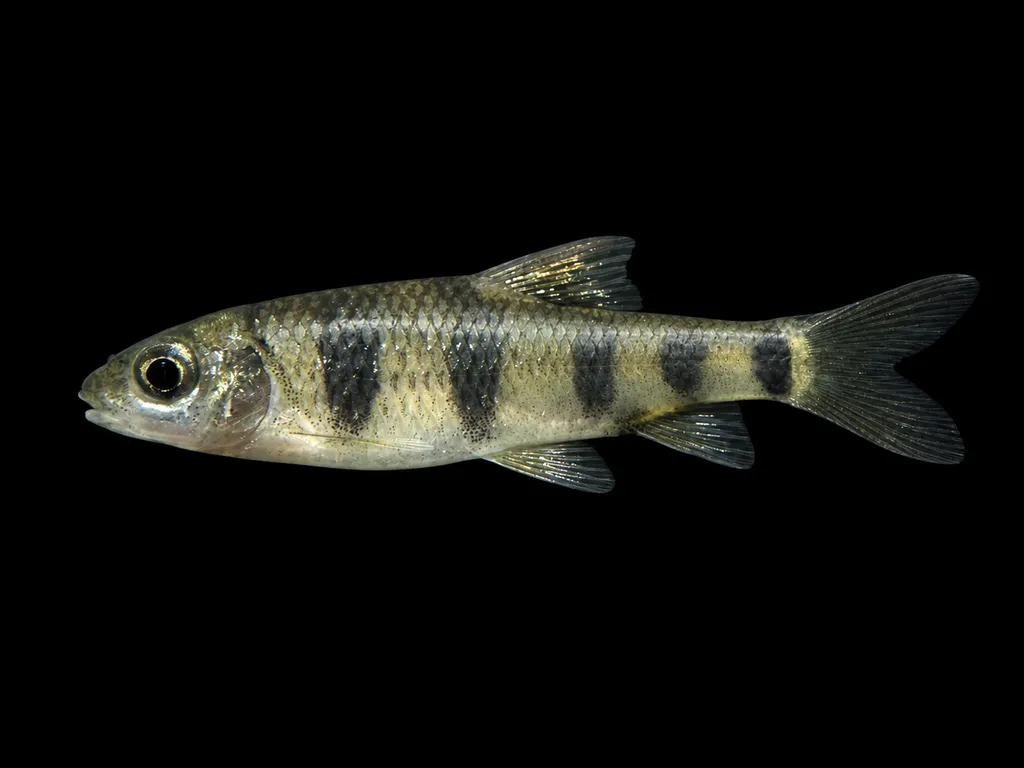 5.1 in (13 cm)53 gal (200 L)64–79°F (18–26°C)
Beijiang barb
Acrossocheilus beijiangensis
5.1 in (13 cm) · 53 gal (200 L)
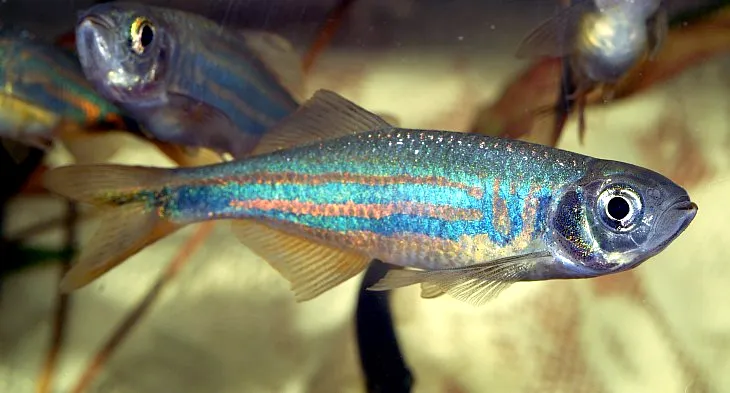 5.1 in (13 cm)48 gal (180 L)64–77°F (18–25°C)
Malabar danio
Devario malabaricus
5.1 in (13 cm) · 48 gal (180 L)
 2.8 in (7 cm)20 gal (75 L)64–75°F (18–24°C)
Gold barb
Barbodes semifasciolatus
2.8 in (7 cm) · 20 gal (75 L)