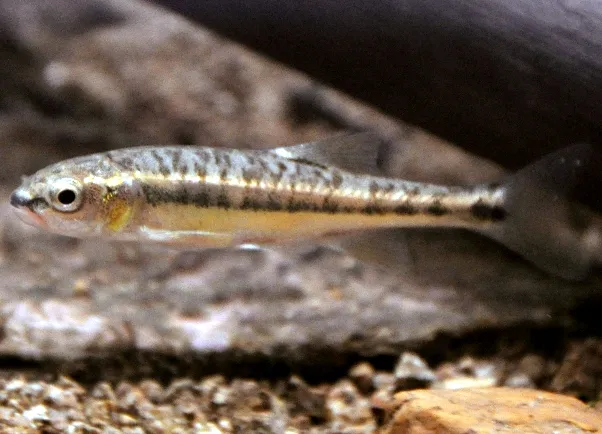
European minnow
Phoxinus phoxinus
Also known as Common minnow
FreshwaterFish
Care at a glance
- Temperature
- 54–68°F
- 12–20°C
- pH
- 6.5–7.5
- Adult size
- 5.1 in
- 13 cm
- Minimum tank
- 45 gal
- 170 L
- Temperament
- Peaceful
- Social behavior
- Schooling
- Swim level
- Middle
- Difficulty
- Medium
- Breeding
- Hard
- Rarity
- Very rare
- Family
- Cyprinidae
- Origin
- Europe and northern Asia
Overview
The European minnow is a small, active, coldwater shoaling fish that must be kept in a group of at least eight, and preferably more, as it is highly social and nervous when kept in small numbers. It swims busily in the middle and upper water and is entirely peaceful, suiting an unheated tank alongside other temperate species of similar size and temperament. It is an eager feeder that takes flake, small pellets, and frozen or live foods such as bloodworm and daphnia. Cool, clean, well oxygenated water matters more to this fish than anything else. A tank around 170 liters or larger gives an active shoal room to move.
In the wild
The European minnow lives in cool, clear, well oxygenated streams, rivers, and stony lake shallows across Europe and northern Asia, from Britain and Spain eastward into Siberia. It is a coldwater fish that does best at about 12–20 C and a near neutral pH of 6.5–7.5, and it appreciates a seasonal drop in temperature. Recreate its home with brisk flow, a substrate of gravel and rounded stones, and a spotlessly clean, well oxygenated water column. Robust planting around the sides is fine, but the priorities are current, oxygen, and cool temperatures.
Good to know
Phoxinus phoxinus is a small, slim member of the family Cyprinidae that reaches around 13 cm, though most are smaller. It is one of the most widespread freshwater fishes in Europe and a familiar sight in clean upland streams. Spawning takes place in spring over gravel, where scattered eggs are left without parental care, and breeding this cool water species in the aquarium is difficult and rarely done. Breeding males develop dark, contrasting colors and small white tubercles on the head.
Did you know
The European minnow is a landmark in the study of animal behavior. In the 1930s the biologist Karl von Frisch showed that an injured minnow releases an alarm substance from its skin, later called Schreckstoff, that sends the whole shoal darting for cover. It was one of the first clear demonstrations of chemical alarm signaling in fish.
Weekly picks
Tank mates
European minnow is a peaceful, schooling species that keeps to the middle. These picks share a community profile with it, are safe together in both directions, and overlap on water type, temperature and pH.
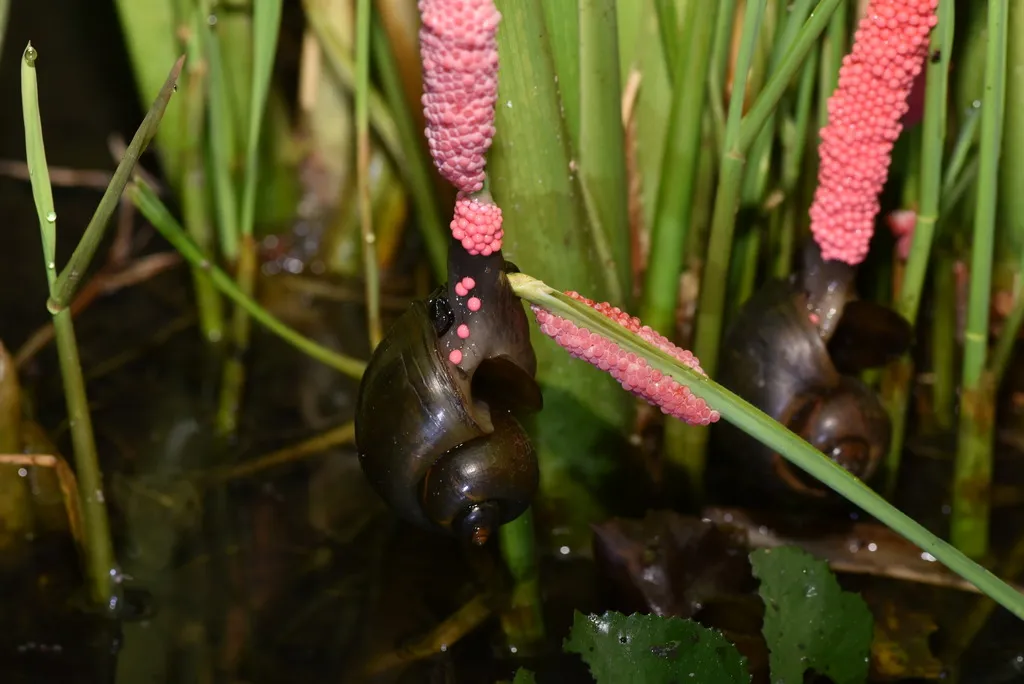
Apple snail
Pomacea canaliculata
Freshwater5.9 in (15 cm) · 21 gal (80 L)64–81°F (18–27°C)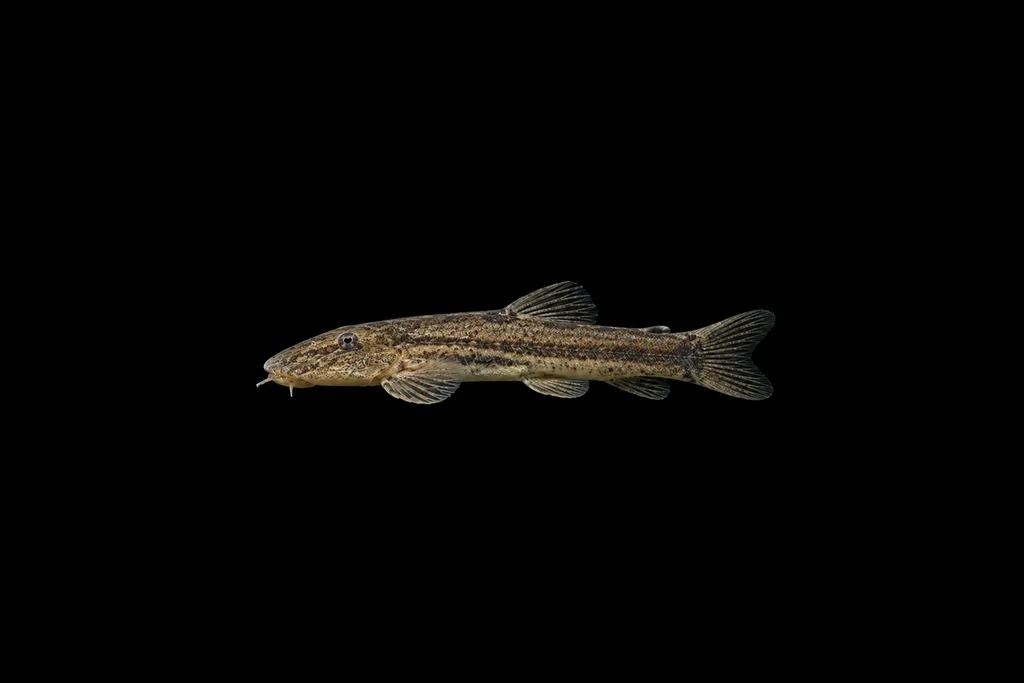
Torrent catfish
Glyptothorax dorsalis
Freshwater5.9 in (15 cm) · 42 gal (160 L)68–79°F (20–26°C)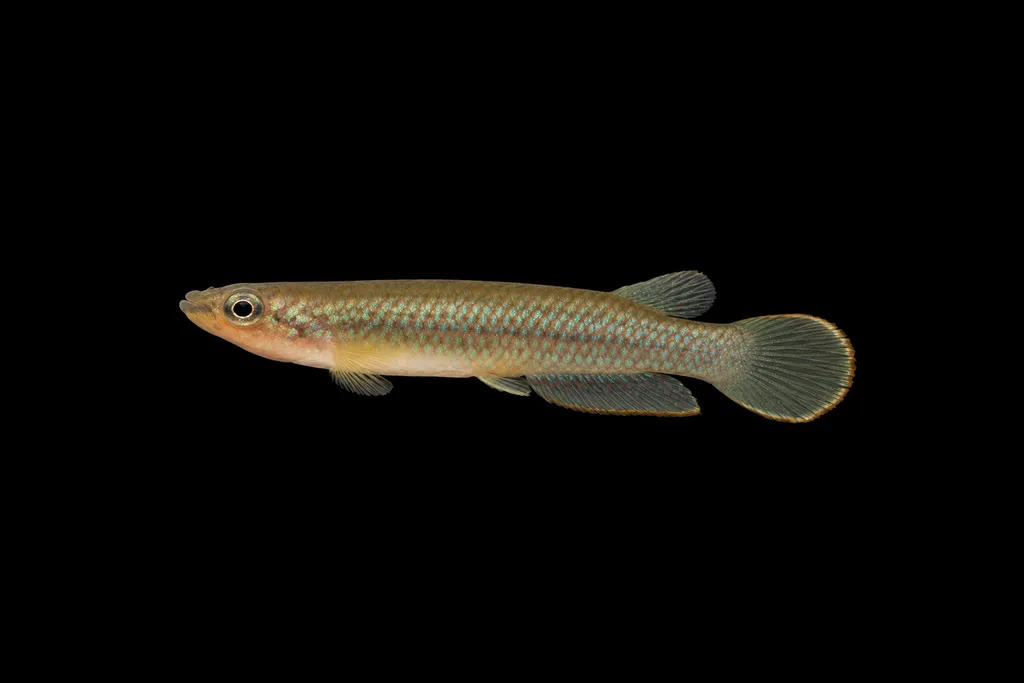
Guinean panchax
Epiplatys guineensis
Freshwater2.8 in (7 cm) · 14 gal (54 L)68–77°F (20–25°C)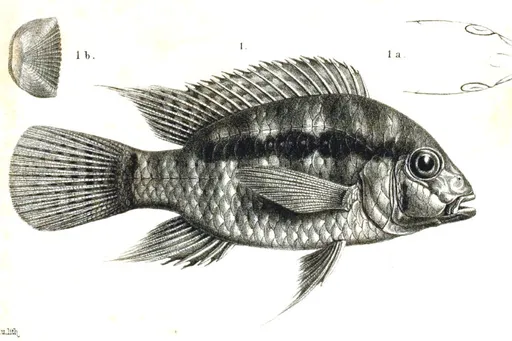
Banded acara
Bujurquina vittata
Freshwater4.7 in (12 cm) · 34 gal (130 L)68–82°F (20–28°C)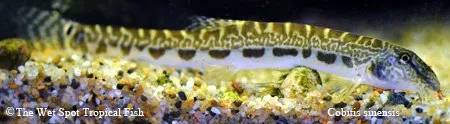
Chinese spiny loach
Cobitis sinensis
Freshwater6 in (15.3 cm) · 42 gal (160 L)59–75°F (15–24°C)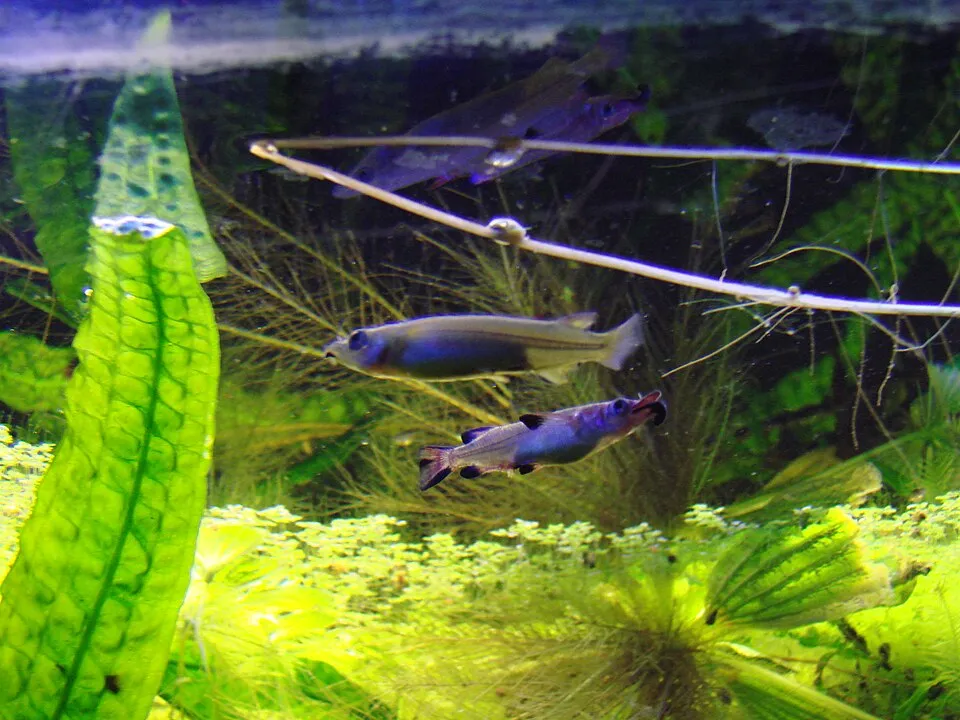
Celebes halfbeak
Nomorhamphus liemi
Freshwater3.5 in (9 cm) · 40 gal (150 L)68–77°F (20–25°C)
Common questions
What size tank does a European minnow need?
A European minnow needs at least 45 gal (170 L). It spends most of its time in the middle.
What temperature and pH does a European minnow need?
A European minnow is comfortable at 54–68°F (12–20°C) with a pH of 6.5–7.5.
How big does a European minnow get?
An adult European minnow reaches about 5.1 in (13 cm).
Does a European minnow need a group?
Yes. A European minnow is a schooling species and should be kept in a group, not singly.
Related species
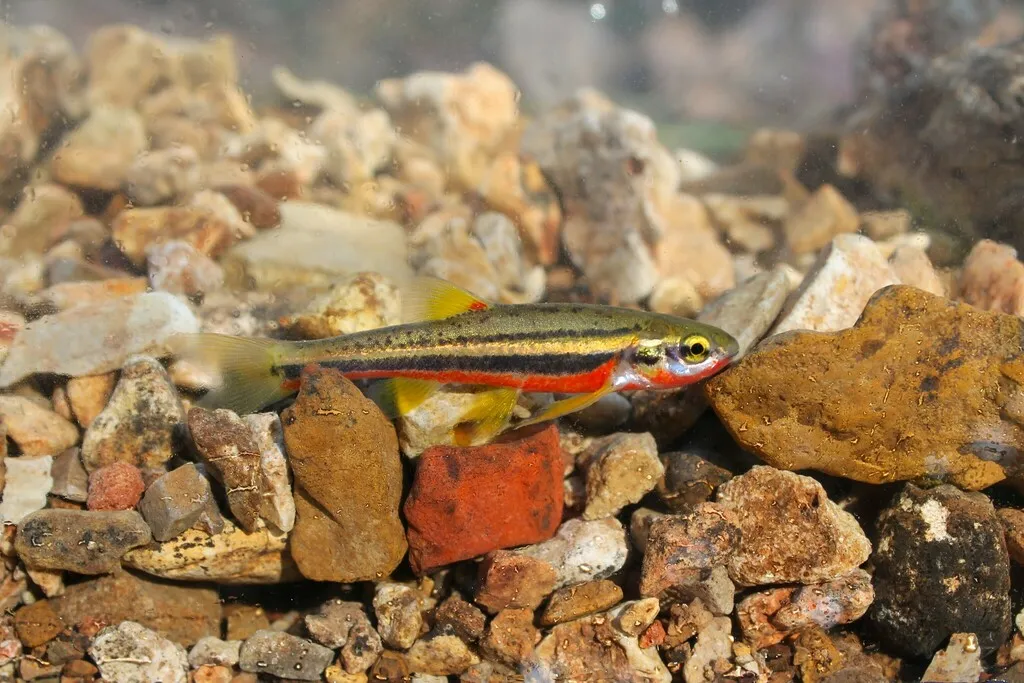 3.9 in (10 cm)61 gal (230 L)57–70°F (14–21°C)
Southern redbelly dace
Phoxinus erythrogaster
3.9 in (10 cm) · 61 gal (230 L)
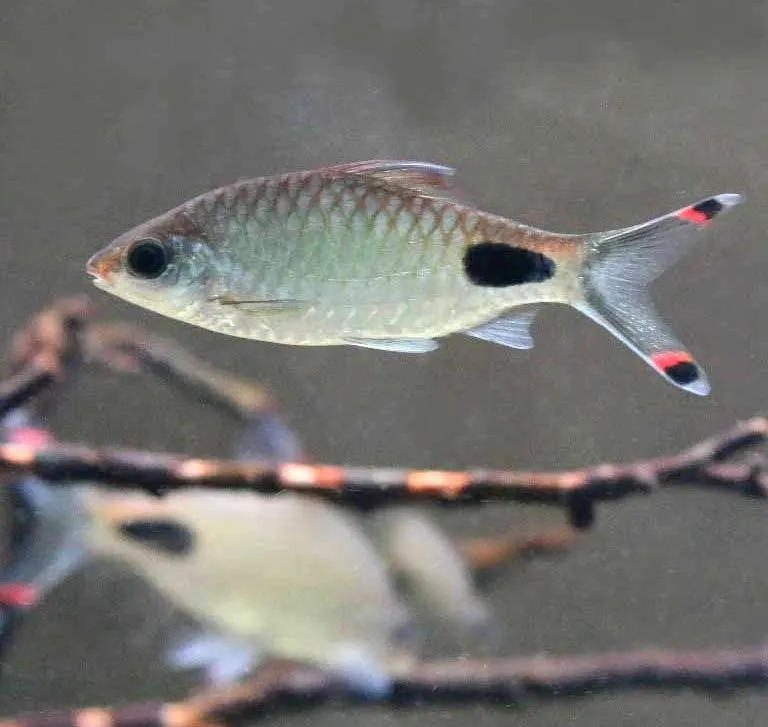 5.1 in (13 cm)53 gal (200 L)68–77°F (20–25°C)
Filament barb
Dawkinsia filamentosa
5.1 in (13 cm) · 53 gal (200 L)
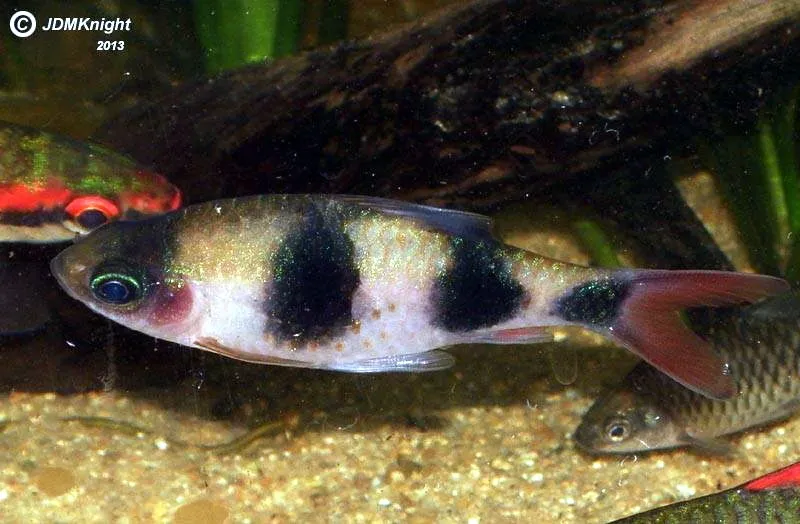 4.7 in (12 cm)37 gal (140 L)66–77°F (19–25°C)
Arulius barb
Dawkinsia arulius
4.7 in (12 cm) · 37 gal (140 L)
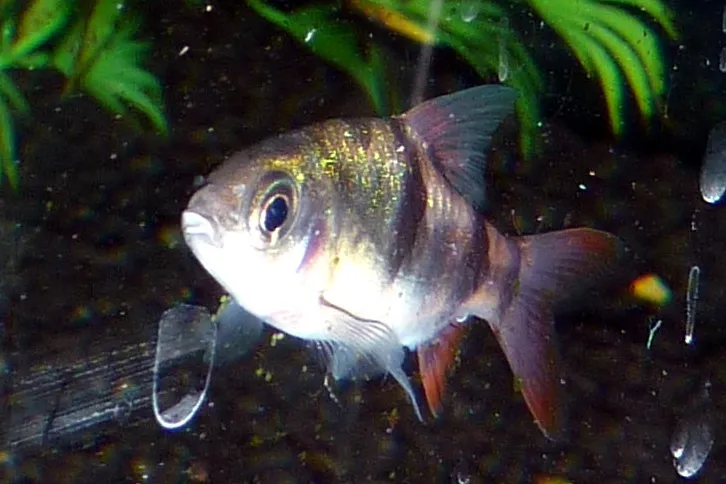 4.7 in (12 cm)40 gal (150 L)64–82°F (18–28°C)
Everett's barb
Barbodes everetti
4.7 in (12 cm) · 40 gal (150 L)
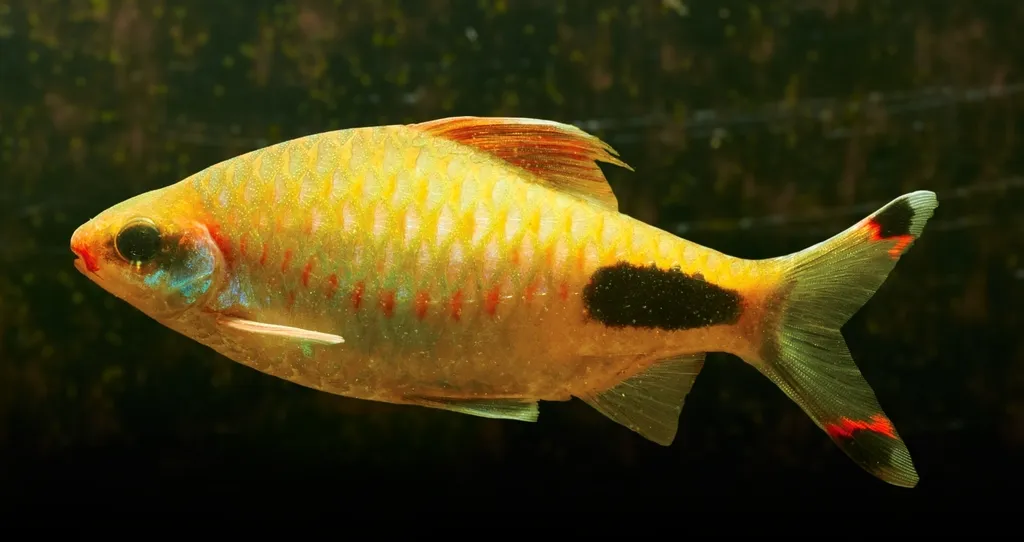 4.7 in (12 cm)53 gal (200 L)66–77°F (19–25°C)
Mascara barb
Dawkinsia assimilis
4.7 in (12 cm) · 53 gal (200 L)
 5.9 in (15 cm)20 gal (75 L)64–73°F (18–23°C)
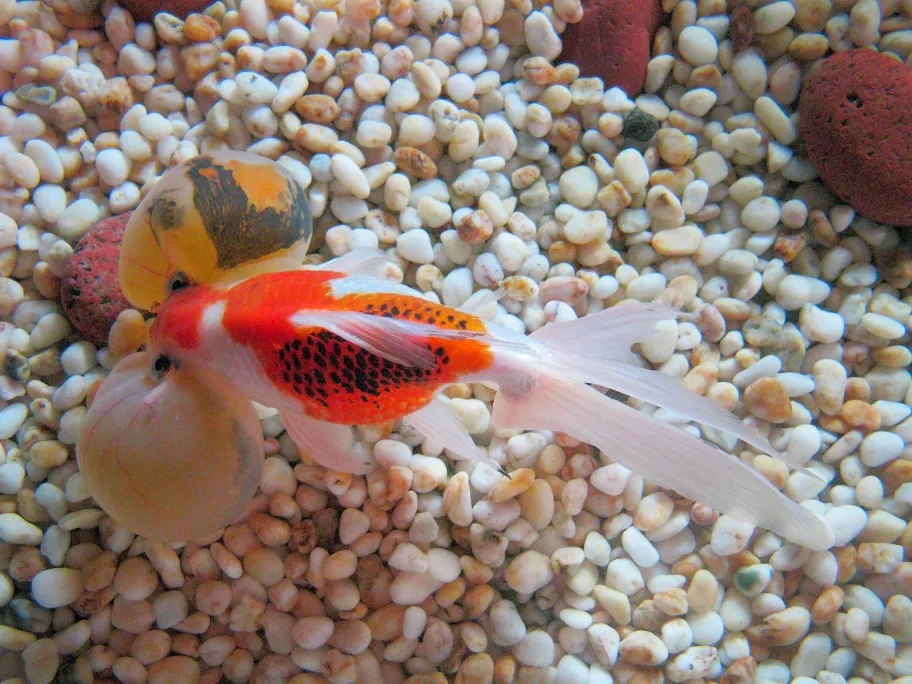
Bubble eye
Carassius auratus
5.9 in (15 cm) · 20 gal (75 L)