Arabian toothcarp
Aphanius dispar
Also known as Arabian Killifish
FreshwaterFish
Care at a glance
- Temperature
- 59–86°F
- 15–30°C
- pH
- 6.5–7.5
- Adult size
- 2.8 in
- 7 cm
- Minimum tank
- 30 gal
- 115 L
- Temperament
- Mostly peaceful
- Social behavior
- Social
- Tankmates
- With caution
- Swim level
- Middle
- Difficulty
- Difficult
- Breeding
- No record
- Rarity
- Very rare
- Family
- Cyprinodontidae
- Origin
- Northeast Africa
Overview
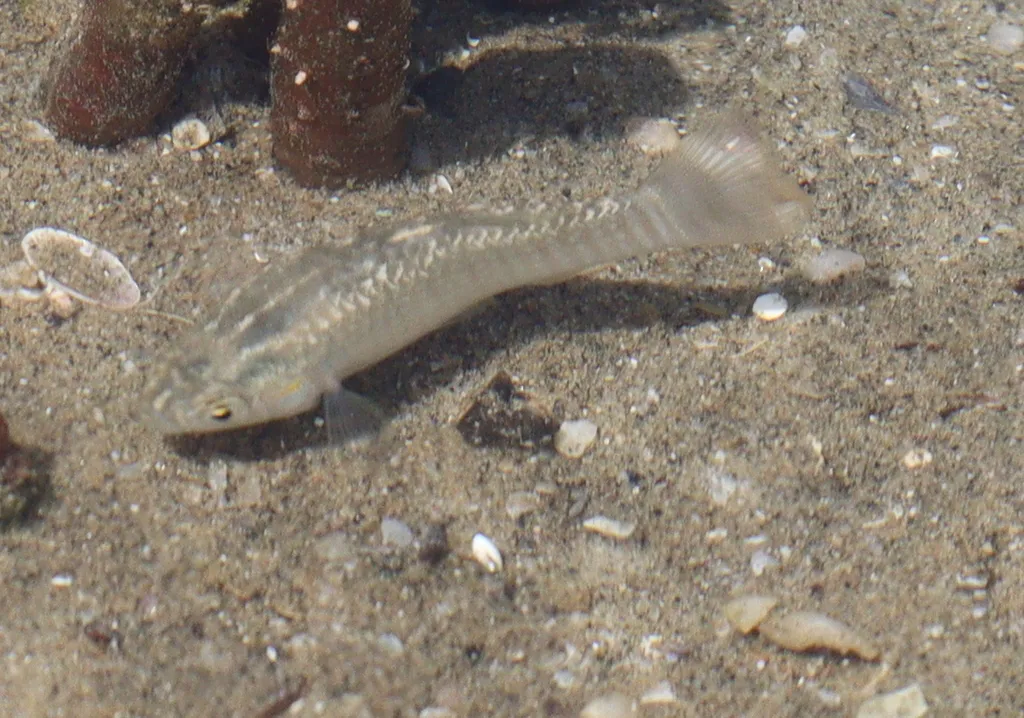
Keep the Arabian toothcarp in a group in a spacious tank, as it is an active, shoaling fish that shows its strongest color in numbers. Males display to one another and can squabble, so a larger group spreads out any aggression. Feed a varied diet of live and frozen foods such as brine shrimp, daphnia and bloodworms, along with some algae and vegetable matter, since wild fish graze on both animal and plant material. It occupies the middle of the tank and tolerates a very wide temperature range. A tank of 115 liters or larger keeps a group comfortable and stable.
In the wild
This toothcarp comes from coastal and inland waters around the Red Sea, the Arabian Peninsula and Northeast Africa, where it lives in springs, streams, estuaries and salt marshes. It is remarkably euryhaline, moving between fresh, brackish and even hypersaline water, though it is kept here in freshwater. Its habitats swing widely in temperature and it copes with anything from about 15 to 30 C. A tank with hardy plants, rockwork and steady, well oxygenated water suits it, with a pH held around 6.5 to 7.5.
Good to know
Aphanius dispar is a small member of the pupfish family Cyprinodontidae, reaching around 7 cm, with silvery, faintly barred flanks. It is famous for its salt tolerance, surviving in water several times saltier than the sea, which has made it a subject of physiology research. It is also used in some regions to control mosquito larvae. Little is documented about its aquarium breeding, but like its relatives it is an egg-scattering spawner that deposits eggs among fine plants rather than burying drought-proof eggs.
Did you know
The Arabian toothcarp can live in water ranging from pure freshwater to brine several times saltier than the ocean, one of the widest salinity tolerances known in any fish. That toughness has seen it introduced to wetlands as a natural check on mosquito larvae.
Common questions
What size tank does an Arabian toothcarp need?
An Arabian toothcarp needs at least 30 gal (115 L). It spends most of its time in the middle.
What temperature and pH does an Arabian toothcarp need?
An Arabian toothcarp is comfortable at 59–86°F (15–30°C) with a pH of 6.5–7.5.
How big does an Arabian toothcarp get?
An adult Arabian toothcarp reaches about 2.8 in (7 cm).
Related species
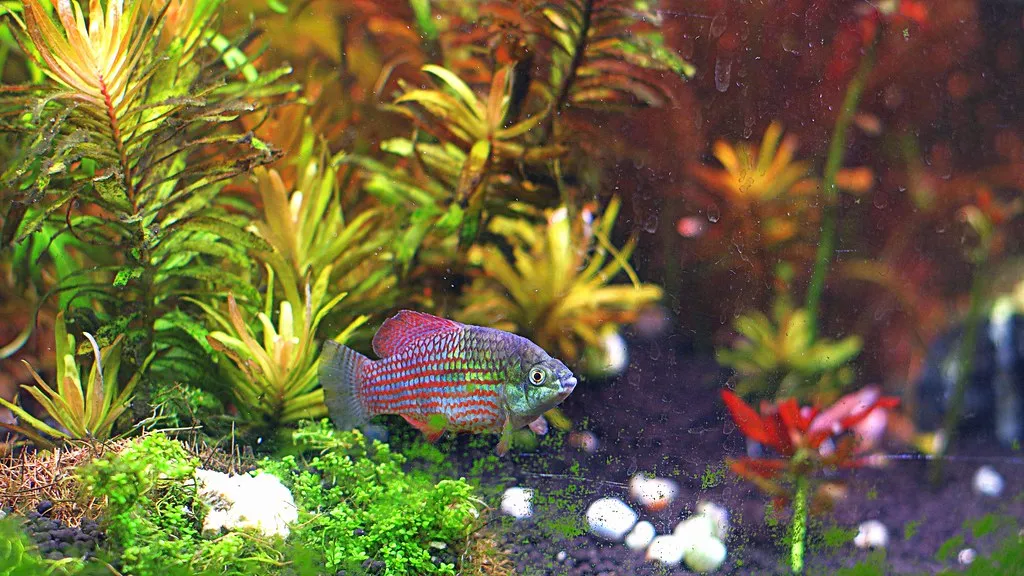 2.2 in (5.5 cm)18 gal (70 L)63–73°F (17–23°C)
American flagfish
Jordanella floridae
2.2 in (5.5 cm) · 18 gal (70 L)
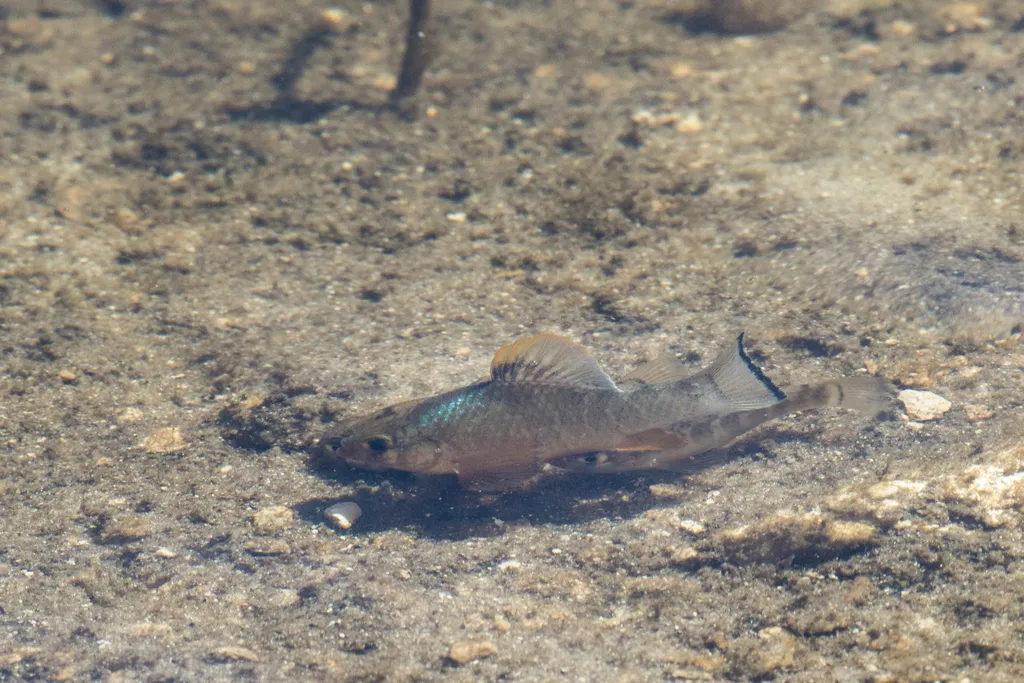 2.8 in (7 cm)26 gal (100 L)68–81°F (20–27°C)
Sheepshead minnow
Cyprinodon variegatus
2.8 in (7 cm) · 26 gal (100 L)
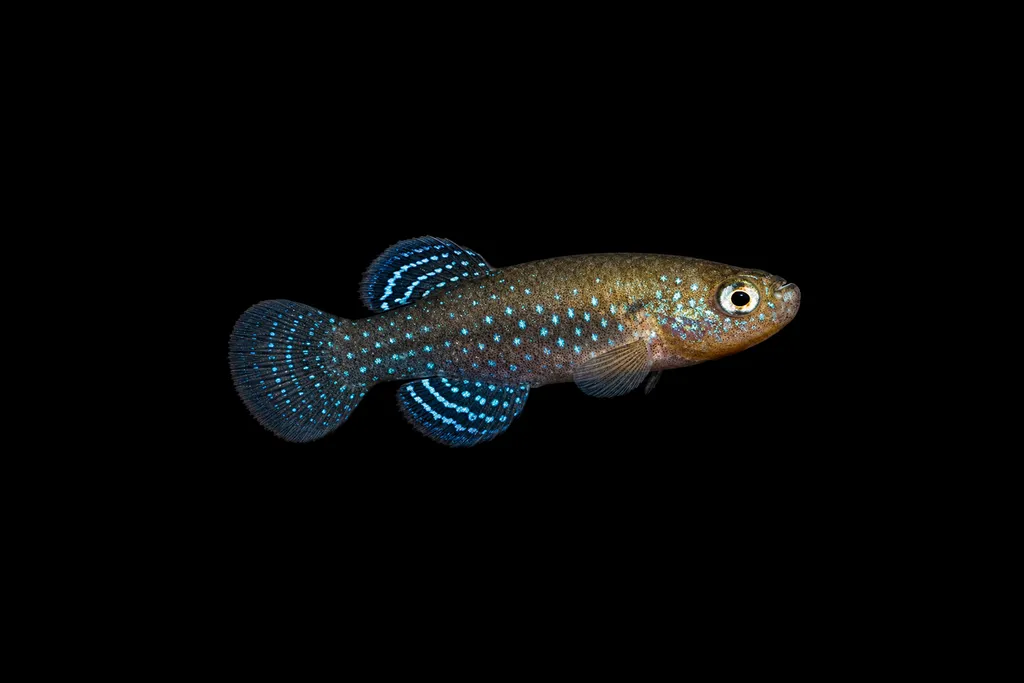 2.6 in (6.5 cm)29 gal (110 L)59–86°F (15–30°C)
Persian toothcarp
Paraphanius mento
2.6 in (6.5 cm) · 29 gal (110 L)
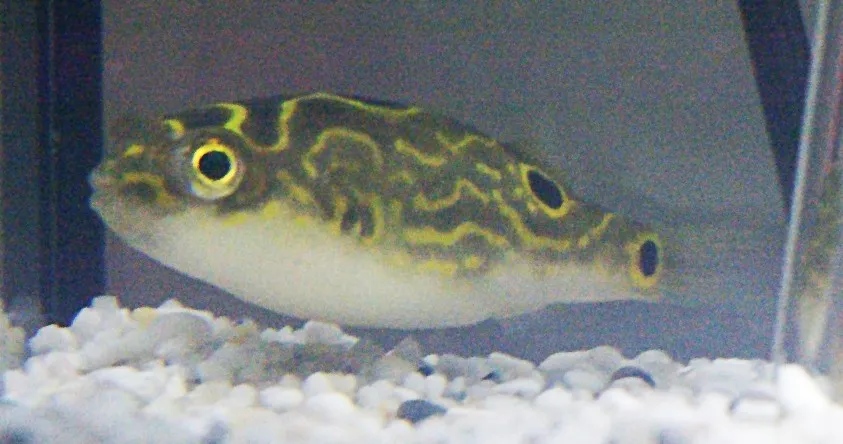 3.1 in (8 cm)20 gal (75 L)72–79°F (22–26°C)
Figure eight puffer
Tetraodon biocellatus
3.1 in (8 cm) · 20 gal (75 L)
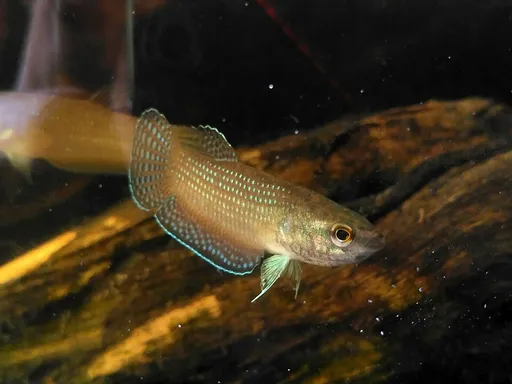 2.4 in (6 cm)20 gal (75 L)72–81°F (22–27°C)
Edith's betta
Betta edithae
2.4 in (6 cm) · 20 gal (75 L)
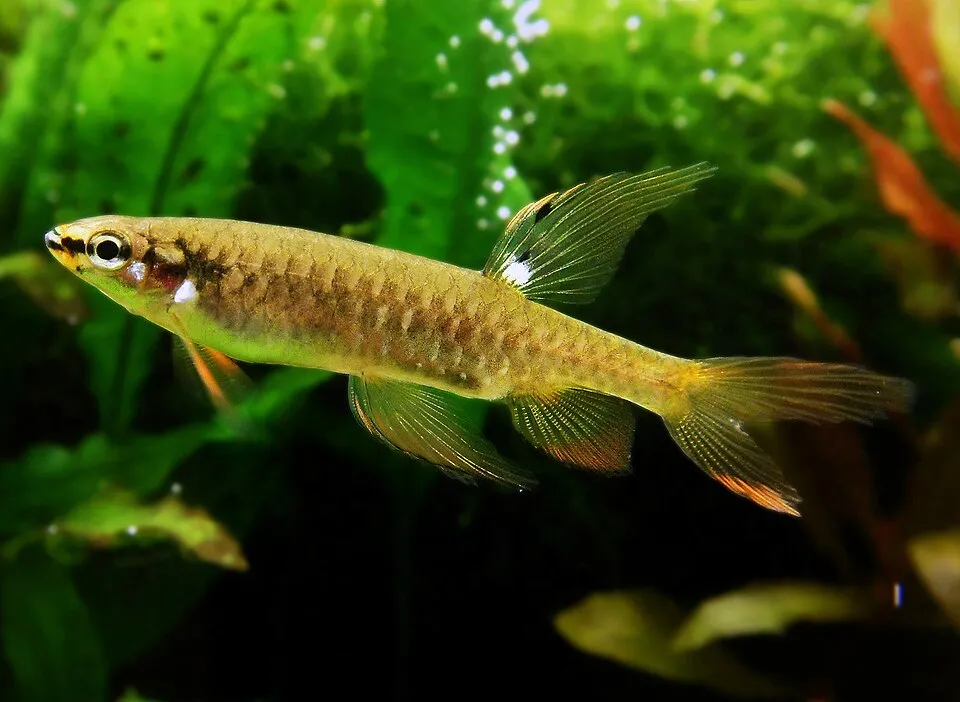 2.2 in (5.5 cm)18 gal (70 L)68–82°F (20–28°C)
Splash tetra
Copella arnoldi
2.2 in (5.5 cm) · 18 gal (70 L)