Goldbreast splitfin
Ilyodon furcidens
Also known as Goldbreast goodeid, Trout goodeid
FreshwaterFish
Care at a glance
- Temperature
- 64–79°F
- 18–26°C
- pH
- 7.0–8.0
- Adult size
- 3.9 in
- 10 cm
- Minimum tank
- 24 gal
- 90 L
- Temperament
- Mostly peaceful
- Social behavior
- Social
- Tankmates
- With caution
- Swim level
- Middle
- Difficulty
- Medium
- Breeding
- Easy
- Rarity
- Rare
- Family
- Goodeidae
- Origin
- Native to Pacific slope rivers of Colima, Jalisco, and Michoacan, Mexico, such as the Rio Armeria and Rio Coahuayana, in flowing, well oxygenated water.
Overview
Keep a group of six or more in a longer tank of 90 liters or larger at 18 to 26 C, pH 7.0 to 8.0, in medium hard to hard water with brisk flow. Feed a varied diet of vegetable flake, algae, and frozen foods such as daphnia and bloodworm. They are mostly peaceful but boisterous and fast, so pick tankmates that can handle active company. Males squabble but rarely cause real damage.
In the wild
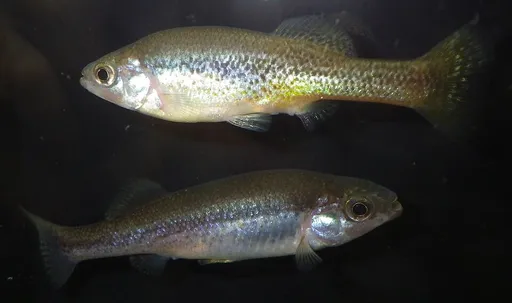
A streamlined, active goodeid built for current, so give it a longer tank with good flow and high oxygen. Males can show a golden to orange breast and yellow edged fins. They graze algae heavily in the wild and also chase small invertebrates. Open swimming lanes with some rockwork suit their fast, restless habits.
Good to know
Ilyodon furcidens is a matrotrophic livebearer whose fry develop with trophotaeniae and are born large and well formed. The genus is variable, and tooth and body shape differ between populations that mainly graze algae and those that feed more on invertebrates. Adults can reach about 10 cm.
Did you know
Their trout like shape and love of current are why hobbyists often call them trout goodeids.
Common questions
What size tank does a Goldbreast splitfin need?
A Goldbreast splitfin needs at least 24 gal (90 L). It spends most of its time in the middle.
What temperature and pH does a Goldbreast splitfin need?
A Goldbreast splitfin is comfortable at 64–79°F (18–26°C) with a pH of 7.0–8.0.
How big does a Goldbreast splitfin get?
An adult Goldbreast splitfin reaches about 3.9 in (10 cm).
Related species
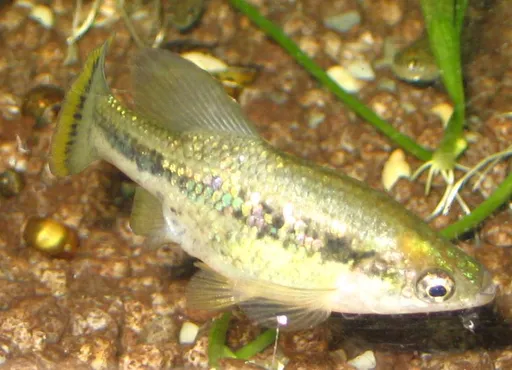 4.7 in (12 cm)24 gal (90 L)68–82°F (20–28°C)
Butterfly goodeid
Ameca splendens
4.7 in (12 cm) · 24 gal (90 L)
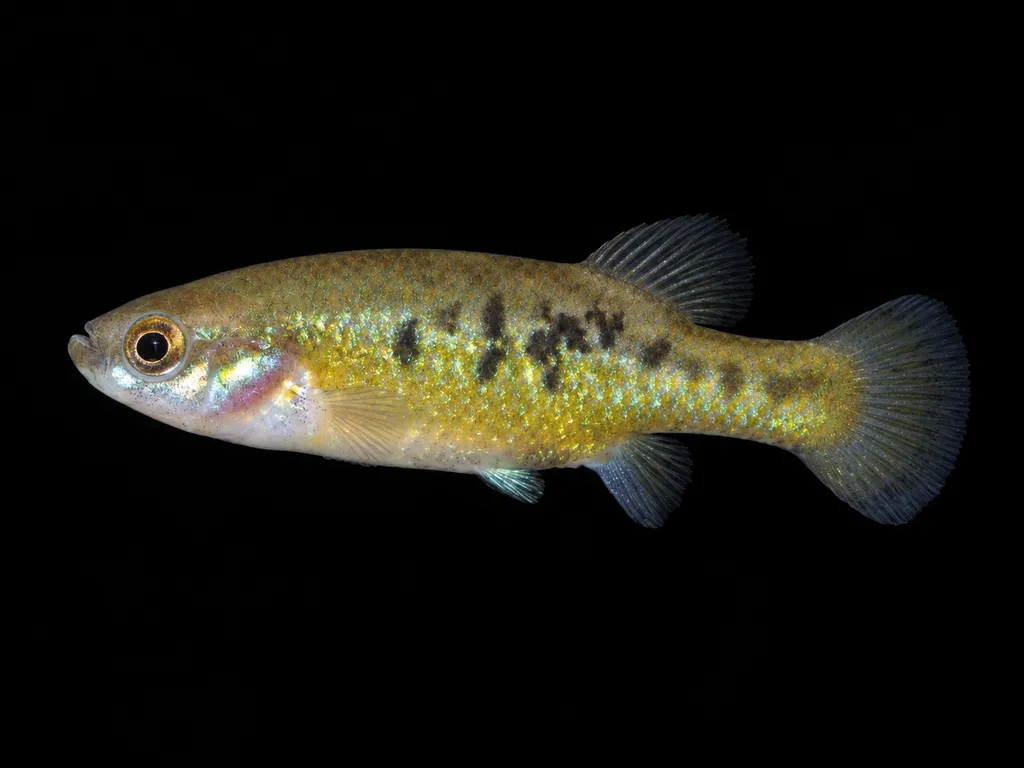 2.8 in (7 cm)20 gal (75 L)64–79°F (18–26°C)
Bumblebee goodeid
Allotoca dugesii
2.8 in (7 cm) · 20 gal (75 L)
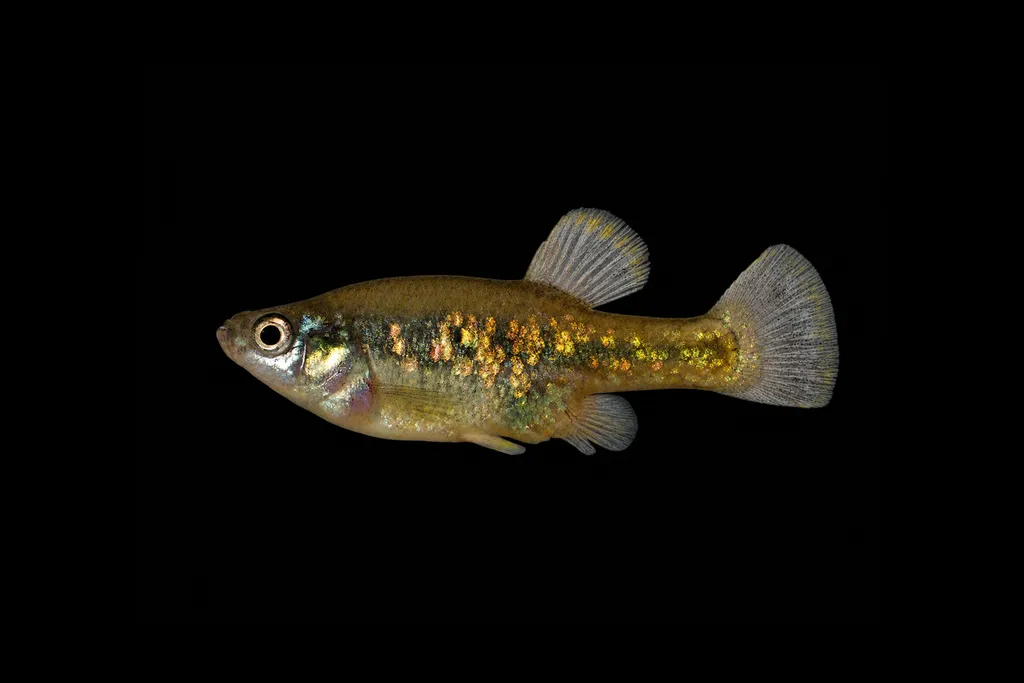 2.8 in (7 cm)20 gal (75 L)64–81°F (18–27°C)
Jeweled splitfin
Xenotoca variata
2.8 in (7 cm) · 20 gal (75 L)
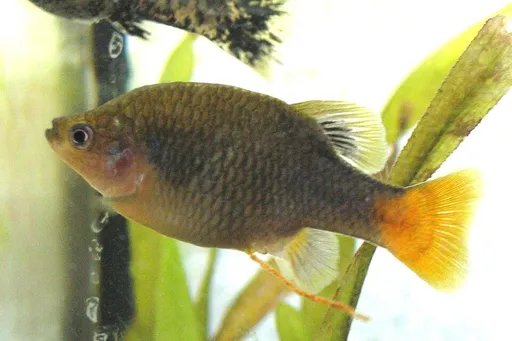 2.8 in (7 cm)20 gal (75 L)64–82°F (18–28°C)
Redtail splitfin
Xenotoca eiseni
2.8 in (7 cm) · 20 gal (75 L)
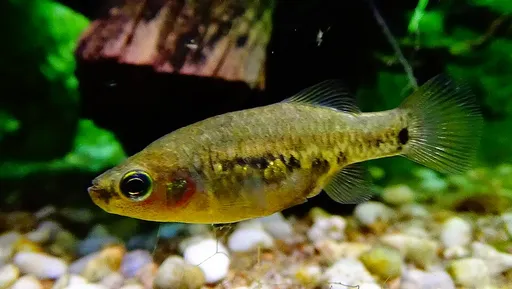 2.6 in (6.5 cm)20 gal (75 L)68–79°F (20–26°C)
Tequila splitfin
Zoogoneticus tequila
2.6 in (6.5 cm) · 20 gal (75 L)
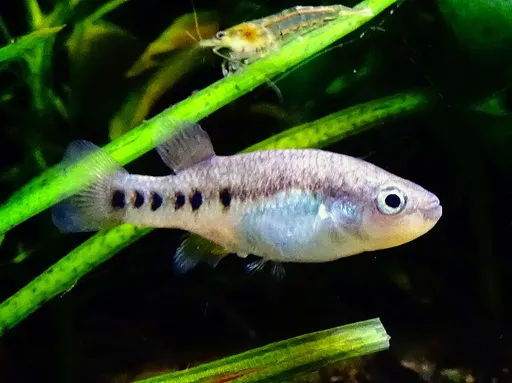 2.4 in (6 cm)15 gal (57 L)61–75°F (16–24°C)
Rainbow goodeid
Characodon lateralis
2.4 in (6 cm) · 15 gal (57 L)