River stone carp
Psilorhynchus sucatio
Also known as Sucatio torrent minnow, Nose loach
FreshwaterFish
Care at a glance
- Temperature
- 64–79°F
- 18–26°C
- pH
- 6.5–7.5
- Adult size
- 3.1 in
- 8 cm
- Minimum tank
- 26 gal
- 100 L
- Temperament
- Peaceful
- Social behavior
- Social
- Swim level
- Bottom
- Difficulty
- Medium
- Breeding
- No record
- Rarity
- Rare
- Family
- Psilorhynchidae
- Origin
- Ganges and Brahmaputra lowland streams, India and Bangladesh
Overview
The river stone carp is an easygoing, sociable bottom fish for a cool community tank with some flow. It suits a keeper with a little experience.
Did you know
The river stone carp was among the fishes recorded in Francis Hamilton's 1822 account of the fishes of the Ganges. That account was one of the earliest scientific surveys of Indian river fish. The species has been known to science for more than two centuries.
Caring for the river stone carp
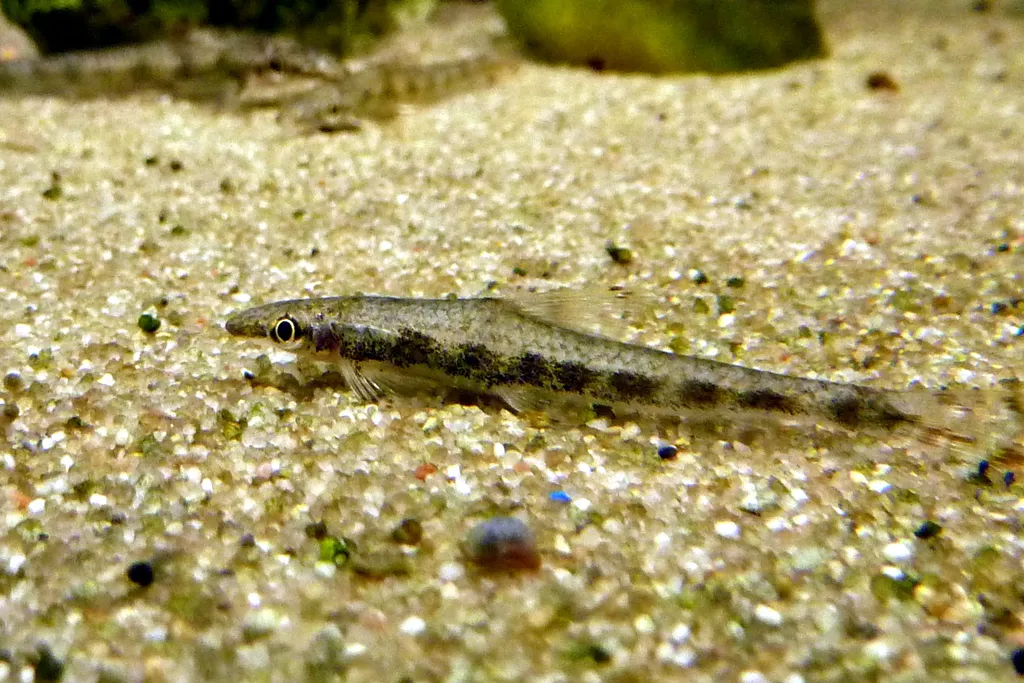
Keep several river stone carp together in a cooler community tank of 26 gal (100 L) or more, rather than one on its own. Give them a sandy bed with some smooth stones and roots, and a gentle current. They skim sand and gravel in the lower water, resting on their fins and then hopping to the next spot to inspect it.
They like flow and oxygen, and they do poorly in warm, still water. Hold the temperature at 64 to 79°F (18 to 26°C) and the pH at 6.5 to 7.5. Feed sinking foods and let plenty reach the floor. Micro pellets, sinking wafers and small frozen foods such as bloodworm and daphnia all suit them.
The river stone carp is peaceful and pairs well with other calm, current-loving fish. There is no established record of it breeding in the aquarium.
Good to know
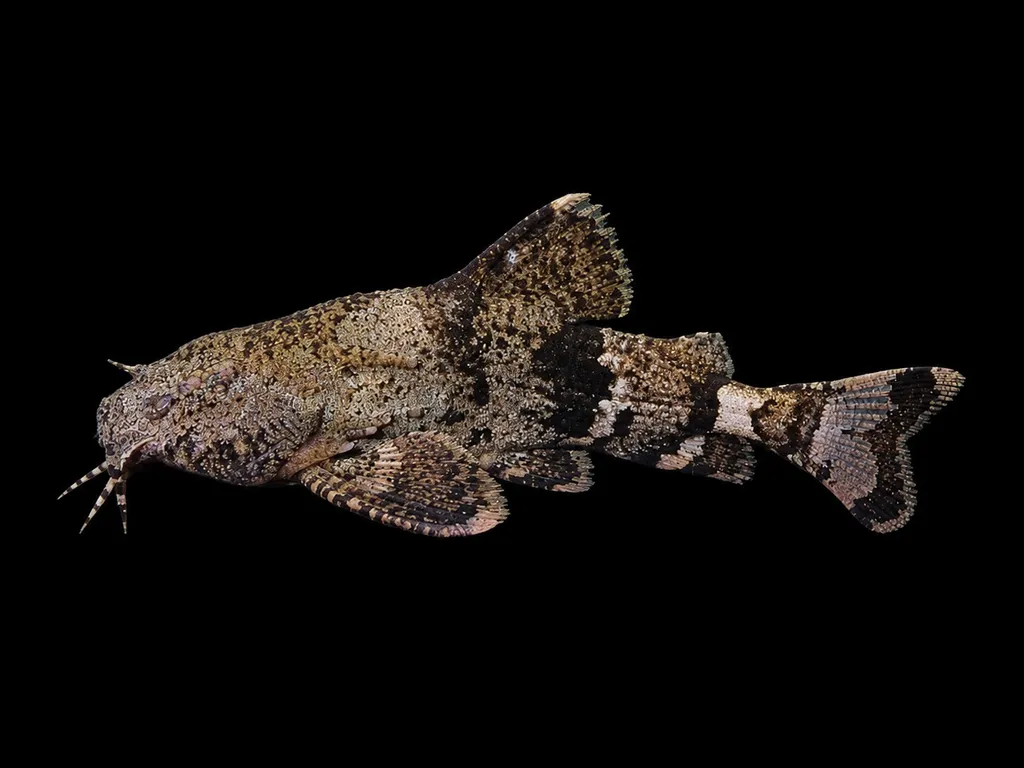
The river stone carp, Psilorhynchus sucatio, belongs to the torrent minnow family, Psilorhynchidae. It has a long snout and a flattened, sand-colored body. It is also known as the sucatio torrent minnow and the nose loach.
In the wild
The river stone carp ranges widely through the Ganges and Brahmaputra drainages of India, Bangladesh and Nepal. It is found most often over sand near overhanging or emergent plants, at the edges of streams. It takes flow but is less tied to fierce current than its torrent-dwelling relatives.
Weekly picks
Tank mates
The river stone carp is a peaceful, social species that keeps to the bottom. These picks share a community profile with it, are safe together in both directions, and overlap on water type, temperature and pH.
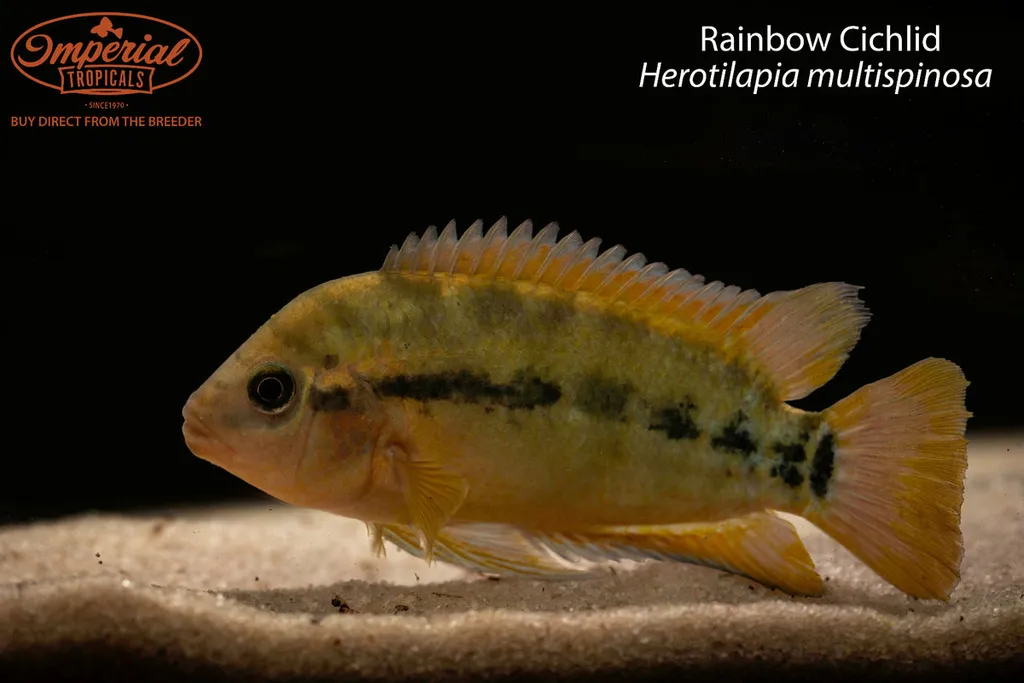
Rainbow cichlid
Herotilapia multispinosa
Freshwater6.3 in (16 cm) · 26 gal (100 L)72–82°F (22–28°C)
Wrestling halfbeak
Dermogenys pusilla
FreshwaterBrackish2.8 in (7 cm) · 25 gal (95 L)75–82°F (24–28°C)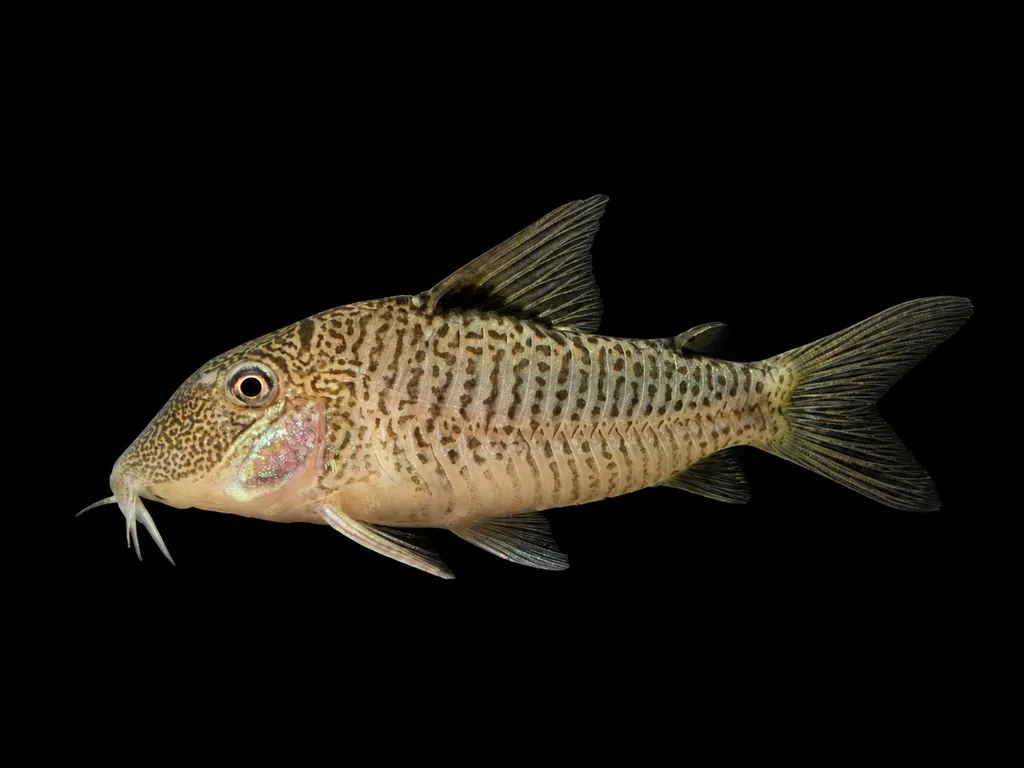
Geoffroy's cory
Corydoras geoffroy
Freshwater3 in (7.5 cm) · 26 gal (100 L)73–81°F (23–27°C)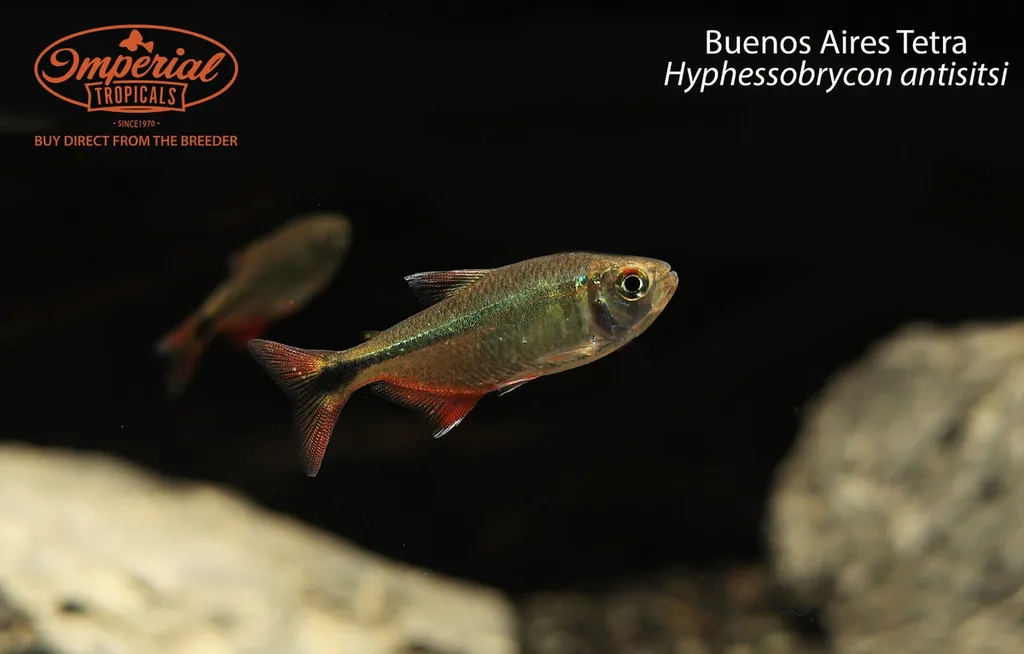
Buenos Aires tetra
Psalidodon anisitsi
Freshwater3 in (7.5 cm) · 25 gal (95 L)66–81°F (19–27°C)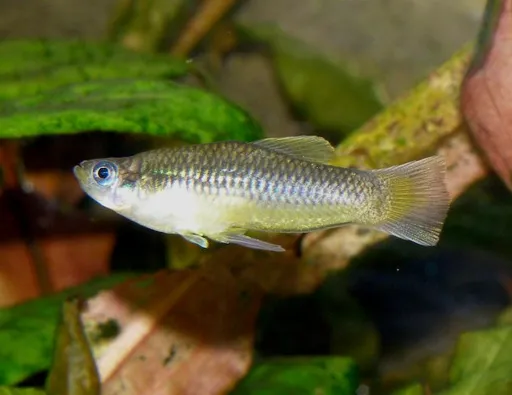
Blue-eyed livebearer
Priapella intermedia
Freshwater2.8 in (7 cm) · 24 gal (90 L)72–82°F (22–28°C)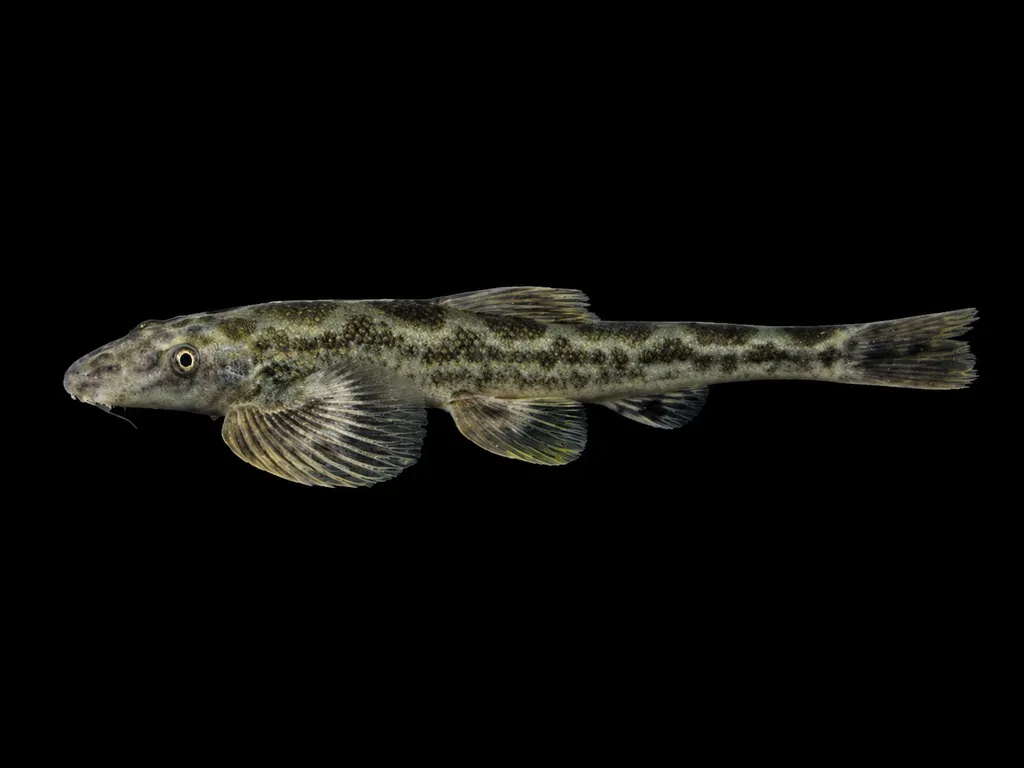
Burmese stone loach
Balitora burmanica
Freshwater3.9 in (10 cm) · 25 gal (95 L)68–79°F (20–26°C)
Common questions
What size tank does a river stone carp need?
A river stone carp needs at least 26 gal (100 L). It spends most of its time in the bottom.
What temperature and pH does a river stone carp need?
A river stone carp is comfortable at 64–79°F (18–26°C) with a pH of 6.5–7.5.
What does a river stone carp eat?
A river stone carp eats sinking foods such as micro pellets, sinking wafers and small frozen foods like bloodworm and daphnia. Let plenty of food reach the floor.
How big does a river stone carp get?
An adult river stone carp reaches about 3.1 in (8 cm).
Related species
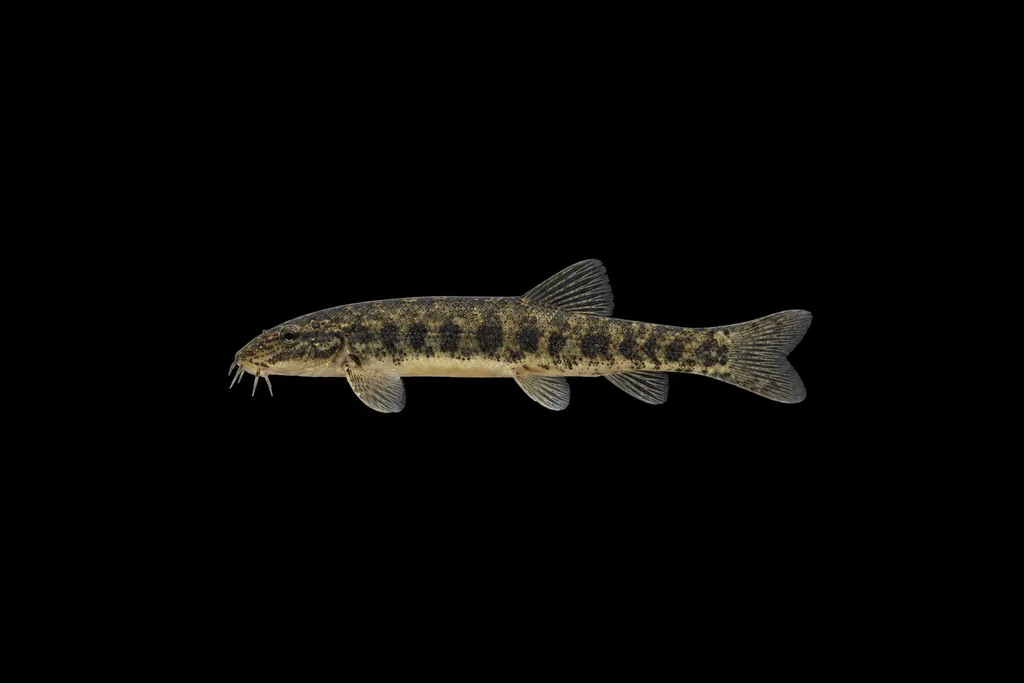 2.8 in (7 cm)26 gal (100 L)64–75°F (18–24°C)
Torrent loach
Psilorhynchus robustus
2.8 in (7 cm) · 26 gal (100 L)
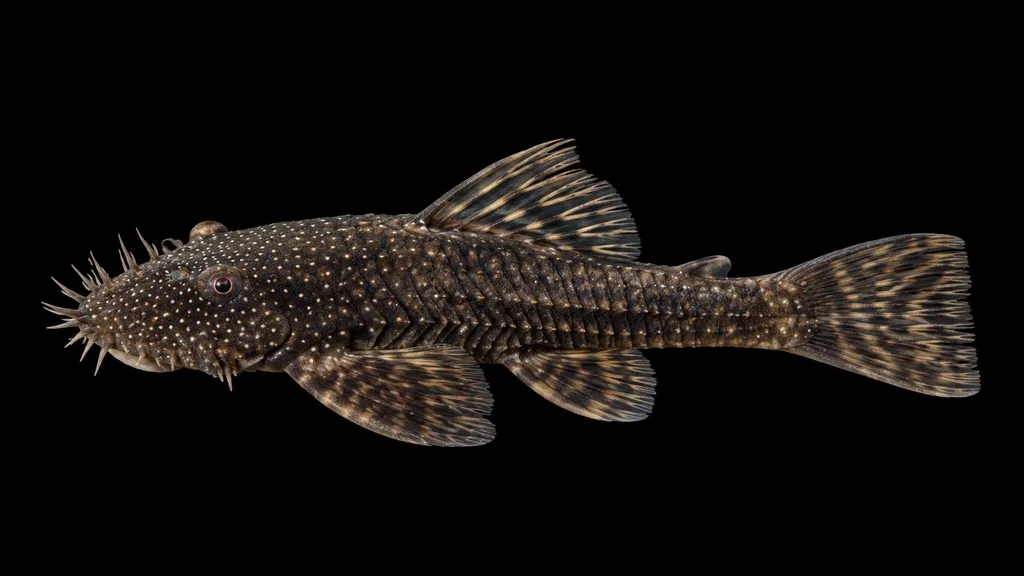 3.1 in (8 cm)29 gal (110 L)77–84°F (25–29°C)
Aguaboa bristlenose pleco
Ancistrus aguaboensis
3.1 in (8 cm) · 29 gal (110 L)
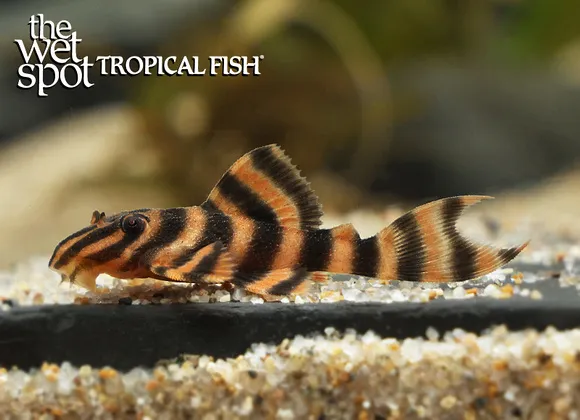 3.1 in (8 cm)42 gal (160 L)77–84°F (25–29°C)
Bloodred tiger pleco
Panaqolus claustellifer
3.1 in (8 cm) · 42 gal (160 L)
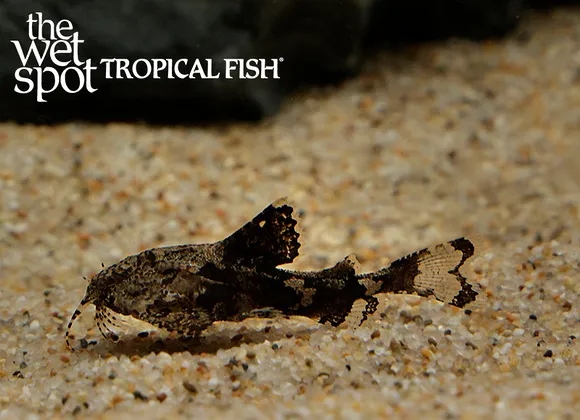 3.1 in (8 cm)14 gal (54 L)68–79°F (20–26°C)
Butterfly hara catfish
Hara hara
3.1 in (8 cm) · 14 gal (54 L)
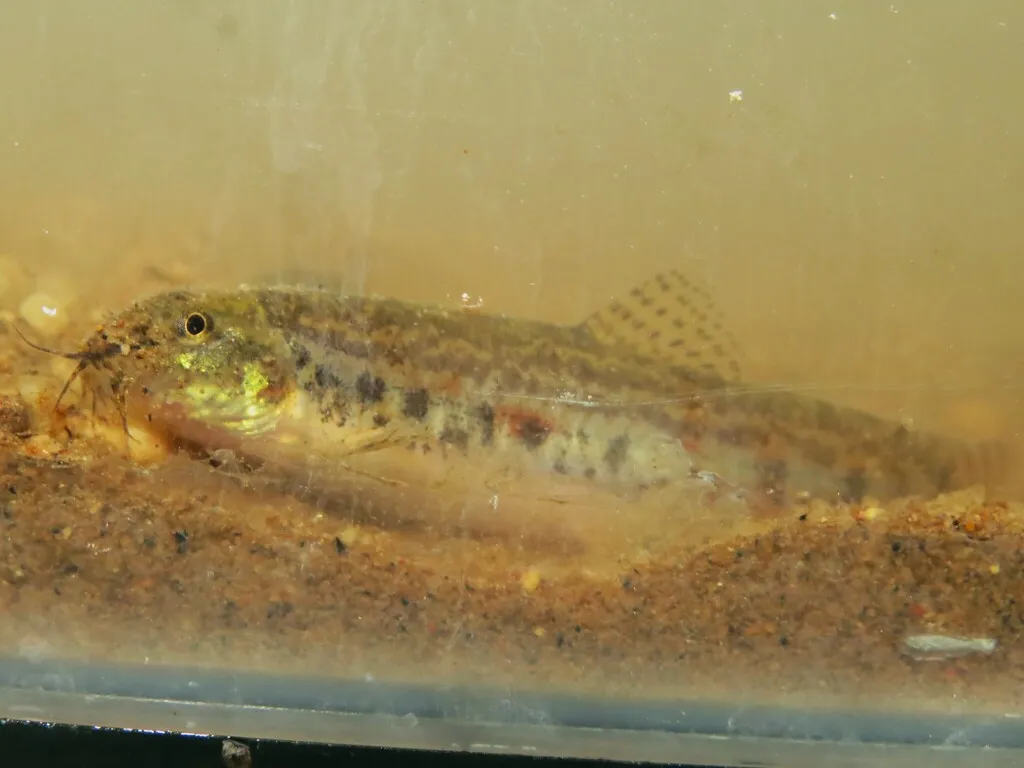 3.1 in (8 cm)20 gal (75 L)72–82°F (22–28°C)
Common spiny loach
Lepidocephalichthys thermalis
3.1 in (8 cm) · 20 gal (75 L)
 3.1 in (8 cm)14 gal (54 L)68–79°F (20–26°C)
Elongate moth catfish
Hara horai
3.1 in (8 cm) · 14 gal (54 L)