Stripefin eartheater
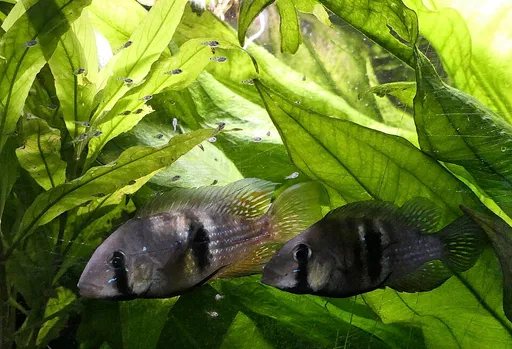
Gymnogeophagus rhabdotus
Also known as Striped-fin eartheater, Stripe-fin eartheater
FreshwaterFish
Care at a glance
- Temperature
- 64–79°F
- 18–26°C
- pH
- 6.5–7.5
- Adult size
- 5.9 in
- 15 cm
- Minimum tank
- 53 gal
- 200 L
- Temperament
- Mostly peaceful
- Social behavior
- Social
- Swim level
- Bottom
- Difficulty
- Easy
- Breeding
- Medium
- Rarity
- Rare
- Family
- Cichlidae
- Origin
- Subtropical Uruguay River drainage and the Laguna dos Patos basin of Uruguay, Argentina, and southern Brazil, on sandy and muddy margins of streams and lagoons.
Overview
Keep a group in a tank of at least 200 liters at 18 to 26 C and pH 6.5 to 7.5, and allow a cooler winter period. Provide a soft sand bottom for sifting. Feed sinking pellets, frozen foods, and live foods. It is mostly peaceful and does best kept in a group.
In the wild
The stripefin eartheater lives in the subtropical Uruguay River drainage and the Laguna dos Patos basin of Uruguay, Argentina, and southern Brazil. It occupies sandy and muddy margins of streams and lagoons. It is one of the hardiest, most cold-tolerant eartheaters. A tank with sand, wood, and a seasonal cool period suits it.
Good to know
Gymnogeophagus rhabdotus was described by Hensel in 1870 and reaches about 15 cm. It comes from cooler subtropical water and does best with a seasonal drop in temperature rather than constant tropical heat. Males show iridescent striping and spangling.
Did you know
It handles cooler water better than almost any other eartheater, so it can be kept in an unheated tank in a temperate room.
Weekly picks
Tank mates
Stripefin eartheater is a mostly peaceful, social species that keeps to the bottom. These picks share a community profile with it, are safe together in both directions, and overlap on water type, temperature and pH.
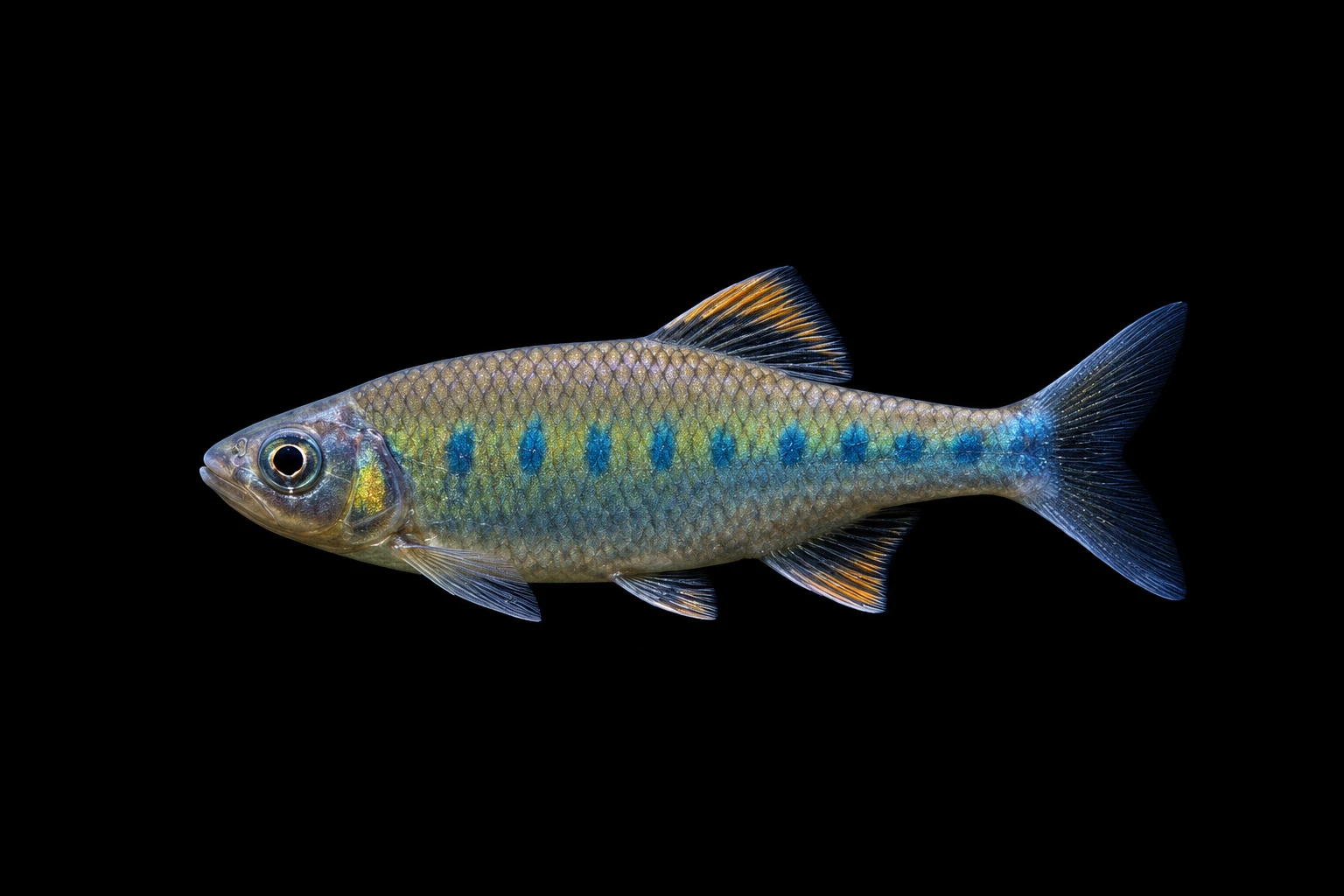
Blue spotted hill trout
Barilius bakeri
Freshwater5.1 in (13 cm) · 53 gal (200 L)64–79°F (18–26°C)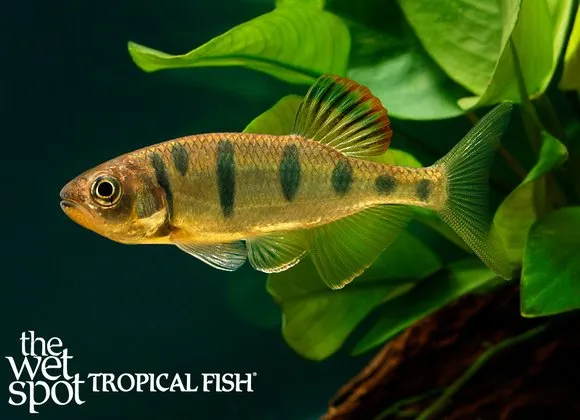
Jeweled baril
Opsarius pulchellus
Freshwater5.1 in (13 cm) · 53 gal (200 L)72–81°F (22–27°C)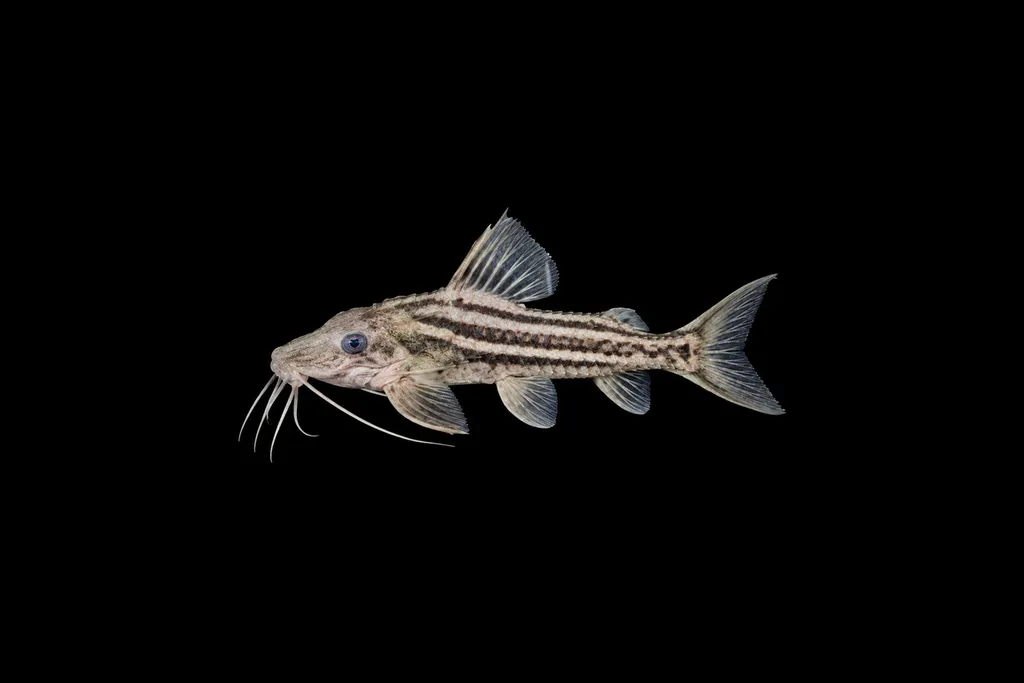
Hancock's talking catfish
Platydoras hancockii
Freshwater5.9 in (15 cm) · 53 gal (200 L)73–82°F (23–28°C)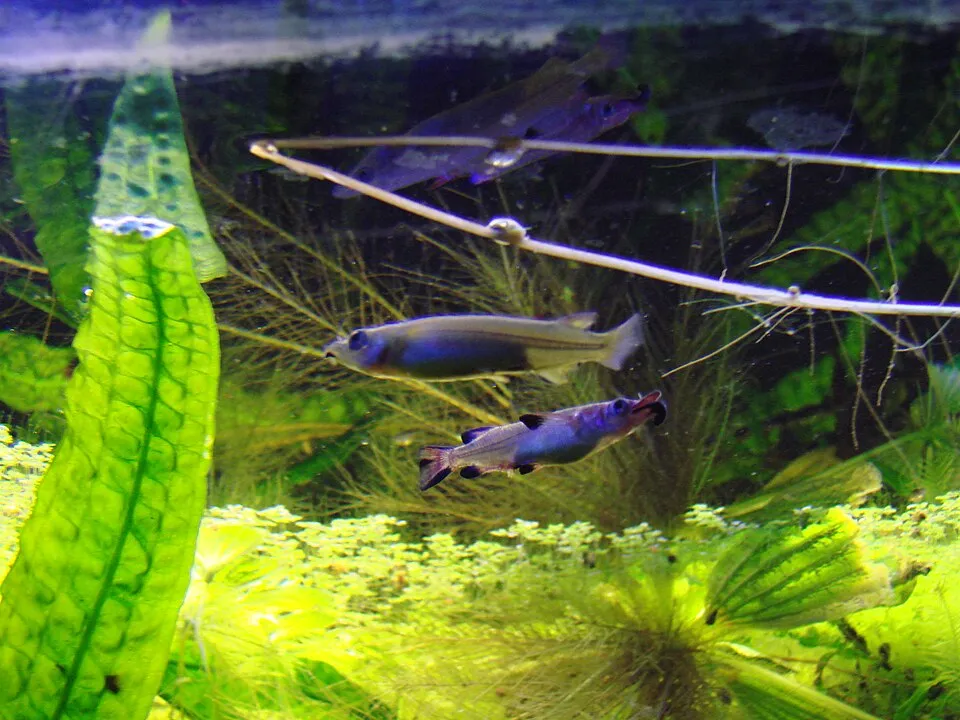
Celebes halfbeak
Nomorhamphus liemi
Freshwater3.5 in (9 cm) · 40 gal (150 L)68–77°F (20–25°C)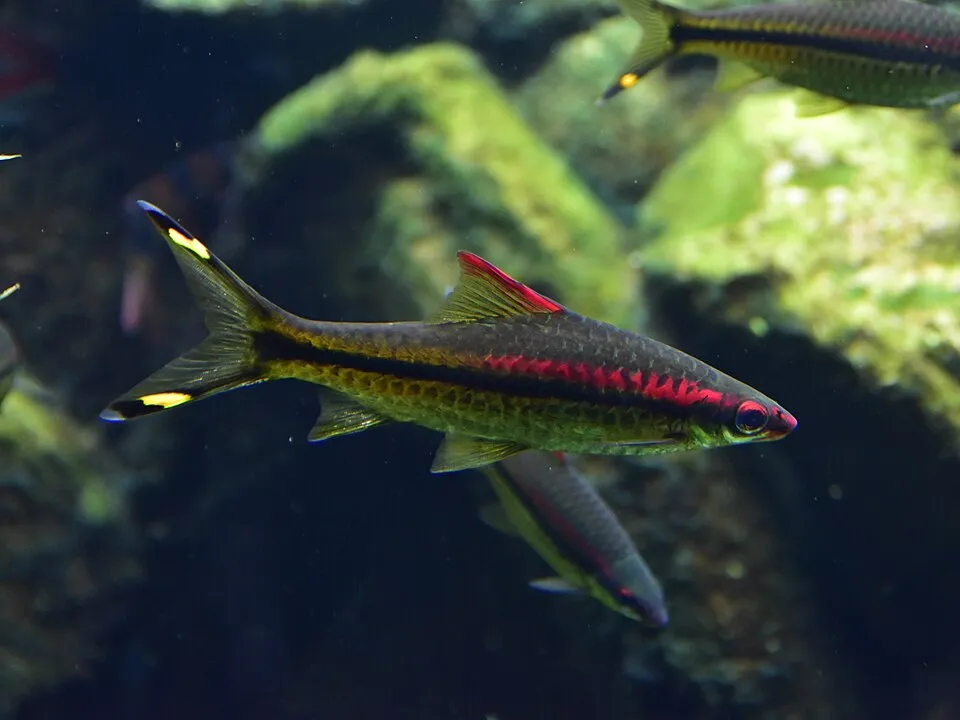
Redline torpedo barb
Sahyadria denisonii
Freshwater4.3 in (11 cm) · 53 gal (200 L)59–77°F (15–25°C)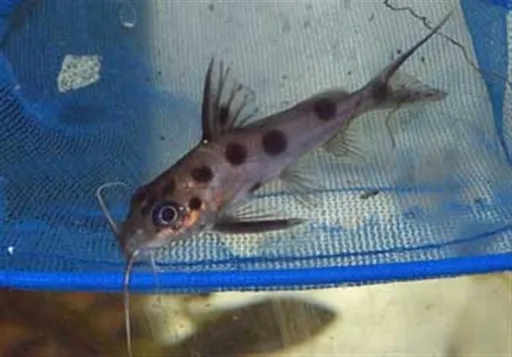
One-spot synodontis
Synodontis notatus
Freshwater9.8 in (25 cm) · 53 gal (200 L)72–81°F (22–27°C)
Common questions
What size tank does a Stripefin eartheater need?
A Stripefin eartheater needs at least 53 gal (200 L). It spends most of its time in the bottom.
What temperature and pH does a Stripefin eartheater need?
A Stripefin eartheater is comfortable at 64–79°F (18–26°C) with a pH of 6.5–7.5.
How big does a Stripefin eartheater get?
An adult Stripefin eartheater reaches about 5.9 in (15 cm).
Related species
- 6.1 in (15.5 cm)66 gal (250 L)61–79°F (16–26°C)
Uruguayan eartheater
Gymnogeophagus australis
6.1 in (15.5 cm) · 66 gal (250 L)
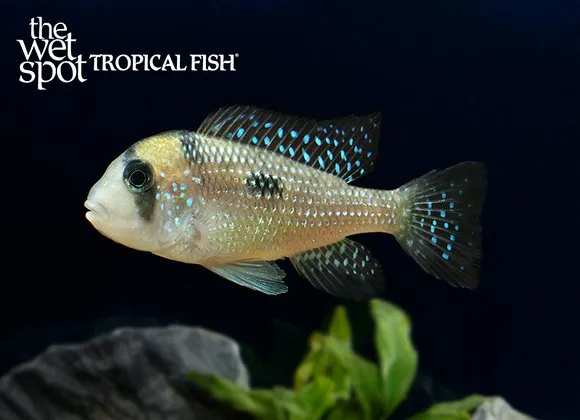 5.1 in (13 cm)66 gal (250 L)61–79°F (16–26°C)
Longbody eartheater
Gymnogeophagus mekinos
5.1 in (13 cm) · 66 gal (250 L)
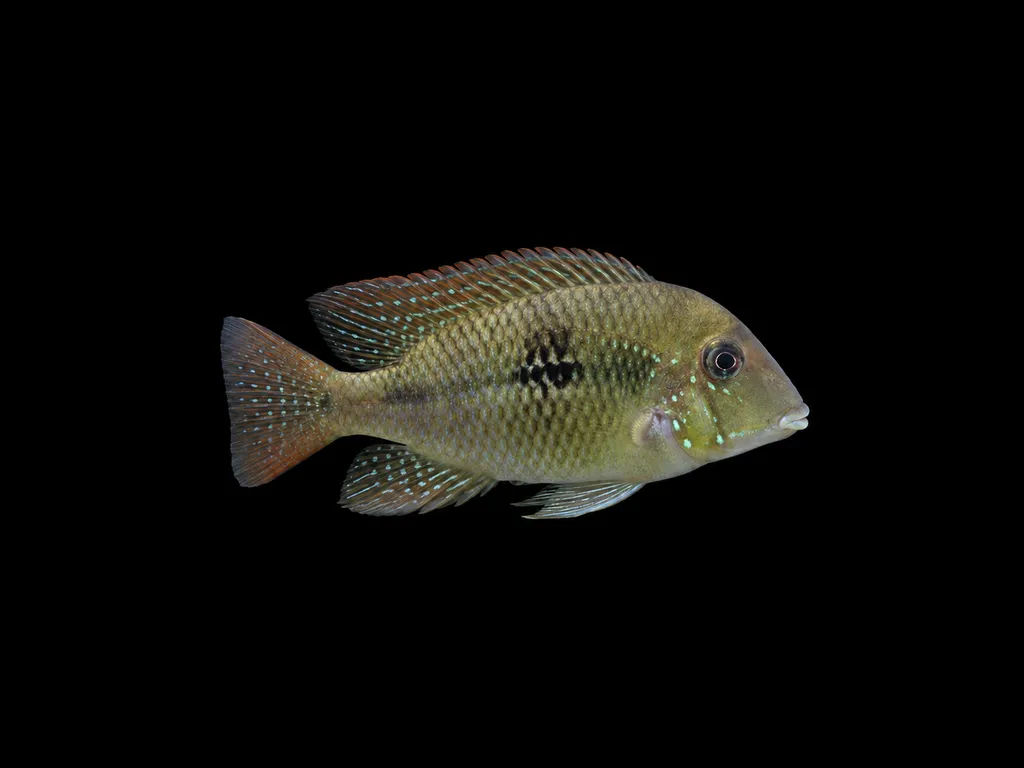 7.1 in (18 cm)79 gal (300 L)61–79°F (16–26°C)
Smoothcheek eartheater
Gymnogeophagus gymnogenys
7.1 in (18 cm) · 79 gal (300 L)
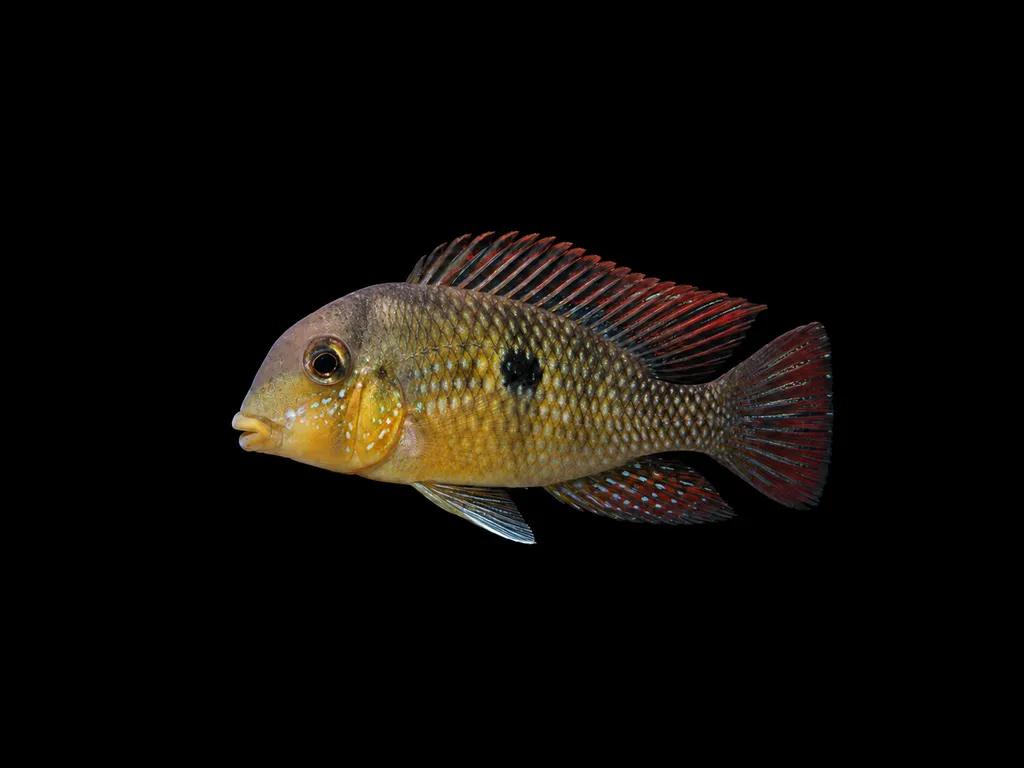 7.1 in (18 cm)79 gal (300 L)61–79°F (16–26°C)
Thicklip gymnogeophagus
Gymnogeophagus labiatus
7.1 in (18 cm) · 79 gal (300 L)
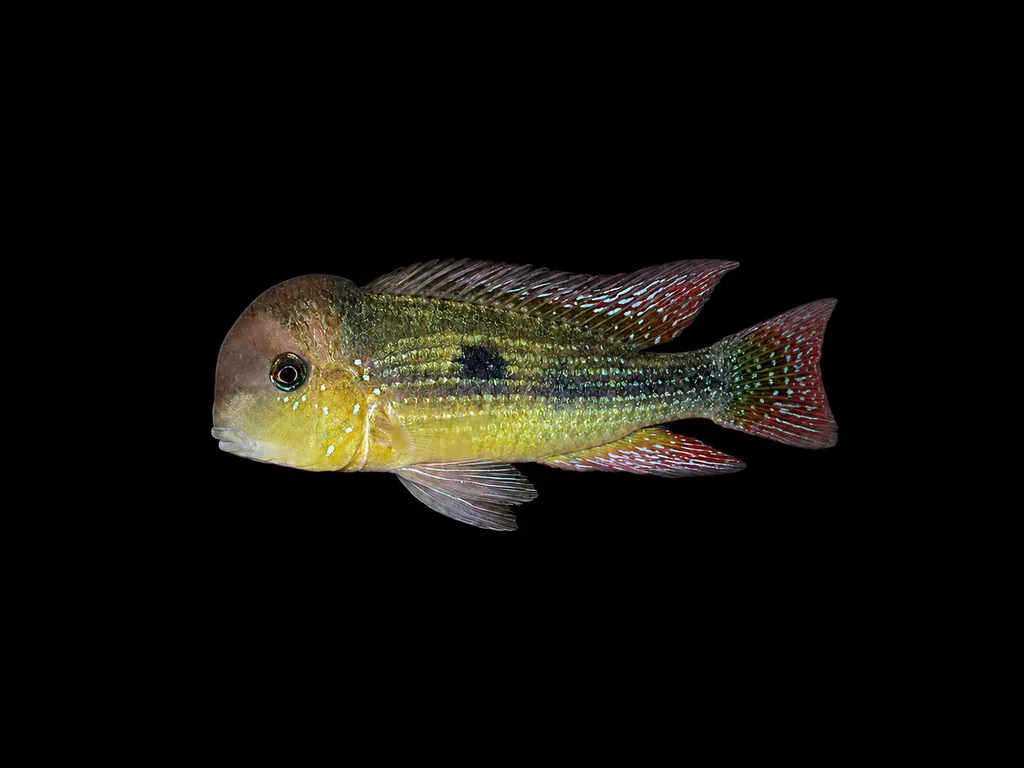 4.7 in (12 cm)66 gal (250 L)61–79°F (16–26°C)
Tiraparae eartheater
Gymnogeophagus tiraparae
4.7 in (12 cm) · 66 gal (250 L)
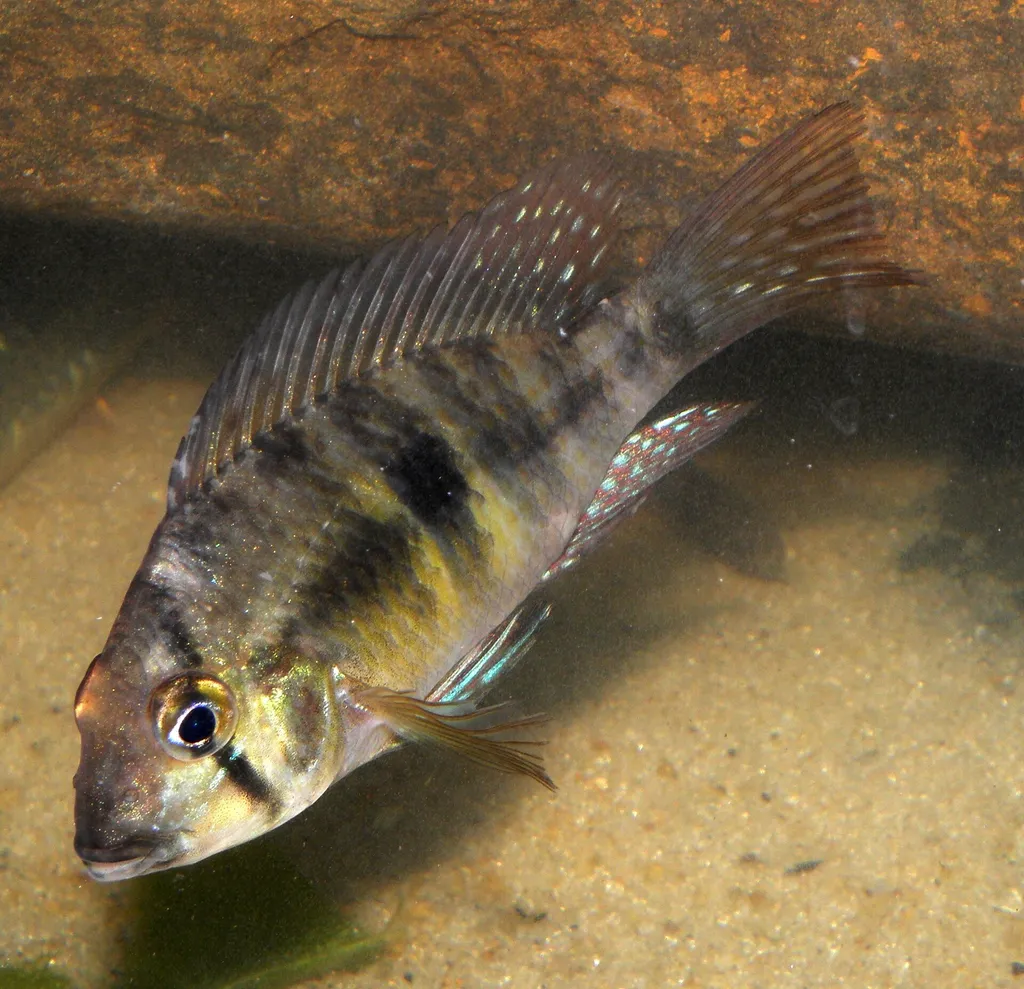 4.3 in (11 cm)53 gal (200 L)61–79°F (16–26°C)
Meridionalis eartheater
Gymnogeophagus meridionalis
4.3 in (11 cm) · 53 gal (200 L)