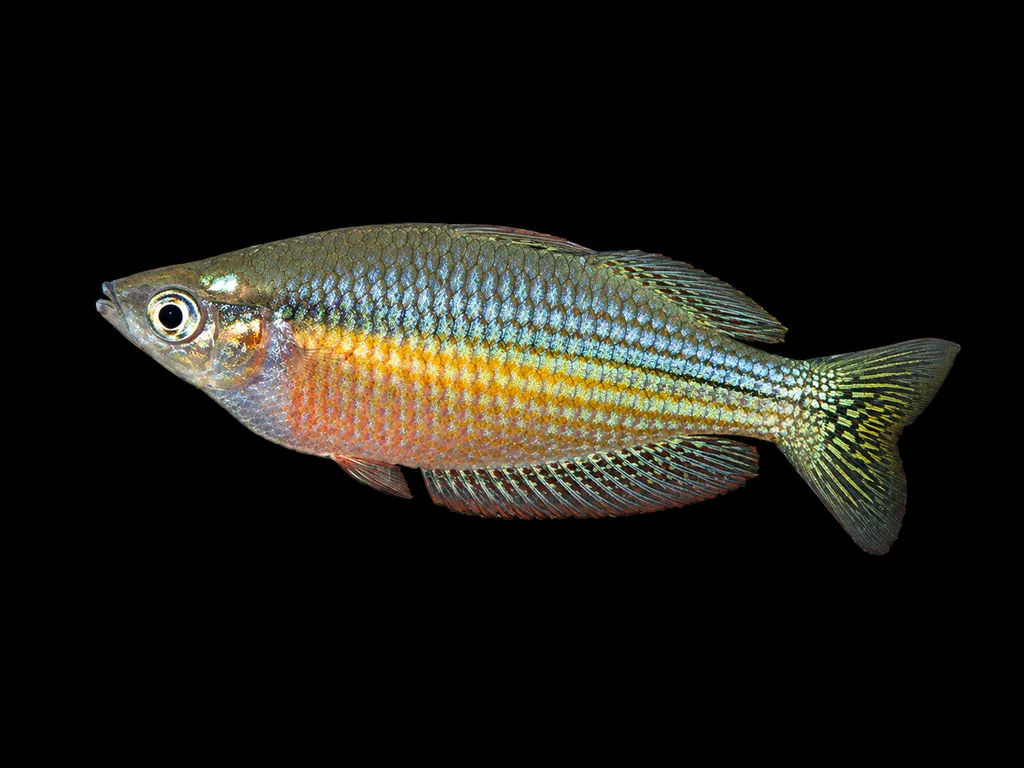
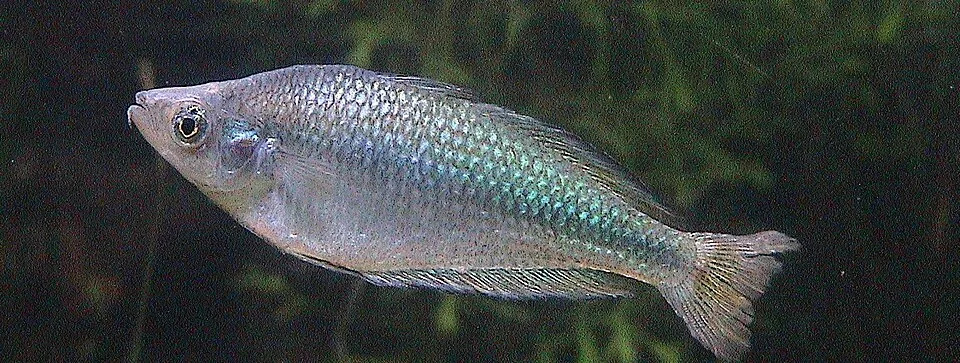
Desert rainbowfish
Melanotaenia splendida tatei
Also known as Tate's rainbowfish
FreshwaterFish
Care at a glance
- Temperature
- 64–86°F
- 18–30°C
- pH
- 6.8–8.2
- Adult size
- 3.9 in
- 10 cm
- Minimum tank
- 42 gal
- 160 L
- Temperament
- Peaceful
- Social behavior
- Schooling
- Swim level
- Middle
- Diet
- Omnivore
- Difficulty
- Easy
- Breeding
- Egg scatterer · Easy
- Rarity
- Rare
- Family
- Melanotaeniidae
- Origin
- Lake Eyre and Bulloo drainages, central Australia
Overview
The desert rainbowfish is the toughest of the rainbowfishes, an adaptable, peaceful schooler for a community tank. It makes a good first fish.
Did you know
Desert rainbowfish populations survive in isolated desert waterholes that may bake for years between floods. They breed heavily when the rains finally come. That makes the fish a favorite subject for scientists studying how animals cope with extreme, unpredictable water.
Caring for the desert rainbowfish
Keep desert rainbowfish in a group of six or more for natural shoaling and the best male color. An active group needs a tank of at least 42 gal (160 L), with open water for swimming. A sandy bottom with some rock and wood suits them.
They shrug off a wide range of conditions, from 64 to 86°F (18 to 30°C) and a pH of 6.8 to 8.2. They tolerate cooler rooms and hard water that would trouble tropical species. In a warm room, they do not strictly need a heater.
Desert rainbowfish eat almost anything offered, from flake and granules to frozen bloodworm and daphnia. Give them some green food as well. Pair them with other hardy, peaceful community fish of a similar size.
Breeding them is easy. Groups spawn heavily when conditions improve, scattering sticky eggs on plants and mops. The fry are hardy by rainbowfish standards.
Good to know
Melanotaenia splendida tatei is the inland subspecies of the splendid rainbowfish complex, in the family Melanotaeniidae. It endures temperature and salinity swings that would kill most rainbowfishes. It is also known as Tate's rainbowfish.
In the wild
The desert rainbowfish lives in the boom-and-bust rivers and waterholes of central Australia's Lake Eyre and Bulloo basins. These harsh, sun-baked waters can be cool at night and very warm by day, and they run hard and alkaline.
Weekly picks
Tank mates
The desert rainbowfish is a peaceful, schooling species that keeps to the middle. These picks share a community profile with it, are safe together in both directions, and overlap on water type, temperature and pH.
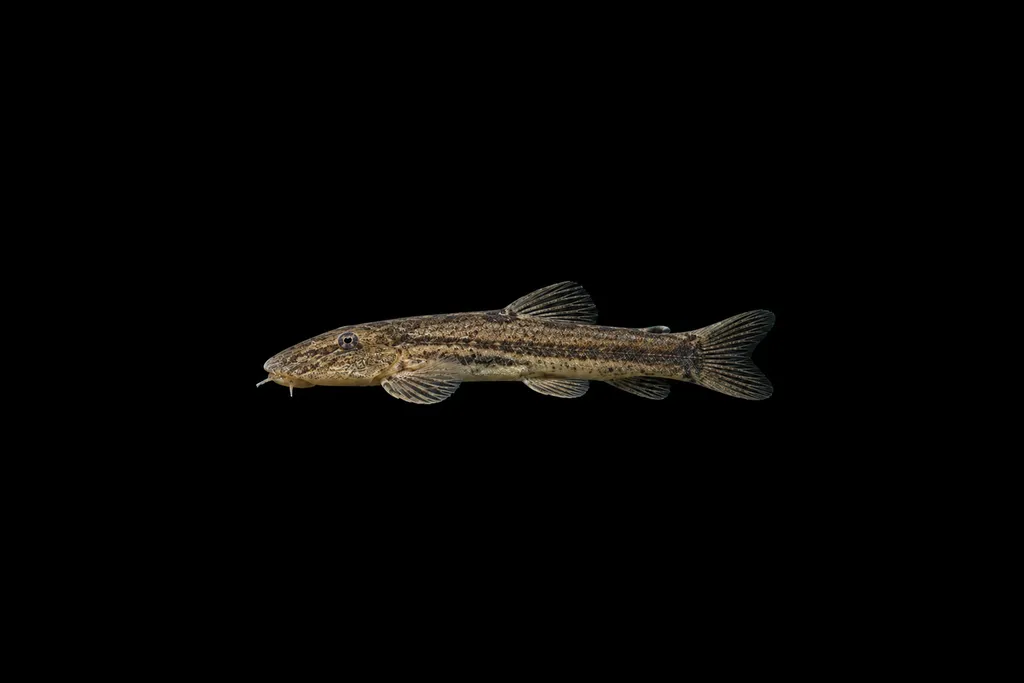
Torrent catfish
Glyptothorax dorsalis
Freshwater5.9 in (15 cm) · 42 gal (160 L)68–79°F (20–26°C)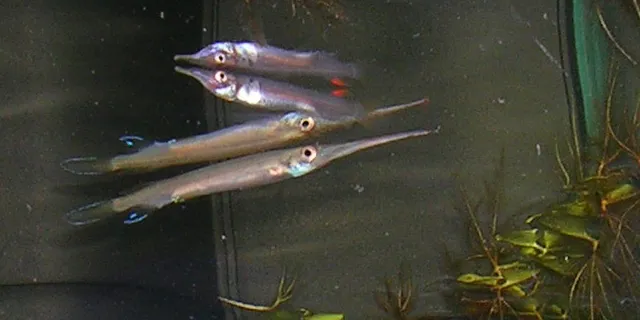
Forest halfbeak
Hemirhamphodon pogonognathus
Freshwater3.5 in (9 cm) · 34 gal (130 L)75–82°F (24–28°C)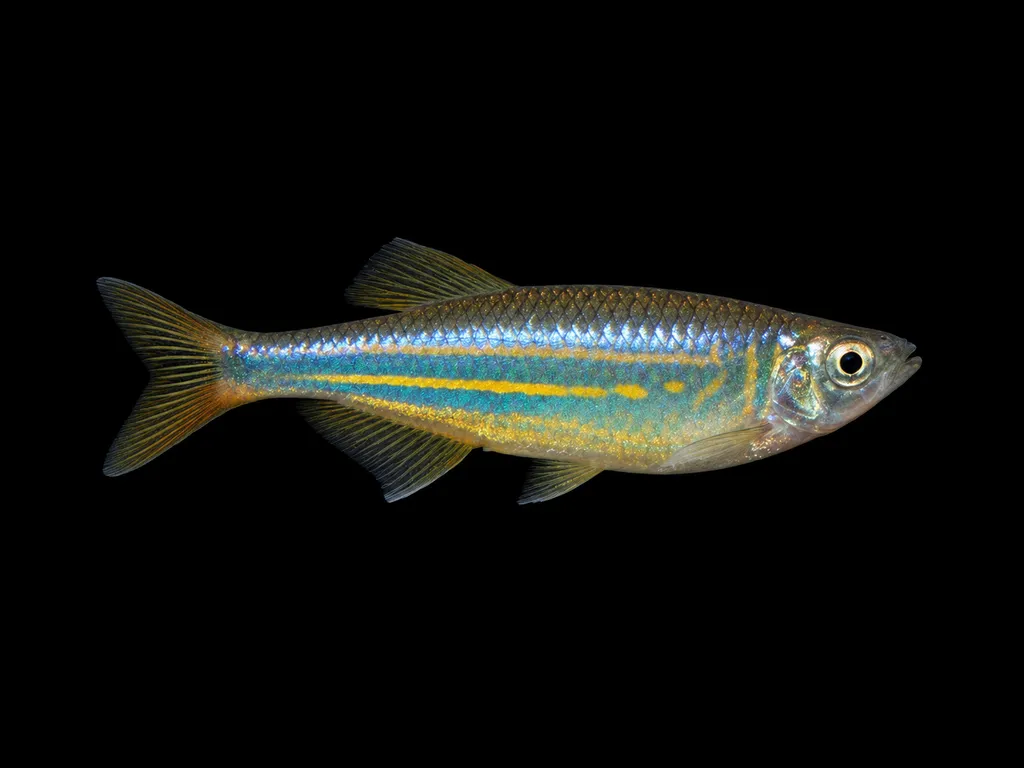
Annandale danio
Devario annandalei
Freshwater4.3 in (11 cm) · 42 gal (160 L)68–79°F (20–26°C)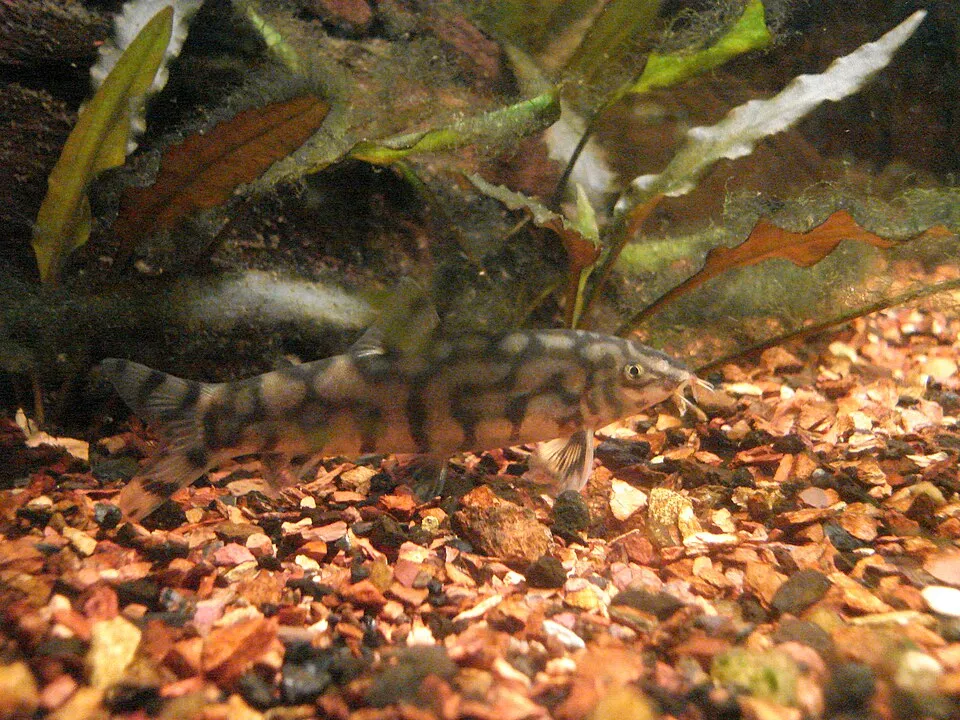
Yoyo loach
Botia almorhae
Freshwater6.3 in (16 cm) · 42 gal (160 L)66–81°F (19–27°C)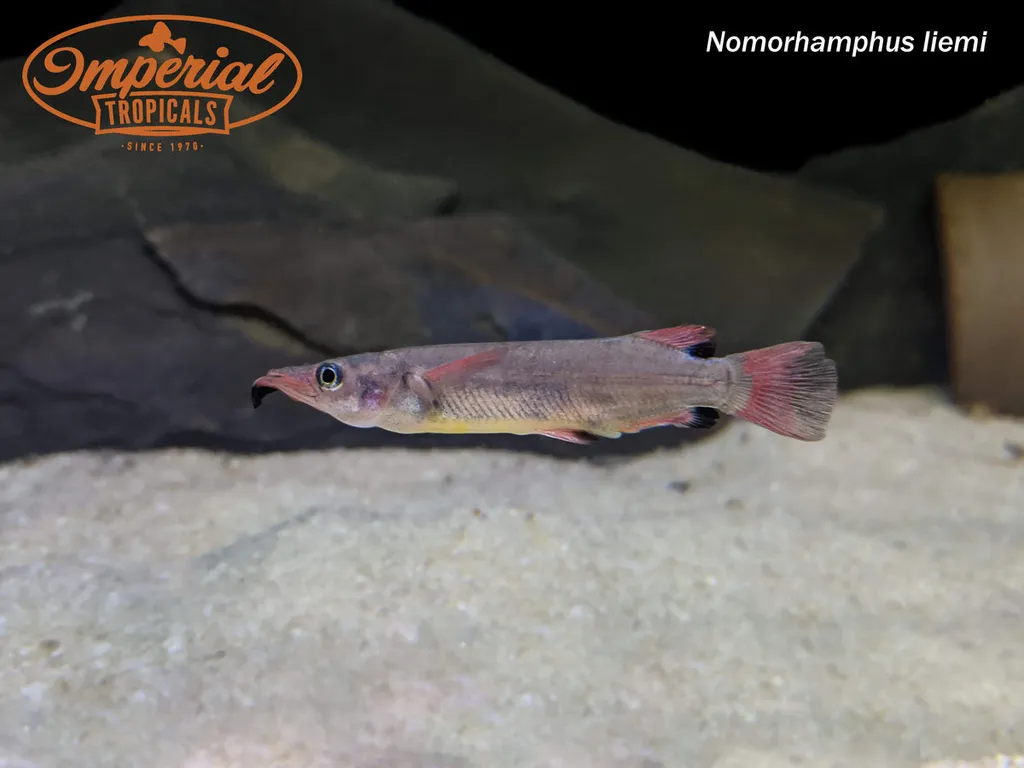
Celebes halfbeak
Nomorhamphus liemi
Freshwater3.5 in (9 cm) · 40 gal (150 L)68–77°F (20–25°C)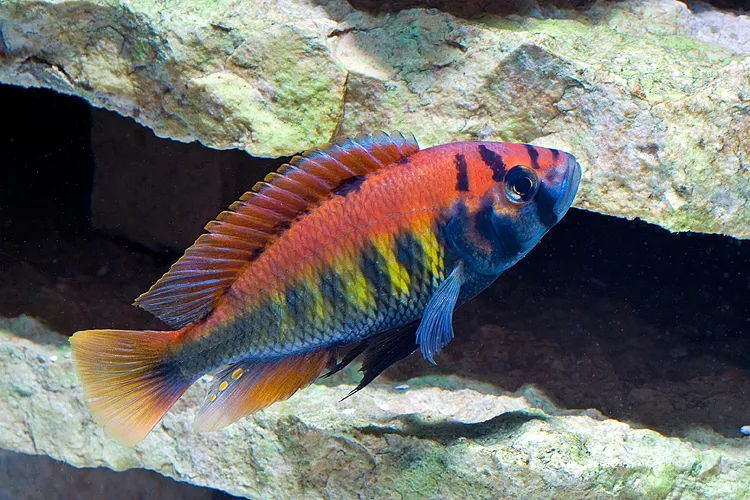
Flameback cichlid
Pundamilia nyererei
Freshwater3.5 in (9 cm) · 42 gal (160 L)73–81°F (23–27°C)
Common questions
What size tank does a desert rainbowfish need?
A desert rainbowfish needs at least 42 gal (160 L). It spends most of its time in the middle.
What temperature and pH does a desert rainbowfish need?
A desert rainbowfish is comfortable at 64–86°F (18–30°C) with a pH of 6.8–8.2.
What does a desert rainbowfish eat?
A desert rainbowfish eats almost anything offered, from flake and granules to frozen bloodworm and daphnia. Give it some green food as well.
How big does a desert rainbowfish get?
An adult desert rainbowfish reaches about 3.9 in (10 cm).
Does a desert rainbowfish need a group?
Yes. A desert rainbowfish is a schooling species and should be kept in a group, not singly.
Related species
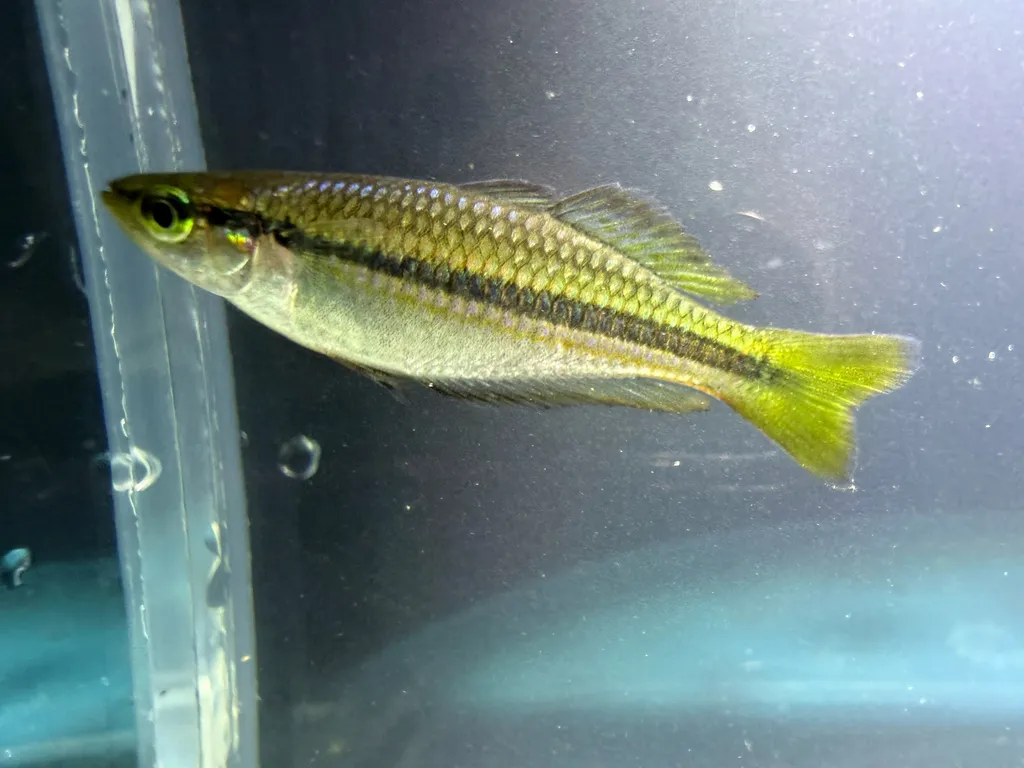 3.9 in (10 cm)32 gal (120 L)72–82°F (22–28°C)
Black-banded rainbowfish
Melanotaenia nigrans
3.9 in (10 cm) · 32 gal (120 L)
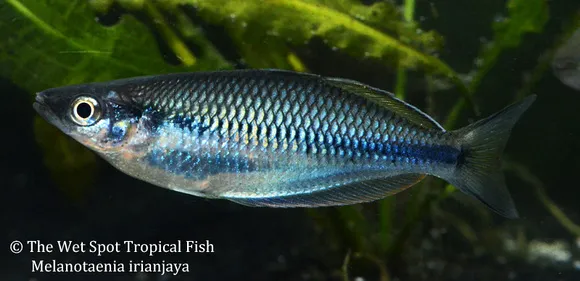 3.9 in (10 cm)42 gal (160 L)75–84°F (24–29°C)
Irian Jaya rainbowfish
Melanotaenia irianjaya
3.9 in (10 cm) · 42 gal (160 L)
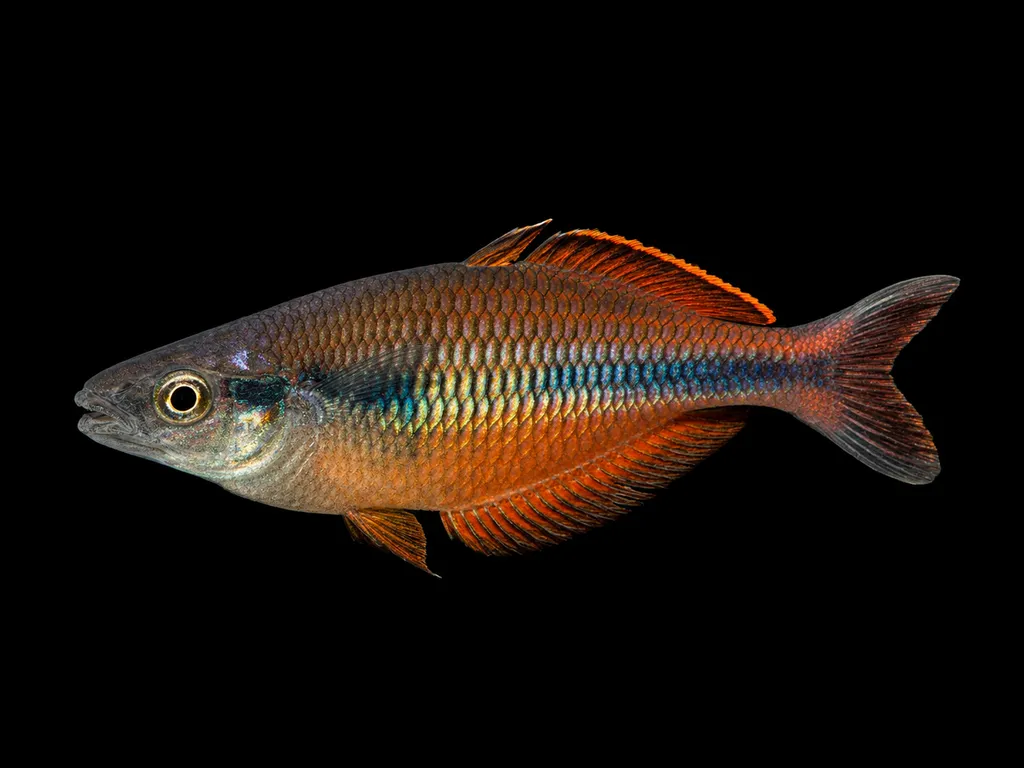 4.2 in (10.6 cm)42 gal (160 L)75–84°F (24–29°C)
Klasio rainbowfish
Melanotaenia klasioensis
4.2 in (10.6 cm) · 42 gal (160 L)
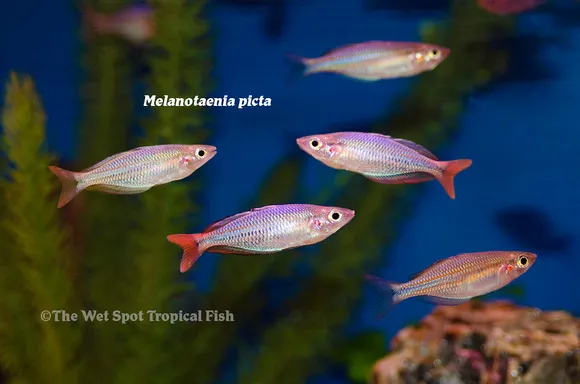 4.2 in (10.7 cm)29 gal (110 L)77–86°F (25–30°C)
Painted rainbowfish
Melanotaenia picta
4.2 in (10.7 cm) · 29 gal (110 L)
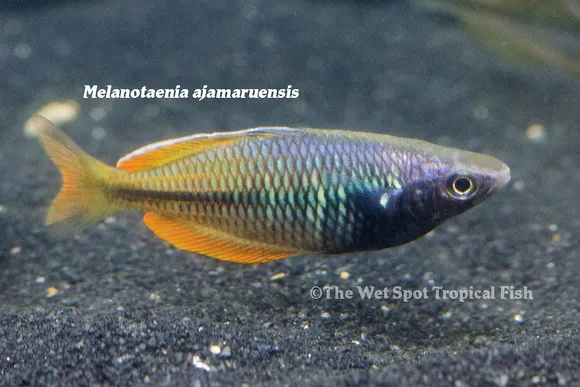 4.3 in (11 cm)42 gal (160 L)75–84°F (24–29°C)
Ajamaru Lakes rainbowfish
Melanotaenia ajamaruensis
4.3 in (11 cm) · 42 gal (160 L)
 4.3 in (11 cm)30 gal (115 L)68–77°F (20–25°C)
Australian rainbowfish
Melanotaenia fluviatilis
4.3 in (11 cm) · 30 gal (115 L)