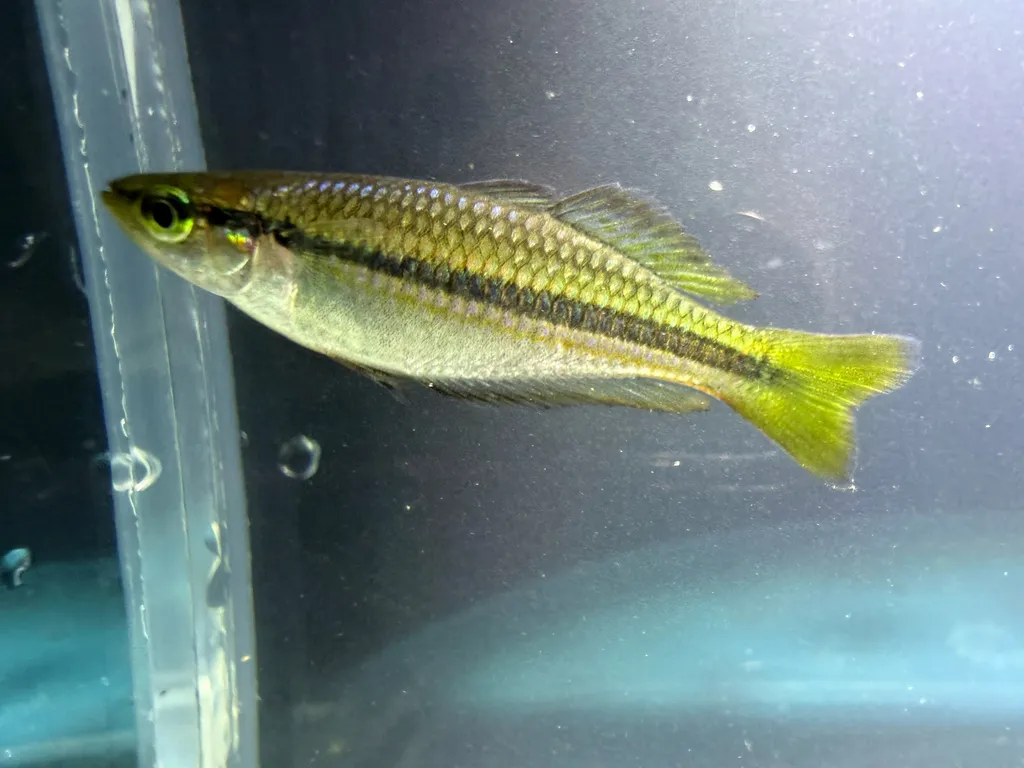
Black-banded rainbowfish
Melanotaenia nigrans
Also known as Blackbanded rainbowfish, Black-lined rainbowfish, Dark Australian Rainbow
FreshwaterFish
Care at a glance
- Temperature
- 72–82°F
- 22–28°C
- pH
- 5.5–7.5
- Adult size
- 3.9 in
- 10 cm
- Minimum tank
- 32 gal
- 120 L
- Temperament
- Peaceful
- Social behavior
- Schooling
- Swim level
- Middle
- Difficulty
- Easy
- Breeding
- Medium
- Rarity
- Rare
- Family
- Melanotaeniidae
- Origin
- Widespread across northern Australia from the eastern Kimberley to the tip of Cape York, in slow backwaters, billabongs, lily lagoons, rainforest streams and vegetated swamps.
Overview
The black-banded rainbowfish is a hardy, peaceful schooling fish for the middle of a planted community tank. It is easy to keep and a good first rainbowfish.
Did you know
The black-banded rainbowfish has a plain name, but breeding males flush with red, yellow and blue. They flick their fins in displays at dawn.
Caring for the black-banded rainbowfish
Keep black-banded rainbowfish in a group of at least six, in 32 gal (120 L) or more. A planted tank at least 90 to 120 cm long suits them, with driftwood, gentle flow and open space for swimming.
Keep the water at 72 to 82°F (22 to 28°C) and a pH of 5.5 to 7.5. They are tough enough to handle seasonal swings in temperature and water chemistry. They show their best color in clean, slightly soft water. Feed a varied diet of flake, small pellets and frozen foods such as bloodworm, daphnia and brine shrimp.
Black-banded rainbowfish are peaceful and undemanding. They make good companions for other rainbowfish, larger rasboras and peaceful catfish.
Keep both sexes, since a mixed group keeps the males displaying and colorful. Males develop deeper bodies and stronger red and yellow finnage than females. Breeding them is a moderate challenge.
Good to know
Melanotaenia nigrans was described in 1843, which makes it one of the earliest known members of the rainbowfish family Melanotaeniidae. It has a dark horizontal band along the body and a red-edged tail. It also goes by black-lined rainbowfish and dark Australian rainbow.
In the wild
The black-banded rainbowfish is widespread across northern Australia, from the eastern Kimberley to the tip of Cape York. It lives in slow, often heavily planted waters, from clear and rainforest streams to still billabongs, lily-covered lagoons and vegetated swamps. Field surveys record it in warm, slightly acidic water averaging around pH 6.9.
Weekly picks
Tank mates
The black-banded rainbowfish is a peaceful, schooling species that keeps to the middle. These picks share a community profile with it, are safe together in both directions, and overlap on water type, temperature and pH.
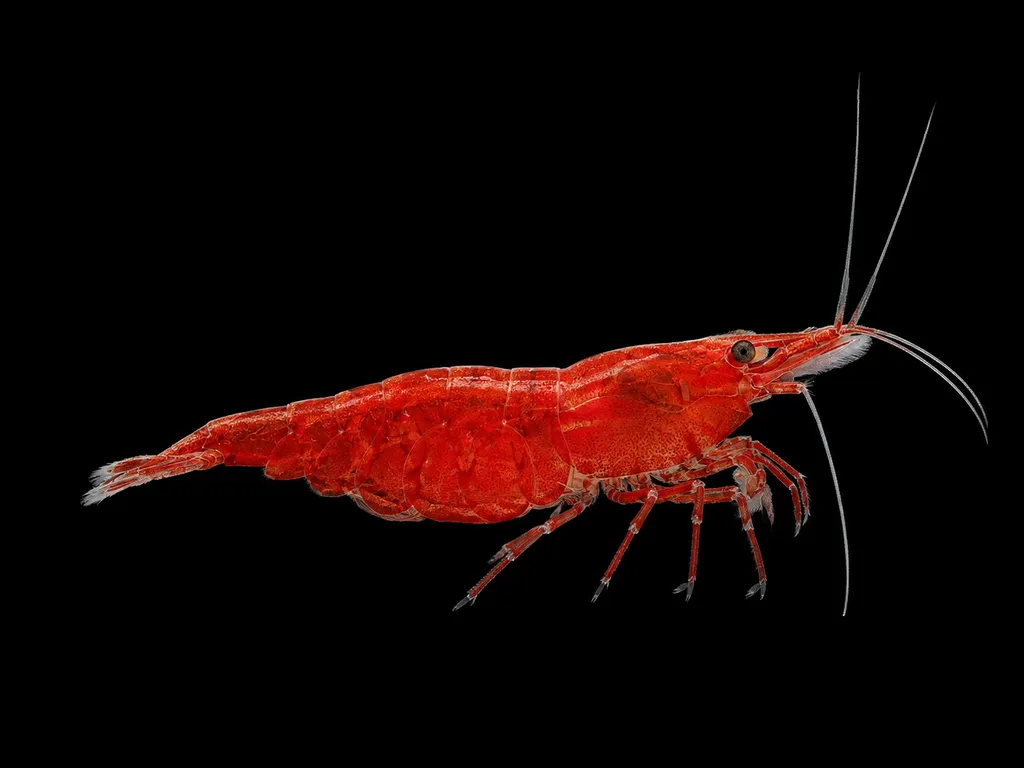
Neocaridina shrimp
Neocaridina davidi
Freshwater1.6 in (4 cm) · 5 gal (19 L)59–84°F (15–29°C)
Guppy
Poecilia reticulata
FreshwaterBrackish2.4 in (6 cm) · 10 gal (38 L)64–82°F (18–28°C)
Neon tetra
Paracheirodon innesi
Freshwater1.5 in (3.8 cm) · 11 gal (40 L)70–77°F (21–25°C)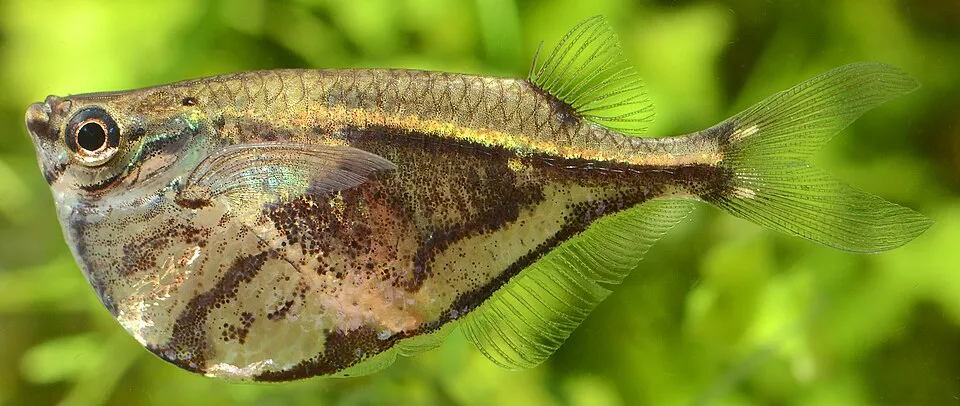
Marbled hatchetfish
Carnegiella strigata
Freshwater1.6 in (4 cm) · 32 gal (120 L)68–82°F (20–28°C)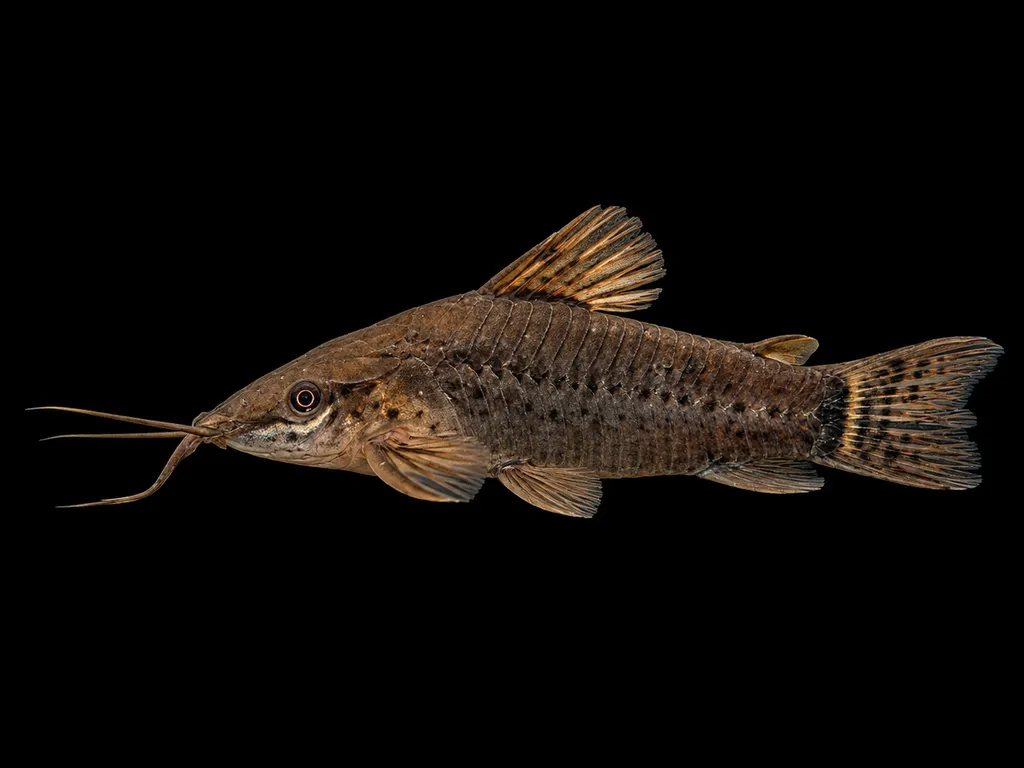
Panama hoplo
Hoplosternum punctatum
Freshwater3.1 in (8 cm) · 30 gal (115 L)72–79°F (22–26°C)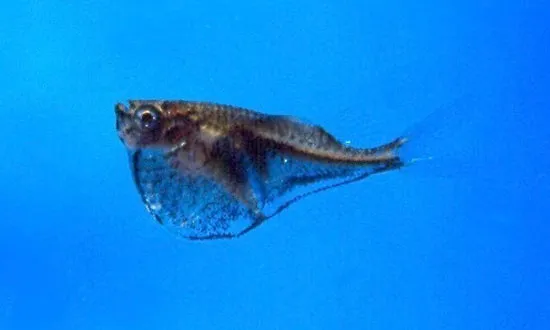
Blackwing hatchetfish
Carnegiella marthae
Freshwater1.4 in (3.5 cm) · 30 gal (115 L)68–82°F (20–28°C)
Common questions
What size tank does a black-banded rainbowfish need?
A black-banded rainbowfish needs at least 32 gal (120 L). It spends most of its time in the middle.
What temperature and pH does a black-banded rainbowfish need?
A black-banded rainbowfish is comfortable at 72–82°F (22–28°C) with a pH of 5.5–7.5.
What does a black-banded rainbowfish eat?
A black-banded rainbowfish eats a varied diet of flake and small pellets. Add frozen foods such as bloodworm, daphnia and brine shrimp.
How big does a black-banded rainbowfish get?
An adult black-banded rainbowfish reaches about 3.9 in (10 cm).
Does a black-banded rainbowfish need a group?
Yes. A black-banded rainbowfish is a schooling species and should be kept in a group, not singly.
How can you tell a male black-banded rainbowfish from a female?
Males have deeper bodies than females, with stronger red and yellow finnage.
Related species
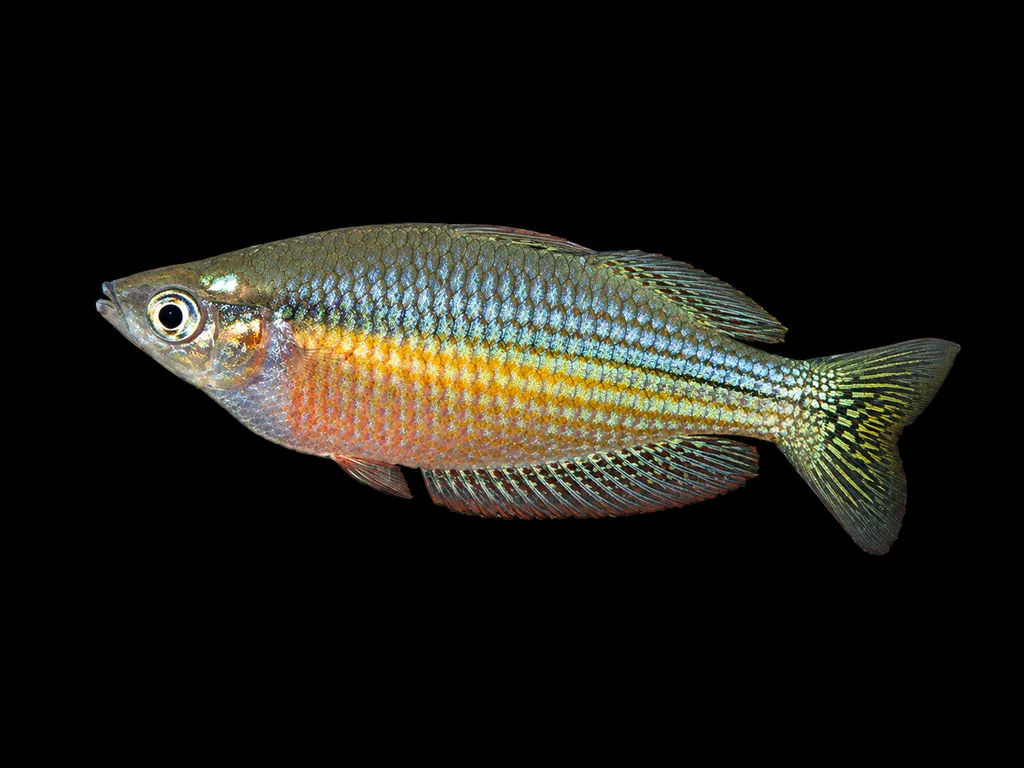 3.9 in (10 cm)42 gal (160 L)64–86°F (18–30°C)
Desert rainbowfish
Melanotaenia splendida tatei
3.9 in (10 cm) · 42 gal (160 L)
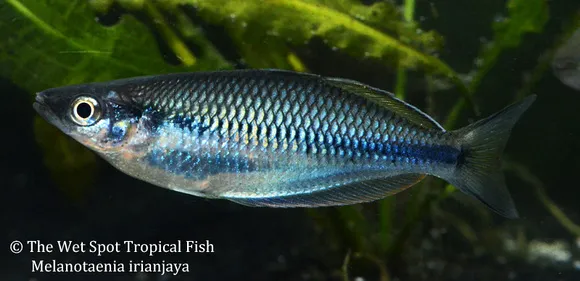 3.9 in (10 cm)42 gal (160 L)75–84°F (24–29°C)
Irian Jaya rainbowfish
Melanotaenia irianjaya
3.9 in (10 cm) · 42 gal (160 L)
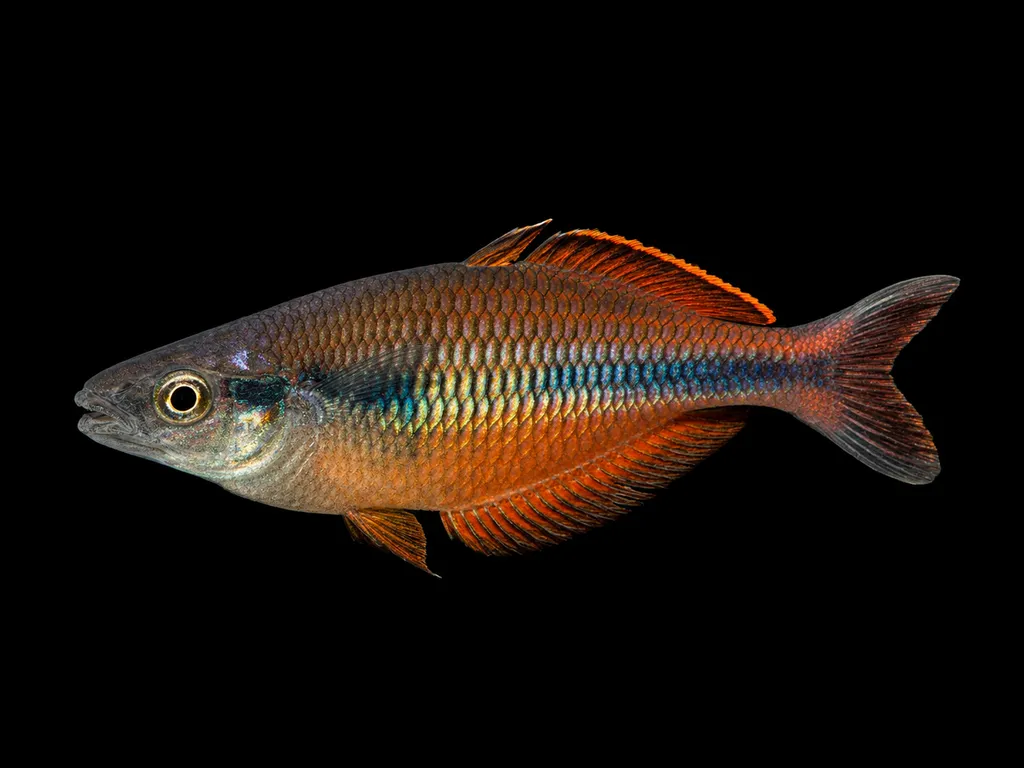 4.2 in (10.6 cm)42 gal (160 L)75–84°F (24–29°C)
Klasio rainbowfish
Melanotaenia klasioensis
4.2 in (10.6 cm) · 42 gal (160 L)
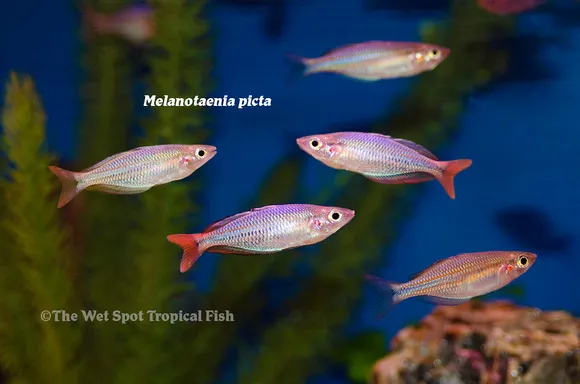 4.2 in (10.7 cm)29 gal (110 L)77–86°F (25–30°C)
Painted rainbowfish
Melanotaenia picta
4.2 in (10.7 cm) · 29 gal (110 L)
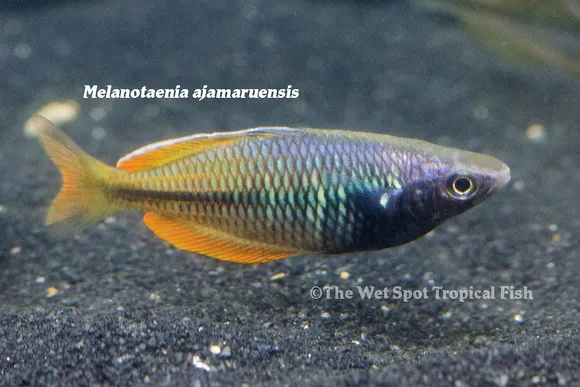 4.3 in (11 cm)42 gal (160 L)75–84°F (24–29°C)
Ajamaru Lakes rainbowfish
Melanotaenia ajamaruensis
4.3 in (11 cm) · 42 gal (160 L)
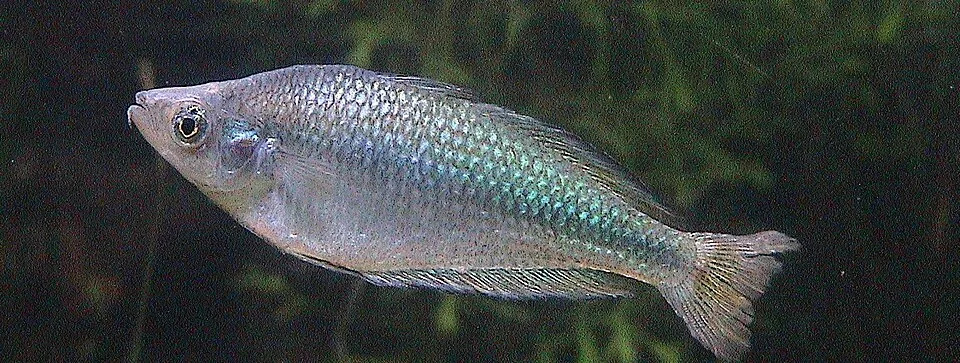 4.3 in (11 cm)30 gal (115 L)68–77°F (20–25°C)
Australian rainbowfish
Melanotaenia fluviatilis
4.3 in (11 cm) · 30 gal (115 L)