Rosy bitterling
Rhodeus ocellatus
FreshwaterFish
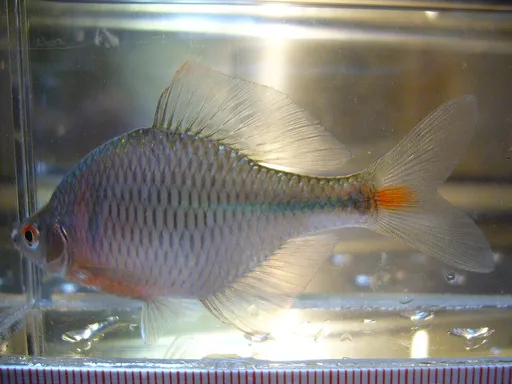
Care at a glance
- Temperature
- 64–75°F
- 18–24°C
- pH
- 6.5–7.5
- Adult size
- 3.1 in
- 8 cm
- Minimum tank
- 21 gal
- 80 L
- Temperament
- Peaceful
- Social behavior
- Social
- Tankmates
- With caution
- Swim level
- Middle
- Difficulty
- Easy
- Breeding
- Hard
- Rarity
- Common
- Family
- Acheilognathidae
- Origin
- East Asia (Amur River basin south to Pearl River basin, Taiwan); introduced elsewhere
Overview
Keep them in a group of six or more, in a tank of 80 liters or larger, since they are peaceful and a little shy and only settle and color up properly in numbers. They swim in the middle of the water column and do best at room temperature, about 18 to 24 C, with a pH around 6.5 to 7.5, not in a warm tropical tank running 26 C or higher. Feed flake, pellet, and frozen or fresh foods, since they are omnivores. Pair them with other cool-water species like White Cloud Mountain minnows or other bitterlings rather than warm tropicals. They have established themselves outside their native range in some regions, so never release them into local waterways and check your local rules before keeping them.
In the wild
Rosy bitterlings come from rivers and slow, weedy waters across East Asia, ranging from the Amur River basin south to the Pearl River basin and Taiwan. These are temperate waters that cool right down in winter, so keep them unheated at room temperature, roughly 18 to 24 C, and let them have a cooler rest over the colder months. Give them a tank of at least 80 liters with dense planting, some rockwork or bogwood to duck behind, and a bit of current. Water on the soft to moderately hard side suits them, with a pH from about 6.5 to 7.5.
Good to know
This is a member of the family Acheilognathidae, a relative of the carps and minnows, reaching around 8 cm as an adult. Its standout trait is how it breeds. The female grows a long ovipositor and lays her eggs inside the gill chamber of a living freshwater mussel, where they develop and the fry emerge after two to four weeks. Males color up reddish to purple through the spring and summer spawning season.
Did you know
They cannot breed without a live freshwater mussel in the tank. The female uses her ovipositor to place eggs into the mussel's gills, and the young grow there in safety before swimming out. In return the mussel's own larvae often hitch a ride on the fish, so the two species depend on each other. That is why breeding is rated hard. The challenge is keeping a mussel alive long term, not the fish themselves.
Symbiotic relationships
Bitterlings and freshwater mussels
Bitterlings do not lay their eggs in the open at all. In spring the female grows a long egg tube and slips her eggs through the outflow siphon of a living freshwater mussel, into its gill chamber, while the male releases sperm over the inflow siphon so the mussel draws it in. The embryos develop inside the mussel for about a month, protected from everything, then swim out. The mussel's own larvae attach to passing fish to develop, so the two use each other. Biologists now read it as a mild parasitism running both ways rather than a partnership: the eggs cost the mussel oxygen and food, and bitterlings have evolved to shed the mussel larvae that other fish carry.
Bitterlings are cool-water fish for an unheated tank and breed only with a live mussel present. Swan or duck mussels are the usual hosts; they are filter feeders that starve in clean water and need a mature, well fed tank with fine sand to sit in, which is why breeding bitterlings is a project rather than a happy accident. Watch the female's egg tube lengthen and the male stake out the mussel, and you have seen the whole ritual.
Common questions
What size tank does a Rosy bitterling need?
A Rosy bitterling needs at least 21 gal (80 L). It spends most of its time in the middle.
What temperature and pH does a Rosy bitterling need?
A Rosy bitterling is comfortable at 64–75°F (18–24°C) with a pH of 6.5–7.5.
How big does a Rosy bitterling get?
An adult Rosy bitterling reaches about 3.1 in (8 cm).
Related species
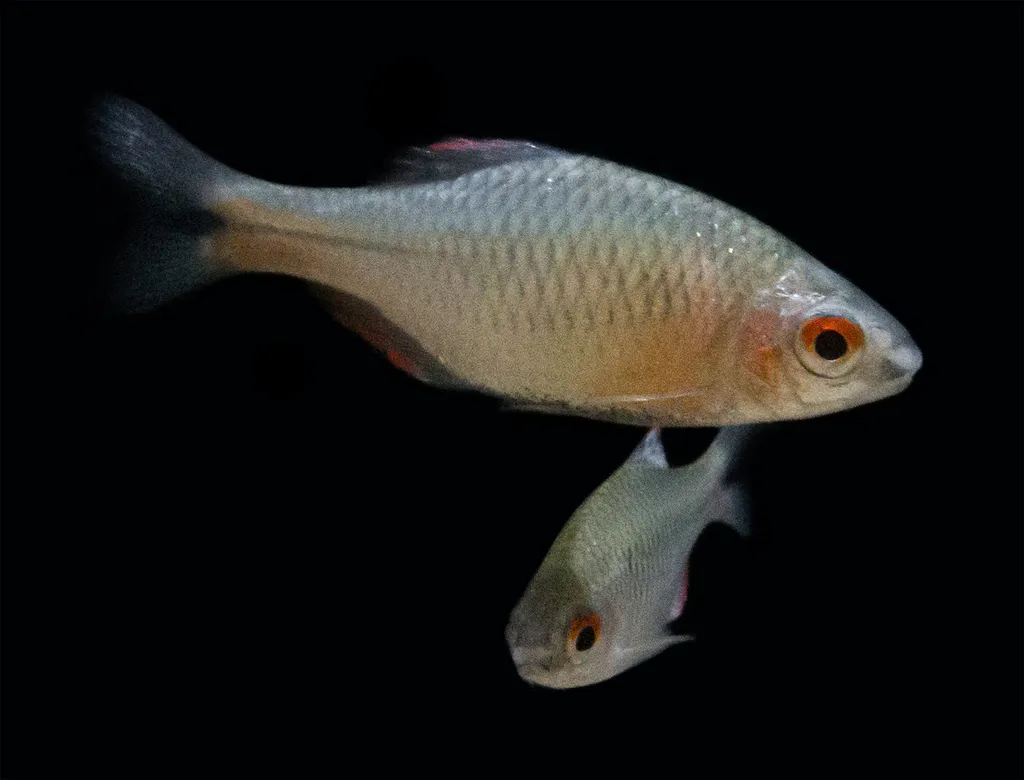 3.1 in (8 cm)30 gal (112 L)57–79°F (14–26°C)
Blue Amur bitterling
Paracheilognathus himantegus
3.1 in (8 cm) · 30 gal (112 L)
- 4.7 in (12 cm)40 gal (150 L)61–79°F (16–26°C)
Red-tail bitterling
Acheilognathus tonkinensis
4.7 in (12 cm) · 40 gal (150 L)
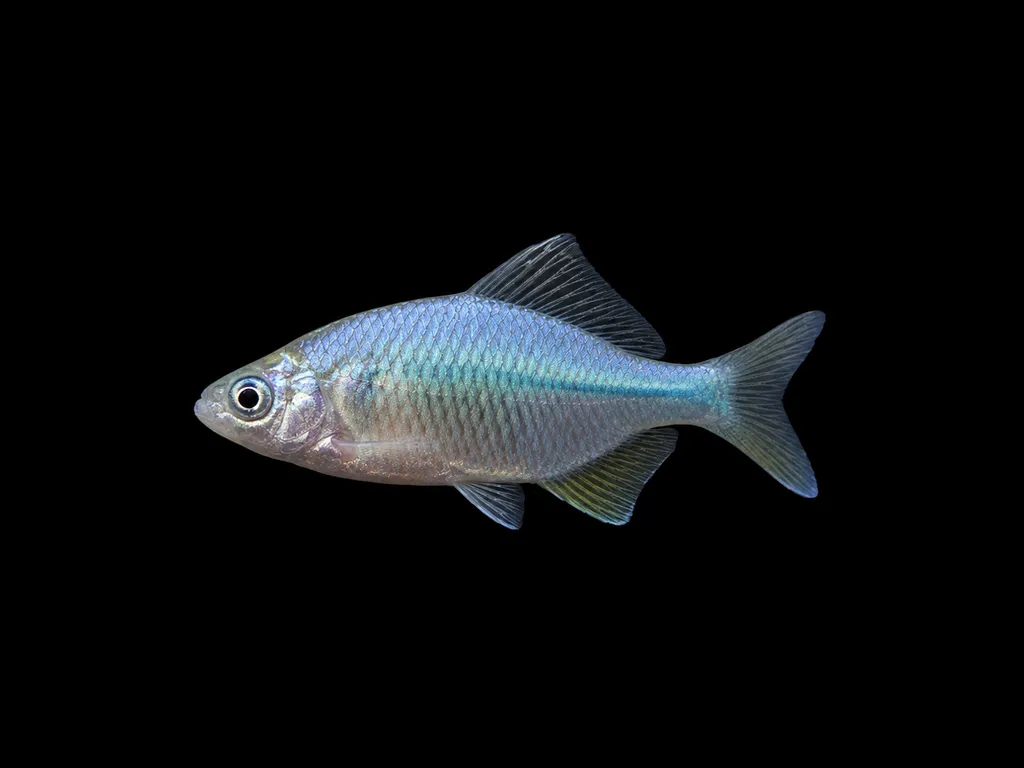 10.6 in (27 cm)106 gal (400 L)57–79°F (14–26°C)
Rainbow bitterling
Acheilognathus macropterus
10.6 in (27 cm) · 106 gal (400 L)
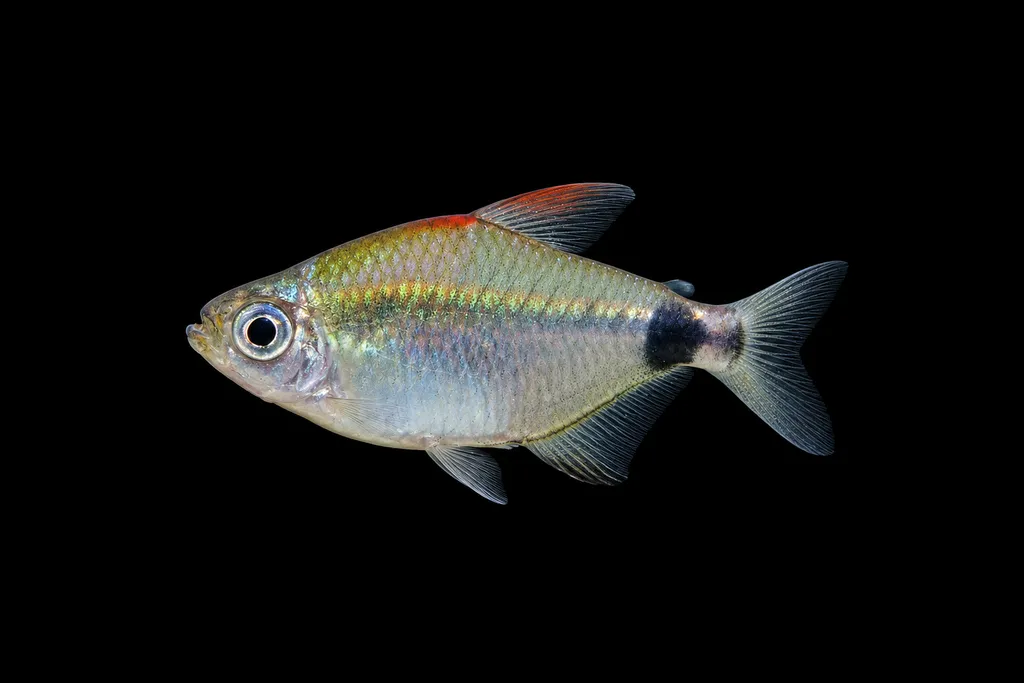 3.1 in (8 cm)22 gal (85 L)72–77°F (22–25°C)
African moon tetra
Bathyaethiops caudomaculatus
3.1 in (8 cm) · 22 gal (85 L)
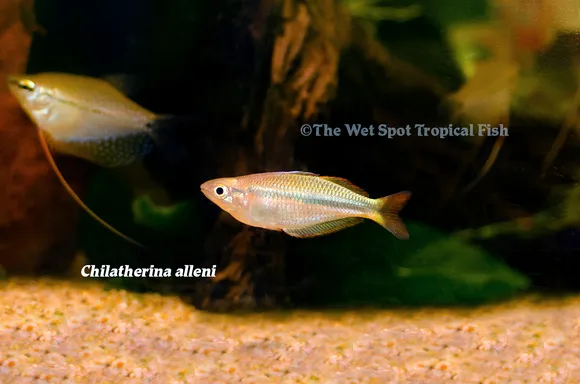 3 in (7.6 cm)29 gal (110 L)75–84°F (24–29°C)
Allen's rainbowfish
Chilatherina alleni
3 in (7.6 cm) · 29 gal (110 L)
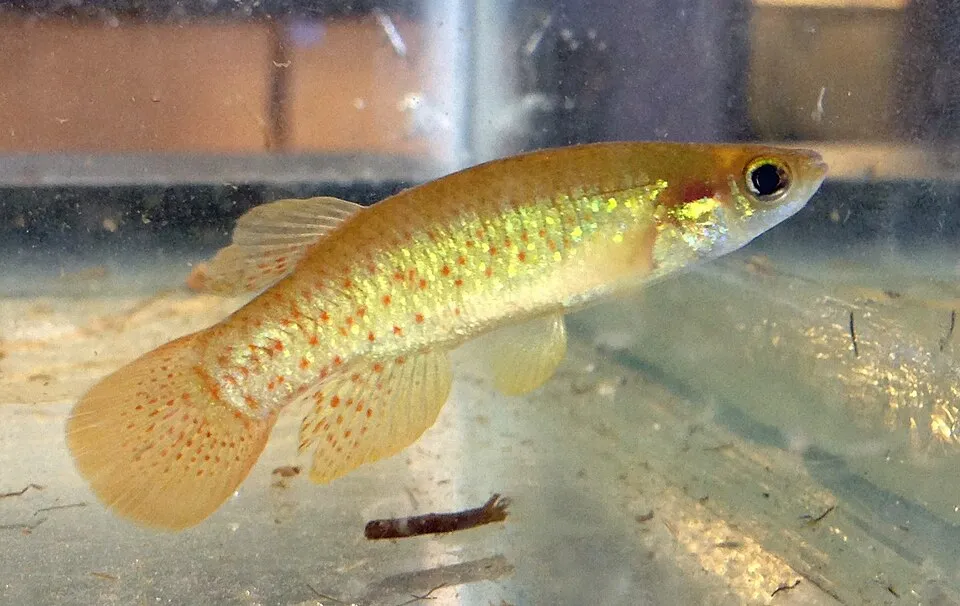 3 in (7.5 cm)22 gal (85 L)59–75°F (15–24°C)
Golden topminnow
Fundulus chrysotus
3 in (7.5 cm) · 22 gal (85 L)